Insights
RUMOR
Rumor
iPhone Ultra vs Galaxy Z Fold8: Size, Battery, Cameras and Price Compared
A size-first comparison of Apple’s rumored foldable iPhone — sometimes called iPhone Ultra — against the official Galaxy Z Fold8 on pocketability, displays, battery reports, cameras, biometrics, software, and price.
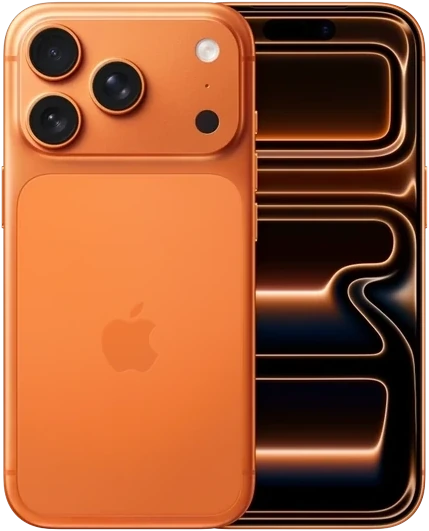
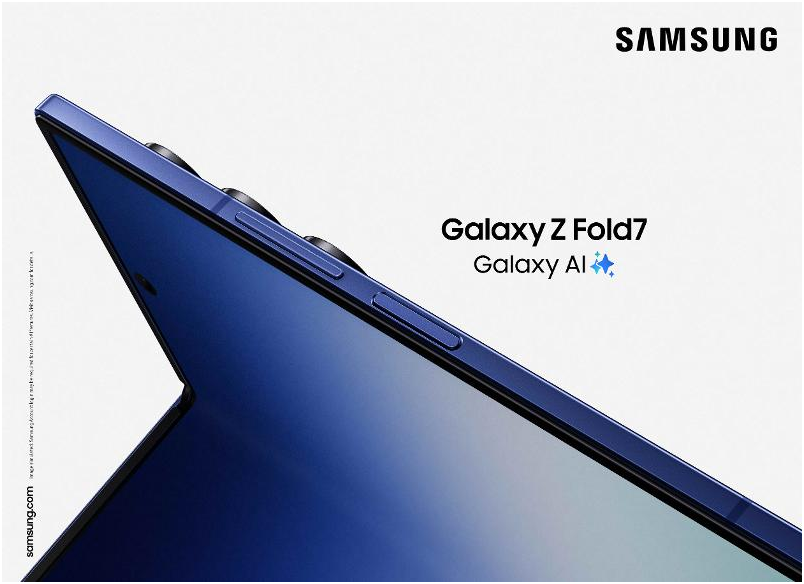
“iPhone Ultra vs Galaxy Z Fold8” is a confirmed foldable against an unannounced one. Galaxy Z Fold8 ships with published dimensions, displays, battery figures, and U.S. pricing. Apple’s first book-style foldable remains unannounced: “iPhone Ultra” is naming chatter, not a confirmed retail label. This comparison uses Fold8 as the measured baseline and treats every Apple figure as Reported, Rumored, Estimated, or Sizometry analysis until Apple publishes specs.
What we know — and what remains rumor
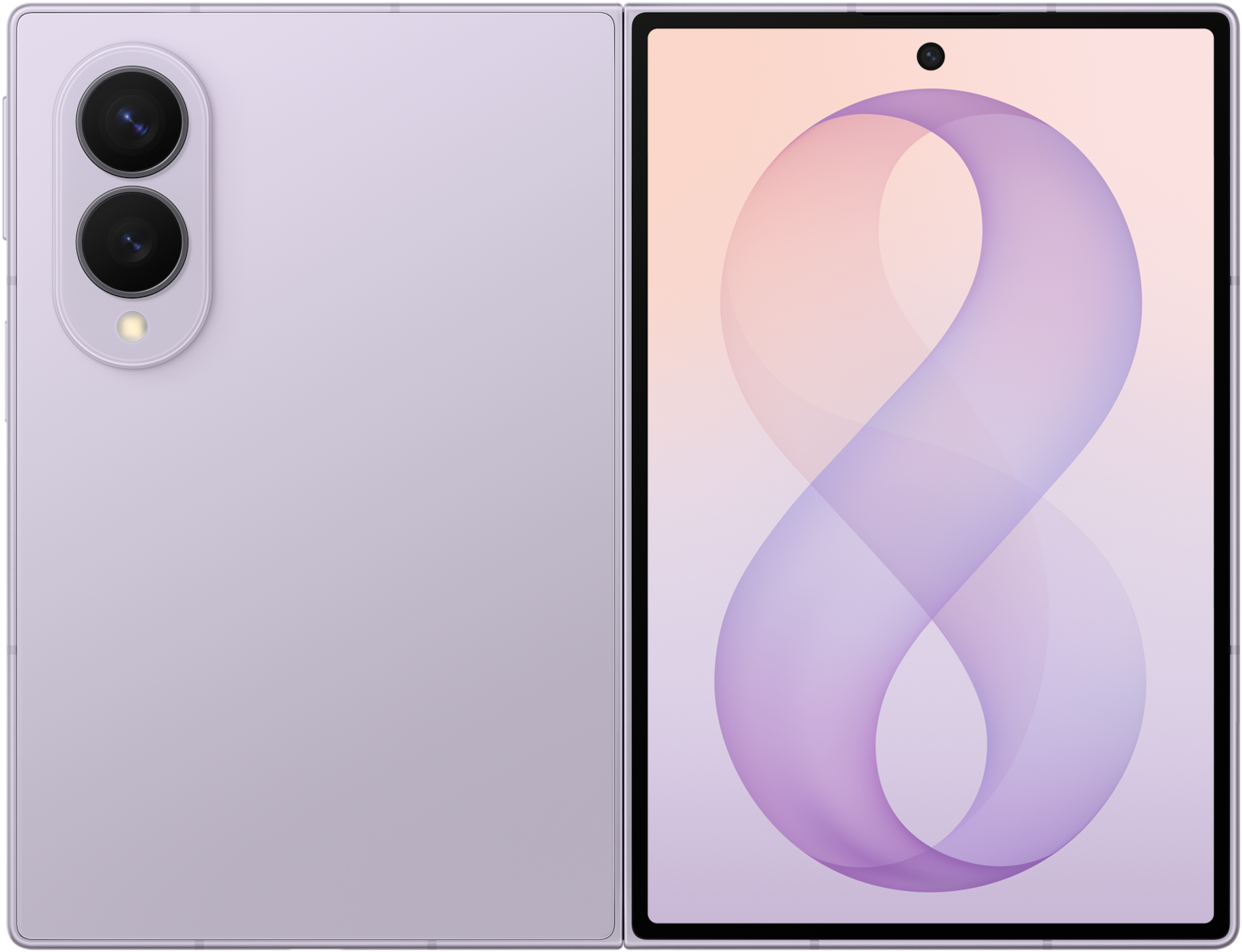
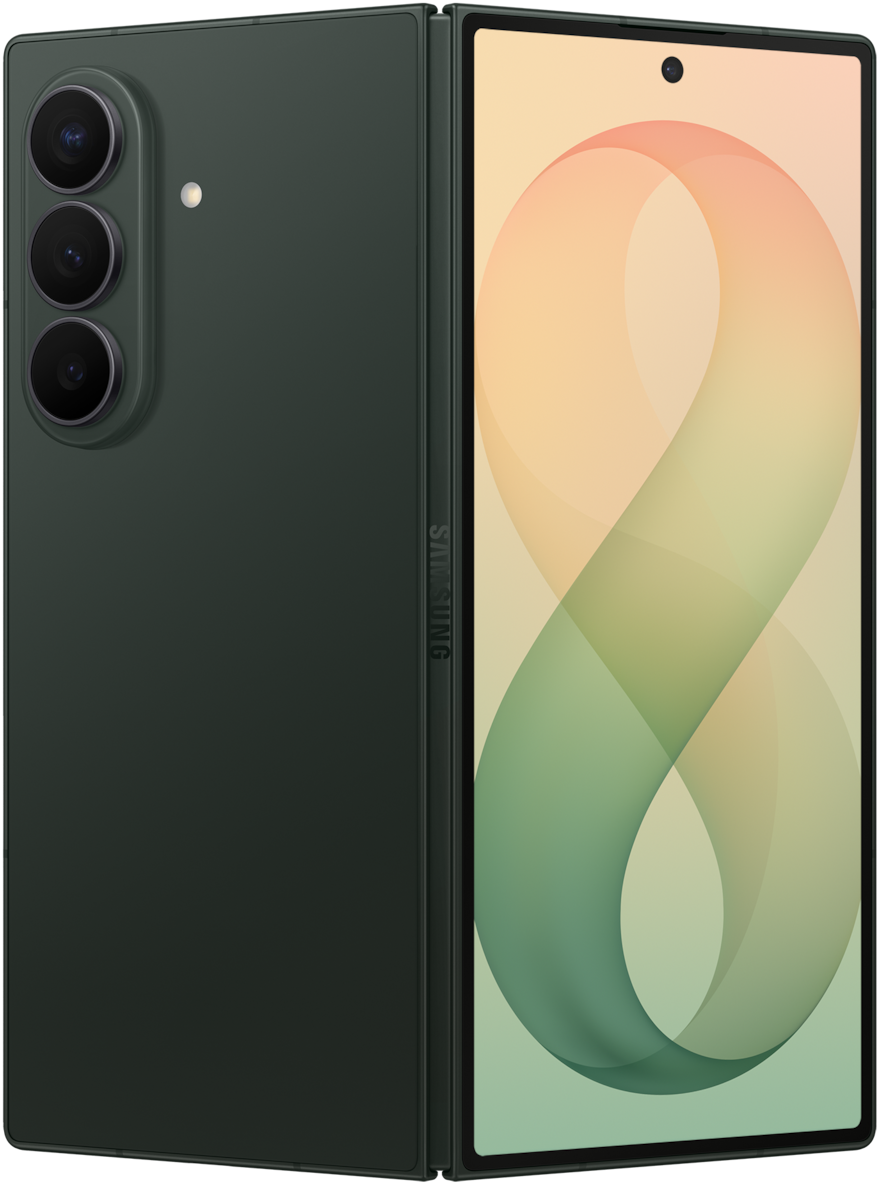
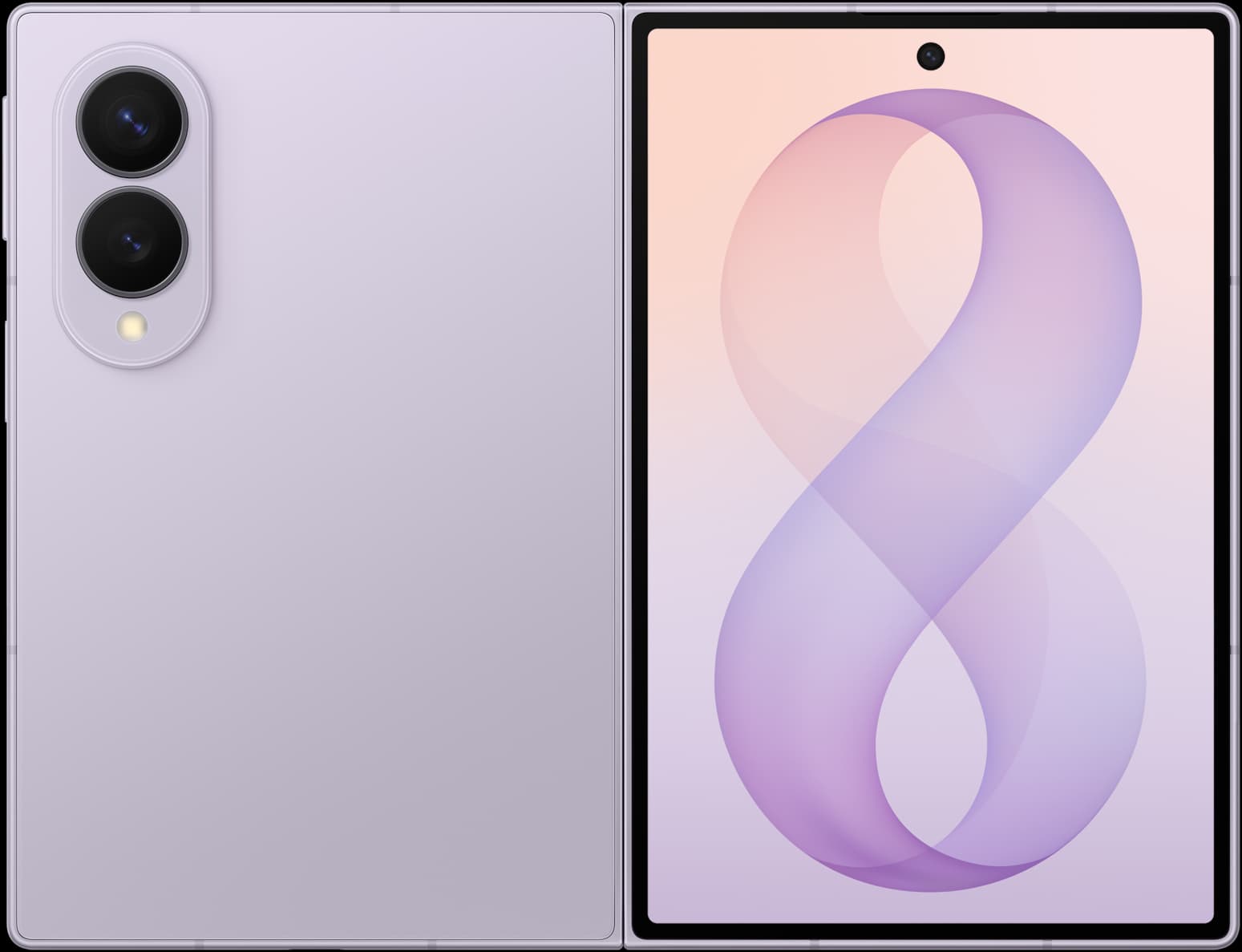
Confirmed on Galaxy Z Fold8 — Samsung’s released short-wide Fold: folded 81.9 × 123.9 × 9.7 mm, unfolded 161.4 × 123.9 × 4.5 mm, 201 g; 5.5-inch cover and 7.6-inch main Dynamic AMOLED 2X panels; 4,800 mAh typical dual battery with 45W wired and 20W wireless charging; dual 50 MP rear cameras; U.S. unlocked starting price $1,899.99 for 256 GB. Announced July 22, 2026, with August availability.
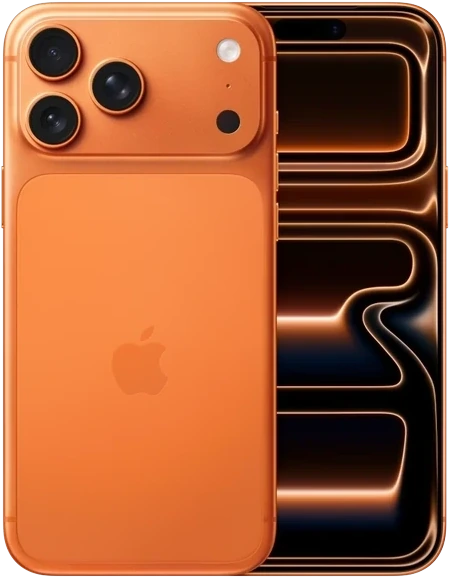
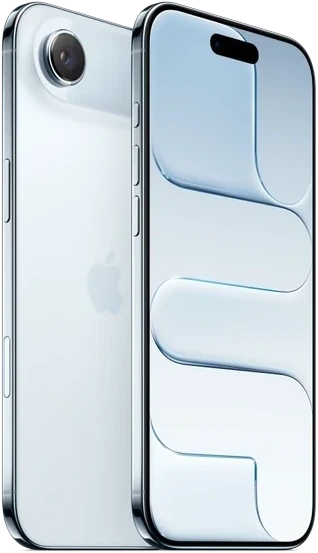
Reported on Apple’s foldable — a book-style phone with a usable cover and larger inner canvas; cover/inner diagonals near 5.5 inches and 7.7–7.8 inches; fall 2026 unveil talk; Samsung Display OLED supply notes; side-button Touch ID instead of Face ID; dual-rear cameras without a dedicated telephoto in the strongest current camera stream.
Uncertain rumors — commercial name (“iPhone Ultra,” “iPhone Fold,” or something else); exact chassis millimetres; nearly invisible crease claims; combined battery capacity near ~4,800 mAh from two registered cells; vapor-chamber cooling; Action Button omission with Camera Control retained; MagSafe presence or absence; final U.S. price; announce-versus-ship timing if supply is thin.
Sizometry analysis — Fold8 already proves the short-wide Fold class in pockets. Apple’s rumored silhouette aims at a similar passport-like closed rectangle opening into a productivity-oriented plane. Carry geometry, cover usability, and software continuity matter more than milliamp-hour headlines.
For deeper Apple coverage, see iPhone Fold Size, display rumors, battery rumors, camera rumors, hinge rumors, and release-date rumors. Fold8 versus a slab flagship: Galaxy Z Fold 8 vs iPhone 17 Pro Max.
Explore device details
Design and physical size
Fold8 dimensions are Confirmed. Apple dimensions are Reported or Estimated.
Galaxy Z Fold8 closed is a short, relatively wide brick — 123.9 mm tall, 81.9 mm wide, 9.7 mm thick at 201 g. Open, it becomes a thin 161.4 mm-wide workspace at 4.5 mm. That closed height is the daily pocket argument against taller Fold Ultra geometry and against conventional Pro Max slabs.
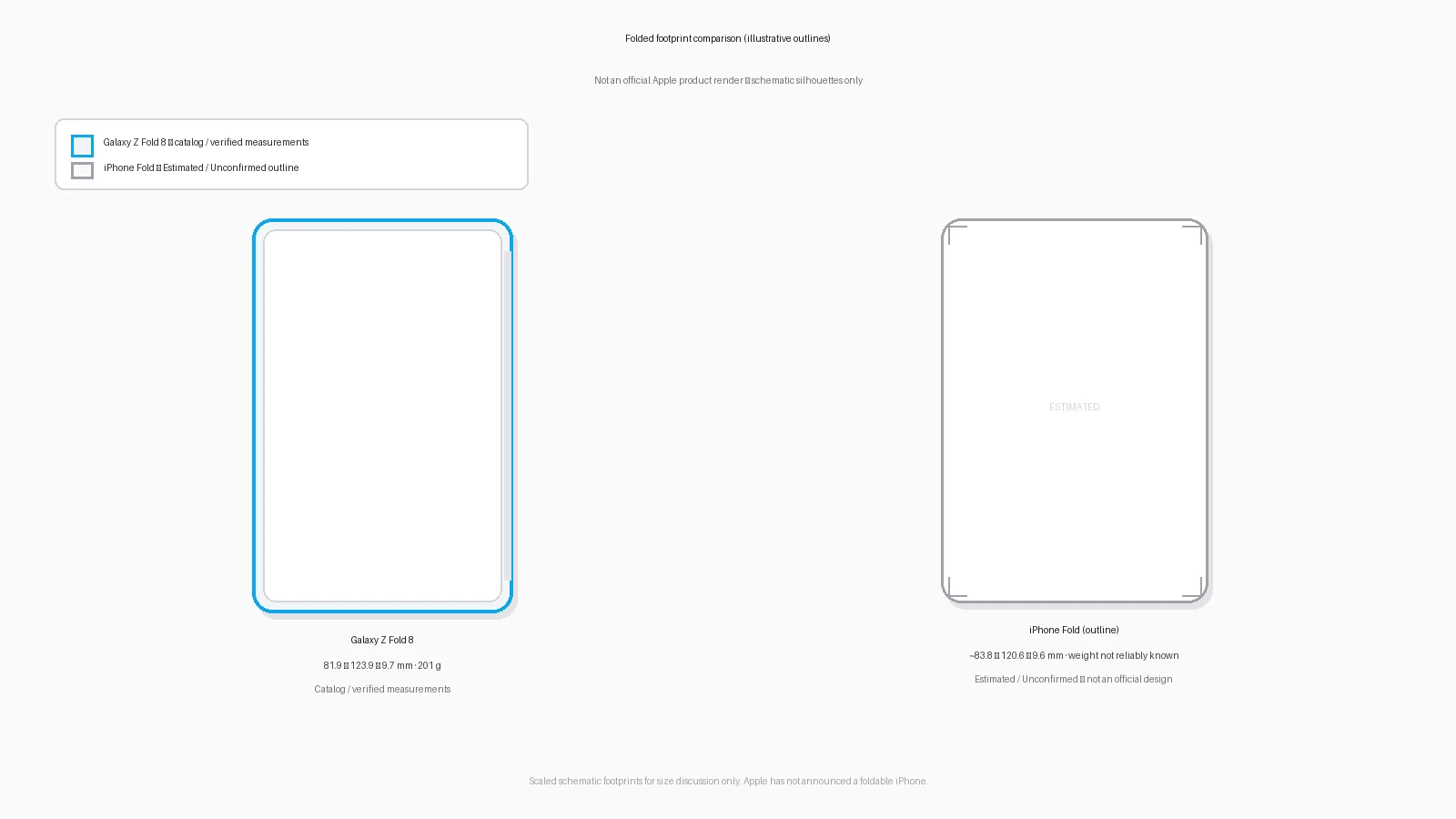
Apple’s foldable is consistently described as the same book-style class. Sizometry’s working estimate — detailed in the size guide — places a rumored closed body near 83.8 × 120.6 × 9.6 mm and an open body near 167.6 × 120.6 × 4.8 mm. These are Sizometry estimates, not leaked or official specifications. Separate reporting also clusters unfolded thickness near ~4.5 mm and folded thickness near ~9.0–9.5 mm.
If those estimates hold, the closed phones land in the same neighborhood:
• Height — Fold8 is taller closed (123.9 mm vs ~120.6 mm Estimated). • Width — the rumored Apple foldable is slightly wider closed (~83.8 mm vs 81.9 mm). • Folded thickness — essentially tied (9.7 mm vs ~9.0–9.6 mm Reported/Estimated). • Unfolded thickness — Fold8 is Confirmed at 4.5 mm; Apple reporting often cites a mid-to-high 4 mm class. • Open width — estimates put Apple slightly wider open (~167.6 mm vs 161.4 mm). • Weight — Fold8 is Confirmed at 201 g; Apple’s mass is not reliably known, so Fold8 currently provides the only confirmed weight figure.
Pocketability follows folded volume and clothing cut, not open thinness. Both ask for more front-to-back depth than a slab iPhone. Fold8’s 201 g and shorter-than-Pro-Max closed height already make it a practical daily foldable. An Apple product a few millimetres shorter and a couple millimetres wider would feel adjacent in most pockets — unless weight, camera island height, or case thickness swings the feel.
One-handed use belongs to the cover. Fold8’s 5.5-inch cover on a short-wide body supports messaging, maps, and quick replies without unfolding. Apple’s repeated ~5.5-inch cover story targets the same habit. Full one-thumb control of either 7.6–7.8-inch inner canvas is unrealistic for most grips.
Galaxy Z Fold8 Ultra is a different size grade — taller closed, larger cover and inner diagonals, 215 g. Decide whether “Samsung Fold vs Apple foldable” means standard Fold8 or Ultra before weighting any Apple rumor.
Open Galaxy Z Fold8 and Galaxy Z Fold8 Ultra side by side in the Sizometry size comparison tool.
Open size comparisonDisplay and crease
Fold8’s displays are Confirmed: 5.5-inch cover (1972 × 1248) and 7.6-inch main (2448 × 1848), both Dynamic AMOLED 2X at up to 120 Hz, on a short-wide open canvas nearer to a productivity plane than a tall phone laid sideways.
Apple reporting most often cites roughly 5.5 inches outside and 7.7–7.8 inches inside. A separate stream points to about 5.3 / 7.7 inches. Diagonals alone do not decide typing width, document line length, or split-app balance — aspect ratio and usable width do. See iPhone Fold Display Rumors.
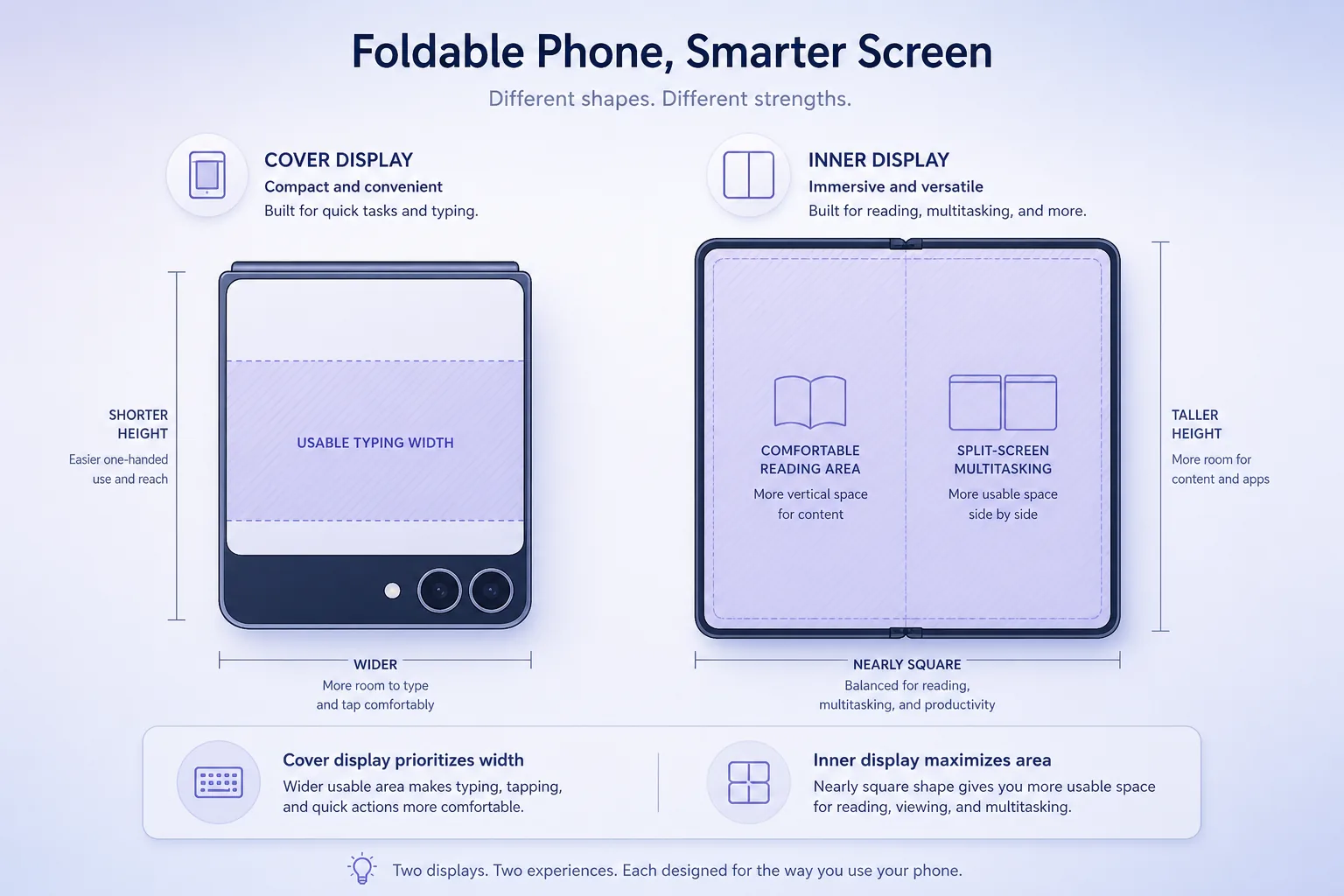
Crease talk around Apple is ambitious and Unconfirmed. Reports describe crease-reduction work, ultra-thin glass, and Samsung Display panel supply, including module-production progress. “Nearly invisible” or “crease-free” language is not a measured retail guarantee. Fold8 still shows a fold line under some light and fingertip angles, as every current book foldable does. Apple may improve crease optics; elimination is not Confirmed.
Samsung Display involvement in Apple’s foldable OLED supply remains Reported industry information, not a public Apple or Samsung announcement. Exclusive-supplier claims stay Unconfirmed.
Battery and thermal design
Fold8’s power story is Confirmed: 4,800 mAh typical (4,660 mAh rated) dual-cell pack, 45W wired, 20W wireless. That sits near recent dual-cell talk for Apple — a tempting paper comparison that stays unfair until Apple publishes a retail figure.
July 2026 supply-chain reporting described two cells associated with Apple’s foldable near about 1,921 mAh and 2,962 mAh. If both belong to one retail device and are meant to combine, the arithmetic minimum is about 4,883 mAh. Broader talk still cites a mid-to-high 4,000s to low-5,000s mAh band. Earlier testing claims in a 5,400–5,800 mAh class sit higher and may reflect prototypes, different measurement bases, or outdated targets. Cell registration is not a finished marketing capacity. Details live in iPhone Fold Battery Rumors.
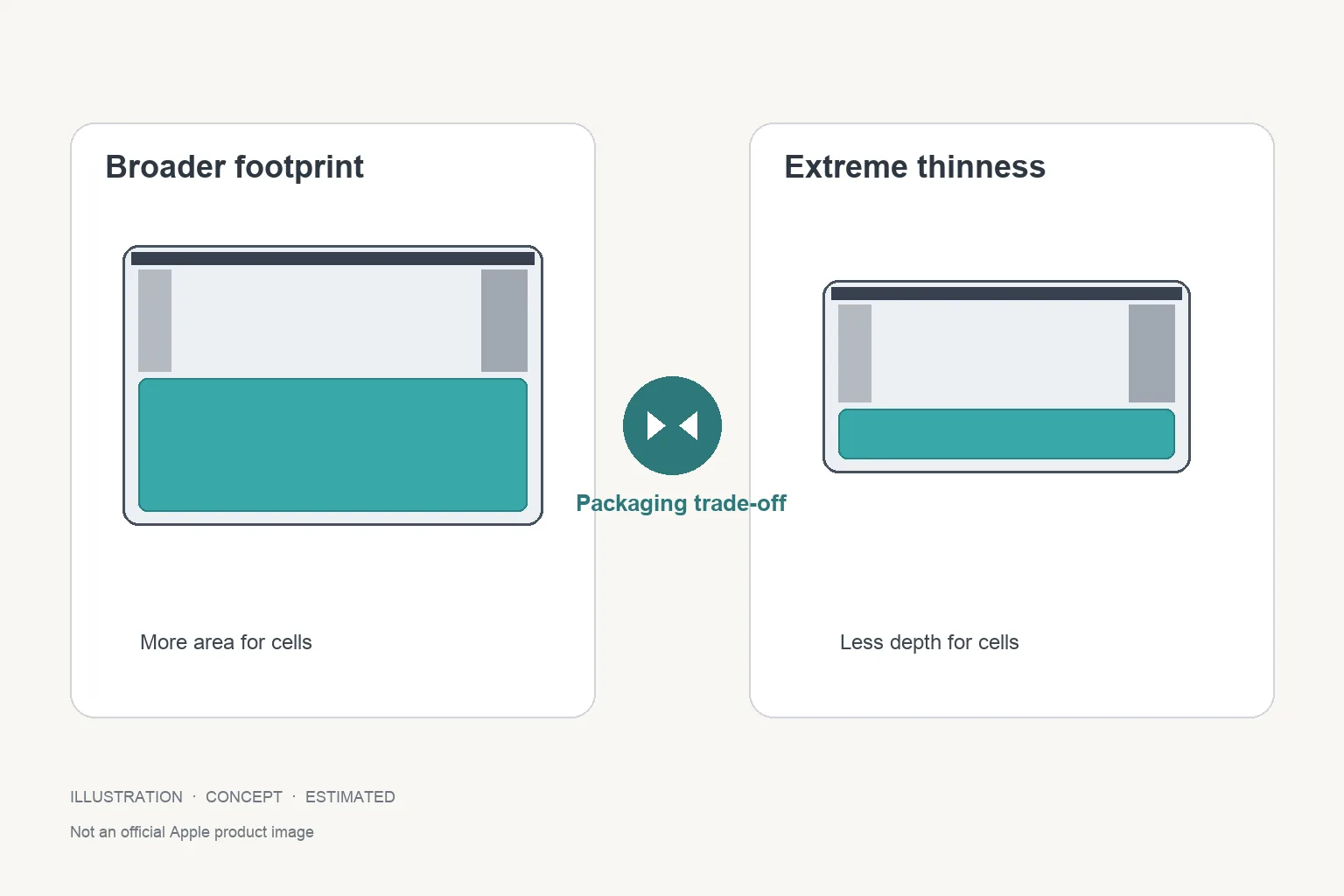
A two-cell layout is physically coherent for any book foldable: each half needs mass balance and volume where cameras and boards leave room. Fold8 already ships that architecture. Apple may follow the same packaging logic without matching Fold8’s endurance, charging watts, or silicon efficiency.
Vapor-chamber cooling has been Reported for the rumored foldable. Thin open halves leave little thermal mass, so aggressive cooling is plausible engineering — and still Unconfirmed. Sustained gaming, navigation, and bright inner-display video will stress either phone more than cover-first messaging days. Cover-heavy use spares the large OLED; unfolded multitasking spends the tank faster. Milliamp-hour near-ties are coincidence until Apple’s device can be tested independently.
Camera trade-offs
Both phones currently point toward dual-rear packaging rather than a Pro Max-style triple stack — but only Fold8’s bill of materials is Confirmed.
Fold8 lists a 50 MP wide with OIS and 2x optical-quality zoom plus a 50 MP ultrawide, with 10 MP cover and inner selfie cameras. There is no dedicated telephoto on standard Fold8.
Apple camera reporting describes a dual rear layout commonly framed as main plus ultra-wide, without a dedicated telephoto in that stream. Resolution chatter, including 48 MP module talk, remains Rumored. Packaging pressure from a sub-5 mm open body makes telephoto omission understandable even if Apple later revises the array. Full analysis: iPhone Fold Camera Rumors.
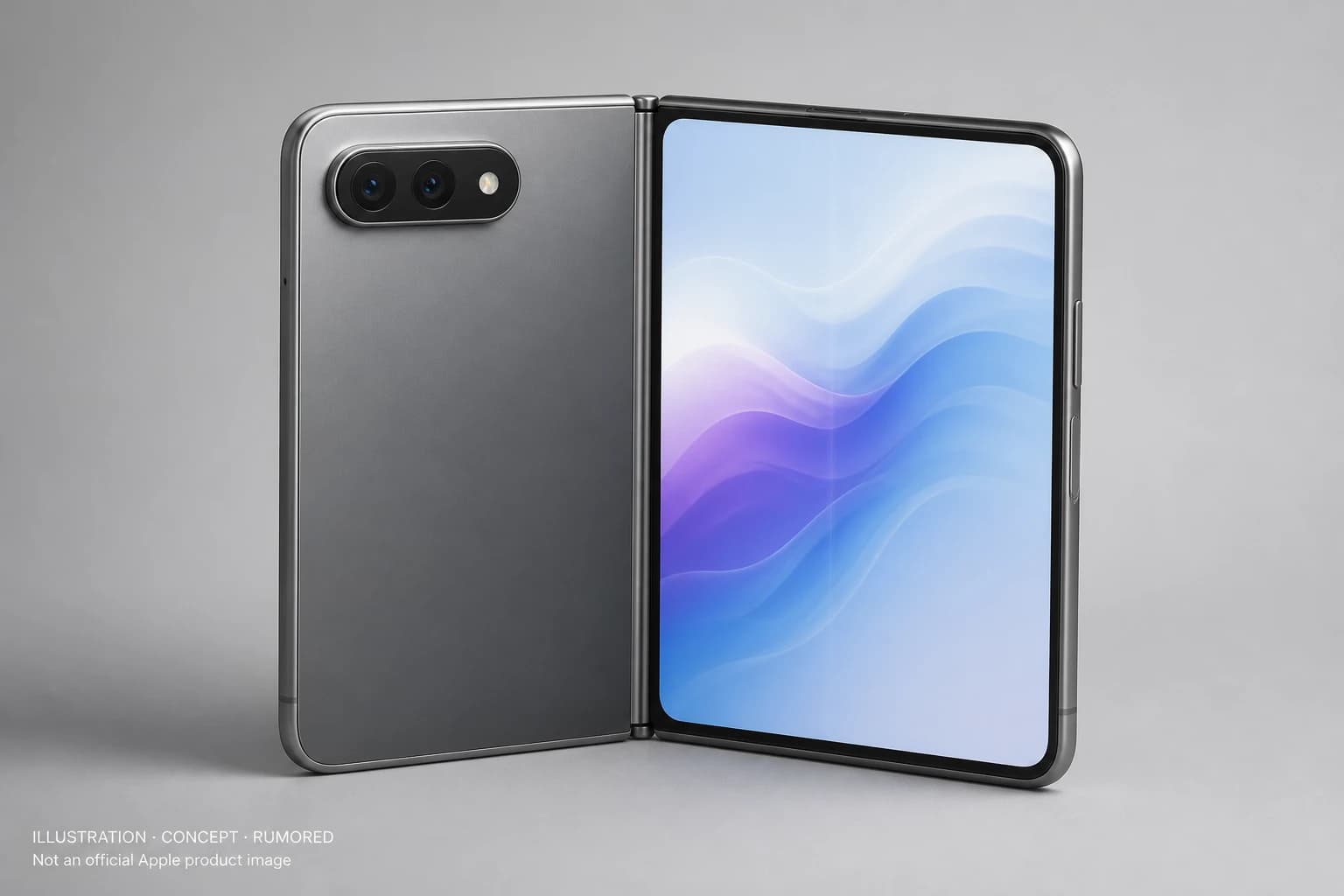
Fold8 already shows what a premium dual-rear foldable feels like — optical-quality 2x from the main, ultrawide for groups and interiors, computational zoom beyond that. An Apple dual-rear system would compete on processing consistency, video behavior, and cover/inner preview ergonomics more than on lens count. Dedicated long zoom, if absent on both, is a shared category compromise.
Camera Control as a retained hardware control appears in design-direction reporting and third-party case cutouts. That does not prove final shutter ergonomics or shipping firmware behavior.
Face ID vs Touch ID
Biometrics are one of the clearest Apple rumor clusters — and still not a shipped feature.
Side-button Touch ID replacing Face ID is Strongly Reported, with thin TrueDepth packaging cited as the constraint. Dummy-unit photography circulating among accessory channels has been read the same way: no Dynamic Island-style Face ID stack on either face. Apple has used power-button Touch ID on recent iPads, so the interaction model is familiar even if it would be a flagship iPhone departure.
Fold8 uses a side fingerprint sensor — a known foldable pattern. If Apple ships side Touch ID, closed-hand unlock habits may feel closer to Fold8 than to Face ID slab iPhones. Masks, gloves, wet fingers, and table-unlock scenarios still differ by implementation quality, which nobody can score yet.
Under-display inner cameras, hole-punch cover cameras, and any Face ID revival remain secondary streams. Do not assume Face ID returns later in the same chassis without new evidence.
Multitasking and software
Software is where preference may outweigh millimetres.
Fold8 ships Android 17 with One UI multitasking built around cover-first use and unfolded multi-window. Split apps, flexible pop-ups, and a short-wide 7.6-inch canvas are part of the product you can buy today.
Apple reporting describes iOS adaptations for a larger foldable canvas — including side-by-side apps and more iPad-like chrome — while still framing the device as an iPhone rather than an iPadOS machine. Those notes are directional. Developer layouts, Continuity with Mac/iPad/Watch, and how aggressively apps use the open plane will matter more once the hardware exists.
Ecosystem lock-in is the honest filter. If Messages, FaceTime, Apple Watch, and Mac handoff define the day, a first-generation Apple foldable may win on continuity even if Fold8 is ahead on mature foldable windowing. If flexible multi-window Android workflows matter more than Apple continuity, Fold8 is the finished tool.
Accessories
Accessory evidence exists, but it is weaker than chassis or display reporting.
Third-party case listings and dummy models have shown dual-lens camera cutouts, Camera Control cutouts, and missing Action Button cutouts. Some cases advertise MagSafe-style magnets in the case itself. Magnets in a case do not prove MagSafe hardware inside the phone; earlier dummy reads have suggested MagSafe may be omitted to protect thinness. Treat MagSafe, Action Button, and accessory alignment as open questions.
Fold8 already has a mature case, charger, and mount market. Apple’s first foldable will inherit Apple’s accessory machine after dimensions freeze. Do not buy today on the strength of a case mockup.
Expected pricing
Fold8’s U.S. unlocked starting price is Confirmed at $1,899.99 for 256 GB, with higher storage tiers above that.
Current estimates frequently place the expected Apple starting price around or above $2,000, with storage-dependent bands sometimes extending into the mid-$2,000s. Exact SKU pricing is Unconfirmed. A first foldable that undercuts Fold8 on paper would be surprising; a premium above Fold8’s $1,899.99 start is the directional consensus, not a receipt.
Launch timing is a related cost-of-waiting issue. Fall 2026 unveil expectations remain common, while shipping may trail the stage date if yields or memory supply constrain early volume. Calendar nuance belongs in the release-date guide. Paying Fold8’s known price today buys hardware now; waiting for Apple buys uncertainty plus possible early-adopter scarcity.
See the full specification comparison for Galaxy Z Fold8 vs Galaxy Z Fold8 Ultra.
Compare Galaxy Z Fold8 vs Galaxy Z Fold8 UltraWhich foldable could make more sense?
Choose Galaxy Z Fold8 now if you:
• Need a shipping short-wide foldable with published size, weight, and price • Want proven One UI multi-window on a 7.6-inch open canvas • Prefer a confirmed 201 g carry and 4,800 mAh typical pack over Apple rumor math • Are willing to live with dual-rear cameras and Samsung’s software stack
Wait for Apple’s foldable — whatever the final name — if you:
• Prioritize iPhone/Mac/Watch continuity over buying a foldable this month • Want to see final Apple dimensions, crease behavior, Touch ID quality, and price on stage • Can accept first-generation supply risk and possible feature omissions (telephoto, Face ID, uncertain MagSafe) • Care more about eventual iOS foldable layouts than about Samsung’s current multitasking maturity
Choose neither yet if you mainly want a conventional camera flagship or the lightest possible slab — Fold8 Ultra, iPhone 17 Pro Max, and other non-fold options may fit better than either book phone.
Sizometry Verdict
Galaxy Z Fold8 is the known quantity: short-wide closed geometry, 201 g, 5.5 / 7.6-inch dual OLEDs, dual-rear cameras, dual-cell 4,800 mAh typical battery, and a $1,899.99 U.S. start. Apple’s rumored foldable — sometimes called iPhone Ultra — appears aimed at the same size class with a slightly shorter/wider closed Sizometry estimate, a possibly larger open canvas, and several thinness-driven compromises still in the rumor column.
The comparison is not which rumor sheet wins. It is whether you need a foldable in hand under known physics, or whether Apple software continuity is worth waiting through unconfirmed thickness, battery, biometrics, and price. Until Apple publishes the product, Fold8 remains the measurable short-wide Fold baseline — and “iPhone Ultra” remains a search phrase, not a confirmed name.
Frequently Asked Questions
### Is iPhone Ultra the official name of Apple’s foldable?
No. Apple has not confirmed a commercial name. “iPhone Ultra” appears in naming chatter; “iPhone Fold” and “foldable iPhone” remain common working labels.
### How does rumored foldable iPhone size compare with Galaxy Z Fold8?
Fold8 is Confirmed at 81.9 × 123.9 × 9.7 mm folded and 161.4 × 123.9 × 4.5 mm unfolded, 201 g. Sizometry’s Estimated closed outline is near 83.8 × 120.6 × 9.6 mm — still Unconfirmed.
### Does the foldable iPhone have a crease-free display?
No. Reports discuss crease reduction and Samsung Display supply; Fold8 and other shipping foldables still show a fold line under some conditions. Crease-free retail performance is Unconfirmed.
### Will the foldable iPhone match Fold8’s ~4,800 mAh battery?
Unknown. A July cell-registration story implies a combined rated minimum near ~4,883 mAh if two reported cells belong to one device. That is not Apple’s published capacity, and earlier higher testing claims still circulate.
### Is Touch ID confirmed instead of Face ID?
Not by Apple. Side-button Touch ID is Strongly Reported because TrueDepth packaging is hard in an ultra-thin open body. Treat it as Reported, not announced.
### How much will the foldable iPhone cost versus Fold8?
Fold8 starts at $1,899.99 in the U.S. for 256 GB. Current estimates frequently place Apple’s expected start around or above $2,000, sometimes into the mid-$2,000s by storage — all Unconfirmed.
### Should I buy Fold8 or wait for Apple?
Buy Fold8 if you need a finished short-wide foldable now. Wait if Apple continuity matters more than current multitasking maturity and you can tolerate first-generation uncertainty.
This information has not been confirmed by the manufacturer.