Insights
RUMOR
Rumor
iPhone Fold Battery Rumors: Capacity, Life and Charging
iPhone Fold battery rumors covering reported two-cell capacity claims, what thin foldable geometry implies for volume, and how that may affect real battery life and charging — still unconfirmed by Apple.
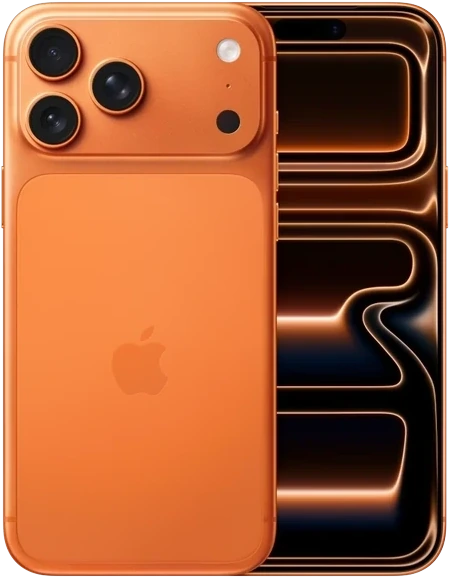
Reports suggest Apple has tested a notably large battery for its first foldable iPhone, and recent supplier information may point to two separate cells rather than a single slab pack. The final combined capacity and real-world endurance remain unconfirmed. Apple has not officially announced an “iPhone Fold” product name, battery capacity, battery chemistry, charging wattage, supplier arrangement, battery-life figures, final dimensions, or release timing.
Sizometry’s focus here is physical: what the rumored size and thinness imply for usable battery volume, two-display power demand, and everyday endurance. Size geometry is covered separately in iPhone Fold Size; calendar uncertainty is covered in iPhone Fold Release Date Rumors. This article focuses on the iPhone Fold battery story — capacity claims, packaging trade-offs, and charging expectations.
What the Latest Battery Report Actually Says
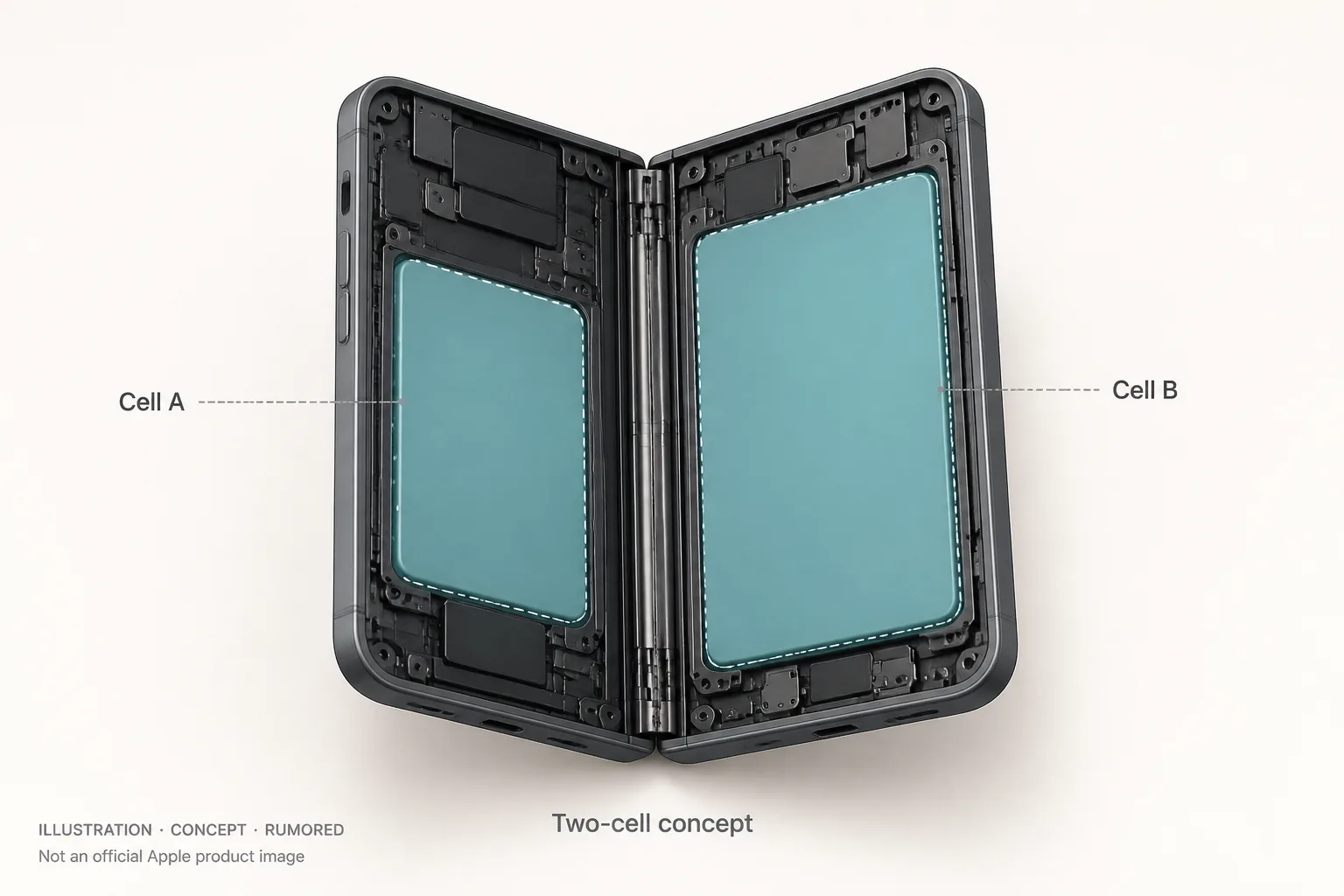
In July 2026, reporting based on a Chinese supply-chain leaker described two battery cells believed to be associated with Apple’s foldable iPhone and registered by a supplier. The reported rated capacities were about 1,921mAh and 2,962mAh. If those two figures are intended for the same production device and are meant to operate as a combined pack, the arithmetic minimum totals about 4,883mAh. The same coverage also cited a broader supply-chain prediction near 4,800–5,000mAh, still needing confirmation.
That is a useful clue, not a finished product sheet. A regulatory or supplier registration can reveal individual cell specifications. It does not, by itself, prove the retail marketed capacity, the chemistry, the final usable energy after system overhead, or whether both cells ship together in every regional configuration. Cell ratings, nominal capacity, rated capacity, combined capacity, prototype builds, and final usable capacity can all differ.
iOS 27 beta strings referring to multiple batteries are interesting context, but they do not identify the iPhone Fold or prove that the two reported registered cells belong to one retail device. Treat the registration story as recent supply-chain reporting: directionally interesting, still provisional.
The Rumored Capacity Range
Earlier reports suggested Apple tested a foldable battery in roughly the 5,400–5,800mAh class, with other claims pointing to around 5,500mAh or more and describing a pack potentially larger than any previous iPhone battery. Those were testing or leak claims, not settled specifications.
The July cell-registration story sits lower than that earlier testing band. That gap can mean several things without proving any one of them: Apple may have revised the chassis; earlier figures may have described engineering samples; rated and marketed numbers may be being compared incorrectly; or one of the rumor streams may simply be wrong. Prototype capacity ranges often move when final chassis thickness, hinge packaging, camera module volume, logic-board placement, thermal design, display hardware, weight targets, certification, or production yield change.
Sizometry’s analytical scenario — not a leak — is that a retail pack in a broad mid-to-high 4,000s to low-5,000s mAh neighborhood is currently more coherent with the July reporting than the older 5,400–5,800mAh testing band. The reported 4,883mAh figure remains unconfirmed and may reflect prototype or supply-chain information rather than a final retail specification. The iPhone Fold battery capacity remains unannounced.
For context, Sizometry’s catalog lists iPhone 17 Pro Max among the largest confirmed recent iPhone packs, while current book-style rivals sit near 4,800–5,015mAh typical depending on model. Paper comparisons only set the conversation; they do not decide endurance.
Explore device details
Why a Two-Cell Battery Would Make Sense
A book-style foldable is two thin chassis halves joined by a hinge. Battery volume often has to be split because there is no single deep slab cavity the way there is in a conventional iPhone. Placing cells in both halves is physically plausible: it can balance mass, use otherwise stranded area, and keep each panel from becoming a hollow shell around cameras and boards.
Unequal cell sizes — as in the reported 1,921mAh and 2,962mAh pair — would also be unsurprising. One half typically carries more camera, board, or antenna volume than the other, so the larger cell lands where packaging allows. Two cells can improve packaging flexibility, but they also add balancing, charging control, thermal, and longevity considerations that a single-cell phone does not have.
None of that proves Apple’s final architecture. It only explains why a two-cell design keeps appearing in foldable engineering discussions and why a supplier registration of two different cells is worth careful reading rather than automatic addition into a marketing headline.
How Thin Foldable Geometry Affects Battery Volume
This is where size analysis matters most. Sizometry’s current rumored form-factor picture for the foldable iPhone — detailed in the iPhone Fold size guide — points to a compact outer display around 5.5 inches, an inner display around 7.8 inches, unfolded thickness near the mid-to-high 4mm range, and folded thickness around 9–9.5mm. Treat every dimension as a rumor.
The engineering conflict is straightforward. The unfolded body may be exceptionally thin, yet the phone still has two chassis halves rather than one conventional slab. Each half must share space with displays, frame, hinge hardware, cameras, speakers, logic boards, cooling components, wireless charging hardware, and battery cells. A larger total footprint creates more potential battery area. Extreme thinness limits battery depth. The resulting pack can be broad and thin rather than conventionally thick.
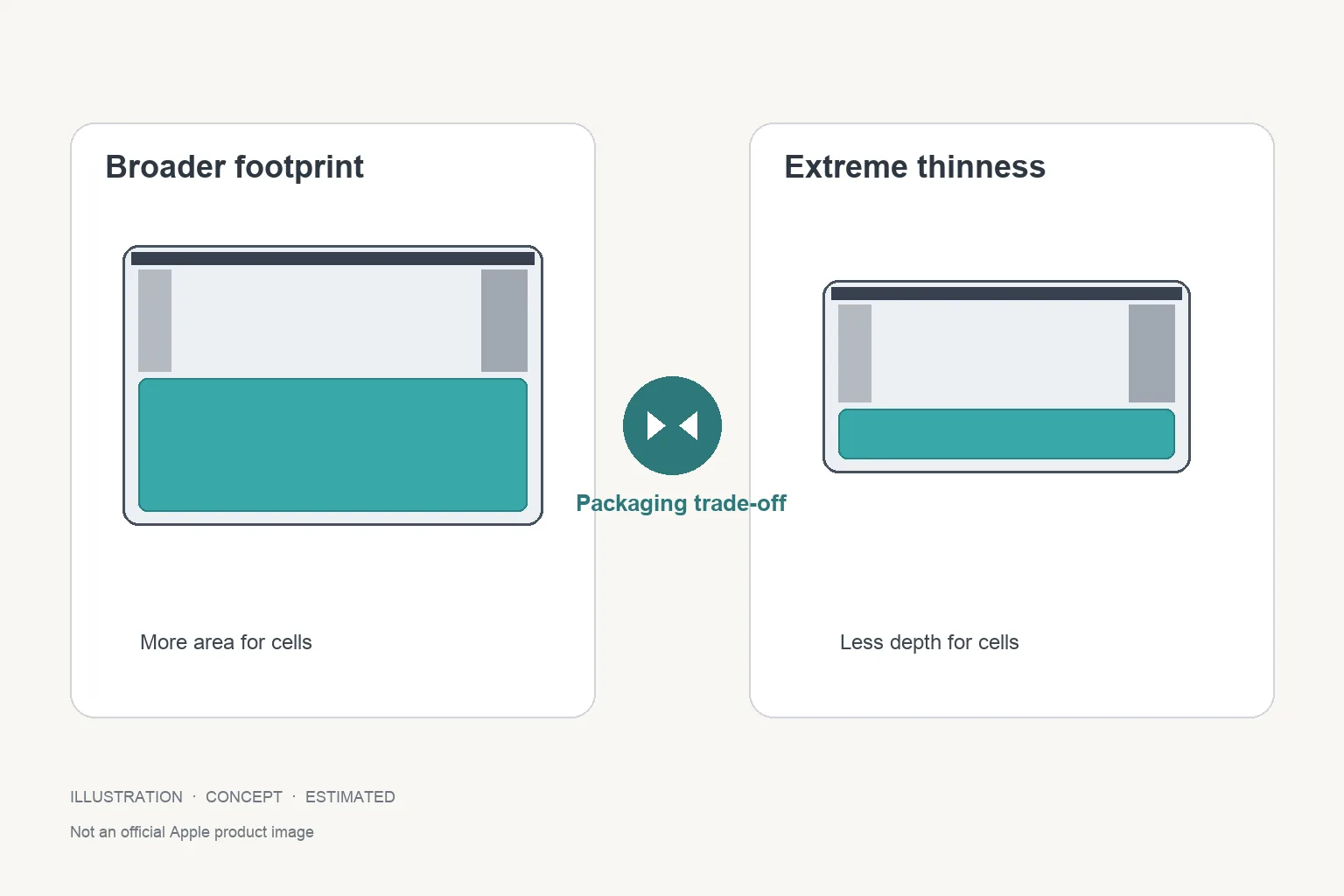
That is why a foldable can need a larger total battery than a normal iPhone even when each open half feels razor-thin. Two displays, hinge losses, and a less efficient cavity shape all push designers toward more milliamp-hours on paper. At the same time, a mid-4mm open target fights cell thickness. If Apple prioritizes open thinness and hinge packaging, capacity may land below the most aggressive early testing rumors even while remaining large by historical iPhone standards.
Sizometry does not claim access to internal CAD, supplier drawings, or exact internal volume. The useful conclusion is qualitative: rumored geometry supports a substantial split pack, while thinness caps how far that pack can grow.
Why Capacity Does Not Equal Battery Life
A larger mAh number does not automatically mean longer battery life. Real endurance depends on Apple silicon efficiency, modem efficiency, inner-display refresh-rate behavior, outer-display usage, OLED efficiency, brightness, multitasking, camera use, cellular conditions, thermal management, iOS optimization, standby behavior, and how apps scale on the larger canvas.
A phone that spends most of the day on a smaller cover display can stretch the same pack further than one that stays unfolded for bright video and dual apps. Heat can also tax endurance: a thin open panel has less thermal mass, so sustained loads may raise brightness and radio power in ways a milliamp-hour sheet never shows.
Treat capacity as the fuel tank and software-plus-hardware efficiency as the engine. Both matter. Only one is being argued about in current iPhone Fold battery rumors.
Battery Life When Folded Versus Unfolded
Practical expectations should be framed as scenarios, not stopwatch promises. No independent screen-on-time figures exist for a shipping Apple foldable.
Mostly folded use — messaging, calls, notifications, music, navigation checks, and short browsing on the outer display — may reduce time spent powering the large inner panel. That mode can look closer to a compact phone day if the cover is genuinely usable.
Mixed daily use is the more representative owner pattern: cover for quick tasks, inner display for reading, email, multitasking, and media. That mix should be the basis of any cautious battery-life discussion. Sizometry’s analysis suggests the device may target dependable all-day mixed use if capacity and efficiency land in the currently reported neighborhood — an analytical scenario, not a confirmed Apple target.
Heavy unfolded use — video, gaming, multitasking, editing, prolonged browsing, navigation, and high brightness on the inner display — will consume substantially more power. The larger OLED, higher sustained brightness outdoors, and longer active sessions make this the difficult workload for any book-style foldable.
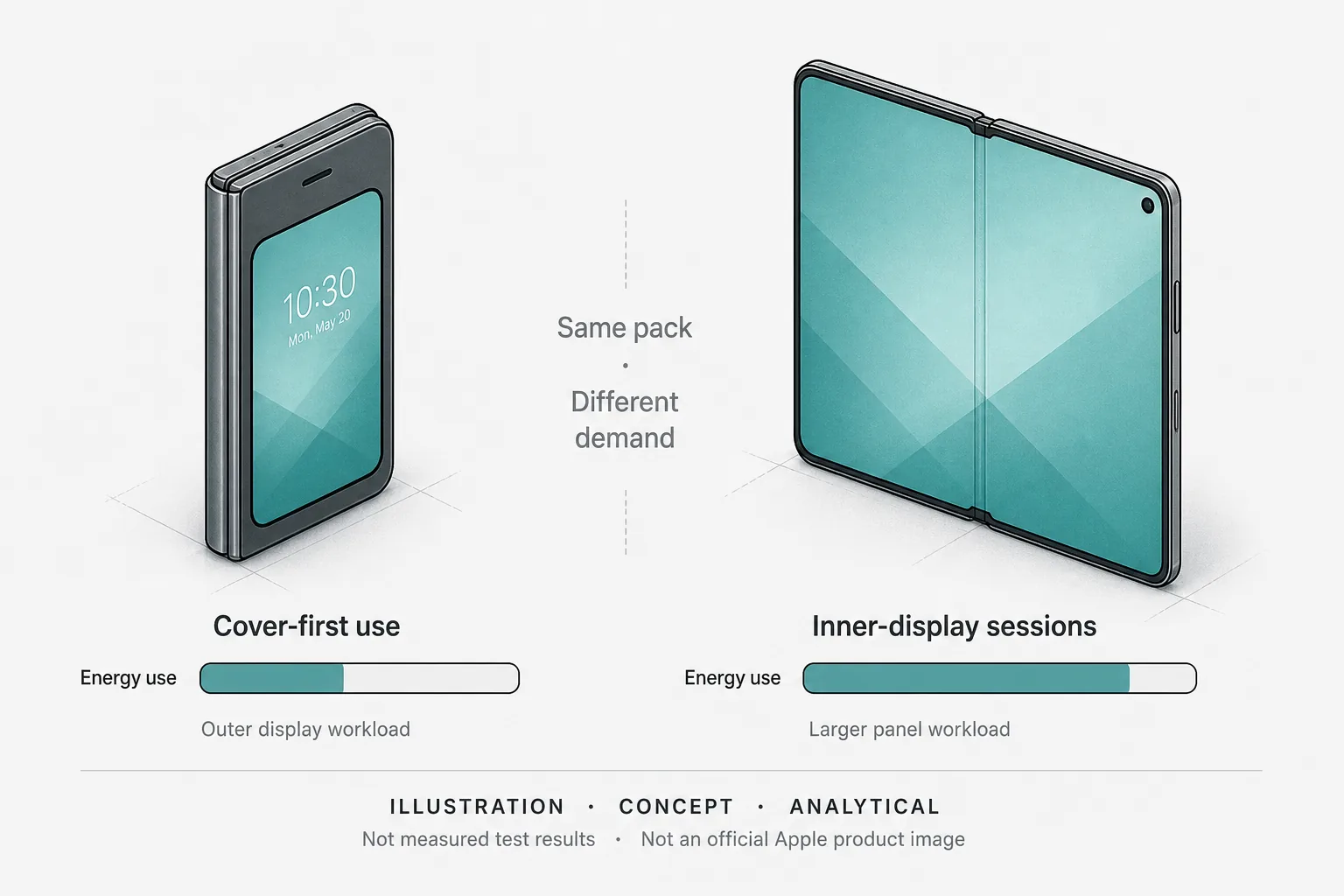
Avoid exact hour claims. The honest read is directional: cover-heavy days should be kinder; inner-display-heavy days will be the stress test.
How the iPhone Fold Battery Could Compare With Current Foldables
Paper capacity is only a starting point. Confirmed rivals already ship with known packs and charging ceilings; Apple’s foldable still does not.
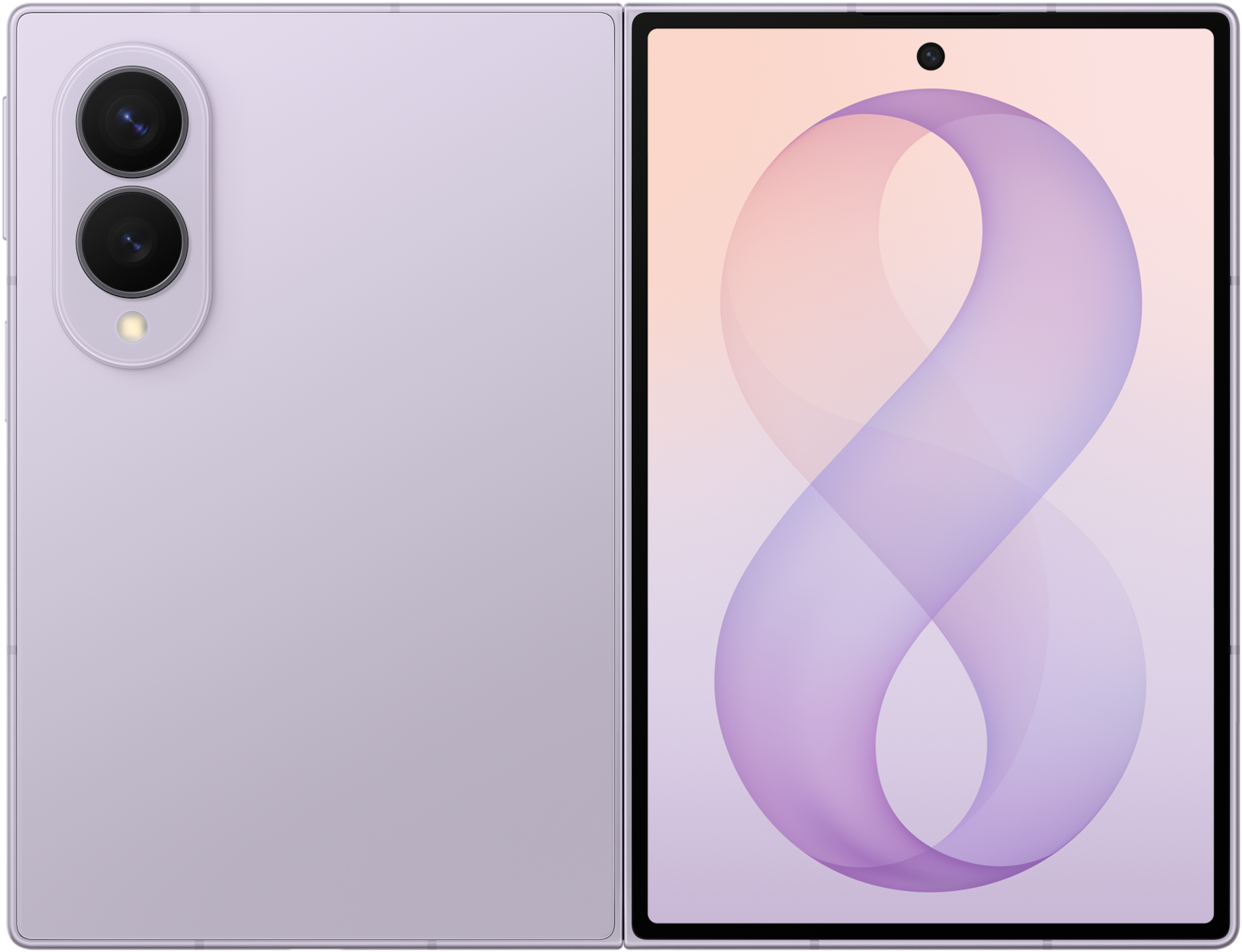
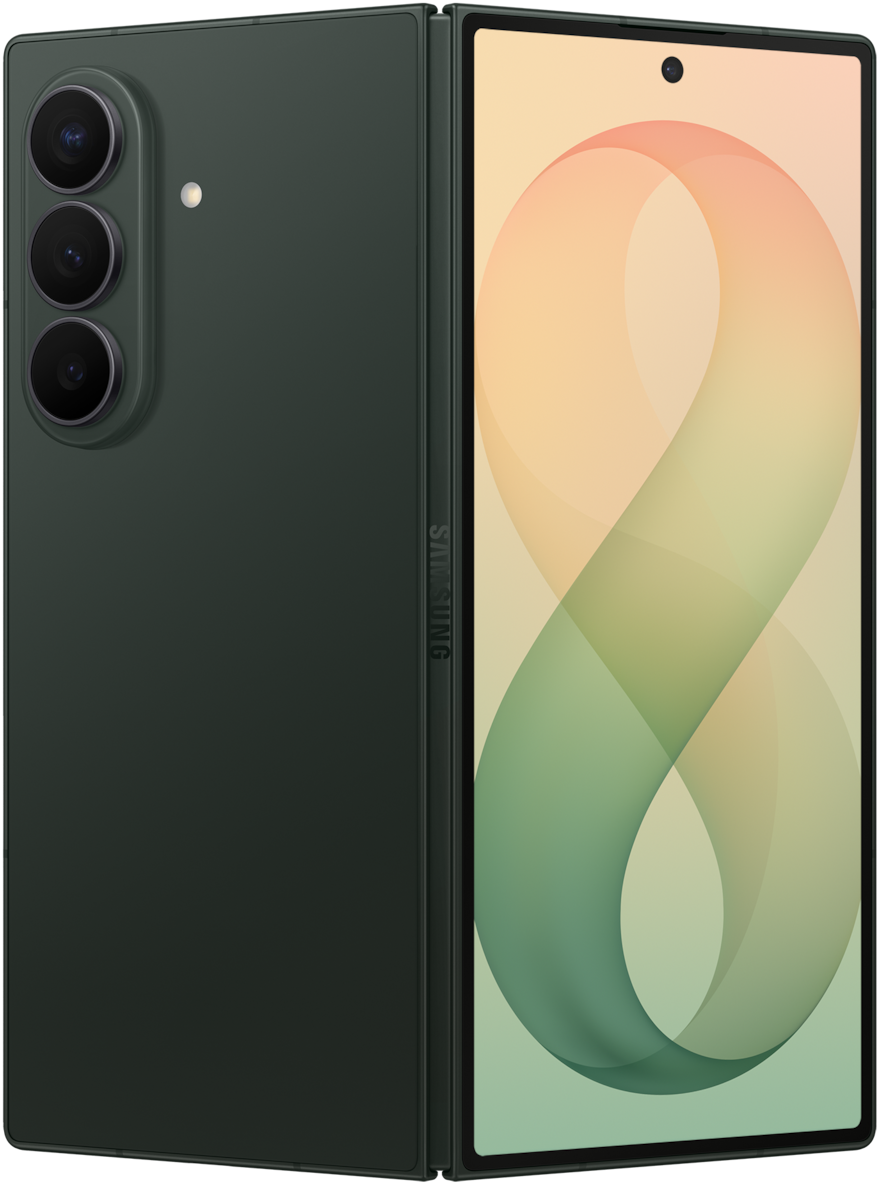
• Device — Battery capacity — Inner display — Folded / unfolded thickness — Charging — Status • iPhone Fold (rumored) — ~4,883mAh combined minimum rated capacity, if the two reported cells belong to one device; broader 4,800–5,000mAh talk also circulating; earlier testing claims were higher — ~7.8 in rumored — ~9–9.5 mm / mid-4 mm rumored — Wired and wireless watts not announced — Unconfirmed Apple reporting • Galaxy Z Fold8 — 4,800mAh typical (4,660mAh rated) — 7.6 in — 9.7 mm / 4.5 mm — 45W wired, 20W wireless — Official released product • Galaxy Z Fold8 Ultra — 5,000mAh typical (4,854mAh rated) — 8.0 in — 8.9 mm / 4.1 mm — 45W wired, 20W wireless — Official released product • Pixel 10 Pro Fold — 5,015mAh typical — 8.0 in — 10.8 mm / 5.2 mm — 30W wired, 15W Qi2 wireless — Official released product • HONOR Magic V5 — 5,820mAh typical — 7.95 in — 8.8 mm / 4.1 mm — 66W wired, 50W wireless — Official released product
A rumored Apple pack near the high-4,000s would sit close to Galaxy Z Fold8 on paper and below Pixel 10 Pro Fold and Magic V5, while earlier 5,400mAh-class testing claims would have looked more aggressive. None of those comparisons guarantee better or worse days. Display size, silicon, and software decide conversion. Use Sizometry’s Galaxy Z Fold8, Galaxy Z Fold8 Ultra, and Pixel 10 Pro Fold pages for confirmed baselines, and the Galaxy Z Fold8 vs iPhone 17 Pro Max comparison when you want a shipping foldable against a current large iPhone slab.
Charging and Wireless Charging Expectations
Apple has not confirmed wired charging speed for the foldable. Apple has not confirmed MagSafe or Qi2 implementation either. Any wattage invented for headlines should be ignored unless Apple publishes it.
A split-cell architecture could theoretically support charging behavior similar to other multi-cell devices, but that does not prove faster charging. Extreme thinness and heat concentration may constrain sustained charging power even if a peak number looks competitive on a slide. Wireless charging hardware also consumes valuable internal area and adds heat in a chassis that is already fighting for millimeters.
Apple’s recent thin-phone work has often prioritized temperature, battery health, and longevity over chasing the highest published wattage. That product philosophy may continue, but it remains inference rather than a foldable charging specification. No reliable report currently establishes reverse wireless charging for the device, a specific MagSafe wattage, or a fixed refill time.
Could Apple Use Newer Battery Chemistry?
Silicon-carbon batteries are increasingly relevant in competing thin foldables because they can improve energy density in shallow cavities. Samsung’s current Galaxy Z Fold8 family, for example, has been discussed around silicon-carbon chemistry alongside larger catalog packs than older Fold generations. That is an industry trend and a confirmed competitor path — not an Apple announcement.
Differentiate carefully:
• Industry trend — denser cells help thin foldables • Plausible engineering option — Apple could pursue higher-density cells • Apple-specific reporting — analyst notes have discussed high-density cells for the foldable without settling a public chemistry label • Confirmed product specification — none from Apple yet
An industry trend is not an Apple leak. Chemistry, cycle life, charging behavior, and safety validation all remain unknown for the rumored foldable iPhone battery.
What Remains Unknown
Still unknown in public:
• official product name • final combined battery capacity and Apple’s marketed capacity labeling • whether the registered cells map 1:1 to the retail pack • battery chemistry • wired and wireless charging wattage • MagSafe or Qi2 behavior • official battery-life claims • final folded and unfolded dimensions • weight • thermal and charging curves under sustained load • release and supply timing
Until Apple publishes a specification sheet, every milliamp-hour and watt figure in circulation is provisional.
Sizometry Analysis
Officially confirmed: Apple has not announced a foldable iPhone battery story of any kind.
Recent supply-chain reporting: two cells near 1,921mAh and 2,962mAh have been discussed as supplier registrations tied to the foldable project, with combined-minimum talk near 4,883mAh and a wider 4,800–5,000mAh supply-chain band.
Earlier capacity claims: testing talk in the 5,400–5,800mAh class and “largest iPhone battery” framing should stay labeled as earlier claims from a different reporting stage — not as a settled prior retail specification.
Physical-size reading: rumored short-wide geometry with a large inner display and mid-4mm open thinness supports a broad, shallow, likely split pack. That geometry explains both the need for a large total battery and the difficulty of hitting the most aggressive early capacity rumors.
Endurance reading: capacity is necessary but not sufficient. Mixed cover-and-inner use is the realistic yardstick; heavy inner-display days remain the harder case.
Bottom Line
The current iPhone Fold battery picture is a two-cell packaging story under thin-foldable constraints, not a finished Apple endurance claim. Recent reporting points to a substantial pack that may land below the highest early testing rumors while still competing in the same capacity neighborhood as current book-style foldables. Real battery life will hinge on display behavior and silicon efficiency as much as on the milliamp-hour headline.
Sizometry’s view: believe the physical need for a large, likely split battery; treat registered cell math as a clue rather than a retail spec; and wait for Apple’s own numbers before ranking foldable iPhone battery life against Galaxy Z Fold8 or Pixel 10 Pro Fold.
Frequently Asked Questions
What battery capacity is rumored for the iPhone Fold? Recent supplier-linked reporting discusses two cells near 1,921mAh and 2,962mAh — about 4,883mAh combined if both belong to one pack — plus broader talk near 4,800–5,000mAh. Earlier testing claims pointed higher. Apple has not published a capacity.
Is the reported battery capacity confirmed? No. The reported 4,883mAh figure remains unconfirmed and may reflect prototype or supply-chain information rather than a final retail specification.
Why might the iPhone Fold use split battery cells? A book-style hinge interrupts a single deep battery cavity, so two cells across both halves are a common packaging response. Recent registration reporting also discusses two cells, but the dual-cell retail design remains unconfirmed.
Will the larger inner display reduce battery life? Prolonged bright unfolded sessions usually draw more power than cover-first messaging and notifications. Exact drain rates are unknown.
Could the iPhone Fold last a full day? No confirmed battery-life figures exist. Dependable mixed-use days are a reasonable analytical target if capacity and efficiency land near current reporting, while heavy inner-display use should remain harder. That is analysis, not an Apple promise.
Will it charge as fast as current iPhones? Apple has not confirmed wired charging speed for the foldable. Extreme thinness and heat concentration may constrain sustained charging power even if a peak number looks competitive later.
Will it support MagSafe or wireless charging? Apple has not confirmed MagSafe or Qi2 for the foldable. Wireless charging hardware is plausible in a premium iPhone, but wattage and accessory behavior remain unannounced.
Could it support reverse wireless charging? No reliable report currently establishes reverse wireless charging for the device.
How might its battery compare with Galaxy Z Fold8? Galaxy Z Fold8 is an official released product with a confirmed catalog pack near 4,800mAh typical. A rumored Apple pack near the high-4,000s would sit close on paper, but paper capacity does not settle real-world endurance.
When will Apple confirm the battery specifications? Likely only when Apple announces the product and publishes official specs. Until then, treat every capacity and charging claim as provisional.
This information has not been confirmed by the manufacturer.