Insights
RUMOR
Rumor
iPhone Fold Camera Rumors: How Thinness Could Shape Apple’s Camera System
iPhone Fold camera rumors examined as an engineering problem — how thin foldable halves, hinge volume, battery competition and folded use could shape Apple’s first foldable camera system. Still unconfirmed by Apple.
The most important iPhone Fold camera question is not lens count by itself. It is how Apple could fit a premium imaging system into two unusually thin chassis halves, around a hinge that occupies the central spine, beside split battery volume, with limited stabilization travel, on a device expected to work as both a folded phone and an unfolded tablet-like preview surface.
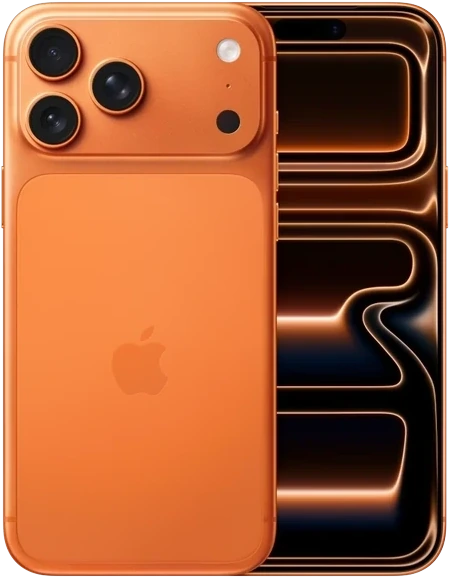
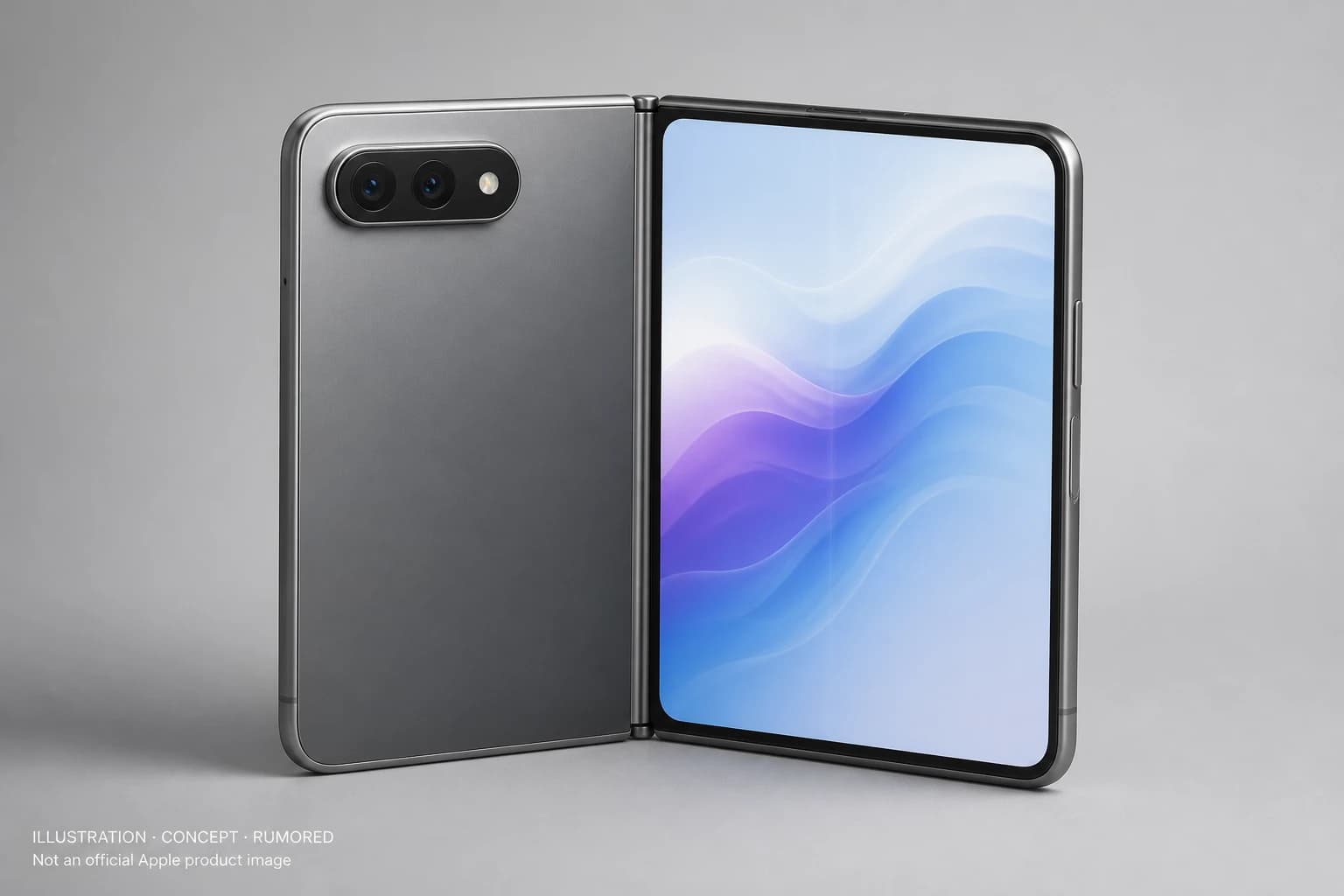
The strongest current reporting associated with Jeff Pu describes a dual rear system commonly framed as a main camera plus an ultra-wide, without a dedicated telephoto in that stream. Apple has not announced a foldable iPhone camera system, and no public Apple specification establishes rear-camera count, sensor sizes, apertures, focal lengths, zoom range, stabilization details or front-camera arrangement.
Detailed chassis dimensions are covered separately in iPhone Fold Size. Panel behavior and inner-camera display effects are covered in iPhone Fold Display Rumors. Battery-volume competition is covered in iPhone Fold Battery Rumors. Hinge architecture is covered in iPhone Fold Hinge Rumors. Sealing, drops and long-term wear are covered in iPhone Fold Durability Rumors. Launch timing is covered in iPhone Fold Release Date Rumors.
What Current Camera Reporting Suggests
The available reports are not one unified camera specification and should be read as separate sourcing streams.
Coverage associated with Jeff Pu has described a dual rear camera layout — commonly interpreted as a main camera and an ultra-wide — without a dedicated telephoto module. Some of that coverage also circulates resolution figures for those modules. Those figures remain attributed analyst notes rather than a finished Apple camera sheet. No credible public source has established the final megapixels, apertures or sensor models.
Separate industry analysis has framed telephoto omission as a packaging response: long optical paths compete with hinge clearance, battery depth and the thin open half that carries the rear modules. That is engineering interpretation around the dual-camera reports, not independent confirmation of a finished bill of materials.
Front-camera reporting is a different stream. Some notes discuss a cover-display camera for folded use. Others discuss a second inward-facing camera for the open canvas. Separate commentary raises a possible under-display inner camera. Under-display placement remains one possible design path rather than a settled specification.
A further forecast stream — distinct from the Jeff Pu dual-rear note — has raised questions about simplified stabilization hardware or trimmed depth-sensing modules. That detail cannot yet be verified. Lower-level supply-chain and social reporting has also discussed module counts and camera-island shapes, but those details remain less consistent than the broader dual-camera claim. Korean industry notes have more often focused on display supply and hinge manufacturing than on a finished camera bill of materials. Publicly cited Kuo reporting has focused more heavily on form factor and launch planning than on a complete lens-by-lens camera specification.
Why Foldable Camera Packaging Is Difficult
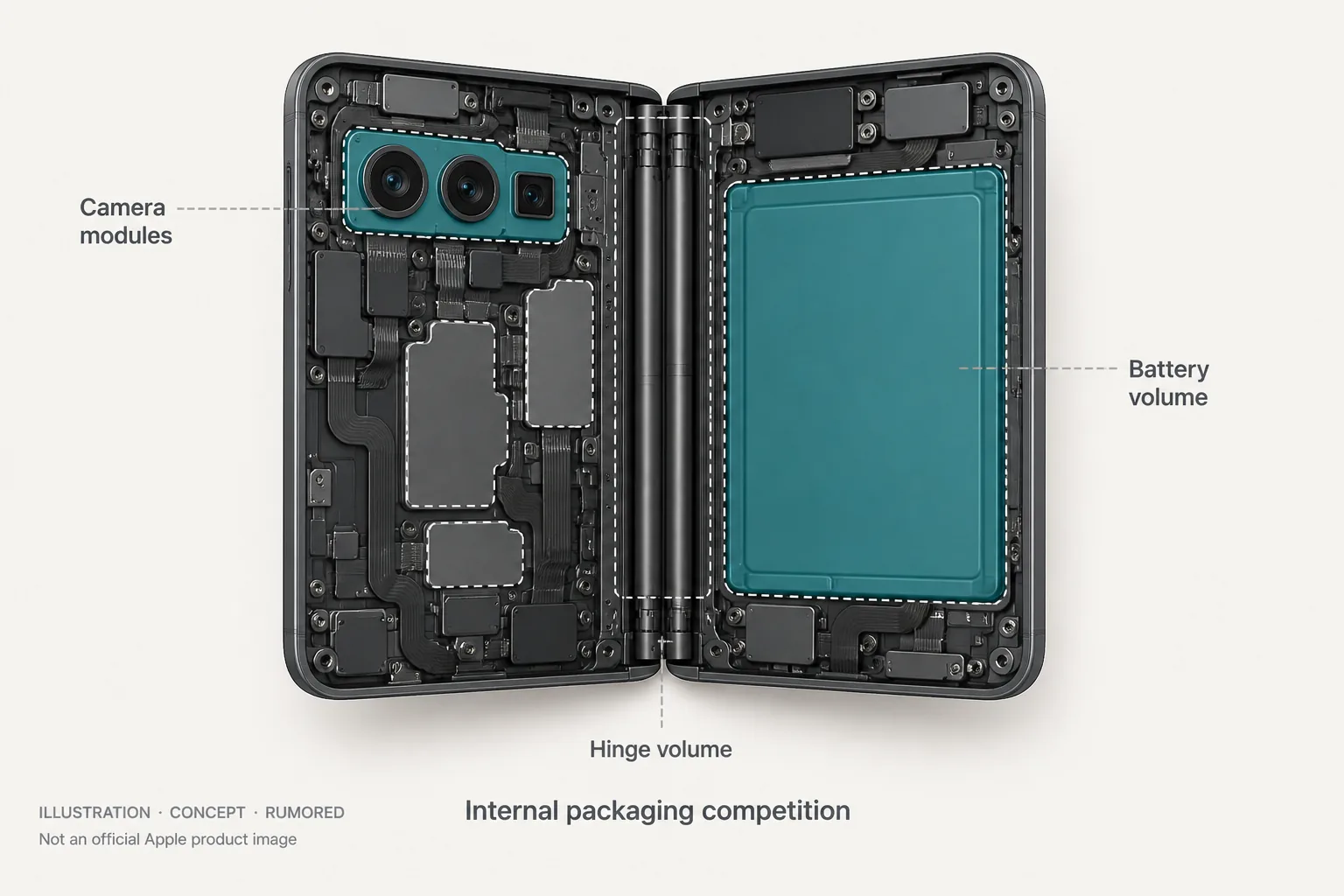
A conventional iPhone packs cameras into one deep cavity behind a single display. A book-style foldable divides hardware across two thin halves joined by a moving hinge. Rear cameras usually live in one half. That half still shares depth with a display stack, frame rails, autofocus actuators, stabilization hardware, battery cells, logic boards, speakers, antennas, thermal paths and hinge-side cable routing.
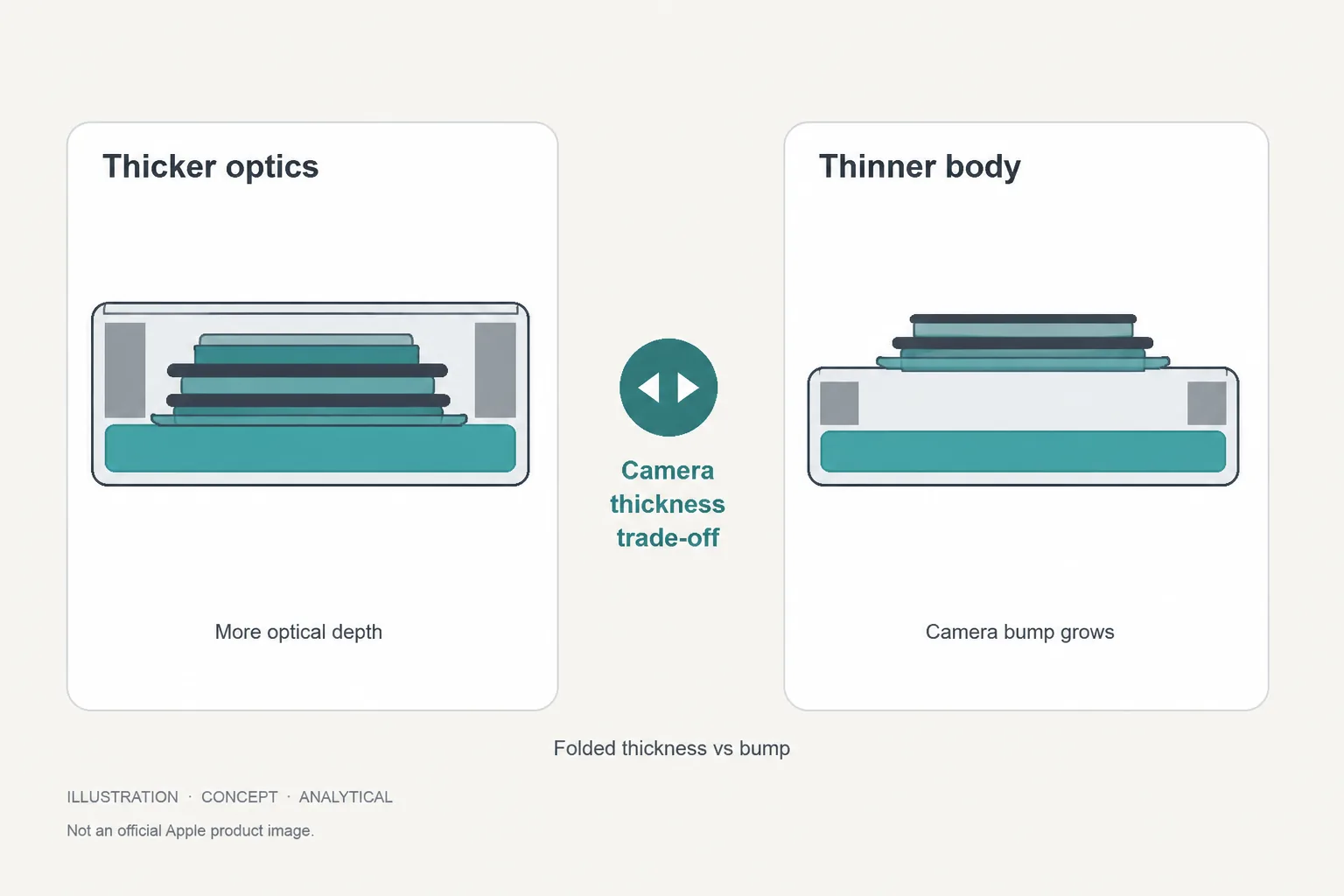
Camera-module depth is not simply sensor thickness. It includes the lens stack, focus travel, stabilization movement, structural clearance, module housing, protective cover glass, and board and connector space. If separate size reporting about a sub-5 mm unfolded body proves accurate, the camera-bearing half would have very little depth available before the external camera island is added. Detailed chassis figures are covered in the size guide; hinge volume itself is covered in iPhone Fold Hinge Rumors.
Designers then choose among shrinking optics, raising a camera bump, moving mass to the other half, simplifying stabilization travel, or dropping a module entirely. That packaging contest is why foldable cameras are harder than a slab flagship of similar price.
The Main Camera: What Apple Would Need to Protect
If Apple positions the foldable as a premium iPhone, the main camera remains the everyday anchor: autofocus reliability, low-light capture, motion handling, color consistency, video stability, skin tones, HDR behavior and a useful everyday focal length. Recent iPhones have generally emphasized cross-lens color consistency, multi-frame processing and dependable video behavior. Owners will judge the foldable against that standard more than against any single megapixel headline.
A larger sensor can improve light gathering, but it also increases lens diameter, module depth, stabilization space, camera-bump height and battery displacement. A foldable camera can preserve flagship image quality without using the largest possible sensor, provided the main module, optics, stabilization and processing are balanced around the available volume. That is Sizometry analysis, not a leak. Protecting main-camera consistency may matter more than chasing a headline sensor that forces a taller island or crowds the battery well discussed in iPhone Fold Battery Rumors. No public specification exists for the rumored main module’s size, aperture or stabilization architecture.
The Ultra-Wide Camera Becomes More Important Without Telephoto
If dual-camera reporting is correct, the ultra-wide would carry more system responsibility than it does on a triple-camera phone. It would need to support architecture, interiors, landscapes, group shots, close-range framing, video perspective changes and continuity with the main camera. Macro behavior would matter only if the hardware supports it; current reporting does not establish that feature set.
Realistic trade-offs in this category often include a smaller sensor, weaker low-light performance, edge softness after correction, distortion remapping, autofocus limitations, color-mismatch risk and reduced detail after geometric correction. Computational correction can improve geometry, color matching, local contrast and multi-frame detail, but it cannot replace captured light, optical resolving power or physical focus capability. If the dual-rear stream holds, a weak ultra-wide becomes more costly because no dedicated telephoto would share the versatility job.
Why a Dedicated Telephoto May Be Difficult
Dedicated telephoto modules are where foldable packaging becomes unforgiving. A conventional upright telephoto needs optical depth along the thickness axis, which can increase bump height and may need optical-image-stabilization clearance. A folded periscope telephoto folds the optical path laterally with a prism or mirror, consuming board and battery area while still needing actuator and stabilization space. Both approaches cost volume; they simply spend it on different axes.
Omission could protect body thinness, battery volume, weight balance, camera-island size and internal board space. Reporting associated with a dual-rear layout points toward a generation-one system without a dedicated telephoto, but Apple has not disclosed the final camera array. If a dedicated telephoto is absent, zoom behavior would depend on main-sensor resolution, lens sharpness, processing, lighting, motion and output size — none of which Apple has published for this device.
Stabilization, Sensor Shift and Module Depth
Mechanical stabilization is one of the easiest packaging costs to underestimate. Phones use lens-based optical stabilization, sensor-shift stabilization, electronic stabilization, or combinations of those approaches. Current reporting does not establish which architecture Apple would use on a foldable.
Mechanical systems need movement clearance, actuators, suspension, magnetic components, module rigidity and calibration. Limited depth can constrain movement range, module size, lens position, heat, power and impact tolerance. Electronic stabilization can help video through sensor crop, motion estimation and frame processing, sometimes reducing field of view, but it cannot fully replace optical stabilization for every still or low-light scenario.
Some reporting has raised the possibility of simplified stabilization hardware, but no final implementation has been established. Every millimeter reserved for float travel is unavailable to battery cells, hinge reinforcement or a second rear optic.
Camera Bump, Balance and Folded Usability
A thin body does not eliminate camera thickness; it can relocate that thickness into a more prominent external island. Body thickness excluding the bump can look impressive on a specification sheet while pocket feel, table rocking and fabric catch points follow the island.
Asymmetric weight matters as much as protrusion. Dense modules tend to cluster away from the hinge corridor, concentrating mass on the camera half and changing one-handed folded shooting, unfolded balance and cover-display viewfinder use. Local frame reinforcement around a heavy camera module is common in the category; it does not prove a finished Apple island shape. Apple has announced neither island geometry nor protrusion height. Broader drop, sealing and long-term wear questions are covered in iPhone Fold Durability Rumors.
Cover and Inner Selfie Cameras
Selfies on a book-style foldable are two use cases, not one shared camera story. A cover camera would support quick calls, messaging, folded selfies and everyday closed use. An inner camera would support video calls on the large display, group framing, landscape orientation, open-device content creation and productivity calls. The two cameras may serve different image-quality priorities if both ship.
Current reporting does not establish Face ID arrangement, Center Stage behavior, resolution, autofocus, aperture or video modes for either front camera. Owners who stay closed most of the day will judge the cover camera first; owners who create on the inner canvas will judge preview size, cutout distraction and whether the open surface stays clean enough for reading and media.
Under-Display Camera Trade-Offs
Some rumor streams discuss a possible under-display camera beneath the inner panel. Other packaging paths remain possible, including a conventional cutout. Apple-specific placement remains unresolved.
Potential benefits include an uninterrupted inner canvas, fewer visible cutouts, and cleaner full-screen media and reading. Costs can include reduced light transmission, local pixel-density compromises, color and brightness inconsistency, flare or haze, reconstruction artifacts, weaker low-light quality and a visible patch under certain backgrounds. Current implementations generally trade some optical efficiency for visual continuity, although performance varies by panel and processing. Panel-uniformity effects are covered in iPhone Fold Display Rumors.
Rear-Camera Selfies and Foldable Shooting Modes
Foldable cameras are not only a lens-spec comparison. Released foldables already demonstrate that the outer display can become a secondary viewfinder for rear-camera selfies, group shots, tabletop capture, remote preview and hands-free framing when the device is open or partially open. Higher-quality rear modules can then serve portrait and group work that a cover selfie camera cannot match. Apple has announced no equivalent software behavior.
That possibility matters if the rear array is simpler than camera-first rivals: foldable-native preview modes can add practical value without another rear lens, while also exposing bump and balance issues during tabletop or one-handed open shooting. Current reporting does not establish mode names, gesture shutters or auto-framing features for an Apple foldable.
Computational Photography and Lens Consistency
Recent iPhones already show what processing can improve: color matching, HDR, noise reduction, motion handling, distortion correction, detail fusion, video stabilization, skin-tone consistency and transitions between lenses. On a foldable with tougher hardware packaging, that software layer becomes more important, not less. Processing cannot fully replace optical reach, captured light, lens resolving power, physical depth of field, stabilization travel or autofocus hardware.
If the first iPhone Fold uses a simpler rear array, Apple may emphasize consistency and processing quality rather than the widest possible range of focal lengths. That is Sizometry analysis, not reporting.
Comparison With Current Foldables
Compare hardware breadth and packaging priorities, not imaginary winners. Rival figures below come from official released products; Apple’s foldable remains unconfirmed.
• Device — Main camera — Ultra-wide camera — Dedicated telephoto — Cover camera — Inner camera — Product status • iPhone Fold — Reported, not confirmed — Reported, not confirmed — No dedicated module in one analyst report; unconfirmed — Unannounced — Possible; placement unresolved — Unconfirmed Apple reporting • Galaxy Z Fold8 — 50 MP wide with OIS — 50 MP ultra-wide — None dedicated — 10 MP — 10 MP — Official released product • Galaxy Z Fold8 Ultra — 200 MP wide with OIS — 50 MP ultra-wide — 10 MP with 3x optical zoom and OIS — 10 MP — 10 MP — Official released product • Pixel 10 Pro Fold — 48 MP wide with OIS — 10.5 MP ultra-wide with Macro Focus — 10.8 MP with 5x optical zoom and OIS — 10 MP — 10 MP — Official released product • HONOR Magic V5 — 50 MP wide with OIS — 50 MP ultra-wide — 64 MP periscope with 3x optical zoom and OIS — 20 MP — 20 MP — Official released product • OPPO Find N5 — 50 MP wide with OIS — 8 MP ultra-wide — 50 MP telephoto with OIS — 8 MP — 8 MP — Official released product
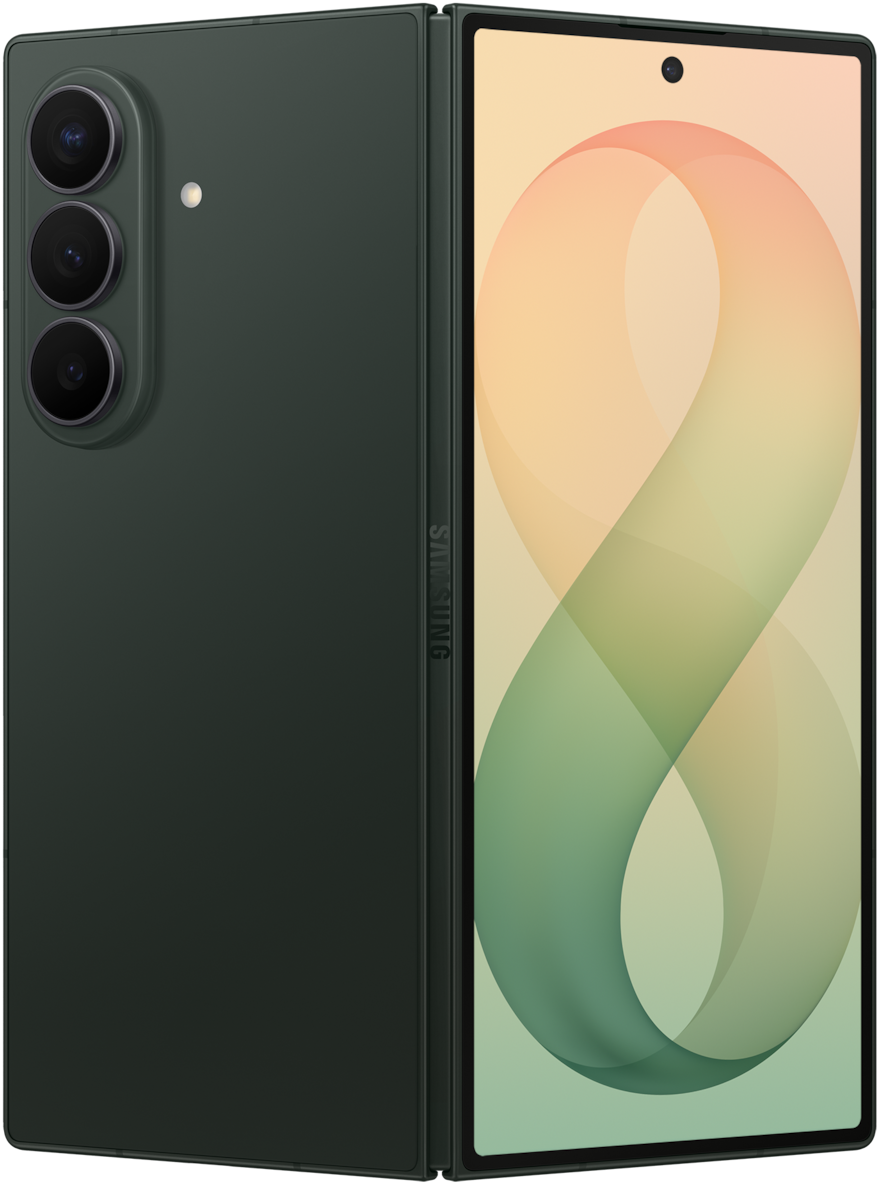
A main-camera crop is not a dedicated telephoto camera. Samsung’s Fold8 family shows that distinction: Fold8 ships a dual-rear system, while Ultra keeps a dedicated 3x telephoto.
What Current Foldables Reveal About Camera Priorities
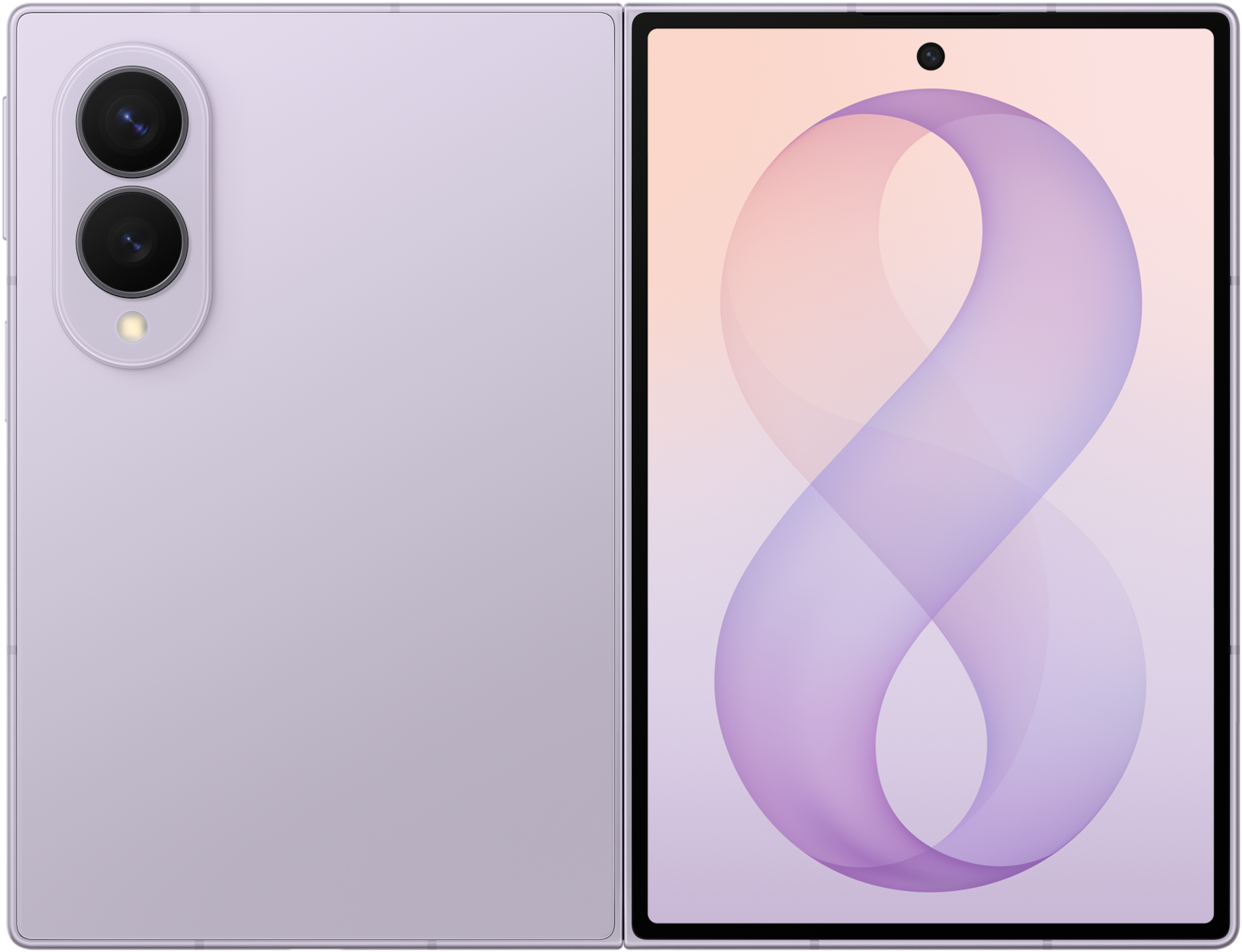
Lens count and megapixels describe hardware breadth, not final image quality. Galaxy Z Fold8 protects a simpler dual-rear layout. Galaxy Z Fold8 Ultra keeps high-resolution stills plus optical telephoto reach. Pixel 10 Pro Fold pairs a dedicated 5x telephoto with a computationally focused system. HONOR Magic V5 keeps periscope hardware in a thin open body, while OPPO Find N5 pairs a 50 MP telephoto with OIS in a similarly thin package — both accepting camera-island and board-area trade-offs.
A dedicated telephoto increases focal-length flexibility. A strong main camera improves everyday consistency. Ultra-wide quality matters more when no telephoto exists. Software and processing affect output, and independent testing is required for final rankings. If dual-rear reporting around Apple’s first foldable is accurate, the rumored system would sit closer to protecting thinness and processing consistency than to maximizing optical breadth.
Use Sizometry’s Galaxy Z Fold8, Galaxy Z Fold8 Ultra, Pixel 10 Pro Fold, HONOR Magic V5 and OPPO Find N5 pages for confirmed baselines, and Galaxy Z Fold8 vs Galaxy Z Fold8 Ultra when comparing dual-rear simplification with triple-camera ambition inside one brand.
Explore device details
Camera packaging becomes easier to understand when body thickness, folded depth and camera-side geometry are viewed at scale. Open the iPhone Fold and Galaxy Z Fold8 in Sizometry’s comparison tool to compare the reported chassis proportions.
What Remains Unknown
Unresolved questions group cleanly.
Rear camera hardware: final camera count, main and ultra-wide sensors, telephoto presence, apertures, focal lengths, autofocus, stabilization and zoom.
Front cameras: cover and inner hardware, under-display placement, autofocus and video-call behavior.
Physical design: island shape, bump height, module placement, balance and reinforcement.
Software: rear-camera selfie preview, tabletop shooting, folded/unfolded continuity, computational features and video modes.
Sizometry Analysis
Officially confirmed
Apple has not announced a foldable iPhone or a camera specification for one.
Current reporting
One analyst stream associated with Jeff Pu describes a dual rear layout commonly framed as main plus ultra-wide, without a dedicated telephoto in that stream. Separate streams discuss possible cover and inner cameras, with under-display inner placement still unresolved. Separate uncertainty remains around stabilization hardware and module trimming.
Sizometry engineering analysis
This final section is editorial engineering analysis, not leak reporting. Thin chassis depth raises the cost of large sensors and long optics. Telephoto modules compete with battery and board area. Stabilization needs movement clearance. A camera bump can recover depth but worsens folded feel and balance. Ultra-wide quality becomes more important if telephoto is absent. Foldable-specific rear-camera selfie modes could add value without adding lenses. Apple may prioritize consistency and processing over maximum optical breadth on generation one — a coherent response to the same packaging budget that shapes the battery and display stories, not confirmed hardware.
Bottom Line
The most credible iPhone Fold camera story is not simply that Apple may use two rear cameras. It is that an unusually thin foldable body would force Apple to decide which capabilities deserve scarce depth, battery volume and clearance.
A strong main camera is likely to matter most. Ultra-wide quality becomes more important if no telephoto ships. A dedicated telephoto would create major packaging costs. Stabilization and bump design may matter as much as megapixels. Preview modes could add value without another rear lens.
The reported dual-camera direction is physically coherent but unconfirmed. Final judgment needs Apple’s specifications, independent samples and testing.
Frequently Asked Questions
How many rear cameras could the iPhone Fold have? Coverage associated with Jeff Pu describes a dual rear layout commonly framed as main plus ultra-wide. Other configurations remain possible until Apple publishes a specification.
Will the iPhone Fold have a telephoto camera? That dual-rear reporting stream does not include a dedicated telephoto. Apple has not disclosed the final camera array.
Why might Apple omit a telephoto lens? Upright and periscope telephoto modules consume thickness, board area, battery volume or bump height. Omitting one could protect thinness and balance, but omission is not confirmed.
Will the iPhone Fold match iPhone Pro camera quality? Packaging is harder on a thin foldable than on a Pro slab. Processing consistency could narrow some gaps; it cannot erase every optical limit. No ranking is possible without official specs and independent samples.
Will the main camera have optical image stabilization? No stabilization architecture has been confirmed. Mechanical stabilization requires module space and clearance, which is scarce in a thin foldable half.
Could the iPhone Fold use an under-display camera? Some rumor streams discuss a possible under-display camera on the inner panel. Under-display placement remains one possible design path rather than a settled specification.
Could the outer screen work as a rear-camera viewfinder? Released foldables already use the cover screen as a rear-camera preview, but Apple has announced no equivalent mode.
Will the iPhone Fold have a large camera bump? A bump can recover optical depth that the thin body removes. Apple has announced neither island geometry nor protrusion height.
How could its cameras compare with the Galaxy Z Fold8 Ultra? Galaxy Z Fold8 Ultra is an official released product with a confirmed camera system, while the iPhone Fold camera array remains based on reporting.
How could its cameras compare with the Pixel 10 Pro Fold? Pixel 10 Pro Fold is a released product with a confirmed dedicated telephoto and computational-photography system, while Apple’s implementation remains unresolved.
This information has not been confirmed by the manufacturer.