Insights
GUIDE
Confirmed
Galaxy Z Fold 8 vs iPhone 17 Pro Max: Size and Daily Use
Compare the Galaxy Z Fold 8 and iPhone 17 Pro Max by size, thickness, weight, portability, displays, multitasking, and everyday usability.
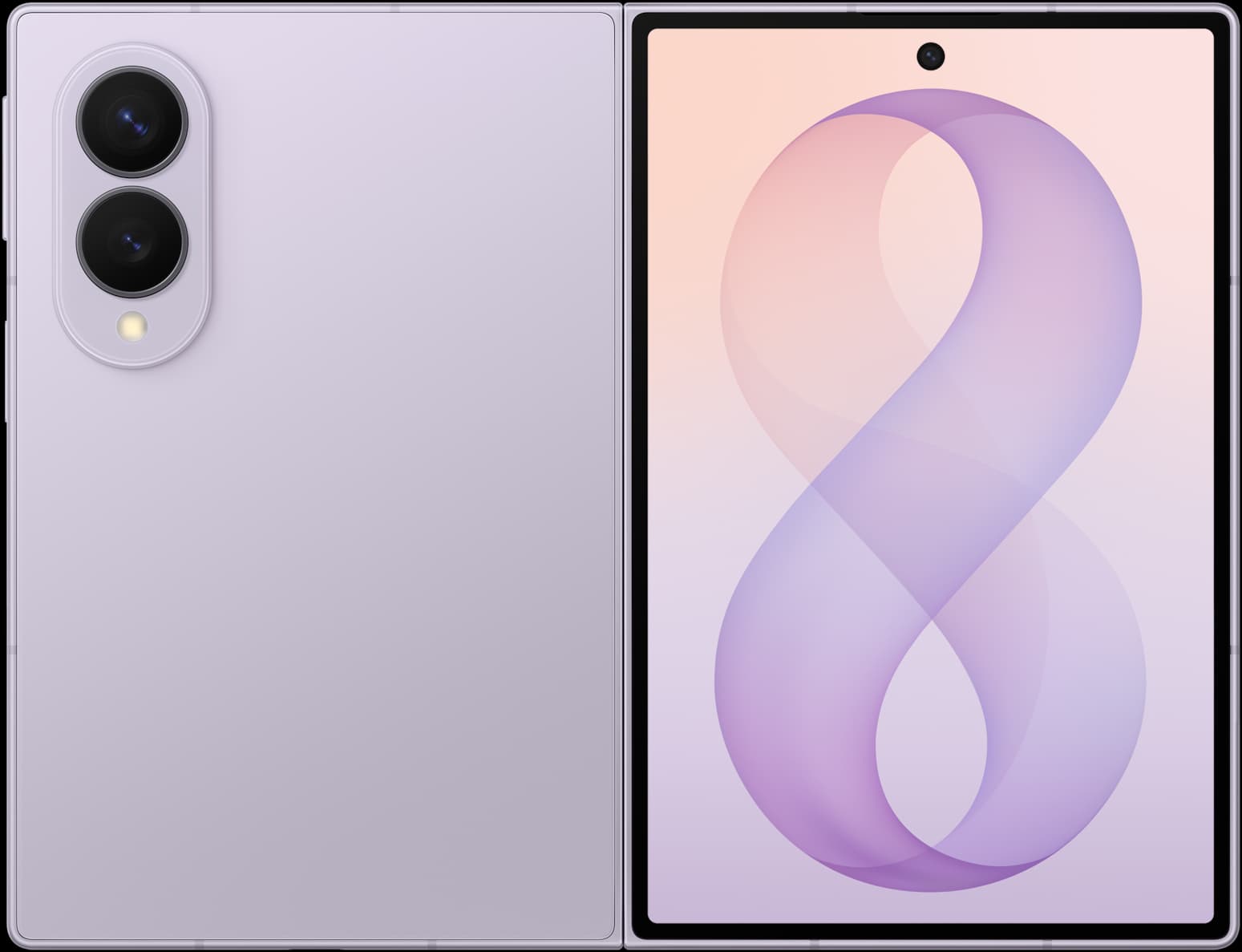
Size comparison at a glance
Fold 8 vs iPhone Pro Max size starts with two different geometries.
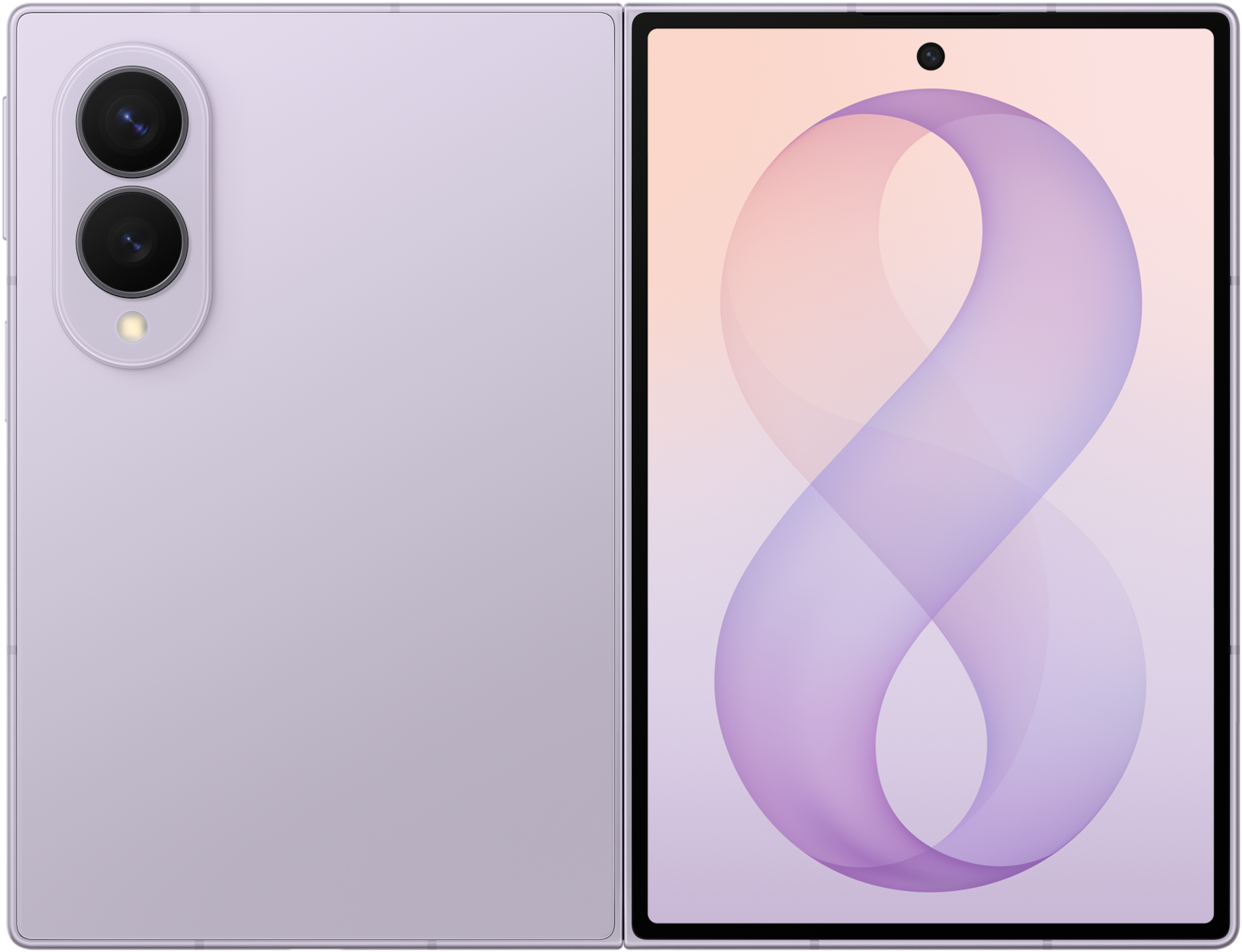
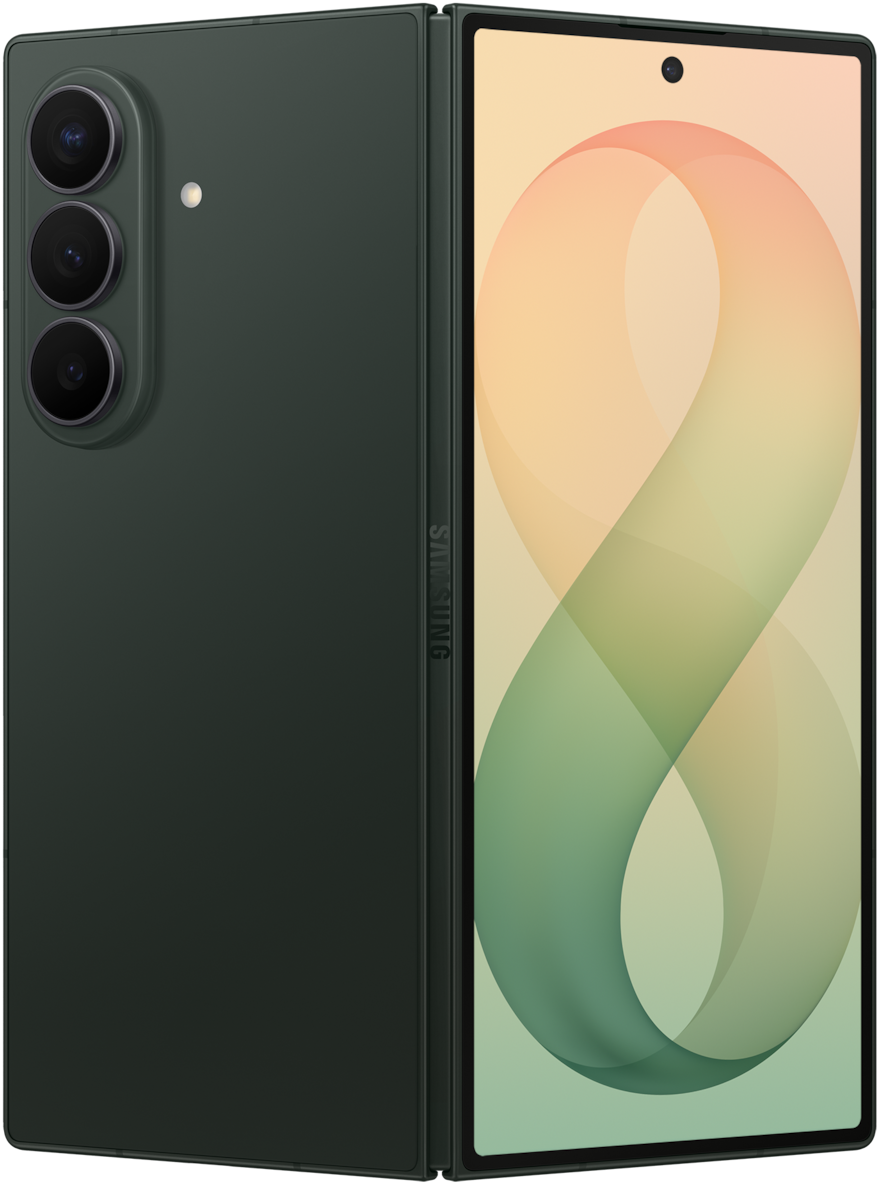
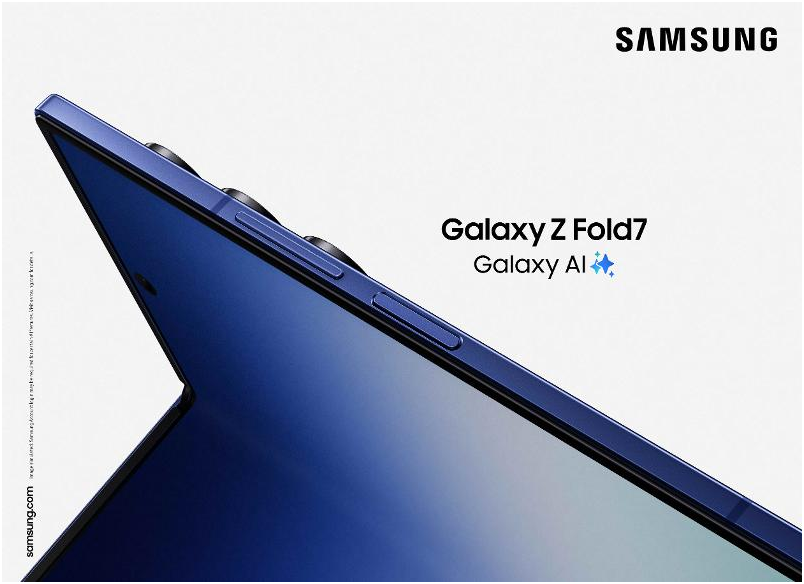
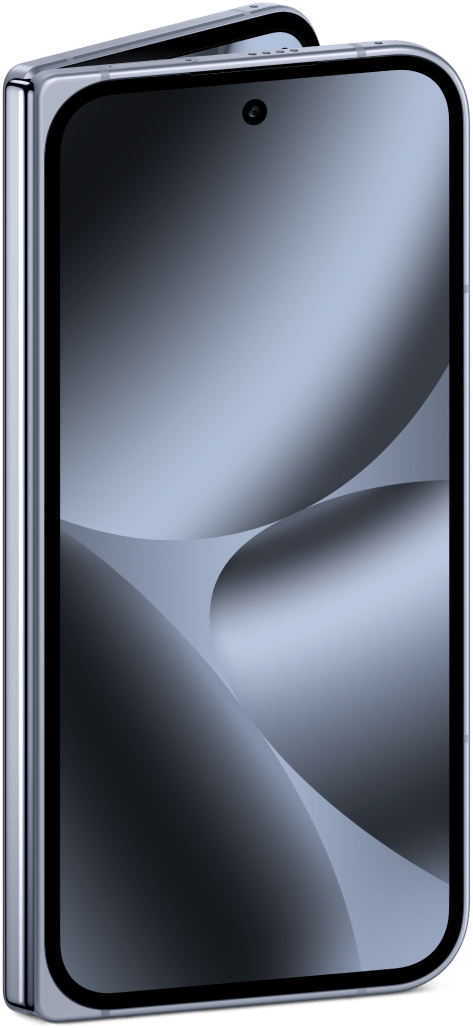
Galaxy Z Fold8 measures 81.9 × 123.9 × 9.7 mm folded and opens to 161.4 × 123.9 × 4.5 mm. It weighs 201 g. Closed, it is short and relatively wide, with a thicker hinge stack. Open, it becomes a wide, thin workspace.
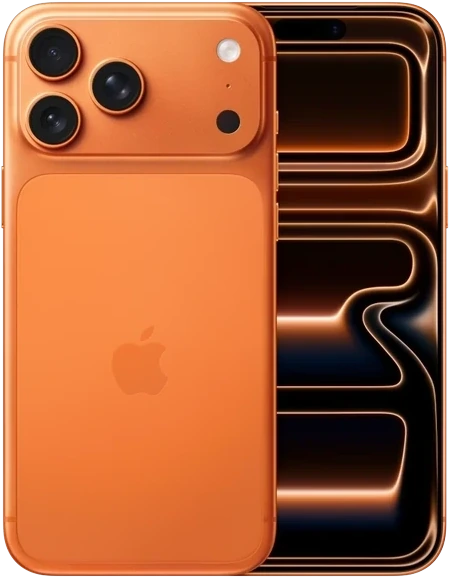
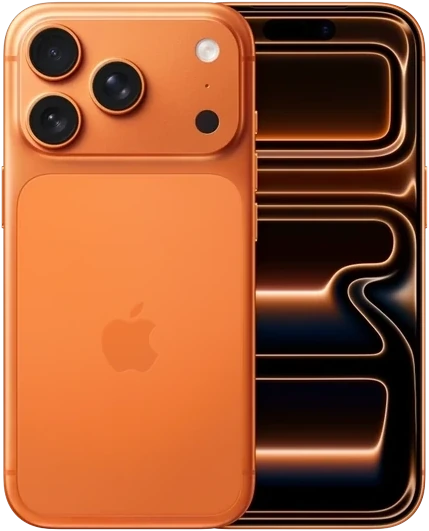
iPhone 17 Pro Max measures 163.4 × 78 × 8.75 mm and weighs 233 g. That is the familiar tall Pro Max silhouette: much taller than Fold8 when the foldable is closed, narrower side to side, and thinner than Fold8’s 9.7 mm folded body — though thicker than Fold8’s 4.5 mm open plane.
Practical meaning of Fold 8 vs iPhone Pro Max weight and dimensions:
• Height — Folded Fold8 is shorter (123.9 mm versus 163.4 mm). Pro Max is the longer pocket rectangle. • Width — Folded Fold8 is wider (81.9 mm versus 78 mm). Pro Max is the narrower slab. • Thickness — Folded Fold8 is thicker (9.7 mm versus 8.75 mm). Open Fold8 is much thinner at 4.5 mm. • Weight — Fold8 is lighter at 201 g versus 233 g for iPhone 17 Pro Max.
Explore device details
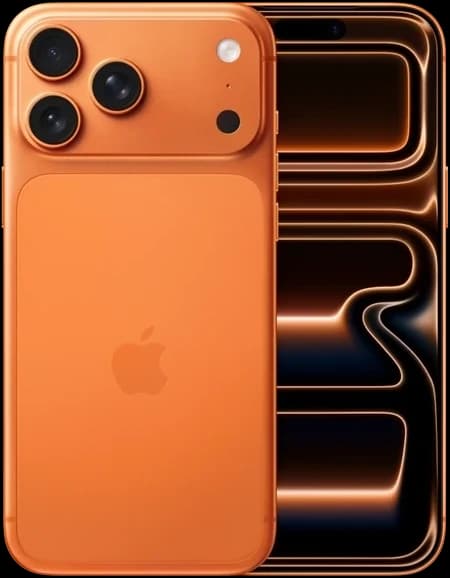
Which is easier to carry?
Which is easier to carry depends on what “carry” means for you.
In trouser pockets, Fold8’s shorter closed height helps it sit higher, while the 9.7 mm folded thickness and 81.9 mm width take more front-to-back and side-to-side space. iPhone 17 Pro Max’s 8.75 mm thickness is the easier slim slip, but its 163.4 mm height reaches deeper into a pocket.
Jacket pockets and small bags usually forgive both. Fold8’s closed footprint stays compact in height; Pro Max remains a long single slab. During daily carrying, Fold8’s 32 g weight advantage is measurable on paper, while Pro Max avoids hinge bulk. Foldable vs iPhone Pro Max pocketability is therefore thickness-and-height trade-offs, not a single winner.
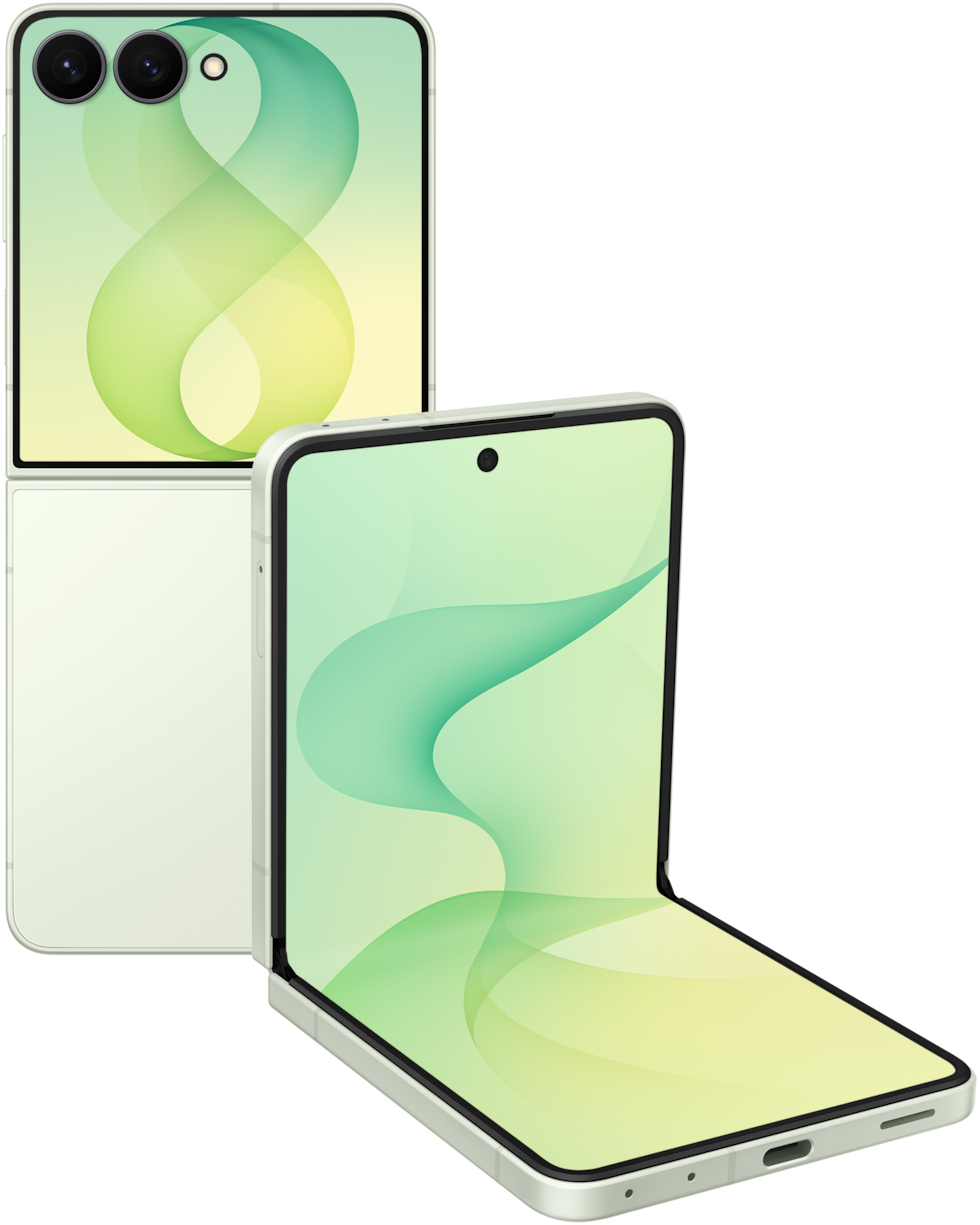
Available colors: Galaxy Z Fold8
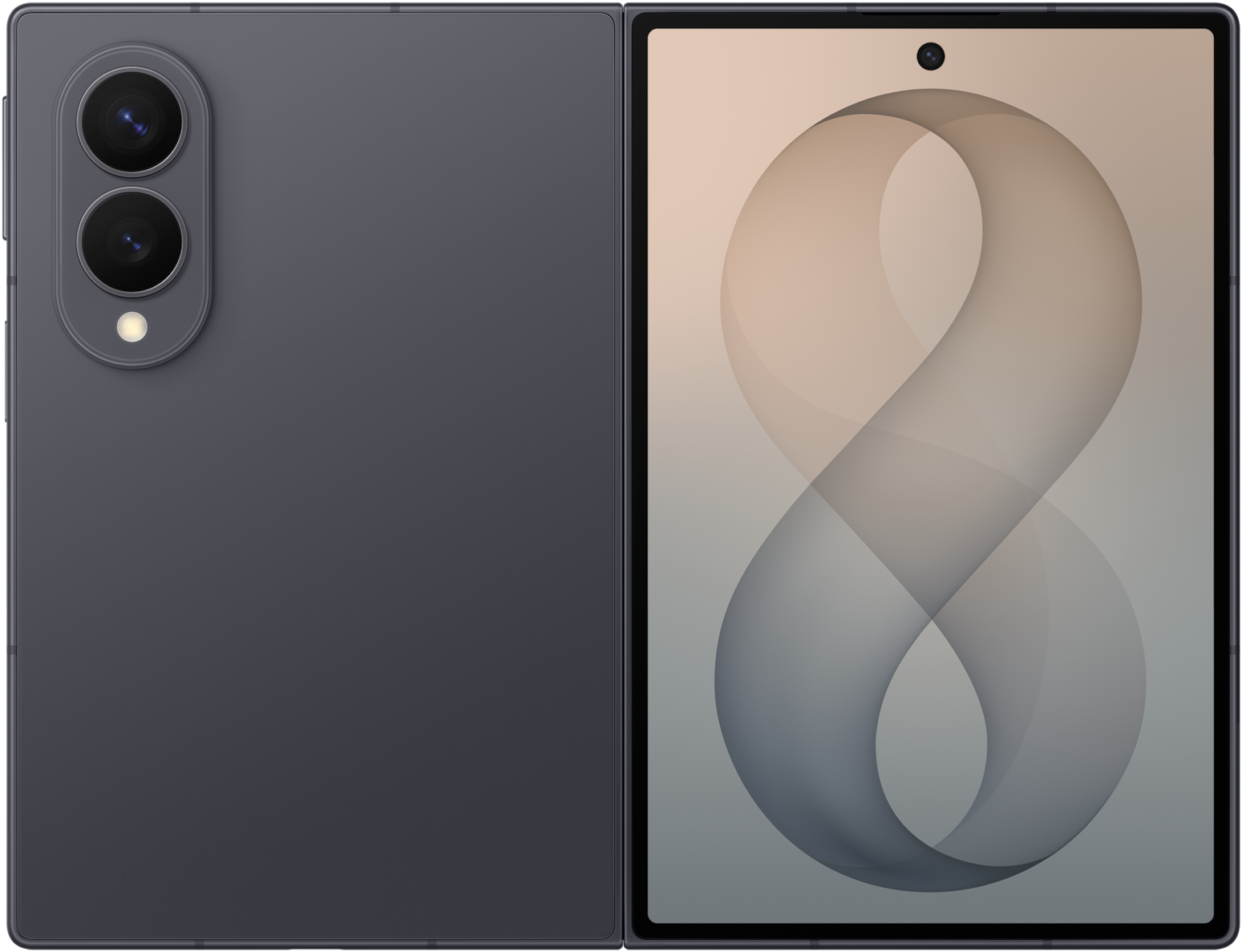
Graphite 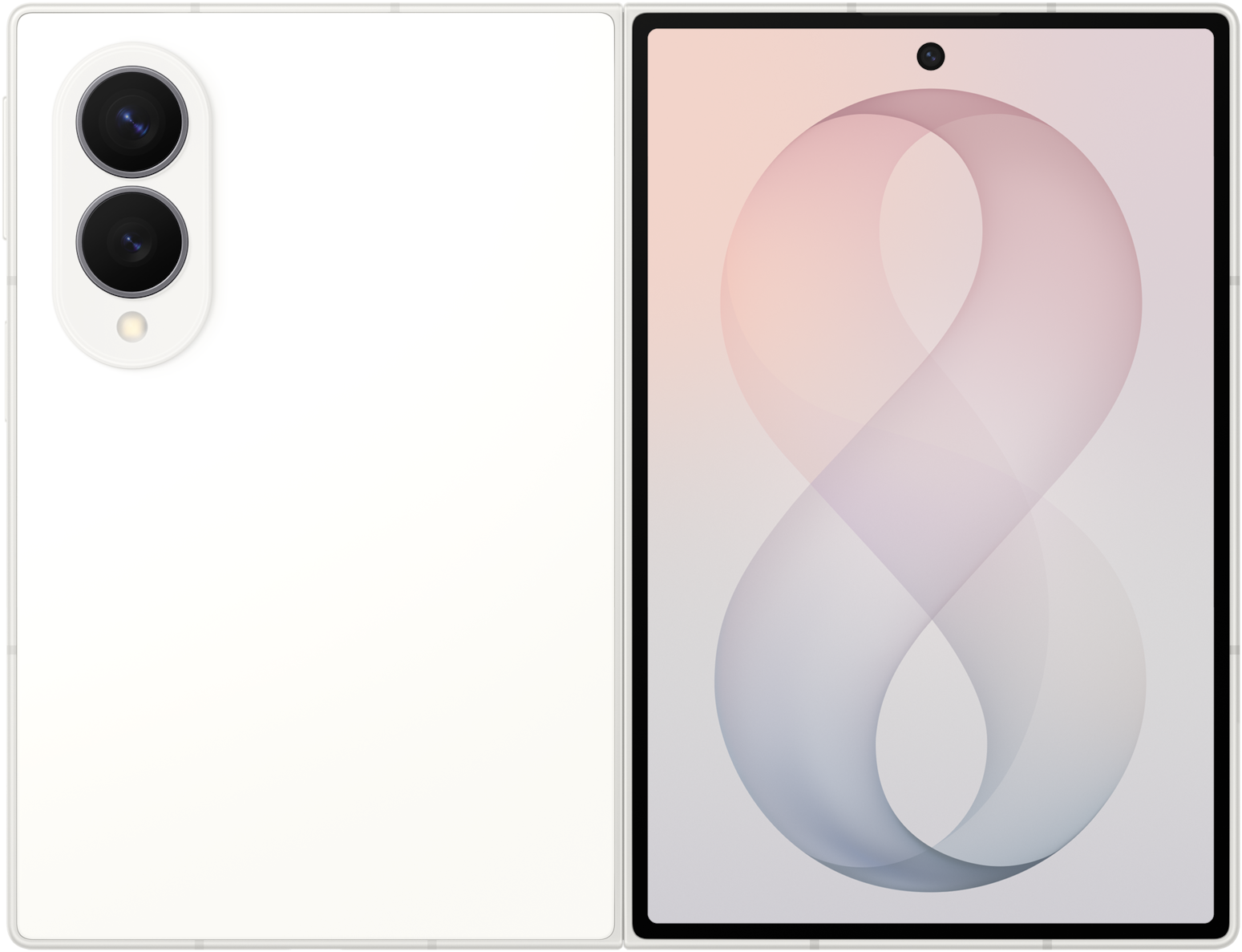
Cream 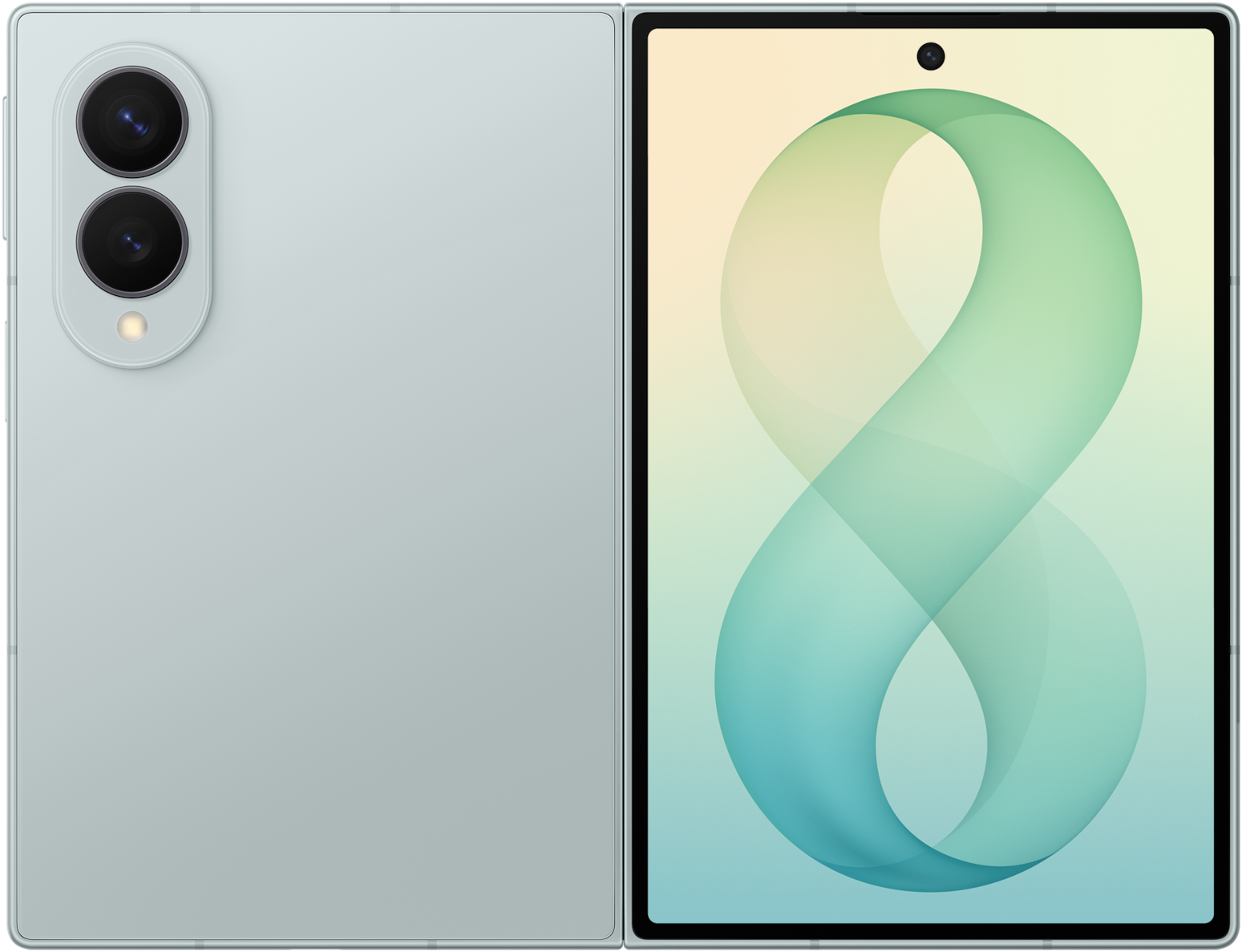
Pistachio
Available colors: iPhone 17 Pro Max
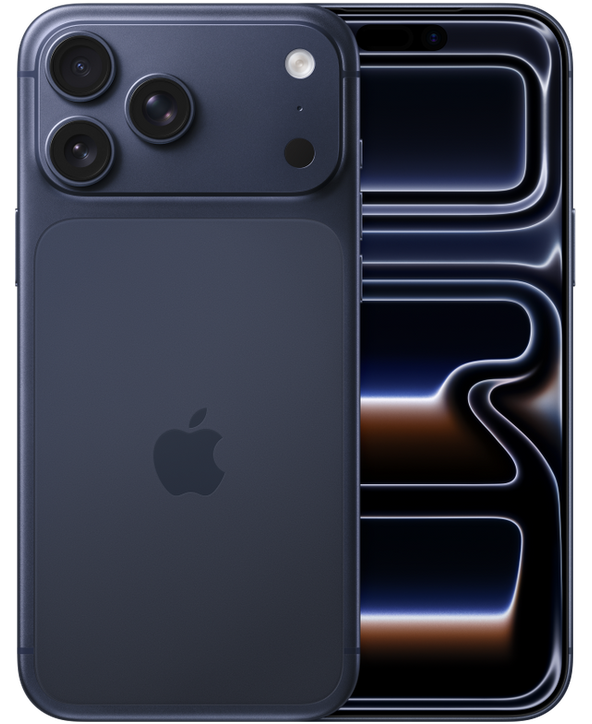
Deep Blue 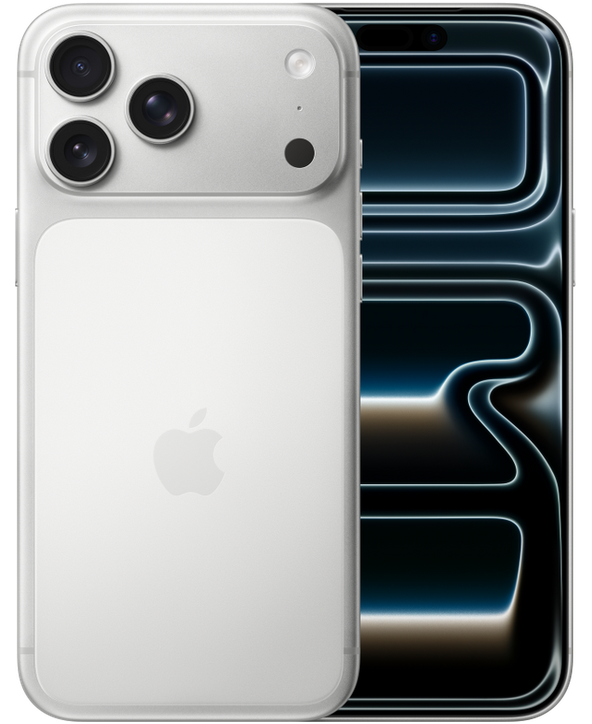
Silver
One-handed use and quick tasks
iPhone 17 Pro Max keeps unlocking, messaging, typing, and scrolling on one continuous 6.9-inch Super Retina XDR OLED panel (2868 × 1320, 120 Hz). Reachability across a tall Max phone still stretches many thumbs, but the interaction model never changes: one screen, one grip habit.
Galaxy Z Fold 8 dimensions for closed use center on the 5.5-inch cover display (1972 × 1248, Dynamic AMOLED 2X, 120 Hz). Messaging, notifications, and quick scrolling happen there without unfolding. Cover typing benefits from Fold8’s shorter, wider closed proportions compared with older tall Folds. Full one-handed control of the unfolded 7.6-inch panel is not realistic for most grips.
For quick tasks, Pro Max is simpler. For closed Fold8, the cover is the daily phone — unlock, reply, scroll — with unfolding reserved for longer sessions.
Open Galaxy Z Fold8 and iPhone 17 Pro Max side by side in the Sizometry size comparison tool.
Open size comparisonLarge-screen experience
Unfolded, Fold8’s 7.6-inch main display (2448 × 1848, Dynamic AMOLED 2X, 120 Hz) is the workspace argument against Pro Max’s single 6.9-inch panel.
Split-screen apps, document layouts, web browsing, reading, and side-by-side video or photo work gain more horizontal room on the inner Fold display. Pro Max still covers everyday media and browsing well on 6.9 inches at up to 2,000 nits peak brightness, but it does not become a mini tablet.
A larger physical screen does not guarantee every app uses the space perfectly. Some layouts remain phone-first even on Fold’s inner panel. Buyers who need dual apps and document width often prefer Fold8; buyers who want one polished phone canvas often prefer Pro Max.
See the full specification comparison for Galaxy Z Fold8 vs iPhone 17 Pro Max.
Compare Galaxy Z Fold8 vs iPhone 17 Pro MaxCameras, performance, and battery
Keep this section to verified hardware differences — not review winners.
Both are flagship platforms with different silicon: Galaxy Z Fold8 uses Snapdragon 8 Elite Gen 5 for Galaxy with 12/16 GB RAM options; iPhone 17 Pro Max uses Apple A19 Pro with 12 GB RAM. Storage options overlap through 1 TB on both lines in the catalog data.
Camera setups differ in structure. Fold8 lists a dual rear pair (50 MP wide with OIS and 2x optical-quality zoom, plus 50 MP ultrawide) and 10 MP cover/inner selfie cameras. iPhone 17 Pro Max lists a triple 48 MP rear stack (Fusion, Ultra Wide, and 4× telephoto) plus an 18 MP front camera. That is a hardware-layout difference, not a quality ranking.
Battery packaging is also hard to line up directly. Fold8 lists a 4,800 mAh typical capacity with 45W wired and 20W wireless charging. iPhone 17 Pro Max does not list mAh capacity in the same catalog fields; it lists 25W wired and 15W MagSafe/Qi2 wireless charging, plus Apple’s official 39-hour video-playback battery rating. Those metrics are not interchangeable, so this article does not declare a battery-life winner. Build ratings differ as well: Fold8 is IP48; iPhone 17 Pro Max is IP68.
Software and ecosystem
Platform preference is often the deciding factor after size.
iOS and the Apple ecosystem favor continuity with Mac, iPad, Watch, and AirPods habits — shared accounts, continuity features, and a single-screen interaction model. Samsung’s One UI on Fold8 emphasizes flexible display modes: cover-first use, unfolded split view, and multitasking layouts that use the inner panel. Neither approach is objectively “better”; each rewards the apps and accessories you already use.
Treat software as a practical filter. If staying inside Apple’s device set matters most, Pro Max aligns with that continuity. If flexible dual-display multitasking matters more than ecosystem sameness, Fold8 is built for that workflow.
Who should choose the Galaxy Z Fold 8?
Choose Galaxy Z Fold8 if you:
• Multitask with split-screen apps and want a tablet-sized inner workspace • Read documents, articles, or long threads on a larger unfolded canvas • Prefer cover-first daily phone use with a shorter closed height and 201 g carry • Accept folded thickness, a hinge, and dual-display complexity for that workspace
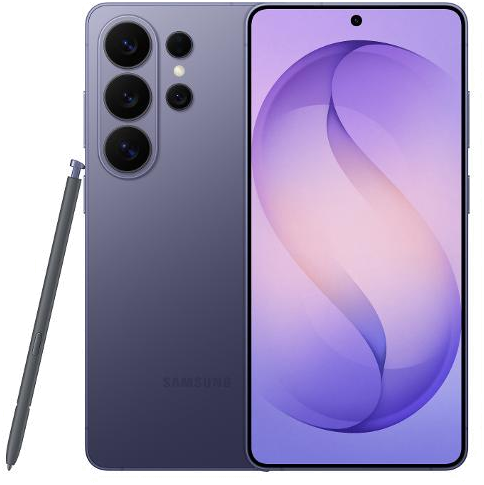
For Fold8-only size context, Sizometry also publishes a Fold 8 dimensions guide and a Fold 8 vs Galaxy S26 Ultra comparison Insight covering the Samsung flagship side of the same form-factor debate.
Who should choose the iPhone 17 Pro Max?
Choose iPhone 17 Pro Max if you:
• Prefer conventional flagship simplicity with one always-available screen • Want familiar one-screen operation without folding or cover-display switching • Prioritize Apple ecosystem continuity across phones, tablets, and computers • Prefer a thinner slab-style design at 8.75 mm over a thicker folded book phone
Verdict
Does Fold8’s inner display provide enough value to justify its physical compromises versus iPhone 17 Pro Max? Yes — when split-screen work, documents, and tablet-scale reading are frequent enough that a 7.6-inch unfolded canvas changes your day. In that case, shorter closed height and lower weight help offset the thicker folded stack.
If your day is mostly one polished phone screen, cameras in a conventional layout, and Apple continuity, iPhone 17 Pro Max remains the clearer everyday fit. Galaxy Z Fold 8 vs iPhone 17 Pro Max is decided by whether you need two display modes — or one excellent slab that never asks you to open anything.
Latest comparisons
- Compare Galaxy Z Fold8 and iPhone 17 Pro Max
- Compare Galaxy Z Fold8 and Galaxy S26 Ultra
- Compare Galaxy Z Fold8 Ultra and iPhone 17 Pro Max
- Compare Galaxy S26 Ultra and iPhone 17 Pro Max
- Compare Galaxy Z Fold8 and iPhone 17 Pro
- Compare Galaxy Z Fold8 and Galaxy Z Flip8
- Compare Galaxy Z Fold8 and Galaxy Z Fold7
- Compare Galaxy Z Fold8 Ultra and Galaxy Z Fold8
- Compare iPhone 17 Pro Max and iPhone 17 Pro
- Compare Galaxy Z Fold8 and Pixel 10 Pro Fold