Xiaomi Pad 7 User Experience
Sizometry Verdict
Editorial scores based on recurring themes across professional reviews, hands-on testing, and expert analysis.
Overall user experience
8.0
out of 10
A standout mid-range tablet value pairing an excellent 11.2-inch 144Hz 3:2 display, strong battery, and capable Snapdragon 7+ Gen 3 performance near iPad Air money, held back mainly by HyperOS clutter, separately sold accessories, and missing fingerprint and cellular options on the standard model.
Category scores
Camera
7.0
Adequate document scanning and video calls for study and remote work without imaging ambition.
Battery and charging
8.5
8850mAh endurance and dependable multi-day use with practical 45W wired recovery.
Performance
7.5
Smooth for notes and media on Snapdragon 7+ Gen 3 with warmth under heavy gaming load.
Handling and portability
6.0
500 g and 11.2-inch footprint manageable for brief handheld tasks, not sustained one-hand reading. Backpack-friendly rather than pocketable, typical for productivity tablets without cellular trim.
Build quality
8.0
Premium-feeling slim chassis and strong quad speakers for the tier, minus fingerprint and water resistance.
Value
8.0
A standout mid-range tablet value pairing an excellent 11.2-inch 144Hz 3:2 display, strong battery, and capable Snapdragon 7+ Gen 3 performance near iPad Air money, held back mainly by HyperOS clutter, separately sold accessories, and missing fingerprint and cellular options on the standard model.
Strengths
- Exceptional display value with 144Hz 3:2 productivity canvas
- Strong battery life and solid quad-speaker media experience
- Capable everyday performance at aggressive mid-range pricing
Weaknesses
- HyperOS defaults feel busy until customized
- Stylus and keyboard cost extra with no fingerprint on standard model
- Workstation mode constrained by Android app scaling limits
Best for
- Students wanting high-refresh display and battery without flagship pricing
- Media-first buyers who value speakers and stamina over OLED
- Android users exploring split screen after setup investment
- Upgraders from older Pad 5 or Pad 6 hardware
Less suitable for
- Buyers expecting bundled pen and keyboard out of the box
- Users who want side fingerprint or 67W Pad 7 Pro perks
- Travelers needing cellular connectivity on the tablet
- Shoppers unwilling to tune HyperOS defaults
Upgrade recommendation
Current device: Pad 5, Pad 6, or budget Redmi Pad
Recommendation: Strongly recommendedNotes: 144Hz 3:2 display, Snapdragon 7+ Gen 3, 45W charging, and larger battery address multi-year mid-range tablet pain points.
Current device: Pad 6 (daily driver)
Recommendation: Worth consideringNotes: Meaningful gains in refresh, aspect ratio, stamina, and HyperOS generation for heavy tablet users.
Current device: Pad 7 (satisfied)
Recommendation: Probably unnecessaryNotes: Incremental jump unless fingerprint, 67W, or Pro-tier gaming personally matter.
Current device: Need biometrics and fastest charging
Recommendation: Depends on prioritiesNotes: Pad 7 Pro adds side fingerprint, 67W recovery, and higher-tier silicon at higher cost.
Current device: iPadOS ecosystem buyers
Recommendation: Depends on prioritiesNotes: Display and battery value are strong, but app library and accessory habits may still favor iPad.
Bottom line
The Xiaomi Pad 7 earns respect as one of the clearest display-and-battery values in the current mid-range tablet lane — 144Hz 3:2 LCD, Snapdragon 7+ Gen 3, quad speakers, and 8850mAh stamina in a 500 g body that fits real backpacks. Dominant tradeoffs are HyperOS clutter until customized, accessories sold separately, and no fingerprint or cellular on the standard model. Want biometrics and 67W? Cross-shop Pad 7 Pro. Want maximum portability? Look at Pad Mini instead.
See its real size next to another phone or tablet.
Open size comparisonOverview
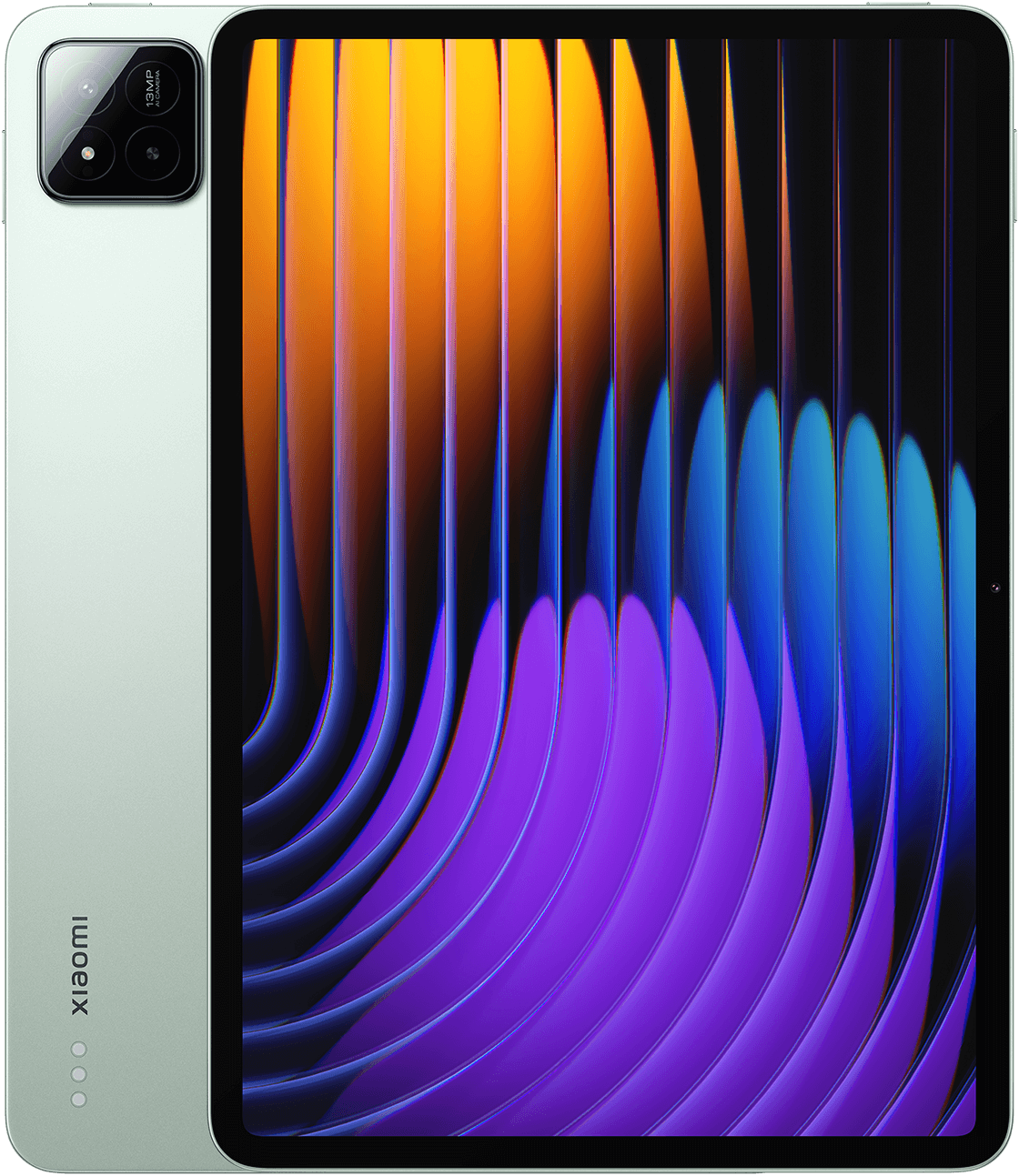
The Xiaomi Pad 7 is widely regarded as one of the strongest mid-range tablet values in its release window — an 11.2-inch slab with a tall 3:2 LCD at 144Hz, Snapdragon 7+ Gen 3 silicon, and an 8850mAh cell in a 500 g chassis measuring 173.42 mm wide and 251.22 mm tall.
For readers evaluating handling before purchase, this summary focuses on real ownership — handheld comfort at 6.18 mm thin, bag portability, stylus and keyboard habits, HyperOS friction, Android app scaling in workstation mode, and value positioning against Pad 7 Pro and iPad alternatives — rather than benchmark leaderboards or promotional update slogans.
Daily use
In daily use, the Xiaomi Pad 7 is consistently described as responsive for the workloads people actually buy it for: split-screen notes, PDF markup, browser research beside video, light photo edits, and streaming on the 144Hz panel. App launches and UI animations feel smooth on Snapdragon 7+ Gen 3 for student and office routines.
The 11.2-inch 3:2 LCD suits productivity-first owners. High-refresh scrolling helps long article reading and spreadsheet review, and brightness handles bright living rooms. Color and contrast trail OLED tablets in dark-room movies, yet text clarity and aspect ratio earn appreciation from readers who want more vertical canvas than 16:10 entertainment slabs without jumping to 12-inch pricing.
HyperOS receives credit for mature windowing when owners invest setup time. Workstation mode and split screen enable credible desk-adjacent workflows with an optional keyboard. Friction includes preinstalled regional and Xiaomi apps, notification duplication, and occasional app scaling quirks when forcing phone-first software into wide layouts.
Pad 7
View the full specifications, dimensions, pricing, and related models.
Camera
Camera feedback centers on utility rather than photographic ambition. Rear and front sensors handle document scanning, whiteboard capture, and desk-propped video calls — the workloads students and remote workers actually need from a tablet.
Buyers rarely choose the Pad 7 for imaging; low light trails modern phones. Classroom snapshots and recipe captures land as good enough; creative photography redirects to phones without surprise.
Battery and charging
Typical study and home days end with reserve for moderate use: lectures, notes, browsing, intermittent streaming, and split-screen research. Heavy outdoor brightness, long video marathons, or workstation mode with multiple apps push evening top-ups but rarely midday panic on the 8850mAh cell.
Forty-five-watt charging is a recurring positive — brief desk sessions add substantial range versus older 33W Xiaomi tablets. Owners adapt quickly to between-class or bedtime top-ups. Pad 7 Pro's 67W remains the upgrade for buyers who prioritize fastest recovery.
Performance
App launches, HyperOS animations, and split-screen browsing feel smooth for Pad 7 expectations on Snapdragon 7+ Gen 3 and the 144Hz panel — a clear step up from entry Redmi Pad hardware without Pad 7 Pro headroom.
Multitasking pairs — notes beside PDF, browser beside video — resume reliably for student and office workflows. Absence of fingerprint unlock pushes PIN or face security without broader lag complaints.
Handling and portability
At 173.42 mm wide, 251.22 mm tall, and 500 g, the Xiaomi Pad 7 is manageable for short handheld sessions — secure bezel grips for notification checks, thumb scrolling, and brief stylus jots while standing — though it is clearly a two-hand or table-propped device for anything longer.
The Xiaomi Pad 7 does not fit jacket or jeans pockets. Portability means daypacks, tote bags, and messenger carriers where 251.22 mm height slides beside laptops and notebooks more easily than 13-inch keyboard-attached setups.
For extended reading, note-taking, and streaming, the Pad 7 is comfortable for forty-five-to-ninety-minute sessions when propped on a lap, pillow, or stand. The half-kilogram weight reduces forearm fatigue compared with heavier 12-inch tablets, though neck angle still benefits from a kickstand case during long desk marathons.
Build quality
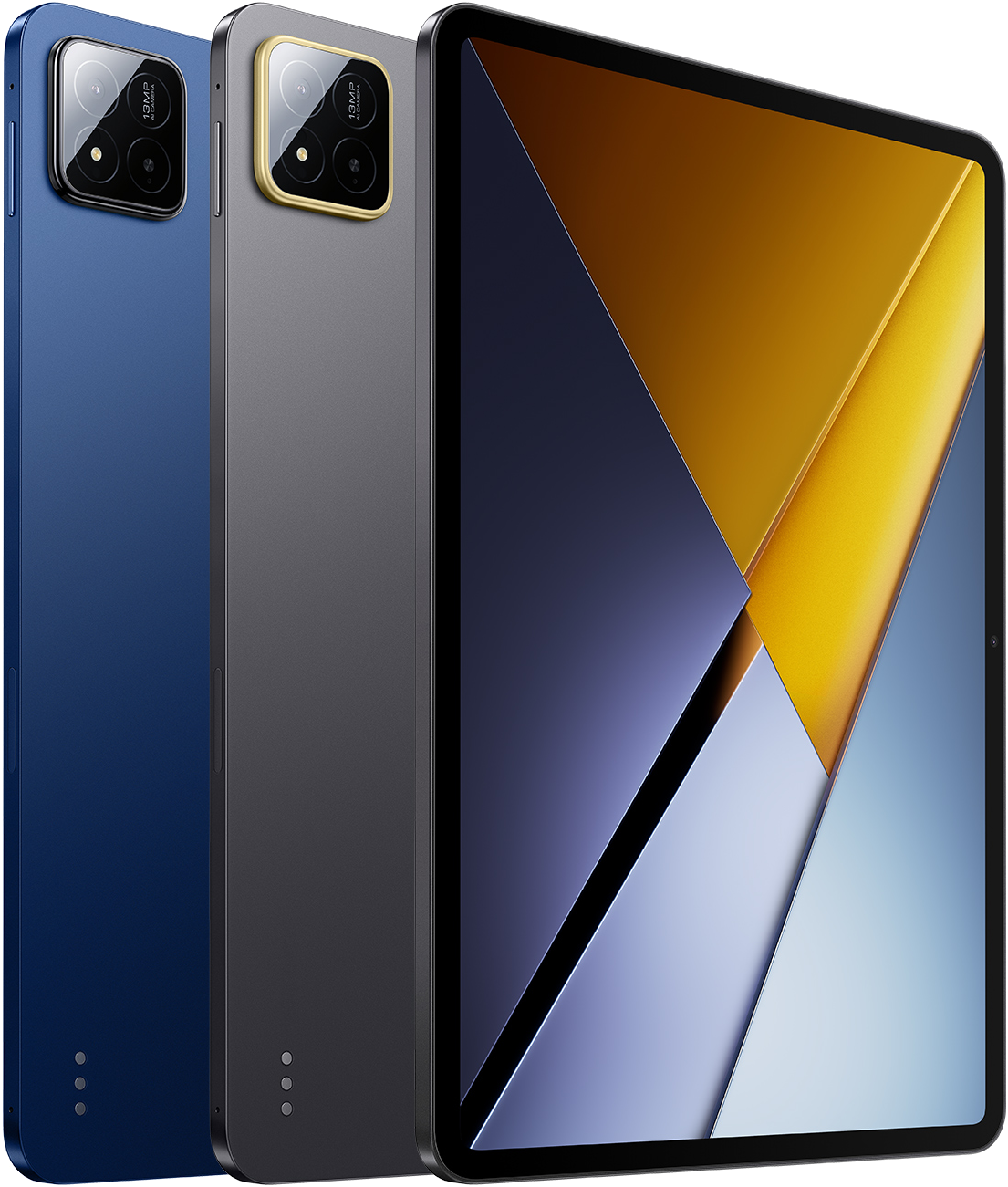
At 500 g and 6.18 mm thin, the chassis feels premium for the tier — stiff aluminum-style construction, precise buttons, and a flat back that mates well with folio keyboards. Normal backpack flex rarely troubles daily carriers.
Display durability follows familiar tablet patterns; film or cases remain common. Finishes hide fingerprints reasonably across color options. There is no IP rating emphasis in ownership talk — buyers treat it as an indoor productivity and media device.
Considering another Xiaomi Pad 7 model?
Similar size devices
This summary is based on recurring reports from public discussions.