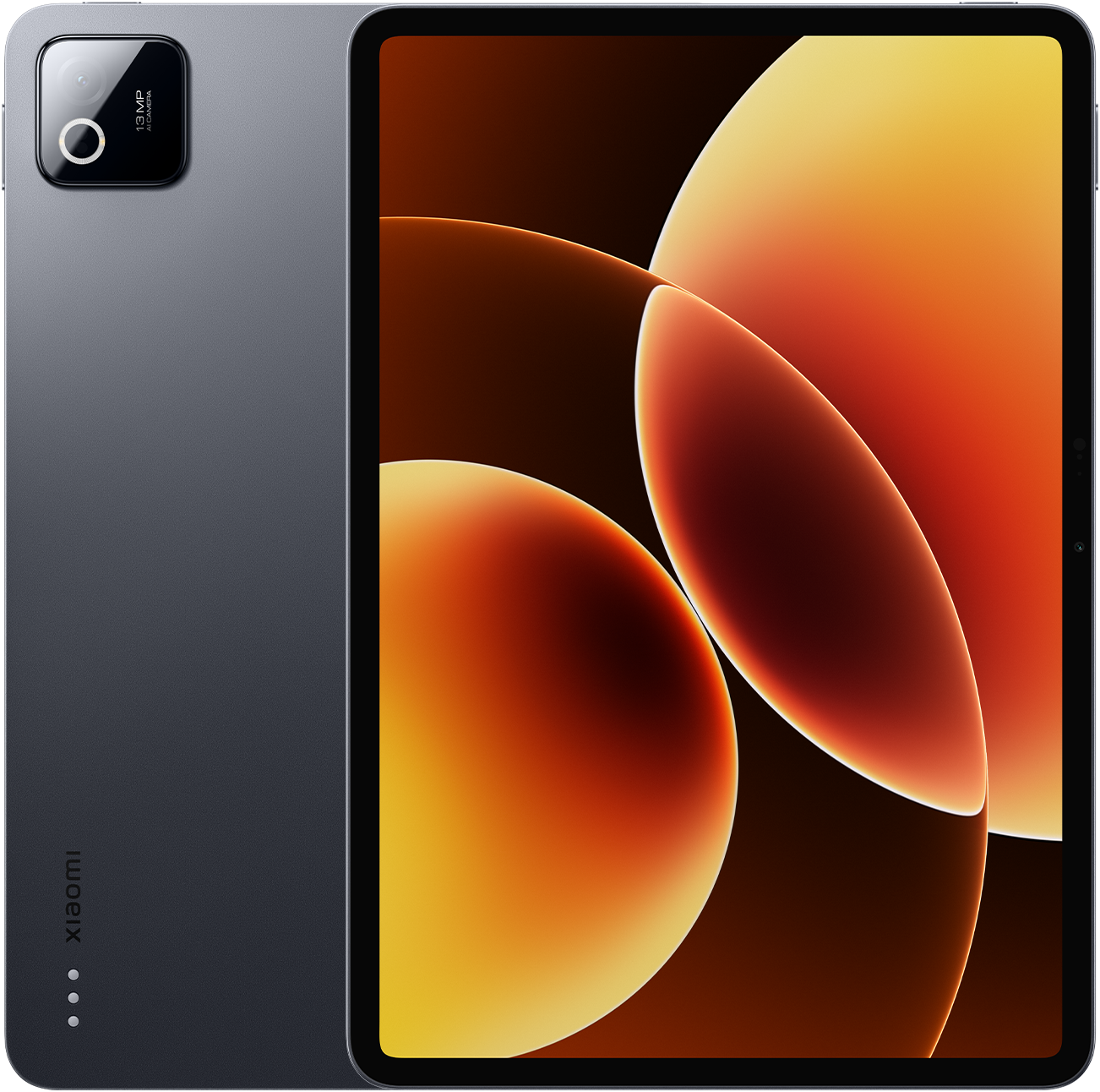
Official manufacturer render.
Xiaomi
Pad 8
- 11.2-inch
- Snapdragon 8s Gen 4 · 1× X4 @ 3.2 GHz + 3× A720 @ 3.0 GHz + 2× A720 @ 2.8 GHz + 2× A720 @ 2.0 GHz
- 485 g
- 9200 mAh
Available colors
Selected: Gray
Physical specifications
11.2"
Display size
485 g
Weight
251.2 mm
Height
173.4 mm
Width
5.8 mm
Thickness
—
Aspect ratio
Everyday usability
Estimated from device dimensions and weight.
Handling
Two-handed preferredTwo-handed use is generally the more natural way to hold this device.
Bag portability
LimitedNot intended for pocket carry; plan on a bag, sleeve, or hand carry.
Carry comfort
BalancedWeight sits in a balanced range for everyday holding and carrying.
Reading and media
A familiar tablet size for reading, browsing, and video.
Gaming
SuitableIts hardware should handle most modern games, though demanding titles may benefit from adjusted settings.
See its real size next to another phone or tablet.
Open size comparisonDisplay
- Display size
- 11.2"
- Display technology
- LCD
- Resolution
- 3200 × 2136
- Refresh rate
- 144 Hz
- Peak brightness
- 800 nits
Performance
- Chipset
- Snapdragon 8s Gen 4
- CPU
- 1× X4 @ 3.2 GHz + 3× A720 @ 3.0 GHz + 2× A720 @ 2.8 GHz + 2× A720 @ 2.0 GHz
- GPU
- Adreno 825
- RAM
- 8 GB, 12 GB
- Storage
- 128 GB, 256 GB, 512 GB
- Expandable storage
- No
Battery & charging
- Typical capacity
- 9200 mAh
- Wired charging
- 45 W
- Charging standard
- 45W turbo charging
Cameras
- Rear cameras
- Wide · 13 MP · ƒ/2.2 · PDAF
- Front cameras
- Front · 8 MP · ƒ/2.28
- Video recording
- 4K@30fps, 1080p@30fps, 1080p@60fps
Connectivity
- Wi‑Fi
- Wi‑Fi 7
- USB
- USB‑C 3.2 Gen 1
Xiaomi Pad 8 User Experience
An editorial summary of early Xiaomi Pad 8 ownership themes — thinner 485g chassis, Snapdragon 8s Gen 4 upgrade, 9200mAh battery, HyperOS 3 on Android 16, no fingerprint, and how it compares to discounted Pad 7 and flagship Pad 8 Pro.
Release and pricing
- Released
- September 25, 2025
Buying guide FAQ
Practical upgrade and buying answers based on published specifications and previous-generation comparisons when available.
What’s new in Xiaomi Pad 8 (2026) compared with Xiaomi Pad 7 (2024)?
Published changes versus Xiaomi Pad 7 (2024) include a weight change of −15 g. These are specification differences, not measured real-world scores.
Is it worth upgrading from Xiaomi Pad 7 (2024) to Xiaomi Pad 8 (2026)?
An upgrade is easiest to justify if you care about a weight change of −15 g. If those areas already meet your needs on Xiaomi Pad 7 (2024), the move is optional rather than urgent.
Is Xiaomi Pad 8 (2026) good for note taking?
Its 11.2 in display gives enough room for handwriting and split notes. Stylus support is not confirmed in this catalog, so this answer is based on screen size and handling context only.
Is Xiaomi Pad 8 (2026) good for drawing?
A 11.2 in panel at 144 Hz is a solid published baseline for sketching and illustration fluidity. This is inferred from display specs only; pressure-sensitive stylus features are not listed here.
Is Xiaomi Pad 8 (2026) suitable for students?
Its relatively portable 11.2 in size suits lectures, reading, and bag carry. Suitability still depends on software, storage needs, and accessories, which vary by course work.
Which users is Xiaomi Pad 8 (2026) best suited for?
Xiaomi Pad 8 (2026) is best suited for buyers who want a balanced everyday tablet and people moving up from Xiaomi Pad 7 (2024). That conclusion follows from size class and available generation differences, not from user reviews.
Should you buy Xiaomi Pad 8 (2026) or the Pro version?
Choose Xiaomi Pad 8 Pro (2026) over Xiaomi Pad 8 (2026) if you want the Snapdragon 8 Elite chipset instead of Snapdragon 8s Gen 4, a stronger published camera setup and battery or charging rated at 67 W versus 45 W. Otherwise the standard model is the simpler buy when those extras are not priorities.
Considering another Xiaomi Pad 8 model?
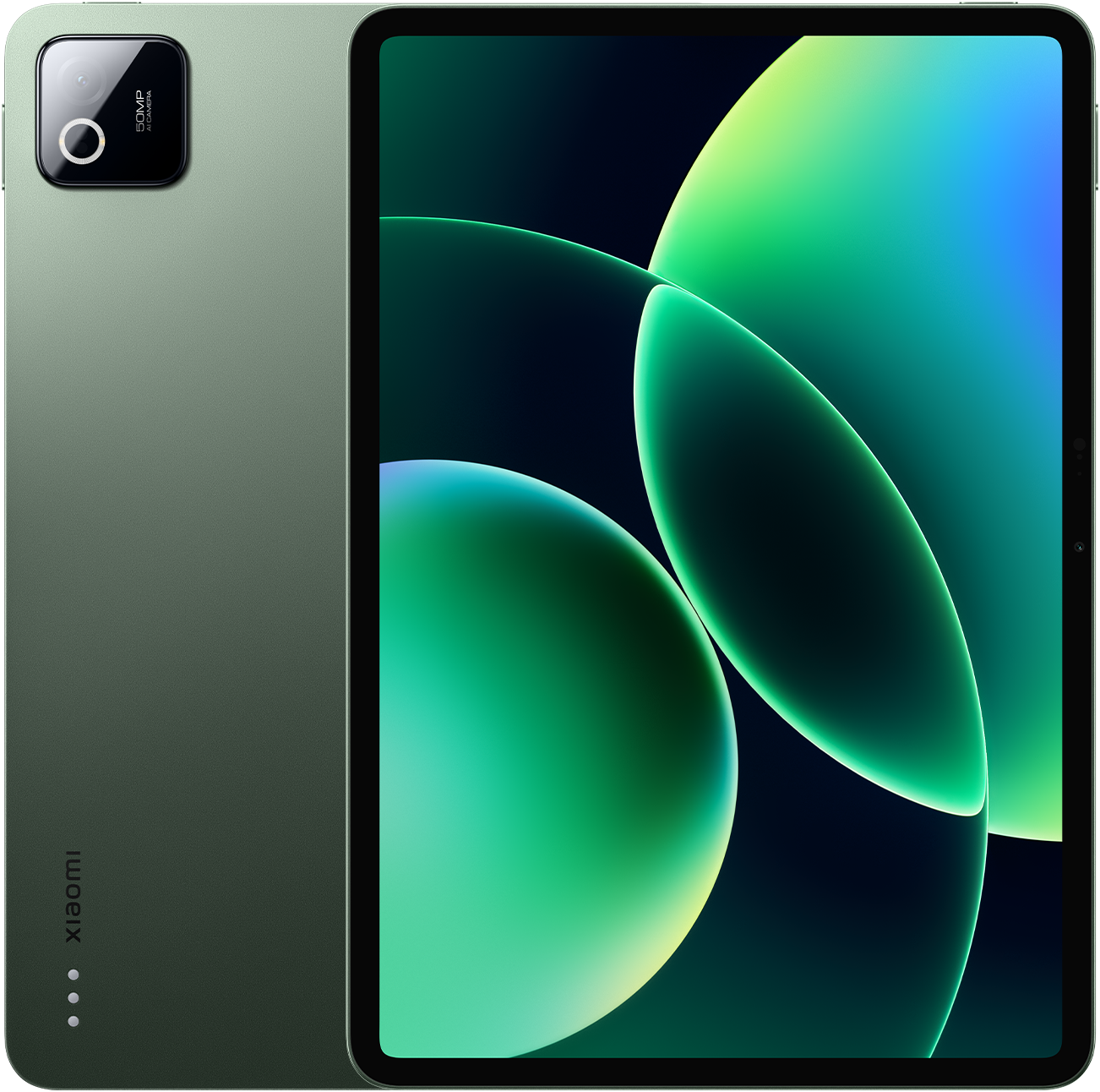
Similar size devices
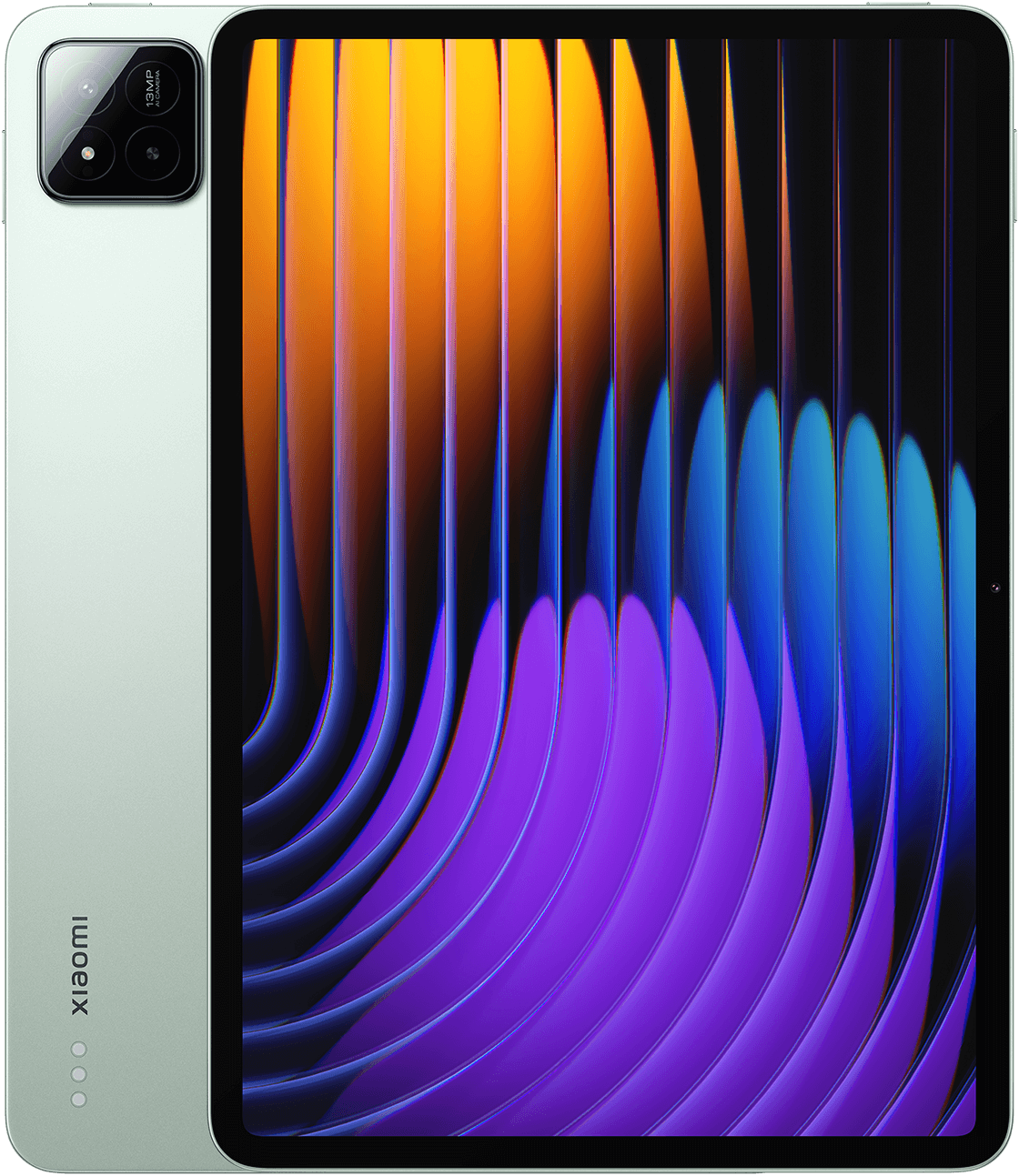
Models and configurations
- Storage
- 128 GB256 GB512 GB
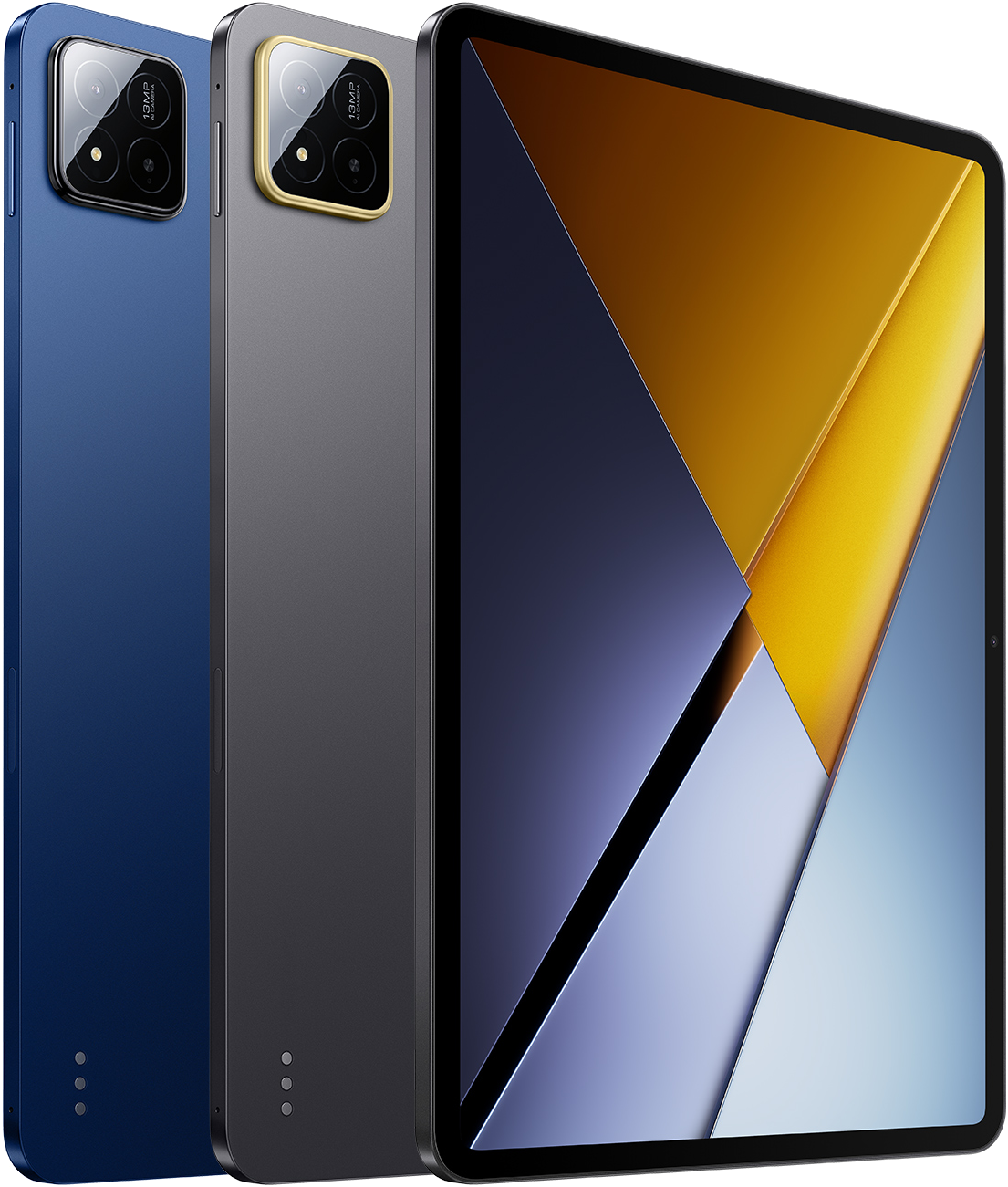
- Colors
- Pine GreenBlueGray
- RAM
- 8 GB12 GB
Official sources
Dimensions and specifications are based on manufacturer-published data. Learn more in our Methodology