Xiaomi Pad 8 Pro User Experience
Sizometry Verdict
Editorial scores based on recurring themes across professional reviews, hands-on testing, and expert analysis.
Overall user experience
8.5
out of 10
A flagship hardware bargain that pairs Snapdragon 8 Elite, an 11.2-inch 3.2K 144 Hz display, and exceptional battery endurance under five hundred grams, held back mainly by HyperOS tablet polish versus iPadOS, expensive Focus accessory totals, no cellular option, and regional charger omissions.
Category scores
Camera
7.5
Capable 50 MP rear and useful 32 MP ultrawide front for document scanning and video calls without imaging ambition.
Battery and charging
9.0
9,200 mAh endurance with credible fifteen-to-sixteen-hour mixed-use claims and strong 67 W charging when brick is included.
Performance
9.0
Snapdragon 8 Elite delivers flagship gaming without the throttling phones in the same generation often show.
Handling and portability
6.5
485 g and slim 5.75 mm profile easier to cradle short-term than heavier 12-inch flagship tablets.
Build quality
8.5
Premium-feeling chassis under five hundred grams with matte glass option praised for note-taking ergonomics.
Value
8.5
A flagship hardware bargain that pairs Snapdragon 8 Elite, an 11.2-inch 3.2K 144 Hz display, and exceptional battery endurance under five hundred grams, held back mainly by HyperOS tablet polish versus iPadOS, expensive Focus accessory totals, no cellular option, and regional charger omissions.
Strengths
- Exceptional hardware value with flagship silicon and 144 Hz 3.2K display
- Light 485 g weight with premium build for the class
- Outstanding gaming thermals and battery endurance
Weaknesses
- HyperOS tablet experience trails iPadOS and DeX polish
- Full Focus accessory package pushes cost past seven hundred dollars
- No cellular and possible regional charger omission
Best for
- Value seekers wanting flagship Android tablet performance
- Note-takers who want matte glass anti-glare for daylight study
- Gamers prioritizing sustained frame rates without throttling
- Upgraders from Pad 7 Pro needing more headroom
Less suitable for
- Buyers requiring cellular always-on connectivity
- Creative professionals dependent on iPadOS or macOS app ecosystems
- Shoppers wanting OLED black levels for dark-room HDR
- Pad 7 Pro owners seeking only a minor refresh
Upgrade recommendation
Current device: Xiaomi Pad 7 Pro or older Pad generation
Recommendation: Worth consideringNotes: Snapdragon 8 Elite, 144 Hz 3.2K panel, and larger battery address gaming and multitasking limits — strongest for heavy users.
Current device: Pad 7 Pro (satisfied, light use)
Recommendation: Probably unnecessaryNotes: Incremental chip and battery gains unless matte glass, refresh rate, or thermals already frustrate.
Current device: Budget or mid-tier Android tablets
Recommendation: Strongly recommendedNotes: Generational leap in display, performance, battery, and charging at still-aggressive total cost.
Current device: iPad Air or iPad Pro shoppers
Recommendation: Depends on prioritiesNotes: Xiaomi wins on spec-per-dollar; Apple wins on app ecosystem, windowing polish, and resale value.
Current device: Laptop replacement seekers
Recommendation: Depends on prioritiesNotes: Focus Keyboard and Pen enable credible typing and notes, but desktop-class creative pipelines still want macOS or Windows.
Bottom line
The Xiaomi Pad 8 Pro earns early respect as an almost absurd hardware play — Snapdragon 8 Elite, 3.2K 144 Hz LCD, 9,200 mAh battery, and sub-five-hundred-gram premium build at a price that embarrasses spec-sheet rivals. Gaming runs cool without phone-class throttling, matte glass note-takers praise daylight ergonomics, and fifteen-to-sixteen-hour endurance claims hold up for mixed couch-and-desk routines. Dominant tradeoffs are HyperOS tablet maturity versus iPadOS, Focus accessory totals that push past seven hundred dollars, no cellular, and charger roulette in some regions. Want ecosystem depth and creative app catalogs?
See its real size next to another phone or tablet.
Open size comparisonOverview
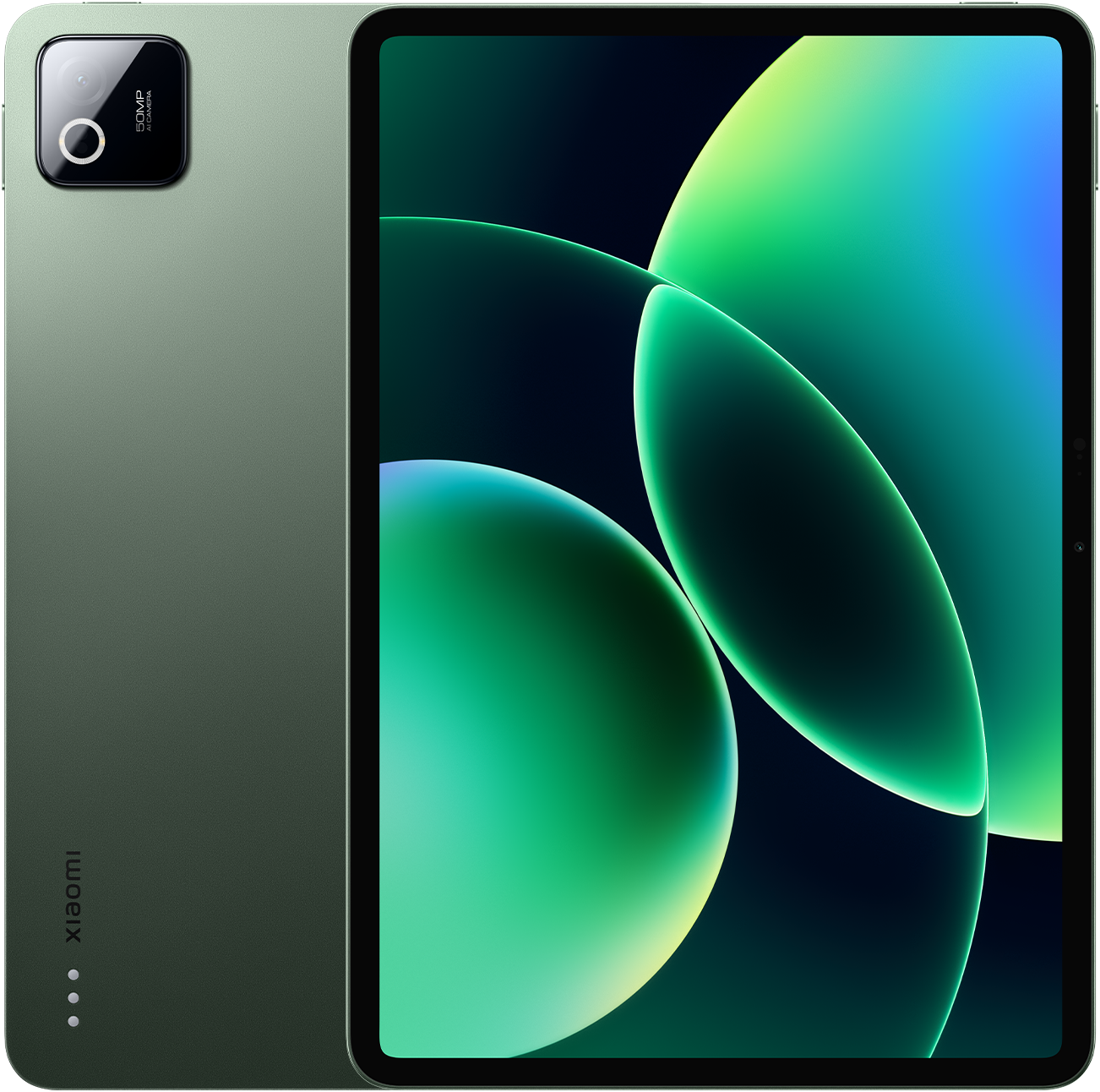
Across early professional reviews and first-wave owner discussions, the Xiaomi Pad 8 Pro is widely regarded as one of the most aggressively specced Android tablets of its generation — a roughly five-hundred-gram slab that pairs Snapdragon 8 Elite silicon with an 11.2-inch 3.2K 144Hz LCD, 9,200 mAh battery, and 67-watt charging at a price that undercuts comparable iPad and Galaxy configurations once accessories enter the math.
For readers evaluating handling before purchase, this summary focuses on real ownership — sub-five-hundred-gram carry comfort, matte glass note-taking advantages, gaming stamina without thermal drama, keyboard folio ergonomics, HyperOS 3 on Android 16 daily habits, and incremental gains over Pad 7 Pro — rather than launch marketing or synthetic benchmark leaderboards.
Daily use
In daily use, the Xiaomi Pad 8 Pro is consistently described as snappy for the workloads buyers actually buy it for: split-screen research, PDF markup with Focus Pen, 144 Hz scrolling through long articles, cloud gaming, and local AAA-style titles at high settings.
The 11.2-inch 3.2K 144 Hz LCD is a daily standout. High refresh makes syllabus reading and social feeds feel fluid, peak brightness handles sunny windowsills, and HDR streaming benefits from Dolby Vision certification even if LCD black levels trail OLED iPad Pro panels in dark rooms.
HyperOS 3 receives mixed daily reports. Tablet-optimized layouts, floating windows, and keyboard shortcuts improve productivity once configured, but file-picker quirks, inconsistent split-screen behavior in niche apps, and promotional preloads frustrate power users comparing to iPad Stage Manager or Samsung windowing. Android 16 underpinnings feel modern; the Xiaomi skin layer is where expectations diverge.
Pad 8 Pro
View the full specifications, dimensions, pricing, and related models.
Camera
Camera feedback centers on utility rather than photographic ambition. The 50 MP rear sensor handles document scanning, whiteboard capture, and desk-propped reference shots — workloads students and remote workers actually need on a tablet.
The 32 MP ultrawide front camera earns more attention than rear imaging for video calls and online classes. Wider framing suits group calls and presentation practice, though eye-line placement still favors portrait orientation or deliberate prop angles in landscape.
Battery and charging
Typical mixed-use days — reading, browsing, intermittent streaming, light gaming — end with substantial reserve in owner accounts citing fifteen-to-sixteen-hour endurance under moderate brightness. Heavy 144 Hz gaming, outdoor max brightness, or all-day video marathons push evening top-ups but rarely midday panic.
Sixty-seven-watt wired charging is among the most repeated positives when the brick is included — brief desk sessions add meaningful range versus older Pad generations. Regional box omissions frustrate buyers who must source a compatible fast charger separately.
Performance
App launches, Focus Pen ink, split-screen browsing, and local gaming feel flagship-smooth on Snapdragon 8 Elite and the 144 Hz panel — a clear generational step over Pad 7 Pro and mid-tier Android tablets.
Sustained gaming receives standout praise: owners report high settings without the thermal throttling that phones in the same chip family sometimes exhibit, thanks to tablet thermal headroom and active cooling margins.
Handling and portability
At 173.42 mm wide, 251.22 mm tall, and 485 g standard — 494 g matte — the Xiaomi Pad 8 Pro is manageable for short handheld sessions among current large Android tablets.
The Xiaomi Pad 8 Pro does not fit jacket or jeans pockets. Portability means daypacks, messenger bags, and slim laptop sleeves where 251.22 mm height slides beside notebooks without dominating depth.
For extended reading, note-taking, gaming, and streaming, the Pad 8 Pro is comfortable for sixty-to-ninety-minute sessions when propped on lap, pillow, or stand. Sub-five-hundred-gram weight reduces forearm fatigue versus heavier 12-inch and 13-inch rivals owners compare in upgrade threads.
Build quality
Premium materials under five hundred grams repeatedly over-deliver versus budget competitors and some iPad configurations at similar weight. Owners describe a rigid chassis, tight panel fit, and finish that belies aggressive pricing — especially on the matte glass variant praised for tactile note-taking surfaces.
At 485 g and 5.75 mm thin, the tablet resists normal backpack flex; naked drops still motivate cases. Buttons feel precise; the flat back simplifies folio compatibility.
Considering another Xiaomi Pad 8 model?
Similar size devices
This summary is based on recurring reports from public discussions.