Xiaomi Pad 7 Pro User Experience
Sizometry Verdict
Editorial scores based on recurring themes across professional reviews, hands-on testing, and expert analysis.
Overall user experience
8.5
out of 10
A flagship-hardware value leader that pairs Snapdragon 8s Gen 3 sustained performance, a sharp 144Hz 3.2K LCD, 67W charging, and reliable side fingerprint unlock in a 500 g Pad 7 chassis, held back mainly by HyperOS polish gaps, LCD versus OLED tradeoffs, accessory costs that creep toward laptops, and update-policy uncertainty versus Apple.
Category scores
Camera
7.0
Adequate document scanning and video calls for work and study workflows without imaging ambition.
Battery and charging
8.5
8850mAh endurance with 67W wired charging among the most praised premium-tier traits.
Performance
9.0
Snapdragon 8s Gen 3 with strong thermal headroom and roughly eighty-five percent stress retention impresses versus rivals.
Handling and portability
6.5
500 g and compact eleven-inch footprint easier to cradle short-term than thirteen-inch pro slates. Backpack-friendly rather than pocketable, yet lighter daily carry than larger pro tablets.
Build quality
8.5
Premium-feeling shared Pad 7 chassis and dependable side fingerprint at a competitive price.
Value
8.5
A flagship-hardware value leader that pairs Snapdragon 8s Gen 3 sustained performance, a sharp 144Hz 3.2K LCD, 67W charging, and reliable side fingerprint unlock in a 500 g Pad 7 chassis, held back mainly by HyperOS polish gaps, LCD versus OLED tradeoffs, accessory costs that creep toward laptops, and update-policy uncertainty versus Apple.
Strengths
- Exceptional spec value with flagship-class sustained performance
- Light 500 g weight ideal for commuter and student backpack carry
- 144Hz 3.2K LCD strong for productivity with optional matte anti-glare
Weaknesses
- HyperOS Workstation and multitasking still glitchy versus polished rivals
- LCD less cinematic than OLED iPad and Galaxy Tab panels
- Focus accessories and update uncertainty erode headline value
Best for
- Android tablet buyers wanting speed and charging without iPad Air math
- Students and commuters prioritizing portable eleven-inch productivity
- Multitaskers who value sustained performance over OLED drama
- Upgraders from aging Pad 5, Pad 6, or budget tablet hardware
Less suitable for
- HDR media enthusiasts sensitive to LCD black levels
- Buyers who require iPad-class OS longevity guarantees
- Shoppers needing friction-free desktop windowing today
- Standard Pad 7 owners satisfied with lighter daily workloads
Upgrade recommendation
Current device: Pad 5, Pad 6, or budget Android tablet
Recommendation: Strongly recommendedNotes: Snapdragon 8s Gen 3, 144Hz LCD, 67W charging, and fingerprint unlock address multi-year tablet pain points.
Current device: Standard Pad 7
Recommendation: Depends on prioritiesNotes: Meaningful for heavy multitasking and gaming; optional for light media and note users on the same chassis.
Current device: iPad Air shopper
Recommendation: Depends on prioritiesNotes: Spec and charging value favor Xiaomi; ecosystem, apps, and update policy favor Apple.
Current device: Galaxy Tab DeX user
Recommendation: Probably unnecessaryNotes: Samsung's desktop mode and OLED options better match buyers already invested in DeX workflows.
Current device: OLED-focused buyers
Recommendation: Depends on prioritiesNotes: Galaxy Tab S or discounted iPad Pro tiers better match cinematic display expectations than this LCD Pro.
Bottom line
The Xiaomi Pad 7 Pro earns respect as the Android tablet that leads with silicon and charging value — Snapdragon 8s Gen 3 sustained performance, a sharp 144Hz 3.2K LCD, 67W recovery, and side fingerprint unlock in a 500 g body that fits real backpacks. Dominant tradeoffs are HyperOS polish behind the hardware, LCD richness versus OLED rivals, accessory math that creeps toward laptops, and less certain long-term updates than iPad. Want friction-free desktop windowing? Cross-shop Galaxy Tab. Want OLED? Step up or switch brands.
See its real size next to another phone or tablet.
Open size comparisonOverview
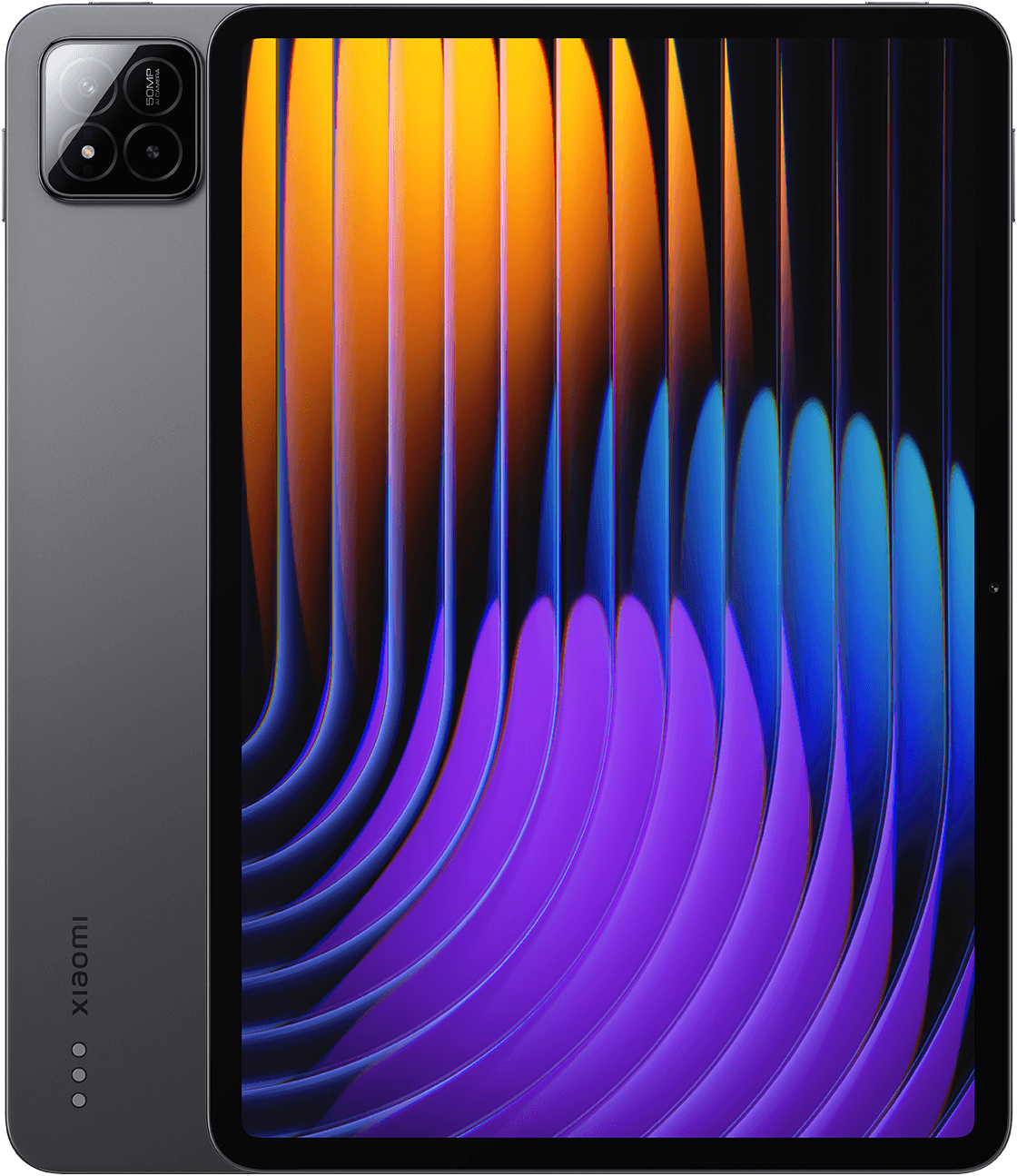
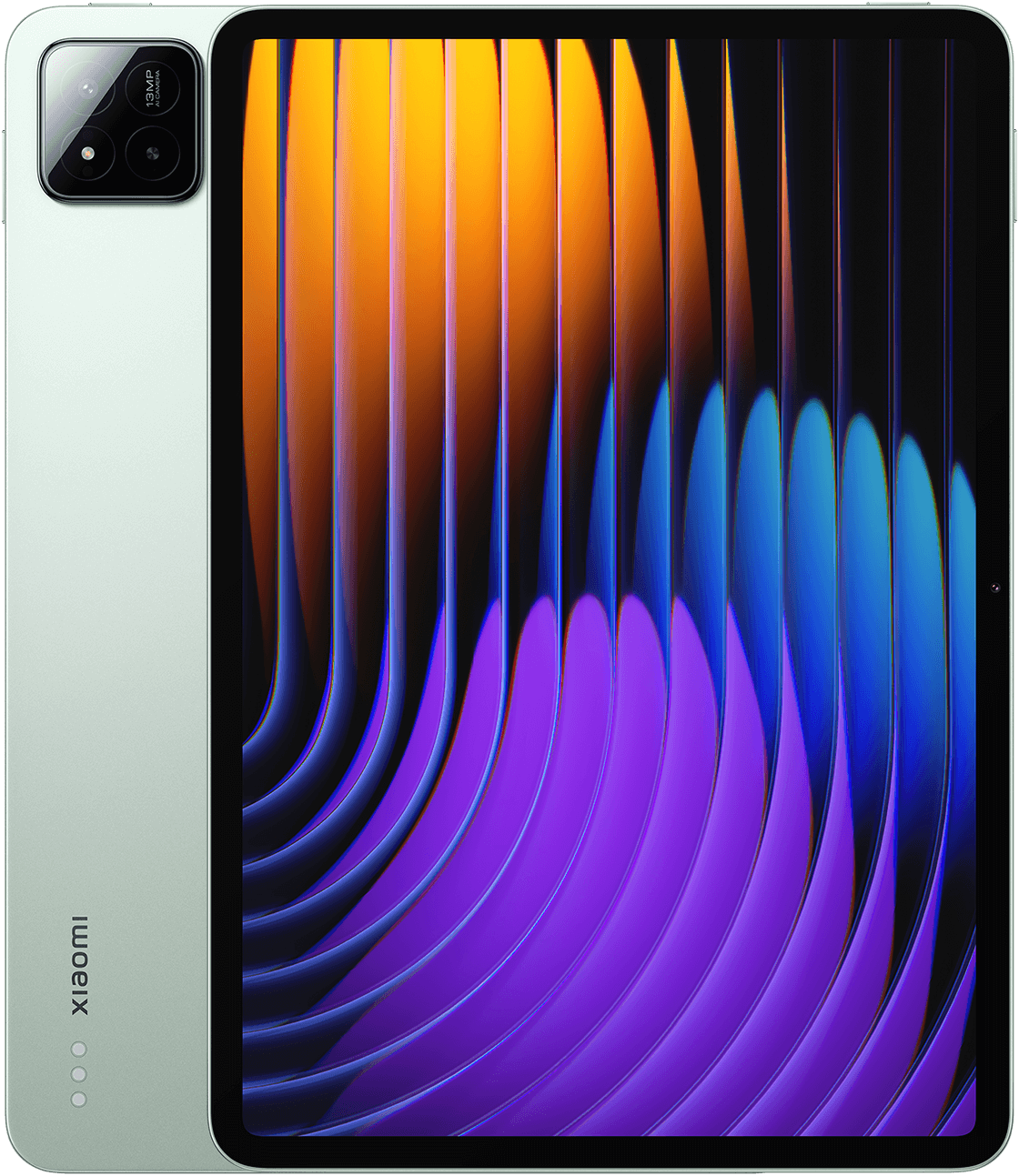
Across professional reviews and long-term owner discussions, the Xiaomi Pad 7 Pro is widely regarded as Xiaomi's most convincing premium Android tablet play — a roughly eleven-inch slab that shares the Pad 7 chassis at 173.42 mm wide, 251.22 mm tall, 6.18 mm thick, and 500 g while stepping up to Snapdragon 8s Gen 3 silicon, a side fingerprint scanner, 67W wired charging, and an 8850mAh cell.
For readers evaluating handling before purchase, this summary focuses on real ownership — handheld comfort at 500 g, bag portability, Focus Pen and Focus Keyboard ergonomics, 67W charging habits, LCD versus OLED expectations, regional matte availability, and incremental gains over the standard Pad 7 — rather than promotional HyperOS claims or isolated benchmark peaks.
Daily use
In daily use, the Xiaomi Pad 7 Pro is consistently described as responsive for mixed tablet workloads: HyperOS animations, browser tabs beside note apps, PDF markup, streaming on the 144Hz panel, and casual gaming on Snapdragon 8s Gen 3.
The 3.2K LCD at 144Hz suits productivity-first owners. High-refresh scrolling helps long article reading and spreadsheet review, and peak brightness suits well-lit rooms. Color and contrast trail OLED siblings in Samsung and Apple lineups, yet text clarity and optional matte finishes earn appreciation from readers who prioritize comfort and anti-glare over cinematic blacks.
HyperOS 2 receives credit for Workstation windowing, customizable gestures, and Xiaomi's improving tablet launcher when owners invest setup time. Friction includes preinstalled regional apps on some SKUs, notification duplication, floating-window quirks, and moments where global ROM polish lags the hardware — especially when switching between phone-linked features and desk-first keyboard workflows.
Pad 7 Pro
View the full specifications, dimensions, pricing, and related models.
Camera
Camera feedback centers on utility rather than photographic ambition. Rear and front sensors handle document scanning, whiteboard capture, and desk-propped video calls — the workloads remote students and hybrid workers actually need.
Owners rarely buy the Pad 7 Pro for imaging; low light trails phones. Classroom snapshots and recipe captures land as good enough; creative photography redirects to smartphones without surprise.
Battery and charging
Typical workdays end with reserve for moderate use: meetings, notes, browsing, intermittent streaming on the 8850mAh cell. Heavy outdoor brightness, sustained gaming, or all-day video marathons push evening top-ups but rarely midday panic for most owners.
Sixty-seven-watt charging is among the most repeated positives — brief locker or desk sessions add substantial range versus older Xiaomi tablet chargers and many iPad configurations. Owners adapt quickly to between-meeting top-ups.
Performance
App launches, stylus ink, and split-screen browsing feel smooth for premium Android expectations on Snapdragon 8s Gen 3 and the 144Hz panel — a clear step up from standard Pad 7 silicon and from many midrange Galaxy Tab SKUs.
Multitasking pairs — notes beside PDF, browser beside video — resume reliably when HyperOS allows the window configuration. Side fingerprint unlock is generally praised as faster and more dependable than face-only tablet security on competing hardware.
Handling and portability
At 173.42 mm wide, 251.22 mm tall, and 500 g, the Xiaomi Pad 7 Pro is manageable for short handheld sessions — secure bezel grips for notification checks, thumb scrolling, and brief stylus jots while standing, tasks that feel heavier on thirteen-inch tablets or keyboard-attached bundles.
The Xiaomi Pad 7 Pro does not fit jacket or jeans pockets. Portability means daypacks and messenger bags where 251.22 mm height slides in more easily than keyboard-attached thirteen-inch setups or thick rugged cases.
For extended reading, note-taking, and streaming, the Pad 7 Pro is comfortable for forty-five-to-ninety-minute sessions when propped on lap, pillow, or stand. The half-kilogram weight reduces forearm fatigue compared with thirteen-inch pro tablets, which owners more often associate with position shifts during long PDF study.
Build quality
At 500 g and 6.18 mm thin, the shared Pad 7 chassis resists normal backpack flex and feels more premium than the price suggests. Owners describe tight panel gaps, solid speakers for the size class, and a flat back that mates cleanly with Focus Keyboard magnets.
Side fingerprint placement earns praise for reliability relative to under-display tablet sensors on some rivals. Buttons feel precise; finishes hide fingerprints reasonably across color options, though slippery sides motivate cases for handheld readers.
Considering another Xiaomi Pad 7 model?
Similar size devices
This summary is based on recurring reports from public discussions.