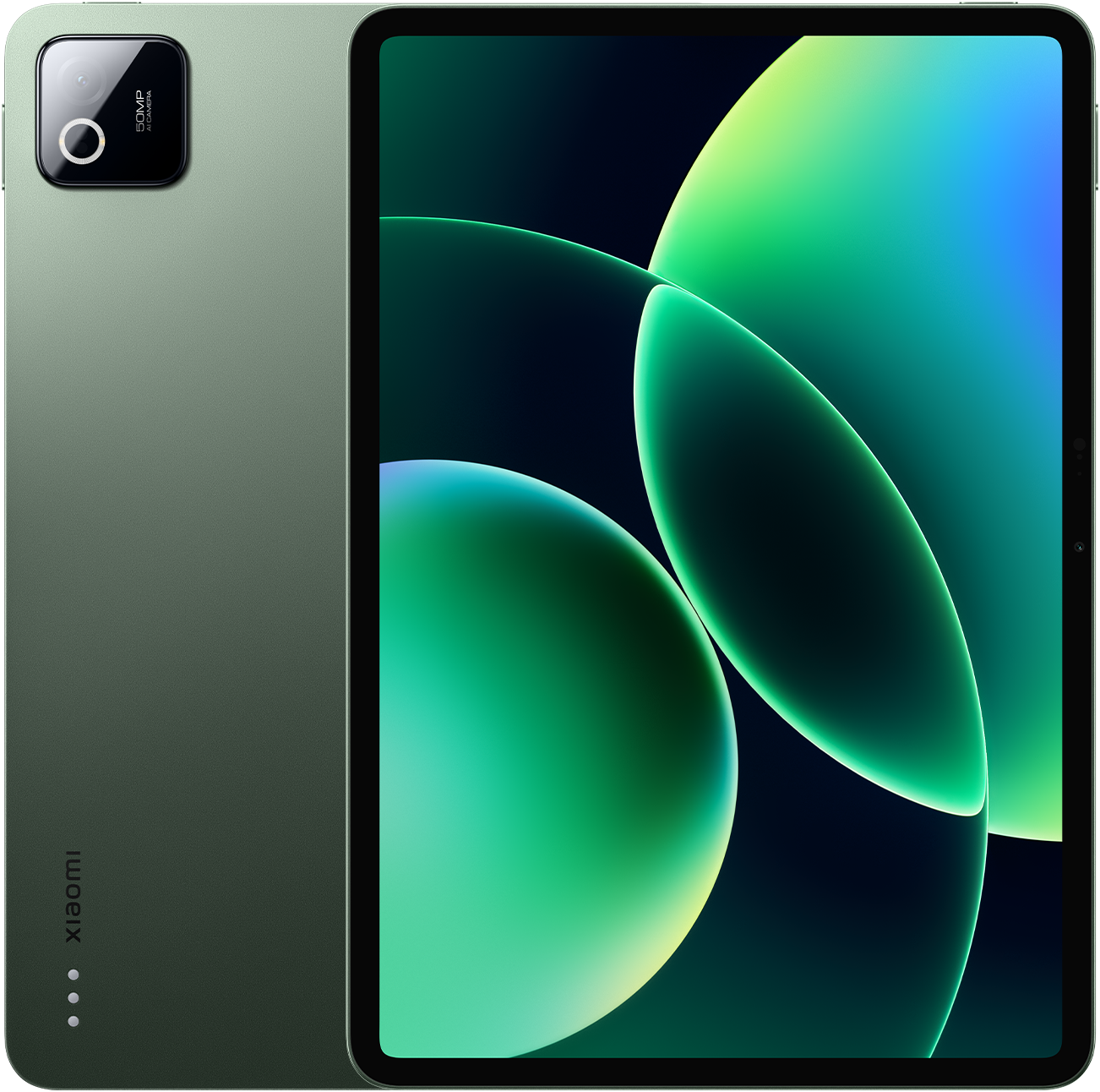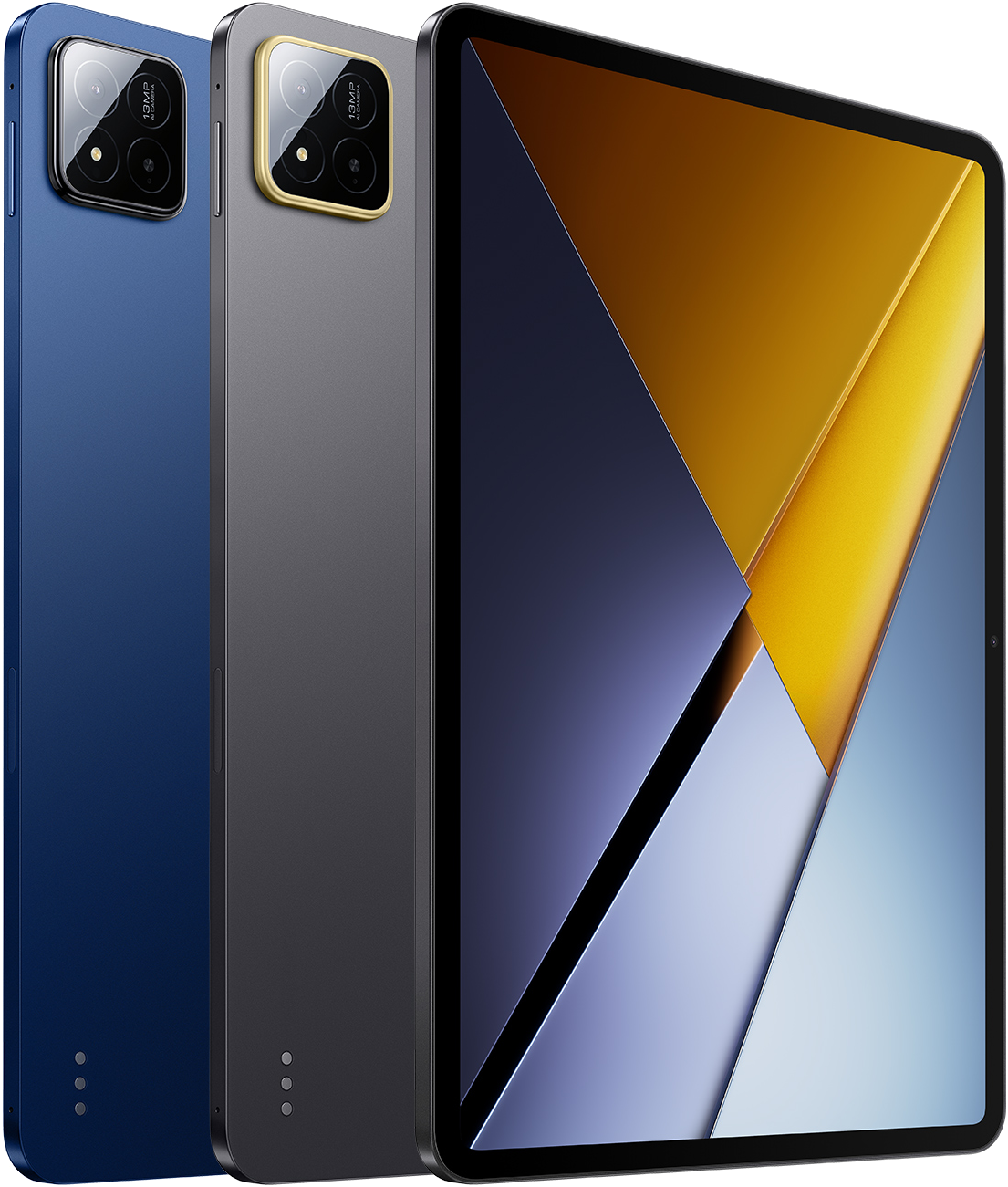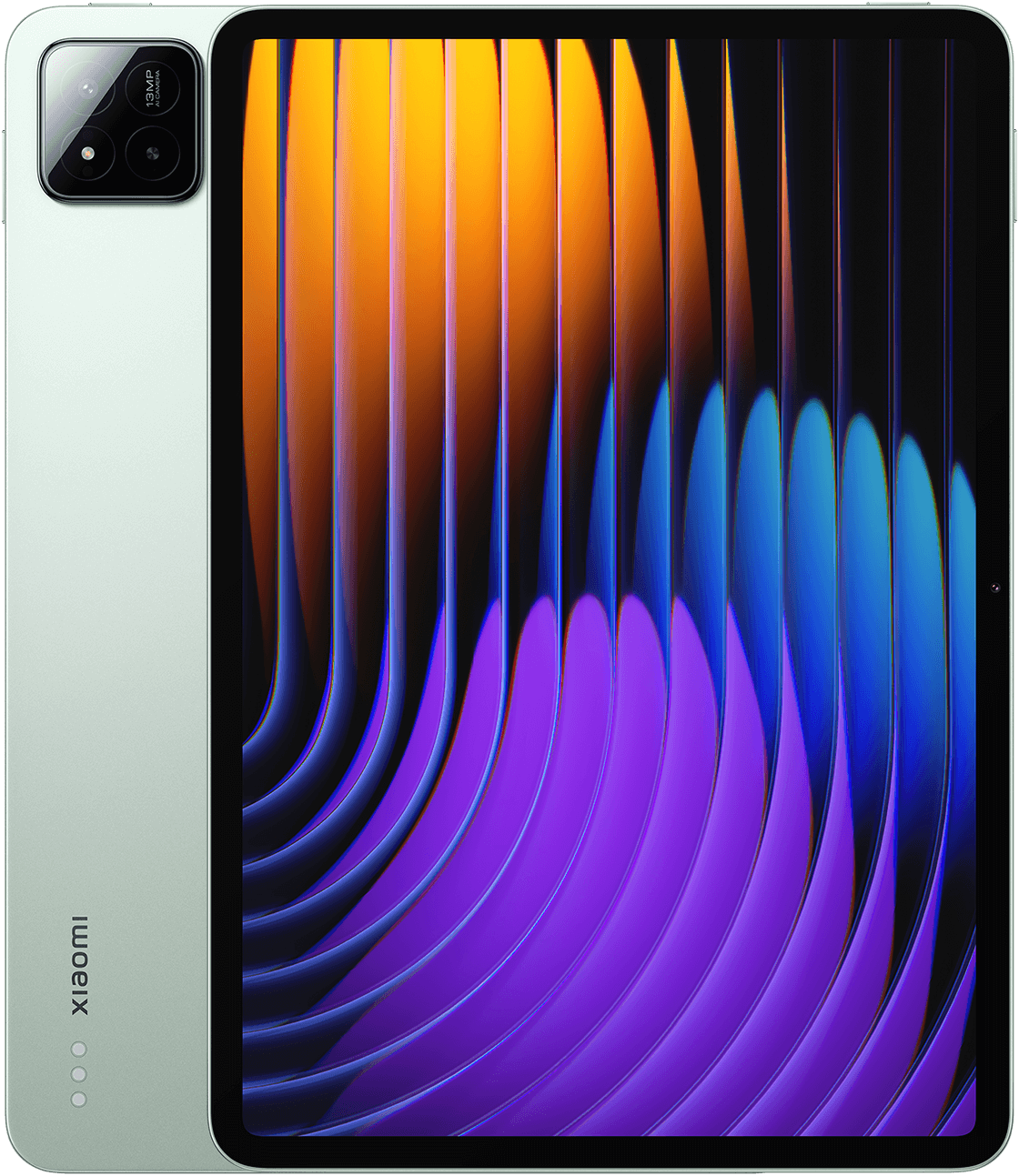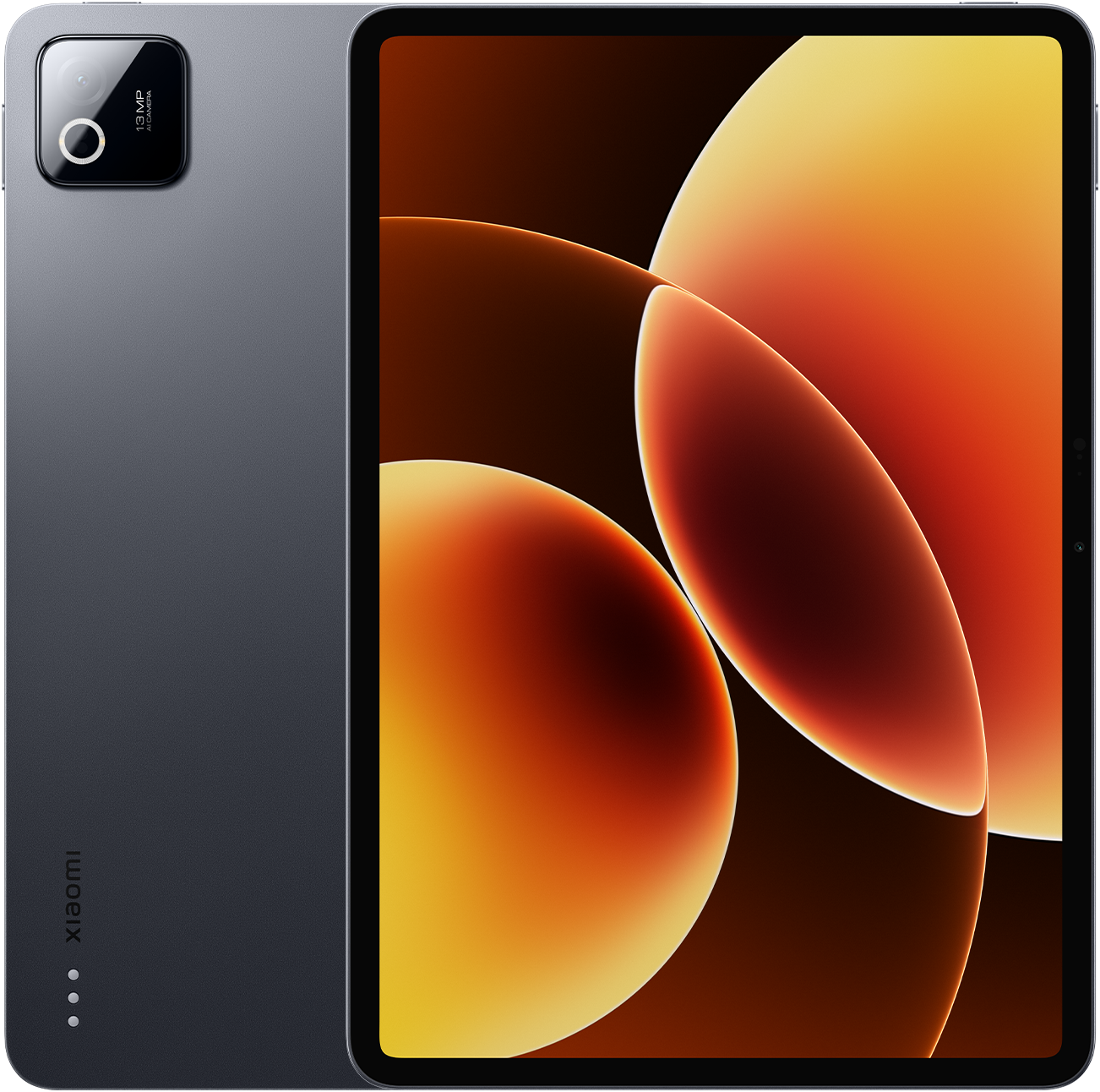
Official manufacturer render.
Xiaomi
Pad 8
- 11.2-inch
- Snapdragon 8s Gen 4 · 1× X4 @ 3.2 GHz + 3× A720 @ 3.0 GHz + 2× A720 @ 2.8 GHz + 2× A720 @ 2.0 GHz
- 485 g
- 9200 mAh
Available colors
Selected: Gray
Physical specifications
11.2"
Display size
485 g
Weight
251.2 mm
Height
173.4 mm
Width
5.8 mm
Thickness
—
Aspect ratio
Release and pricing
- Released
- September 25, 2025
Display
- Display size
- 11.2"
- Display technology
- LCD
- Resolution
- 3200 × 2136
- Refresh rate
- 144 Hz
- Peak brightness
- 800 nits
Performance
- Chipset
- Snapdragon 8s Gen 4
- CPU
- 1× X4 @ 3.2 GHz + 3× A720 @ 3.0 GHz + 2× A720 @ 2.8 GHz + 2× A720 @ 2.0 GHz
- GPU
- Adreno 825
- RAM
- 8 GB, 12 GB
- Storage
- 128 GB, 256 GB, 512 GB
- Expandable storage
- No
Battery & charging
- Typical capacity
- 9200 mAh
- Wired charging
- 45 W
- Charging standard
- 45W turbo charging
Cameras
- Rear cameras
- Wide · 13 MP · ƒ/2.2 · PDAF
- Front cameras
- Front · 8 MP · ƒ/2.28
- Video recording
- 4K@30fps, 1080p@30fps, 1080p@60fps
Connectivity
- Wi‑Fi
- Wi‑Fi 7
- USB
- USB‑C 3.2 Gen 1
Sizometry Analysis
Overall Score
8.0
out of 10
A polished mid-tier Android tablet that refines the Pad 7 formula with a thinner 485 g chassis, Snapdragon 8s Gen 4 speed, 9,200 mAh endurance, and a complete stylus-and-workstation package — held back mainly by debatable Pad 7 upgrade value, missing fingerprint unlock, LCD versus OLED tradeoffs, and thin long-term ownership data.
Category scores
Camera
7.0
Adequate document scanning and video calls for study and remote-work workflows without imaging ambition.
Battery and charging
8.5
Dependable couch-and-campus endurance with 67W wired charging among the most praised mid-tier traits in early reports.
Performance
8.0
Smooth for notes and media on 8s Gen 4 with clear headroom gap versus Pad 8 Pro under heavy gaming load.
Handling and portability
6.5
485 g and 5.75 mm profile easier to cradle short-term than heavier 12-inch alternatives. Backpack-friendly rather than pocketable, yet competitive weight for an 11.2-inch 3.2K tablet.
Build quality
8.0
Premium-feeling thin chassis for the price, with no IP rating and biometrics absence as soft spots.
Value
8.0
A polished mid-tier Android tablet that refines the Pad 7 formula with a thinner 485 g chassis, Snapdragon 8s Gen 4 speed, 9,200 mAh endurance, and a complete stylus-and-workstation package — held back mainly by debatable Pad 7 upgrade value, missing fingerprint unlock, LCD versus OLED tradeoffs, and thin long-term ownership data.
Strengths
- Complete mid-tier package with 3.2K 144Hz LCD, stylus, and 67W charging
- Thinner 485 g body improves daily carry versus Pad 7
- Snapdragon 8s Gen 4 strong for productivity without Pro pricing
Weaknesses
- Incremental over Pad 7 for satisfied owners debating 2026 upgrade math
- No fingerprint sensor — face unlock and PIN only
- LCD less cinematic than OLED tablets; long-term data still thin
Best for
- Students and remote workers wanting stylus productivity without Pro cost
- Upgraders from Pad 6 or budget Android tablet hardware
- Buyers who value 3:2 reading and workstation mode with USB video out
- Note-takers comfortable with LCD tradeoffs at mid-tier pricing
Less suitable for
- Pad 7 owners seeking a must-upgrade leap
- Heavy gamers and 4K editors who need Pad 8 Pro silicon
- HDR media enthusiasts sensitive to LCD black levels
- Users who require fingerprint unlock on a tablet
Upgrade recommendation
Current device: Pad 6 or budget Android tablet
Recommendation: Strongly recommendedNotes: 144Hz 3.2K LCD, 67W charging, 8s Gen 4, and stylus support address multi-year budget-tablet pain points.
Current device: Xiaomi Pad 7
Recommendation: Depends on prioritiesNotes: Incremental gains in thinness, chip, and charging — strongest for owners already frustrated by Pad 7 limits.
Current device: Pad 7 (satisfied)
Recommendation: Probably unnecessaryNotes: Modest refinements unless battery health, performance, or 67W charging personally matter.
Current device: Heavy gaming or 4K editing
Recommendation: Depends on prioritiesNotes: Pad 8 Pro adds Snapdragon 8 Elite headroom at similar size and weight class.
Current device: OLED-focused buyers
Recommendation: Depends on prioritiesNotes: iPad Pro or AMOLED Android tablets better match cinematic display expectations than this LCD Pad.
Everyday usability
Estimated from device dimensions and weight.
Handling
Two-handed preferredTwo-handed use is generally the more natural way to hold this device.
Bag portability
LimitedNot intended for pocket carry; plan on a bag, sleeve, or hand carry.
Carry comfort
BalancedWeight sits in a balanced range for everyday holding and carrying.
Reading and media
A familiar tablet size for reading, browsing, and video.
Gaming
SuitableIts hardware should handle most modern games, though demanding titles may benefit from adjusted settings.
Bottom line
The Xiaomi Pad 8 earns early respect as Xiaomi's sensible mid-tier tablet for 2026 — a thinner 485 g refinement of the Pad 7 with Snapdragon 8s Gen 4, 9,200 mAh stamina, 67W charging, quad speakers, stylus support, and workstation mode in an 11.2-inch 3:2 package that fits real bags. Dominant tradeoffs are debatable Pad 7 upgrade value, no fingerprint sensor, LCD richness versus OLED rivals, and thin long-term ownership evidence. Want maximum silicon at the same footprint? Cross-shop the Pad 8 Pro. Happy with Pad 7?
Models and configurations
- Storage
- 128 GB256 GB512 GB
- Colors
- Pine GreenBlueGray
- RAM
- 8 GB12 GB
Compare this device at its real-world size.
Use the Sizometry Tool to compare dimensions, thickness, and weight with other devices.
Open Tool →