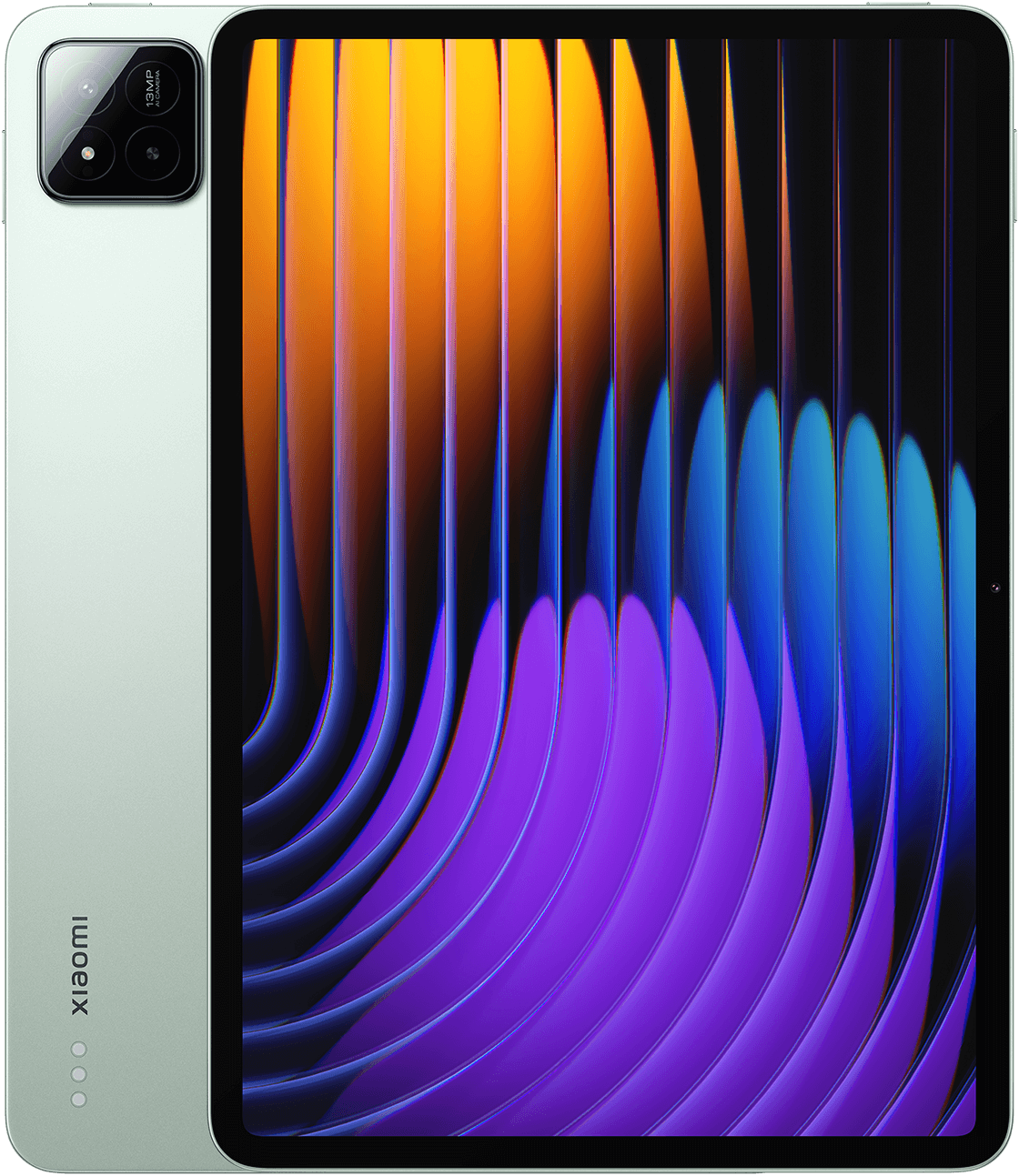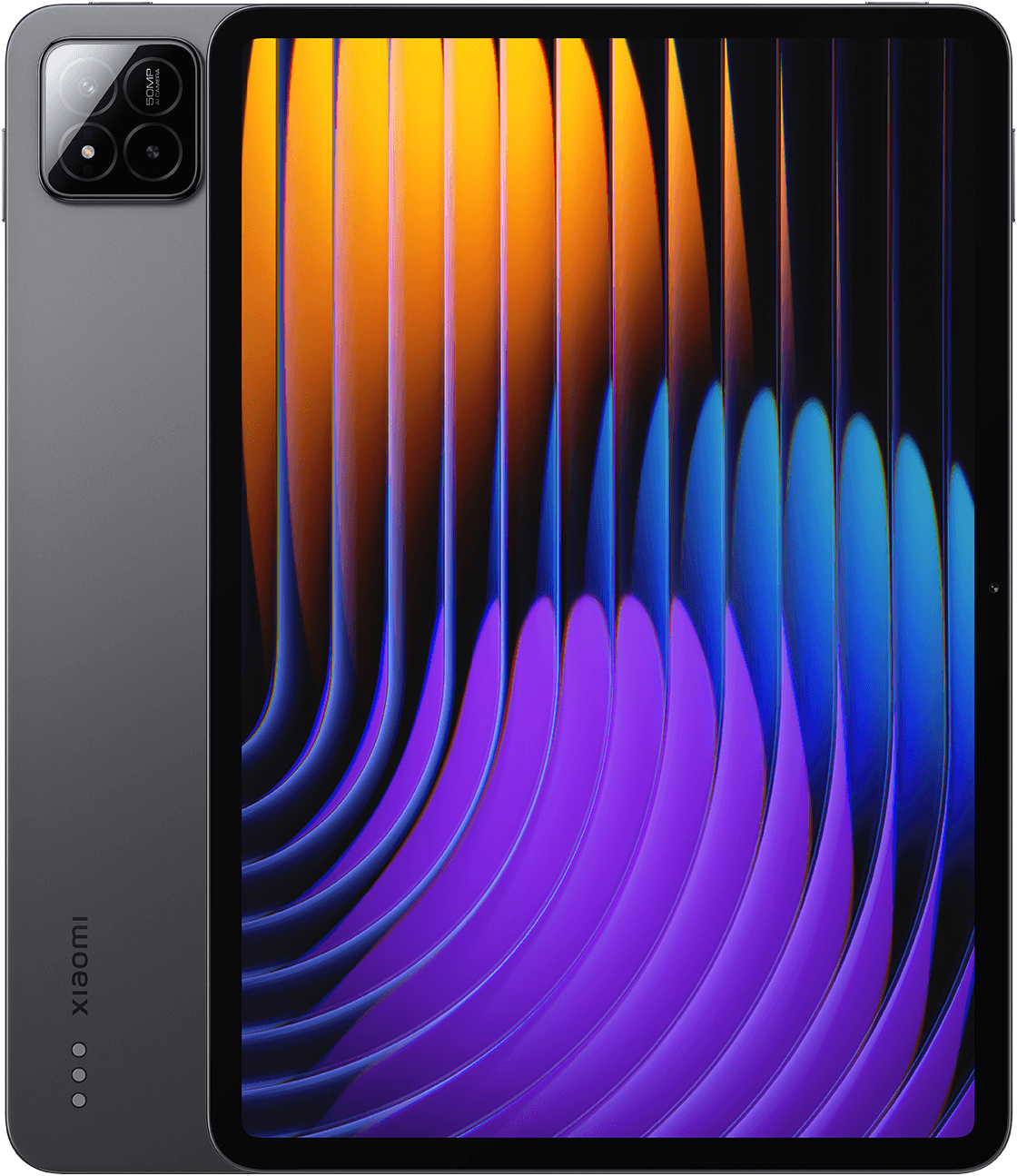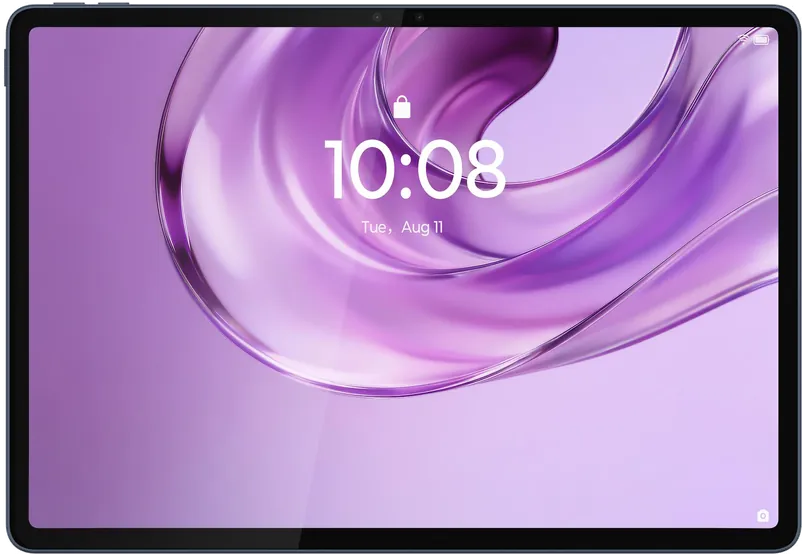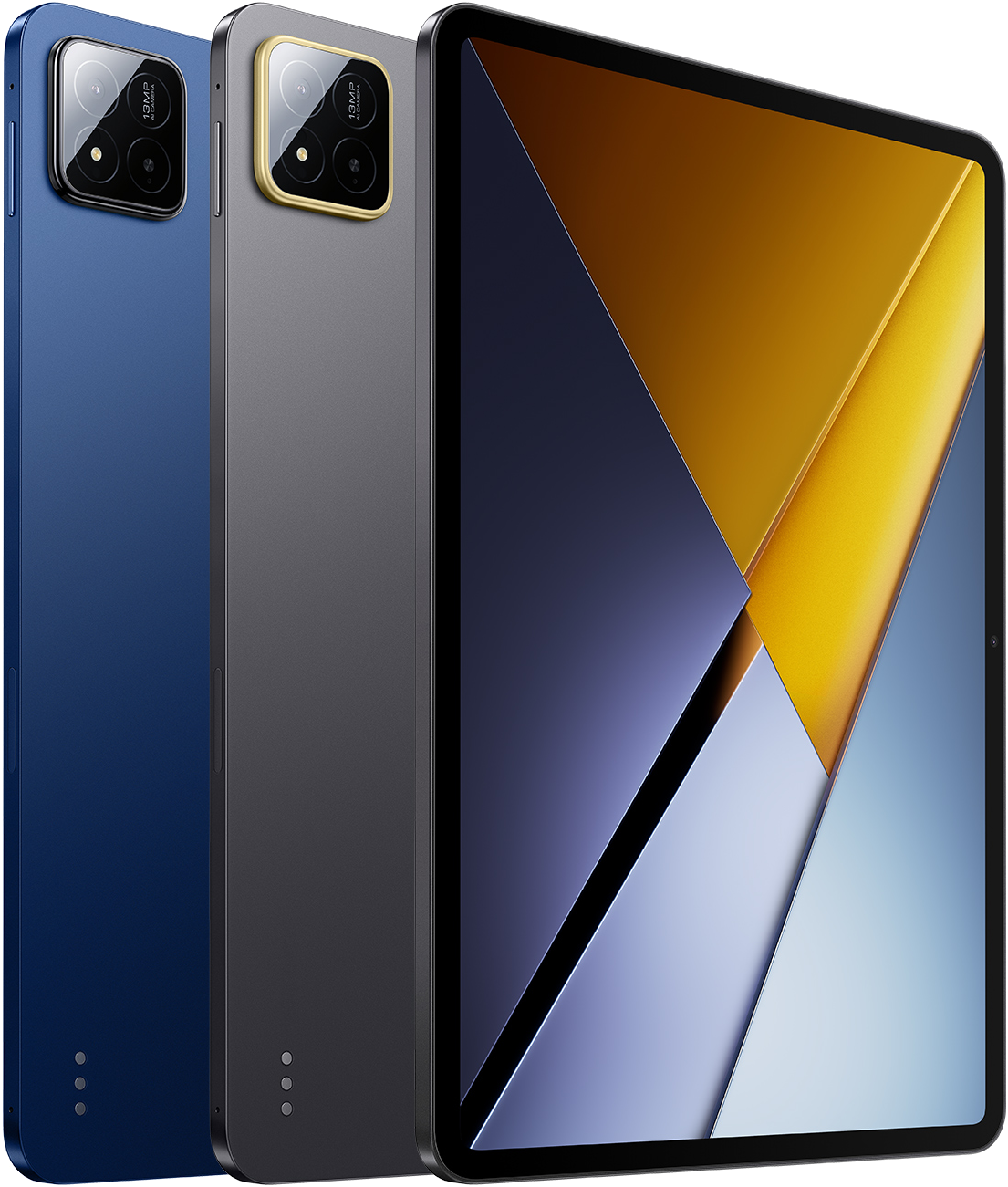
Official manufacturer render.
POCO
Pad X1
- 11.2-inch
- Snapdragon 7+ Gen 3
- 500 g
- 8850 mAh
- From $399
Physical specifications
11.2"
Display size
500 g
Weight
251.2 mm
Height
173.4 mm
Width
6.2 mm
Thickness
—
Aspect ratio
Release and pricing
- Released
- November 26, 2025
- Starting price
- $399
- Market
- Global
- Configuration
- 8 GB + 512 GB
Display
- Display size
- 11.2"
- Display technology
- LCD
- Resolution
- 3200 × 2136
- Refresh rate
- 144 Hz
- Peak brightness
- 800 nits
Performance
- Chipset
- Snapdragon 7+ Gen 3
- RAM
- 8 GB
- Storage
- 512 GB
- Expandable storage
- No
Battery & charging
- Typical capacity
- 8850 mAh
- Wired charging
- 45 W
- Charging standard
- 45W charging
Cameras
- Rear cameras
- Wide · 13 MP · PDAF
- Front cameras
- Front · 8 MP
- Video recording
- 4K@30fps, 1080p@30fps, 1080p@60fps
Connectivity
- Wi‑Fi
- Wi‑Fi 6E
- Bluetooth
- Bluetooth 5.4
- USB
- USB‑C 3.2 Gen 1
Sizometry Analysis
Overall Score
8.0
out of 10
A compelling midrange tablet pairing a sharp 11.2-inch 3:2 144Hz display, capable Snapdragon 7+ Gen 3 performance, and practical 45W charging near $399 launch pricing, held back mainly by face-unlock-only security, separately sold productivity accessories, younger long-term owner data, and regional availability gaps.
Category scores
Camera
7.0
13 MP rear improves scanning utility; still not an imaging priority for tablet buyers.
Battery and charging
7.5
8850mAh solid for daily use with excellent 45W recovery; trails Pad M1 marathon stamina.
Performance
8.0
Snapdragon 7+ Gen 3 smooth for study and moderate gaming; warmth under heavy sustained loads.
Handling and portability
6.0
500 g manageable for brief tasks; tall 3:2 canvas exceeds sustained one-hand comfort. Backpack-friendly rather than pocketable, typical for 11-inch productivity tablets.
Build quality
8.0
Slim 6.18 mm chassis and premium-feel specs for POCO pricing; no fingerprint or IP rating.
Value
8.0
A compelling midrange tablet pairing a sharp 11.2-inch 3:2 144Hz display, capable Snapdragon 7+ Gen 3 performance, and practical 45W charging near $399 launch pricing, held back mainly by face-unlock-only security, separately sold productivity accessories, younger long-term owner data, and regional availability gaps.
Strengths
- Outstanding display and chipset value for midrange tablet pricing
- 45W charging and Wi-Fi 6E feel modern versus Redmi budget alternatives
- 3:2 144Hz canvas elevates reading and split-screen productivity
Weaknesses
- Accessories and biometrics cost extra mental and financial overhead
- Mixed reports stem from limited long-term ownership and spotty regional retail
- Battery capacity smaller than Pad M1 for couch marathon streamers
Best for
- Productivity-minded students wanting 3:2 sharpness without iPad money
- Xiaomi ecosystem households prioritizing HyperOS interconnect
- Buyers who treat fast charging as a daily quality-of-life feature
Less suitable for
- Marathon battery shoppers who prioritize 12000mAh over chipset speed
- Users demanding fingerprint unlock and bundled keyboard docks
- Markets where import pricing erodes POCO value proposition
Upgrade recommendation
Current device: Redmi Pad or Pad SE
Recommendation: Strongly recommendedNotes: 3:2 144Hz display, Snapdragon 7+ Gen 3, 45W charging, and Wi-Fi 6E address core midrange tablet gaps.
Current device: Pad M1 (productivity focus)
Recommendation: Worth consideringNotes: Meaningful gains in aspect ratio, refresh, and silicon if 8850mAh endurance suffices.
Current device: Pad X1 (satisfied)
Recommendation: Probably unnecessaryNotes: Incremental jump unless Pad M1 battery or flagship OLED tablets personally matter.
Current device: Need maximum battery and microSD
Recommendation: Depends on prioritiesNotes: Pad M1 adds 12000mAh tank, microSD, and reverse charging at the cost of slower silicon.
Current device: Xiaomi Pad 7 cross-shopper
Recommendation: Depends on prioritiesNotes: Parallel hardware cousins — choose POCO or Xiaomi based on regional pricing and ROM preference.
Everyday usability
Estimated from device dimensions and weight.
Handling
Two-handed preferredTwo-handed use is generally the more natural way to hold this device.
Bag portability
LimitedNot intended for pocket carry; plan on a bag, sleeve, or hand carry.
Carry comfort
BalancedWeight sits in a balanced range for everyday holding and carrying.
Reading and media
A familiar tablet size for reading, browsing, and video.
Gaming
SuitableIts hardware should handle most modern games, though demanding titles may benefit from adjusted settings.
Bottom line
The POCO Pad X1 earns respect as one of the clearest midrange productivity values in POCO's tablet lineup — 3:2 144Hz sharpness, Snapdragon 7+ Gen 3, 45W charging, and Wi-Fi 6E in a 500 g body that fits real student backpacks. Dominant tradeoffs are face unlock only, accessory spend for pen and keyboard workflows, and thinner long-term owner data than established Redmi lines. Want maximum battery and microSD? Cross-shop Pad M1. Want mature global retail everywhere? Verify local POCO availability before committing.
Models and configurations
- Storage
- 512 GB
- Colors
- `poco-pad-x1`
- RAM
- 8 GB
Compare this device at its real-world size.
Use the Sizometry Tool to compare dimensions, thickness, and weight with other devices.
Open Tool →