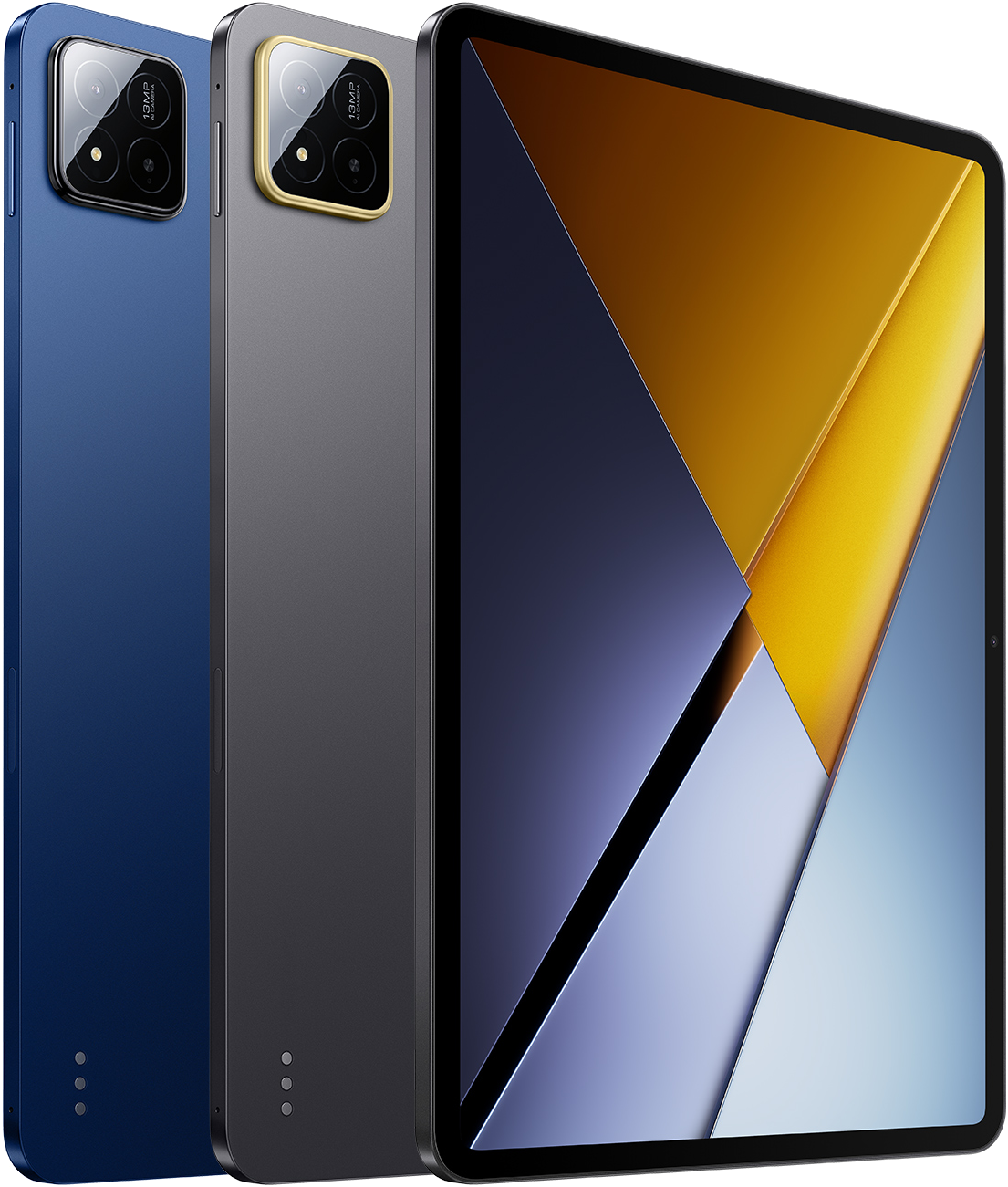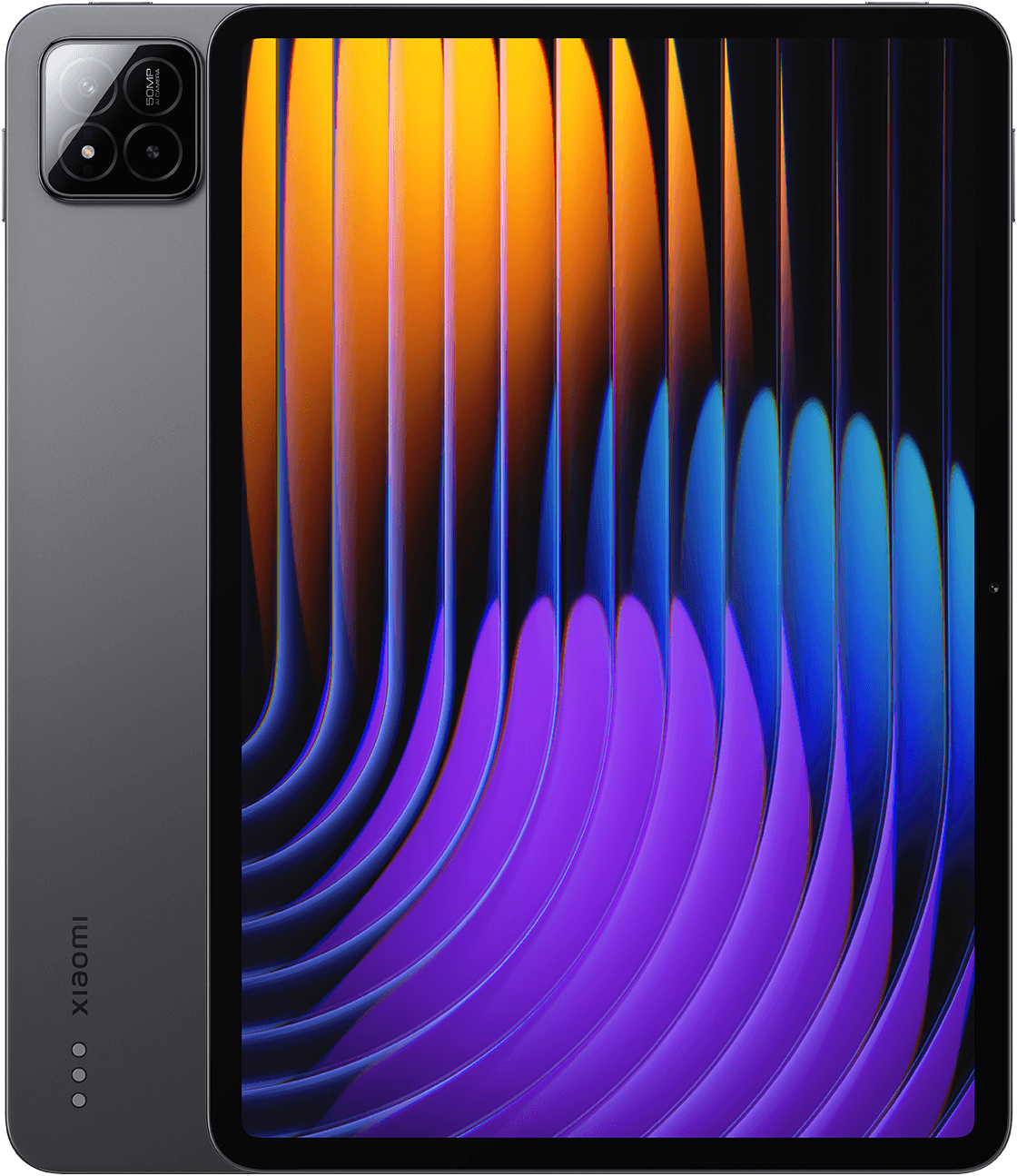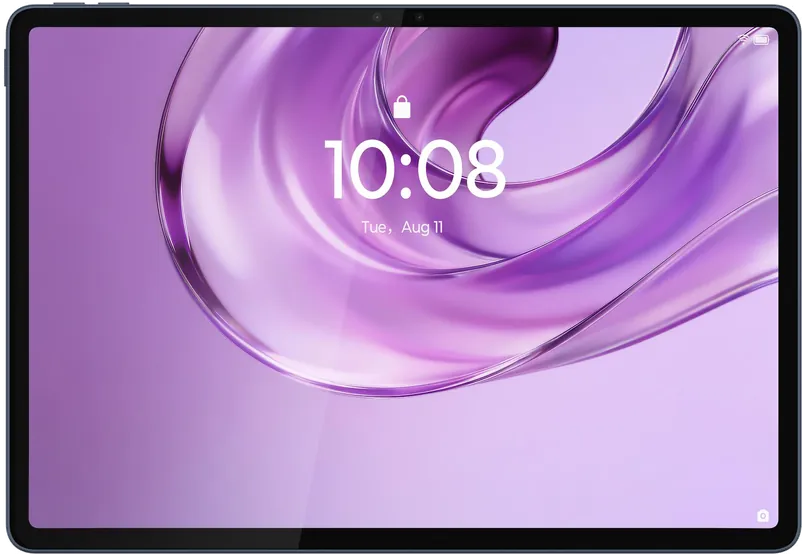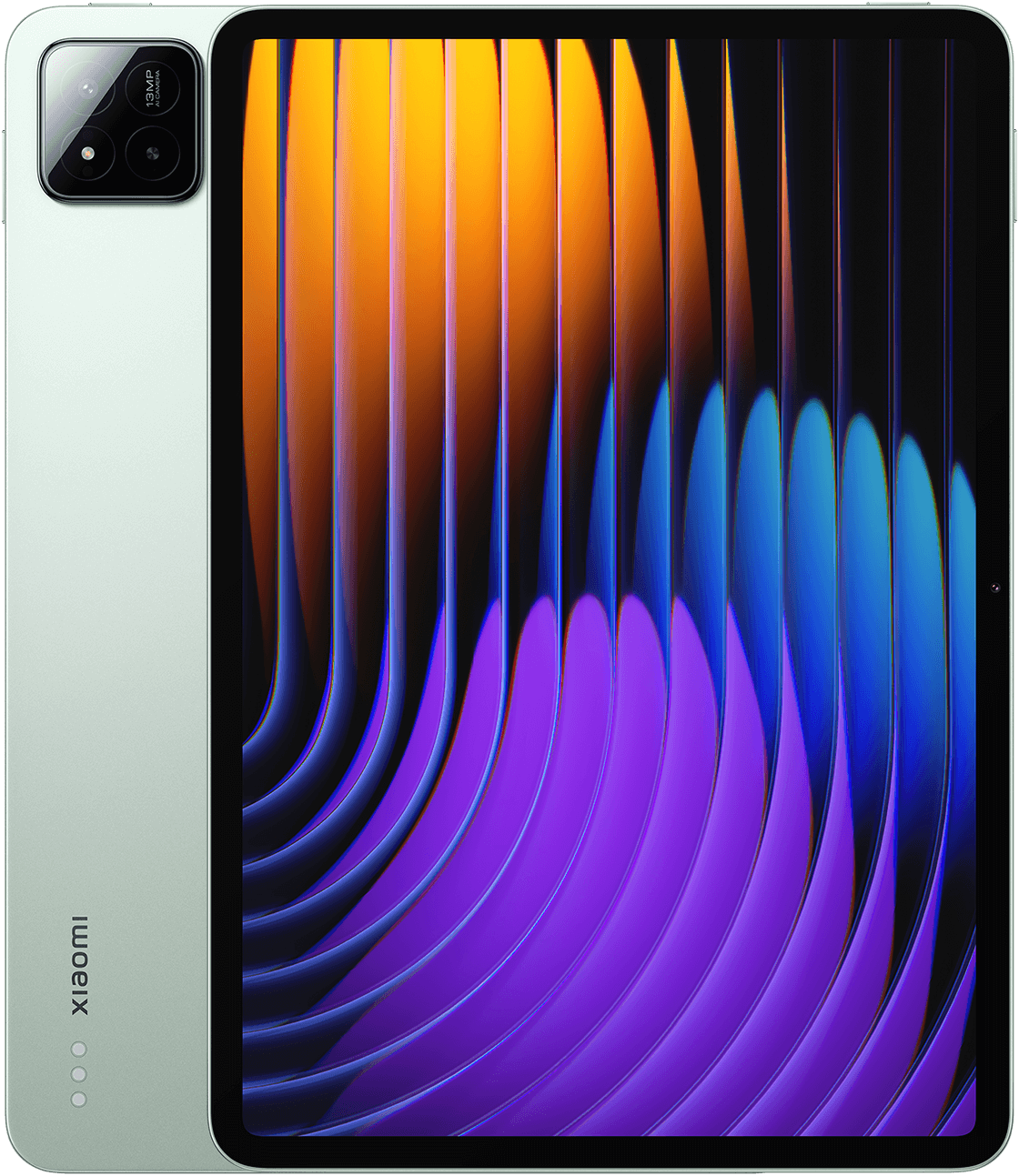
Official manufacturer render.
Xiaomi
Pad 7
- 11.2-inch
- Snapdragon 7+ Gen 3 Mobile Platform
- 500 g
- 8850 mAh
Available colors
Selected: Green
Physical specifications
11.2"
Display size
500 g
Weight
251.2 mm
Height
173.4 mm
Width
6.2 mm
Thickness
—
Aspect ratio
Release and pricing
- Released
- October 29, 2024
Display
- Display size
- 11.2"
- Display technology
- LCD
- Resolution
- 3200 × 2136
- Refresh rate
- 144 Hz
- Peak brightness
- 800 nits
Performance
- Chipset
- Snapdragon 7+ Gen 3 Mobile Platform
- RAM
- 8 GB, 12 GB
- Storage
- 128 GB, 256 GB
- Expandable storage
- No
Battery & charging
- Typical capacity
- 8850 mAh
- Wired charging
- 45 W
Cameras
- Rear cameras
- Wide · 13 MP · f/2.2
- Front cameras
- Selfie · 8 MP · f/2.28
Connectivity
- Wi‑Fi
- Wi-Fi 6E
- Bluetooth
- Bluetooth 5.4
- USB
- USB 3.2 Gen 1
Sizometry Analysis
Overall Score
8.0
out of 10
A standout mid-range tablet value pairing an excellent 11.2-inch 144Hz 3:2 display, strong battery, and capable Snapdragon 7+ Gen 3 performance near iPad Air money, held back mainly by HyperOS clutter, separately sold accessories, and missing fingerprint and cellular options on the standard model.
Category scores
Camera
7.0
Adequate document scanning and video calls for study and remote work without imaging ambition.
Battery and charging
8.5
8850mAh endurance and dependable multi-day use with practical 45W wired recovery.
Performance
7.5
Smooth for notes and media on Snapdragon 7+ Gen 3 with warmth under heavy gaming load.
Handling and portability
6.0
500 g and 11.2-inch footprint manageable for brief handheld tasks, not sustained one-hand reading. Backpack-friendly rather than pocketable, typical for productivity tablets without cellular trim.
Build quality
8.0
Premium-feeling slim chassis and strong quad speakers for the tier, minus fingerprint and water resistance.
Value
8.0
A standout mid-range tablet value pairing an excellent 11.2-inch 144Hz 3:2 display, strong battery, and capable Snapdragon 7+ Gen 3 performance near iPad Air money, held back mainly by HyperOS clutter, separately sold accessories, and missing fingerprint and cellular options on the standard model.
Strengths
- Exceptional display value with 144Hz 3:2 productivity canvas
- Strong battery life and solid quad-speaker media experience
- Capable everyday performance at aggressive mid-range pricing
Weaknesses
- HyperOS defaults feel busy until customized
- Stylus and keyboard cost extra with no fingerprint on standard model
- Workstation mode constrained by Android app scaling limits
Best for
- Students wanting high-refresh display and battery without flagship pricing
- Media-first buyers who value speakers and stamina over OLED
- Android users exploring split screen after setup investment
- Upgraders from older Pad 5 or Pad 6 hardware
Less suitable for
- Buyers expecting bundled pen and keyboard out of the box
- Users who want side fingerprint or 67W Pad 7 Pro perks
- Travelers needing cellular connectivity on the tablet
- Shoppers unwilling to tune HyperOS defaults
Upgrade recommendation
Current device: Pad 5, Pad 6, or budget Redmi Pad
Recommendation: Strongly recommendedNotes: 144Hz 3:2 display, Snapdragon 7+ Gen 3, 45W charging, and larger battery address multi-year mid-range tablet pain points.
Current device: Pad 6 (daily driver)
Recommendation: Worth consideringNotes: Meaningful gains in refresh, aspect ratio, stamina, and HyperOS generation for heavy tablet users.
Current device: Pad 7 (satisfied)
Recommendation: Probably unnecessaryNotes: Incremental jump unless fingerprint, 67W, or Pro-tier gaming personally matter.
Current device: Need biometrics and fastest charging
Recommendation: Depends on prioritiesNotes: Pad 7 Pro adds side fingerprint, 67W recovery, and higher-tier silicon at higher cost.
Current device: iPadOS ecosystem buyers
Recommendation: Depends on prioritiesNotes: Display and battery value are strong, but app library and accessory habits may still favor iPad.
Everyday usability
Estimated from device dimensions and weight.
Handling
Two-handed preferredTwo-handed use is generally the more natural way to hold this device.
Bag portability
LimitedNot intended for pocket carry; plan on a bag, sleeve, or hand carry.
Carry comfort
BalancedWeight sits in a balanced range for everyday holding and carrying.
Reading and media
A familiar tablet size for reading, browsing, and video.
Gaming
SuitableIts hardware should handle most modern games, though demanding titles may benefit from adjusted settings.
Bottom line
The Xiaomi Pad 7 earns respect as one of the clearest display-and-battery values in the current mid-range tablet lane — 144Hz 3:2 LCD, Snapdragon 7+ Gen 3, quad speakers, and 8850mAh stamina in a 500 g body that fits real backpacks. Dominant tradeoffs are HyperOS clutter until customized, accessories sold separately, and no fingerprint or cellular on the standard model. Want biometrics and 67W? Cross-shop Pad 7 Pro. Want maximum portability? Look at Pad Mini instead.
Models and configurations
- Storage
- 128 GB256 GB
- Colors
- BlueGreenGray
- RAM
- 8 GB12 GB
Compare this device at its real-world size.
Use the Sizometry Tool to compare dimensions, thickness, and weight with other devices.
Open Tool →