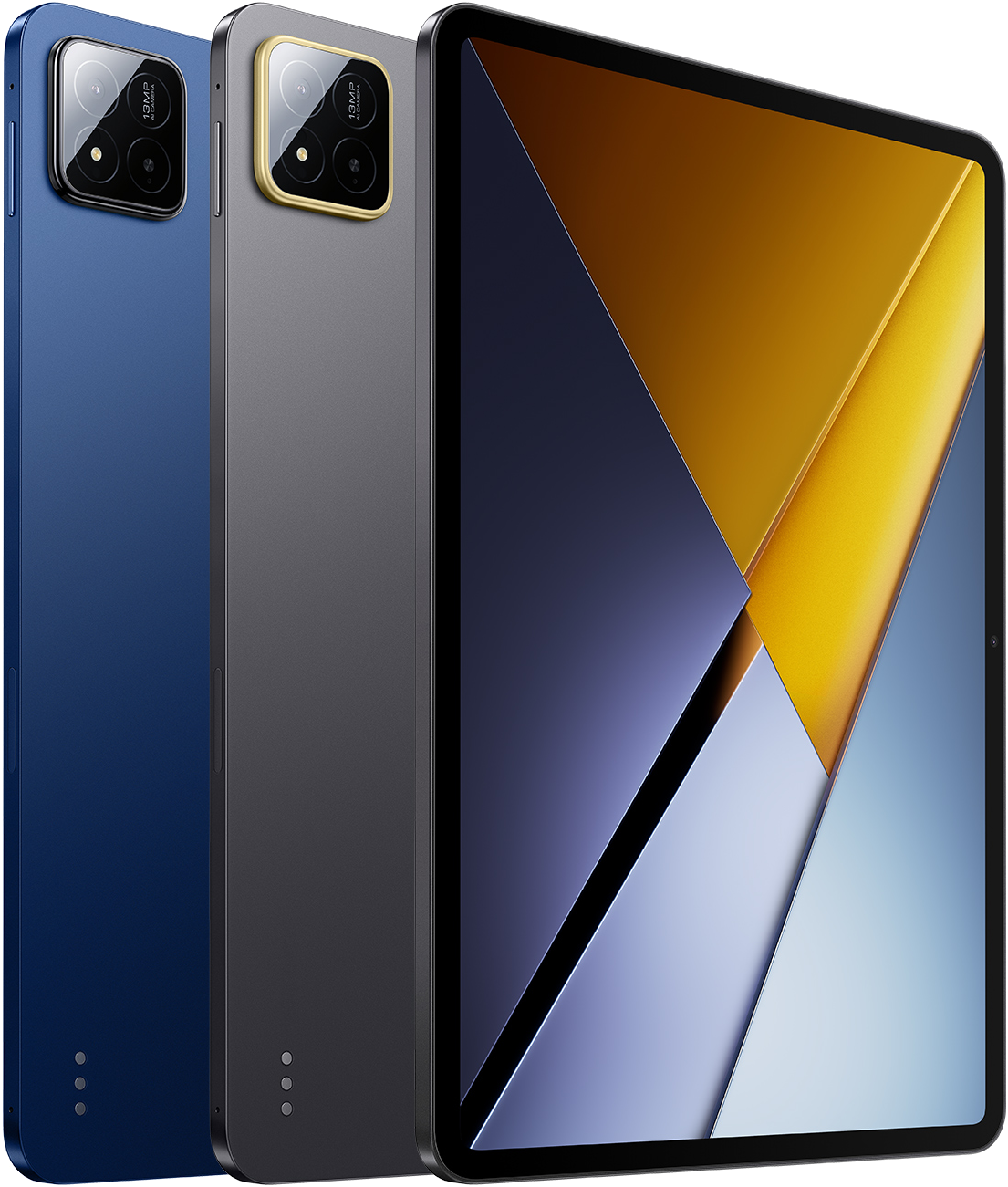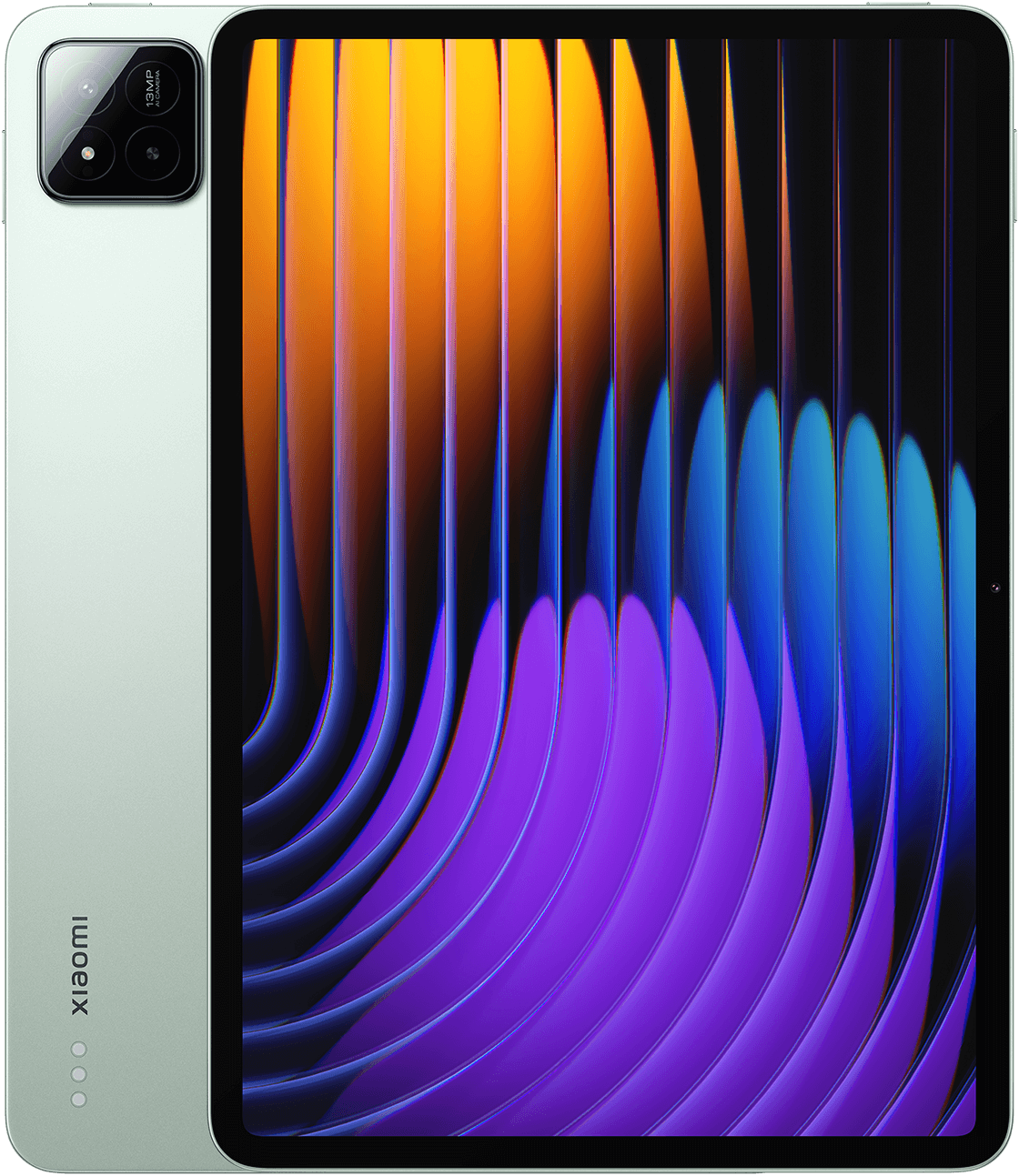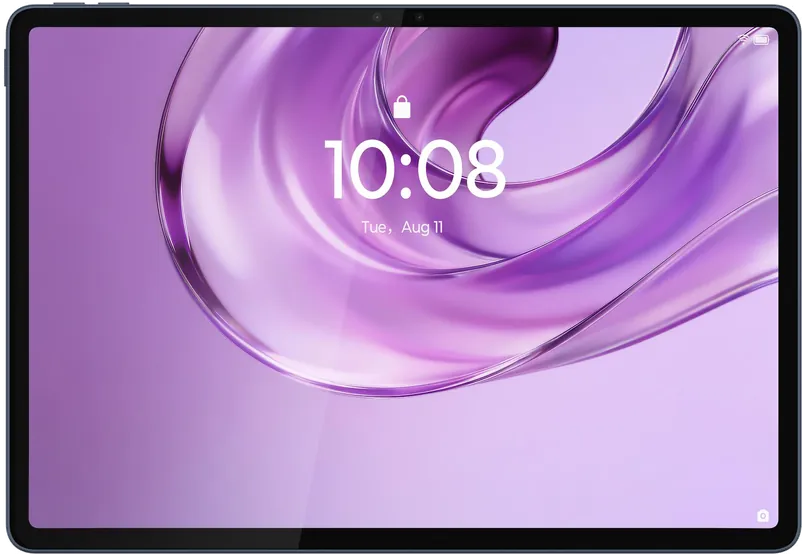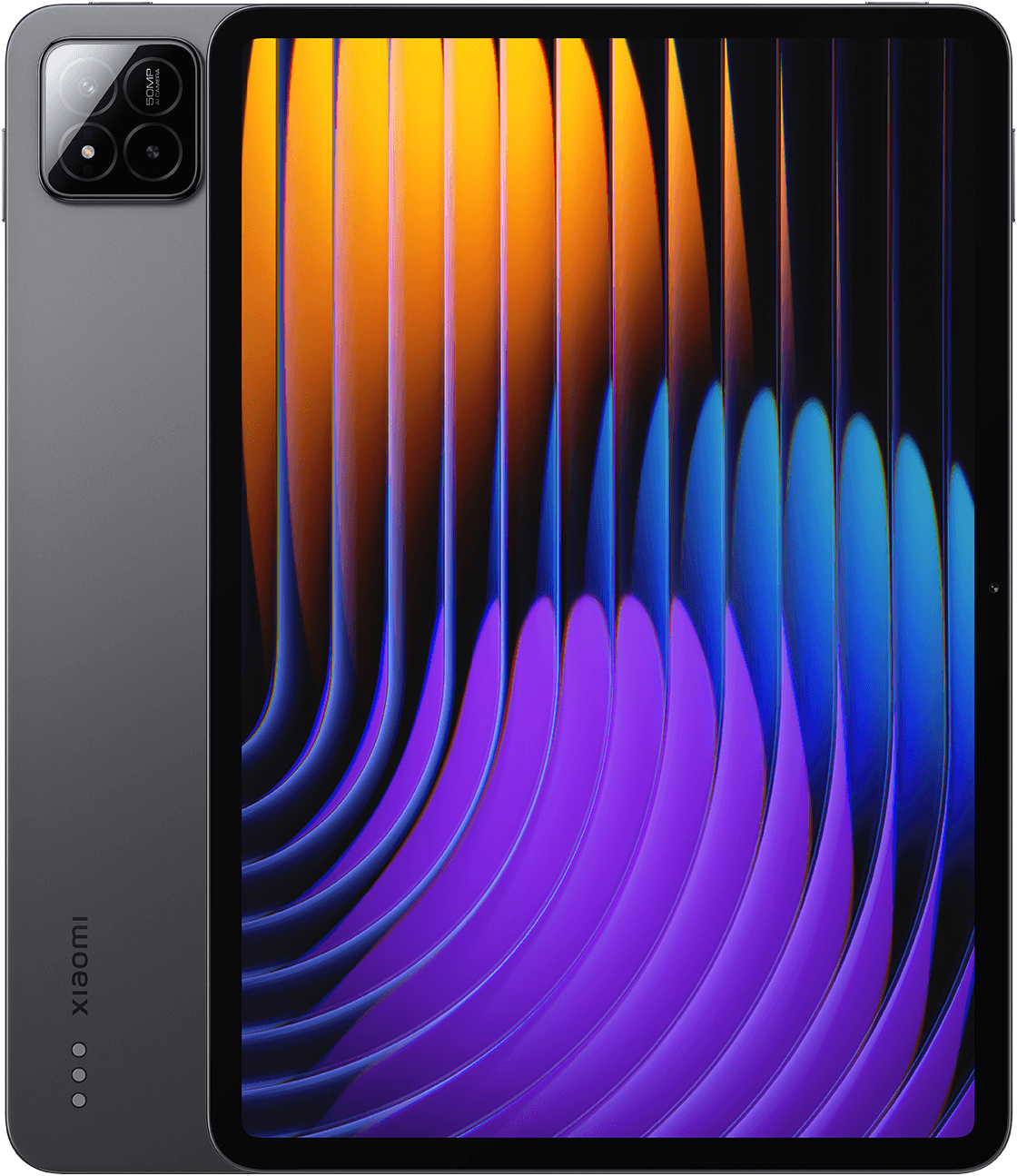
Official manufacturer render.
Xiaomi
Pad 7 Pro
- 11.2-inch
- Snapdragon 8s Gen 3 Mobile Platform
- 500 g
- 8850 mAh
Available colors
Selected: Gray
Physical specifications
11.2"
Display size
500 g
Weight
251.2 mm
Height
173.4 mm
Width
6.2 mm
Thickness
—
Aspect ratio
Release and pricing
- Released
- October 29, 2024
Display
- Display size
- 11.2"
- Display technology
- LCD
- Resolution
- 3200 × 2136
- Refresh rate
- 144 Hz
- Peak brightness
- 800 nits
Performance
- Chipset
- Snapdragon 8s Gen 3 Mobile Platform
- RAM
- 8 GB, 12 GB
- Storage
- 128 GB, 256 GB, 512 GB
- Expandable storage
- No
Battery & charging
- Typical capacity
- 8850 mAh
- Wired charging
- 67 W
Cameras
- Rear cameras
- Wide · 50 MP · f/1.8
- Front cameras
- Selfie · 32 MP · f/2.2
Connectivity
- Wi‑Fi
- Wi-Fi 7
- USB
- USB 3.2 Gen 1
Sizometry Analysis
Overall Score
8.5
out of 10
A flagship-hardware value leader that pairs Snapdragon 8s Gen 3 sustained performance, a sharp 144Hz 3.2K LCD, 67W charging, and reliable side fingerprint unlock in a 500 g Pad 7 chassis, held back mainly by HyperOS polish gaps, LCD versus OLED tradeoffs, accessory costs that creep toward laptops, and update-policy uncertainty versus Apple.
Category scores
Camera
7.0
Adequate document scanning and video calls for work and study workflows without imaging ambition.
Battery and charging
8.5
8850mAh endurance with 67W wired charging among the most praised premium-tier traits.
Performance
9.0
Snapdragon 8s Gen 3 with strong thermal headroom and roughly eighty-five percent stress retention impresses versus rivals.
Handling and portability
6.5
500 g and compact eleven-inch footprint easier to cradle short-term than thirteen-inch pro slates. Backpack-friendly rather than pocketable, yet lighter daily carry than larger pro tablets.
Build quality
8.5
Premium-feeling shared Pad 7 chassis and dependable side fingerprint at a competitive price.
Value
8.5
A flagship-hardware value leader that pairs Snapdragon 8s Gen 3 sustained performance, a sharp 144Hz 3.2K LCD, 67W charging, and reliable side fingerprint unlock in a 500 g Pad 7 chassis, held back mainly by HyperOS polish gaps, LCD versus OLED tradeoffs, accessory costs that creep toward laptops, and update-policy uncertainty versus Apple.
Strengths
- Exceptional spec value with flagship-class sustained performance
- Light 500 g weight ideal for commuter and student backpack carry
- 144Hz 3.2K LCD strong for productivity with optional matte anti-glare
Weaknesses
- HyperOS Workstation and multitasking still glitchy versus polished rivals
- LCD less cinematic than OLED iPad and Galaxy Tab panels
- Focus accessories and update uncertainty erode headline value
Best for
- Android tablet buyers wanting speed and charging without iPad Air math
- Students and commuters prioritizing portable eleven-inch productivity
- Multitaskers who value sustained performance over OLED drama
- Upgraders from aging Pad 5, Pad 6, or budget tablet hardware
Less suitable for
- HDR media enthusiasts sensitive to LCD black levels
- Buyers who require iPad-class OS longevity guarantees
- Shoppers needing friction-free desktop windowing today
- Standard Pad 7 owners satisfied with lighter daily workloads
Upgrade recommendation
Current device: Pad 5, Pad 6, or budget Android tablet
Recommendation: Strongly recommendedNotes: Snapdragon 8s Gen 3, 144Hz LCD, 67W charging, and fingerprint unlock address multi-year tablet pain points.
Current device: Standard Pad 7
Recommendation: Depends on prioritiesNotes: Meaningful for heavy multitasking and gaming; optional for light media and note users on the same chassis.
Current device: iPad Air shopper
Recommendation: Depends on prioritiesNotes: Spec and charging value favor Xiaomi; ecosystem, apps, and update policy favor Apple.
Current device: Galaxy Tab DeX user
Recommendation: Probably unnecessaryNotes: Samsung's desktop mode and OLED options better match buyers already invested in DeX workflows.
Current device: OLED-focused buyers
Recommendation: Depends on prioritiesNotes: Galaxy Tab S or discounted iPad Pro tiers better match cinematic display expectations than this LCD Pro.
Everyday usability
Estimated from device dimensions and weight.
Handling
Two-handed preferredTwo-handed use is generally the more natural way to hold this device.
Bag portability
LimitedNot intended for pocket carry; plan on a bag, sleeve, or hand carry.
Carry comfort
BalancedWeight sits in a balanced range for everyday holding and carrying.
Reading and media
A familiar tablet size for reading, browsing, and video.
Gaming
SuitableIts hardware should handle most modern games, though demanding titles may benefit from adjusted settings.
Bottom line
The Xiaomi Pad 7 Pro earns respect as the Android tablet that leads with silicon and charging value — Snapdragon 8s Gen 3 sustained performance, a sharp 144Hz 3.2K LCD, 67W recovery, and side fingerprint unlock in a 500 g body that fits real backpacks. Dominant tradeoffs are HyperOS polish behind the hardware, LCD richness versus OLED rivals, accessory math that creeps toward laptops, and less certain long-term updates than iPad. Want friction-free desktop windowing? Cross-shop Galaxy Tab. Want OLED? Step up or switch brands.
Models and configurations
- Storage
- 128 GB256 GB512 GB
- Colors
- BlueGrayGreen
- RAM
- 8 GB12 GB
Compare this device at its real-world size.
Use the Sizometry Tool to compare dimensions, thickness, and weight with other devices.
Open Tool →