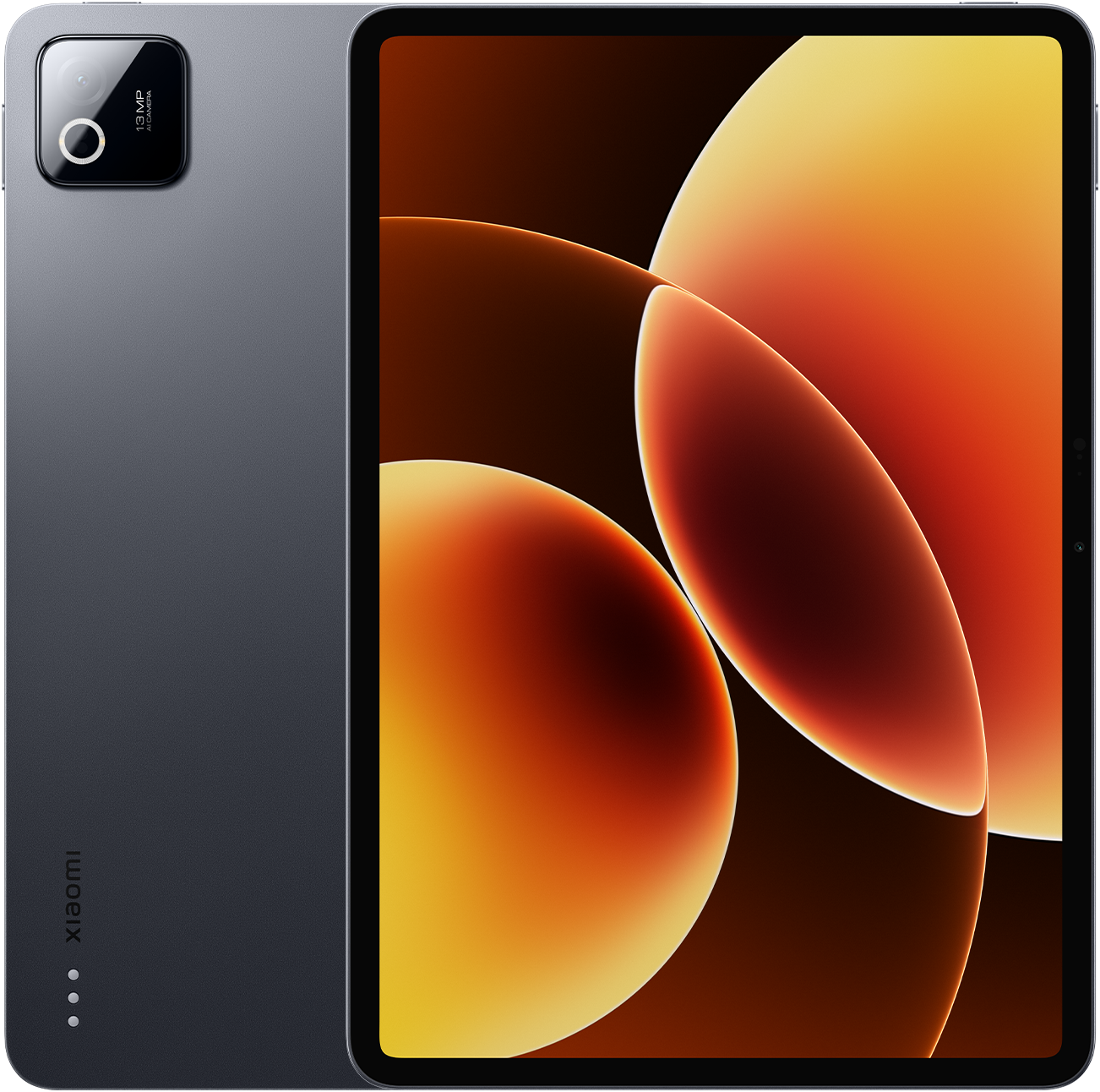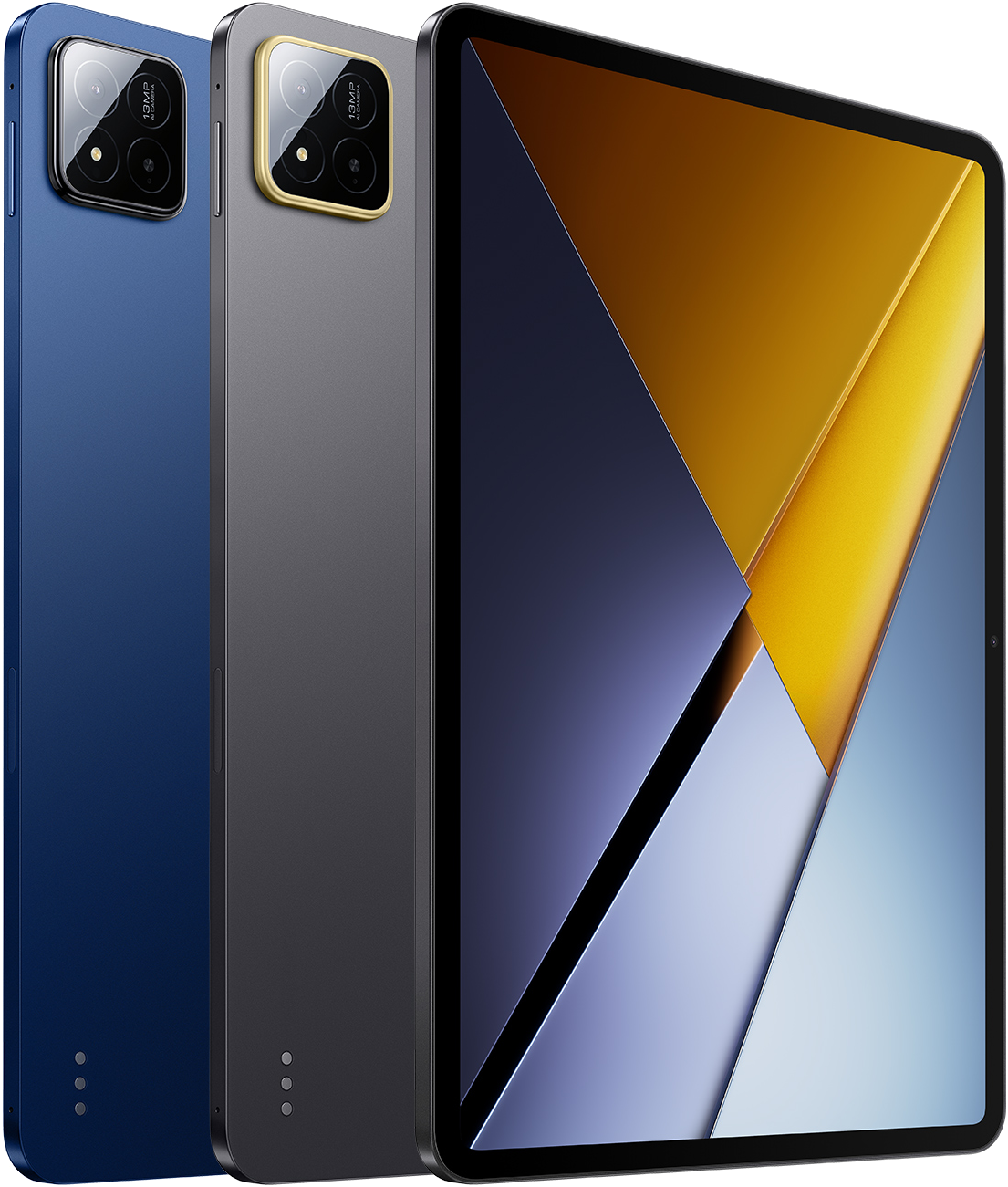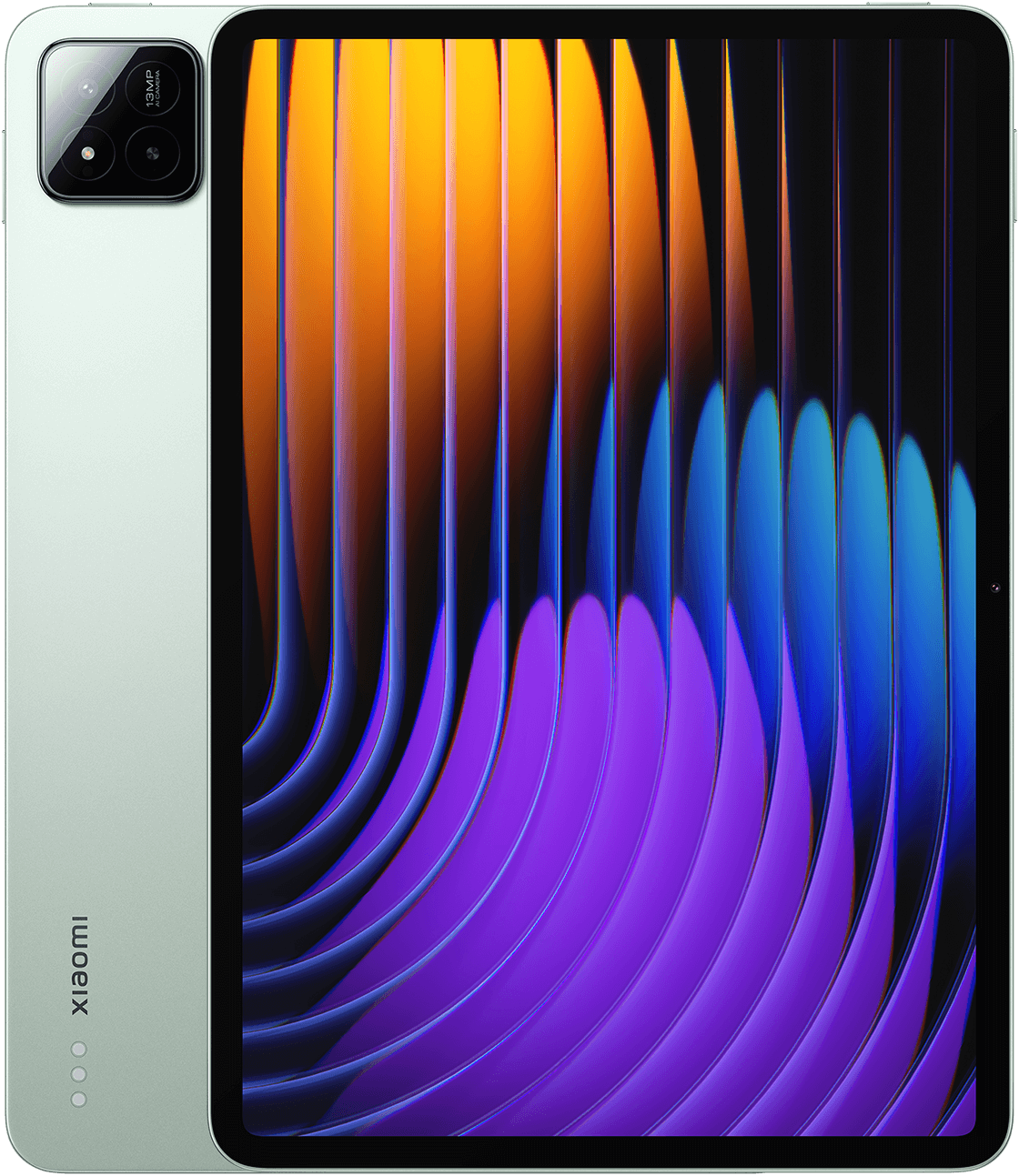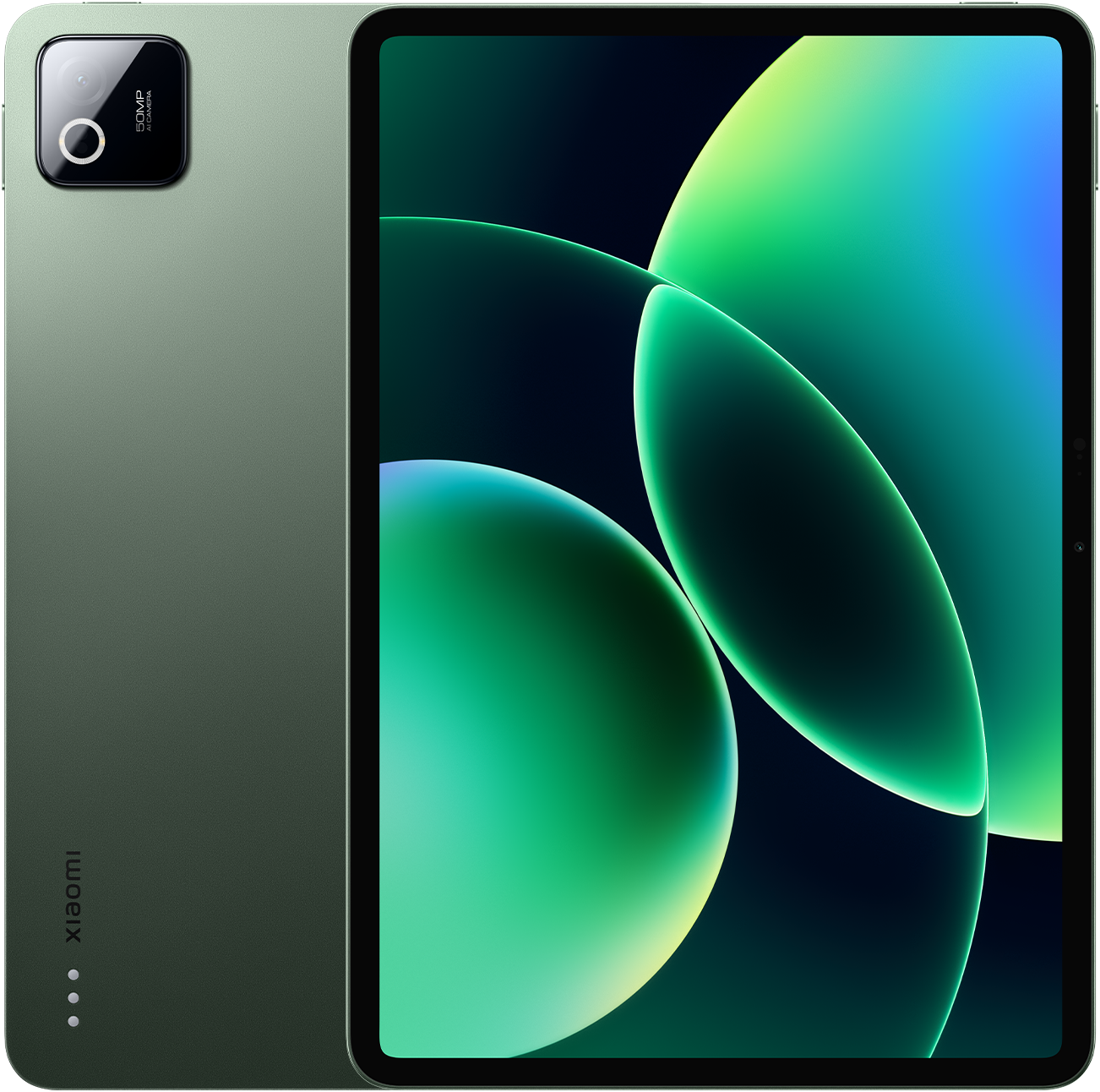
Official manufacturer render.
Xiaomi
Pad 8 Pro
- 11.2-inch
- Snapdragon 8 Elite
- 485 g
- 9200 mAh
Available colors
Selected: Gray
Physical specifications
11.2"
Display size
485 g
Weight
251.2 mm
Height
173.4 mm
Width
5.8 mm
Thickness
—
Aspect ratio
Release and pricing
- Released
- September 25, 2025
Display
- Display size
- 11.2"
- Display technology
- LCD
- Resolution
- 3200 × 2136
- Refresh rate
- 144 Hz
- Peak brightness
- 800 nits
Performance
- Chipset
- Snapdragon 8 Elite
- RAM
- 8 GB, 12 GB
- Storage
- 128 GB, 256 GB, 512 GB
- Expandable storage
- No
Battery & charging
- Typical capacity
- 9200 mAh
- Wired charging
- 67 W
- Charging standard
- 67W turbo charging
Cameras
- Rear cameras
- Wide · 50 MP · PDAF
- Front cameras
- Front · 32 MP
- Video recording
- 4K@30fps, 4K@60fps, 1080p@30fps, 1080p@60fps
Connectivity
- Wi‑Fi
- Wi‑Fi 7
- USB
- USB‑C 3.2 Gen 1
Sizometry Analysis
Overall Score
8.5
out of 10
A flagship hardware bargain that pairs Snapdragon 8 Elite, an 11.2-inch 3.2K 144 Hz display, and exceptional battery endurance under five hundred grams, held back mainly by HyperOS tablet polish versus iPadOS, expensive Focus accessory totals, no cellular option, and regional charger omissions.
Category scores
Camera
7.5
Capable 50 MP rear and useful 32 MP ultrawide front for document scanning and video calls without imaging ambition.
Battery and charging
9.0
9,200 mAh endurance with credible fifteen-to-sixteen-hour mixed-use claims and strong 67 W charging when brick is included.
Performance
9.0
Snapdragon 8 Elite delivers flagship gaming without the throttling phones in the same generation often show.
Handling and portability
6.5
485 g and slim 5.75 mm profile easier to cradle short-term than heavier 12-inch flagship tablets.
Build quality
8.5
Premium-feeling chassis under five hundred grams with matte glass option praised for note-taking ergonomics.
Value
8.5
A flagship hardware bargain that pairs Snapdragon 8 Elite, an 11.2-inch 3.2K 144 Hz display, and exceptional battery endurance under five hundred grams, held back mainly by HyperOS tablet polish versus iPadOS, expensive Focus accessory totals, no cellular option, and regional charger omissions.
Strengths
- Exceptional hardware value with flagship silicon and 144 Hz 3.2K display
- Light 485 g weight with premium build for the class
- Outstanding gaming thermals and battery endurance
Weaknesses
- HyperOS tablet experience trails iPadOS and DeX polish
- Full Focus accessory package pushes cost past seven hundred dollars
- No cellular and possible regional charger omission
Best for
- Value seekers wanting flagship Android tablet performance
- Note-takers who want matte glass anti-glare for daylight study
- Gamers prioritizing sustained frame rates without throttling
- Upgraders from Pad 7 Pro needing more headroom
Less suitable for
- Buyers requiring cellular always-on connectivity
- Creative professionals dependent on iPadOS or macOS app ecosystems
- Shoppers wanting OLED black levels for dark-room HDR
- Pad 7 Pro owners seeking only a minor refresh
Upgrade recommendation
Current device: Xiaomi Pad 7 Pro or older Pad generation
Recommendation: Worth consideringNotes: Snapdragon 8 Elite, 144 Hz 3.2K panel, and larger battery address gaming and multitasking limits — strongest for heavy users.
Current device: Pad 7 Pro (satisfied, light use)
Recommendation: Probably unnecessaryNotes: Incremental chip and battery gains unless matte glass, refresh rate, or thermals already frustrate.
Current device: Budget or mid-tier Android tablets
Recommendation: Strongly recommendedNotes: Generational leap in display, performance, battery, and charging at still-aggressive total cost.
Current device: iPad Air or iPad Pro shoppers
Recommendation: Depends on prioritiesNotes: Xiaomi wins on spec-per-dollar; Apple wins on app ecosystem, windowing polish, and resale value.
Current device: Laptop replacement seekers
Recommendation: Depends on prioritiesNotes: Focus Keyboard and Pen enable credible typing and notes, but desktop-class creative pipelines still want macOS or Windows.
Everyday usability
Estimated from device dimensions and weight.
Handling
Two-handed preferredTwo-handed use is generally the more natural way to hold this device.
Bag portability
LimitedNot intended for pocket carry; plan on a bag, sleeve, or hand carry.
Carry comfort
BalancedWeight sits in a balanced range for everyday holding and carrying.
Reading and media
A familiar tablet size for reading, browsing, and video.
Gaming
High-endIts processor and graphics hardware are suited to demanding games and higher visual settings.
Bottom line
The Xiaomi Pad 8 Pro earns early respect as an almost absurd hardware play — Snapdragon 8 Elite, 3.2K 144 Hz LCD, 9,200 mAh battery, and sub-five-hundred-gram premium build at a price that embarrasses spec-sheet rivals. Gaming runs cool without phone-class throttling, matte glass note-takers praise daylight ergonomics, and fifteen-to-sixteen-hour endurance claims hold up for mixed couch-and-desk routines. Dominant tradeoffs are HyperOS tablet maturity versus iPadOS, Focus accessory totals that push past seven hundred dollars, no cellular, and charger roulette in some regions. Want ecosystem depth and creative app catalogs?
Models and configurations
- Storage
- 128 GB256 GB512 GB
- Colors
- Pine GreenBlueGray
- RAM
- 8 GB12 GB
Compare this device at its real-world size.
Use the Sizometry Tool to compare dimensions, thickness, and weight with other devices.
Open Tool →