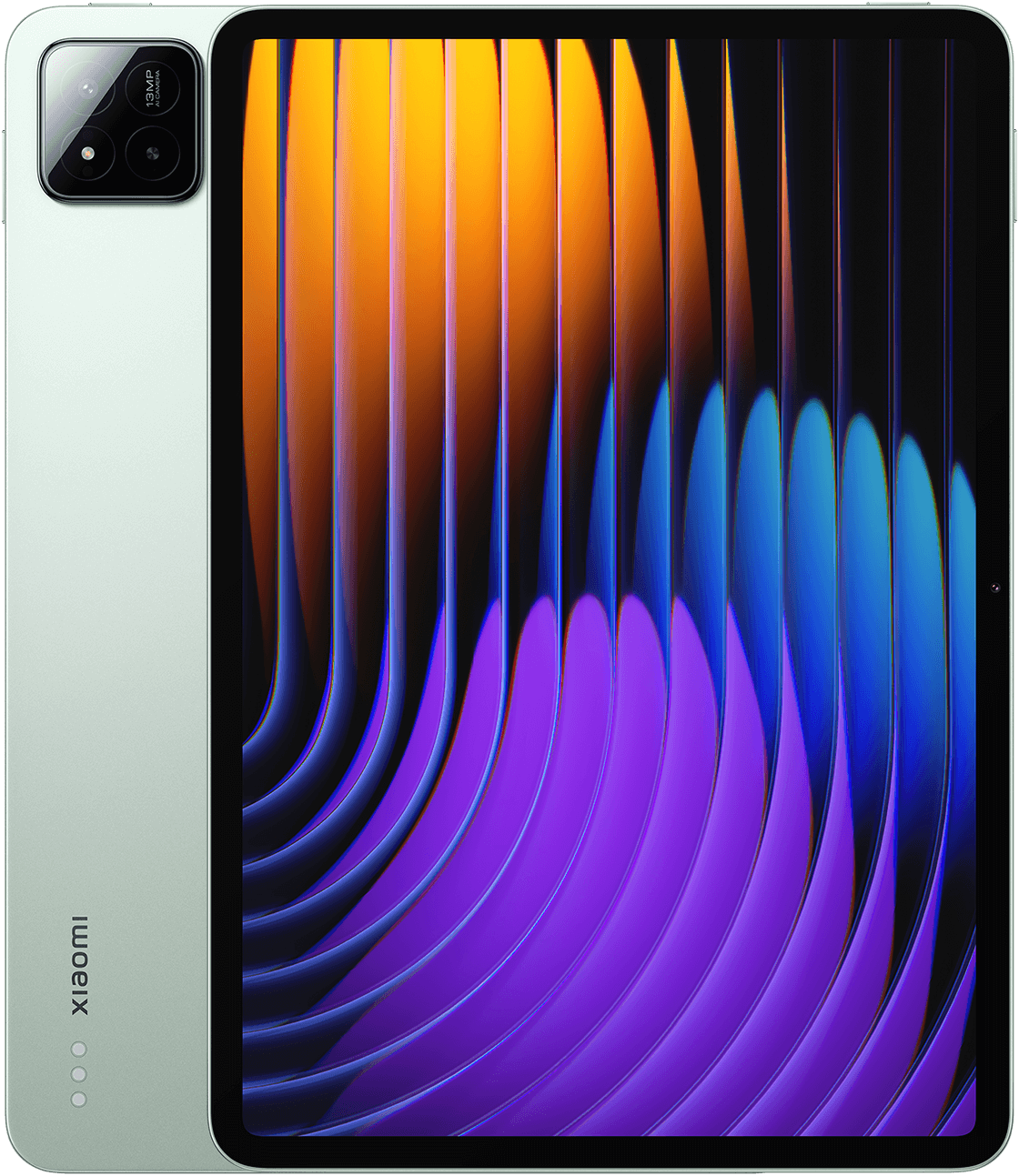
Xiaomi
Pad 7 vs Pad 8
Device summary
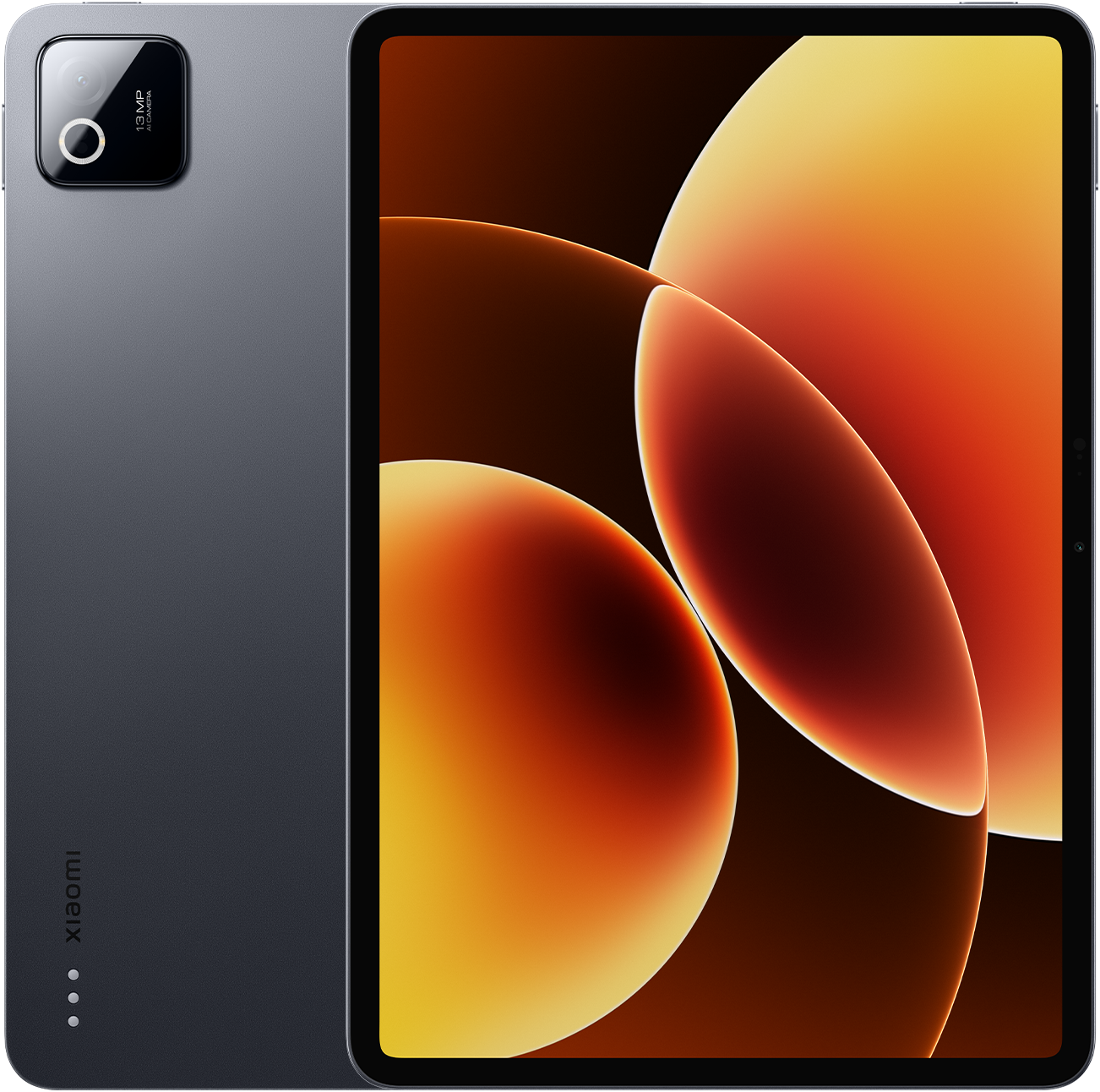
Xiaomi
Pad 8
Full specifications
| Basic information | ||
|---|---|---|
| Release year | 2024 | 2026 |
| Starting price | — | — |
| Display size | — | 11.2-inch |
| Dimensions | 173.4 mm × 251.2 mm × 6.2 mm | 173.4 mm × 251.2 mm × 5.8 mm |
| Weight | 500 g | 485 g |
| Front material | — | — |
| Back material | — | — |
| Display | ||
| Display technology | — | LCD |
| Resolution | — | 3200 × 2136 |
| Refresh rate | — | 144 Hz |
| Peak brightness | — | 800 nits |
| Performance | ||
| Chipset | — | Snapdragon 8s Gen 4 |
| RAM | — | 8 GB, 12 GB |
| Storage | — | 128 GB, 256 GB, 512 GB |
| Expandable storage | — | No |
| Cameras | ||
| Main camera | — | Wide · 13 MP · ƒ/2.2 · PDAF |
| Front cameras | — | Front · 8 MP · ƒ/2.28 |
| Video recording | — | 4K@30fps, 1080p@30fps, 1080p@60fps |
| Battery & charging | ||
| Typical capacity | — | 9200 mAh |
| Wired charging | — | 45 W |
| Charging standard | — | 45W turbo charging |
| Connectivity | ||
| Wi‑Fi | — | Wi‑Fi 7 |
| USB | — | USB‑C 3.2 Gen 1 |
Basic information
Release year
- Pad 7
- 2024
- Pad 8
- 2026
Starting price
- Pad 7
- —
- Pad 8
- —
Display size
- Pad 7
- —
- Pad 8
- 11.2-inch
Dimensions
- Pad 7
- 173.4 mm × 251.2 mm × 6.2 mm
- Pad 8
- 173.4 mm × 251.2 mm × 5.8 mm
Weight
- Pad 7
- 500 g
- Pad 8
- 485 g
Front material
- Pad 7
- —
- Pad 8
- —
Back material
- Pad 7
- —
- Pad 8
- —
Display
Display technology
- Pad 7
- —
- Pad 8
- LCD
Resolution
- Pad 7
- —
- Pad 8
- 3200 × 2136
Refresh rate
- Pad 7
- —
- Pad 8
- 144 Hz
Peak brightness
- Pad 7
- —
- Pad 8
- 800 nits
Performance
Chipset
- Pad 7
- —
- Pad 8
- Snapdragon 8s Gen 4
RAM
- Pad 7
- —
- Pad 8
- 8 GB, 12 GB
Storage
- Pad 7
- —
- Pad 8
- 128 GB, 256 GB, 512 GB
Expandable storage
- Pad 7
- —
- Pad 8
- No
Cameras
Main camera
- Pad 7
- —
- Pad 8
- Wide · 13 MP · ƒ/2.2 · PDAF
Front cameras
- Pad 7
- —
- Pad 8
- Front · 8 MP · ƒ/2.28
Video recording
- Pad 7
- —
- Pad 8
- 4K@30fps, 1080p@30fps, 1080p@60fps
Battery & charging
Typical capacity
- Pad 7
- —
- Pad 8
- 9200 mAh
Wired charging
- Pad 7
- —
- Pad 8
- 45 W
Charging standard
- Pad 7
- —
- Pad 8
- 45W turbo charging
Connectivity
Wi‑Fi
- Pad 7
- —
- Pad 8
- Wi‑Fi 7
USB
- Pad 7
- —
- Pad 8
- USB‑C 3.2 Gen 1
Key differences
The most meaningful measured gaps in size and weight — not an overall winner.
Weight
Pad 8
15 g lighter
Thickness
Pad 8
0.4 mm thinner · minor difference
Height
Very similar height
Width
Very similar width
User Experience Summary
Pad 7
Strengths
- Exceptional display value with 144Hz 3:2 productivity canvas
- Strong battery life and solid quad-speaker media experience
- Capable everyday performance at aggressive mid-range pricing
Compromises
- HyperOS defaults feel busy until customized
- Stylus and keyboard cost extra with no fingerprint on standard model
- Workstation mode constrained by Android app scaling limits
Pad 8
Strengths
- Complete mid-tier package with 3.2K 144Hz LCD, stylus, and 67W charging
- Thinner 485 g body improves daily carry versus Pad 7
- Snapdragon 8s Gen 4 strong for productivity without Pro pricing
Compromises
- Incremental over Pad 7 for satisfied owners debating 2026 upgrade math
- No fingerprint sensor — face unlock and PIN only
- LCD less cinematic than OLED tablets; long-term data still thin