Insights
RUMOR
Rumor
iPhone Air 2 Rumors: Release Date, Thickness, Battery, and Camera Upgrades
Explore the latest iPhone Air 2 rumors, including expected release date, thickness, battery, cameras, size, and Sizometry’s physical usability analysis.
iPhone Air 2 Rumors at a Glance
• Product name — working label “iPhone Air 2”; final Apple name unknown • Release window — spring 2027 expected; not confirmed • Display — not credibly reported as a new size; baseline remains 6.5-inch class • Thickness — not credibly reported as a major change; Sizometry estimate near ~5.6–6.0 mm body • Weight — not credibly reported; Sizometry estimate near ~165–180 g if dual cameras arrive • Rear cameras — dual rear cameras rumored (Wide + Ultra Wide) • Battery — capacity increase rumored (~3,500 mAh class); endurance also tied to efficiency • Processor — next-generation A20-class silicon expected; exact branding varies • Confidence level — continuation and spring 2027 timing relatively well supported; exact dimensions weakly reported
Will Apple Release an iPhone Air 2?
Current expectations say the Air line continues. An earlier delay narrative after weaker-than-expected first-generation sales was later clarified as a schedule change rather than a cancellation. The clearer picture now is a second-generation iPhone Air aimed at spring 2027, still moving through pre-launch validation rather than a finished public product plan.
A schedule change is not a cancellation. Moving Air off the September Pro cycle into spring can reflect production planning or pairing with non-Pro models. The commercial name is still unknown: “iPhone Air 2” is the clearest search-facing label, while “iPhone 18 Air” often appears as calendar shorthand rather than confirmed branding.
iPhone Air 2 Release Date Rumors
Earlier expectations placed a second Air alongside iPhone 18 Pro models in September 2026. More recent timing shifts the window to spring 2027 alongside the standard iPhone 18 generation. When is the iPhone Air 2 expected to come out? The best-supported current answer is spring 2027, not September 2026. Exact event and ship dates are not public.
Official First-Generation iPhone Air Baseline
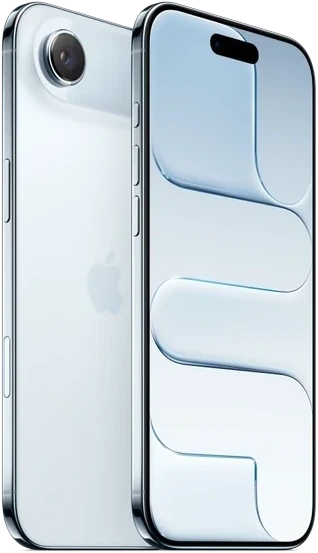
Apple officially lists the current iPhone Air at 156.2 × 74.7 × 5.64 mm and 165 g, with a 6.5-inch Super Retina XDR OLED (6.55 inches measured as a rectangle). Sizometry’s catalog matches those figures. The rear system is a single 48MP Fusion camera; the front uses an 18MP Center Stage camera. Apple markets all-day battery life; independent figures commonly cite about 3,149 mAh for the first-generation pack.
These numbers set the successor constraints. Thickness of 5.64 mm is the Air identity. Height and width set reach and pocket feel. Weight of 165 g is the lightness benchmark. A second camera or larger battery has to negotiate that envelope.
Sizometry Analysis: Expected Size and Dimensions
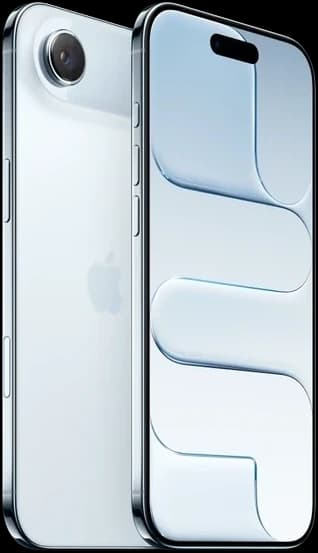
No robust public dimensional sheet currently replaces the first-generation measurements. Sizometry estimates direction from the official Air baseline plus packaging logic implied by dual-camera and battery rumors.
Sizometry estimated range (working estimate, not a confirmed product sheet):
• Height and width — approximately 156–157 × 74–75 mm if Apple keeps the same display class • Body thickness — approximately 5.6–6.0 mm for the main slab • Weight — approximately 165–180 g if a second rear camera and slightly larger battery arrive • Display diagonal — same 6.5-inch marketed class unless contrary evidence appears • Camera plateau — likely the first place local depth or footprint grows
Assumption: Apple protects the Air marketing story by keeping the slab thin while allowing local camera-structure growth. Outside the range: a deliberate thicker redesign, or a display jump that forces a new footprint.
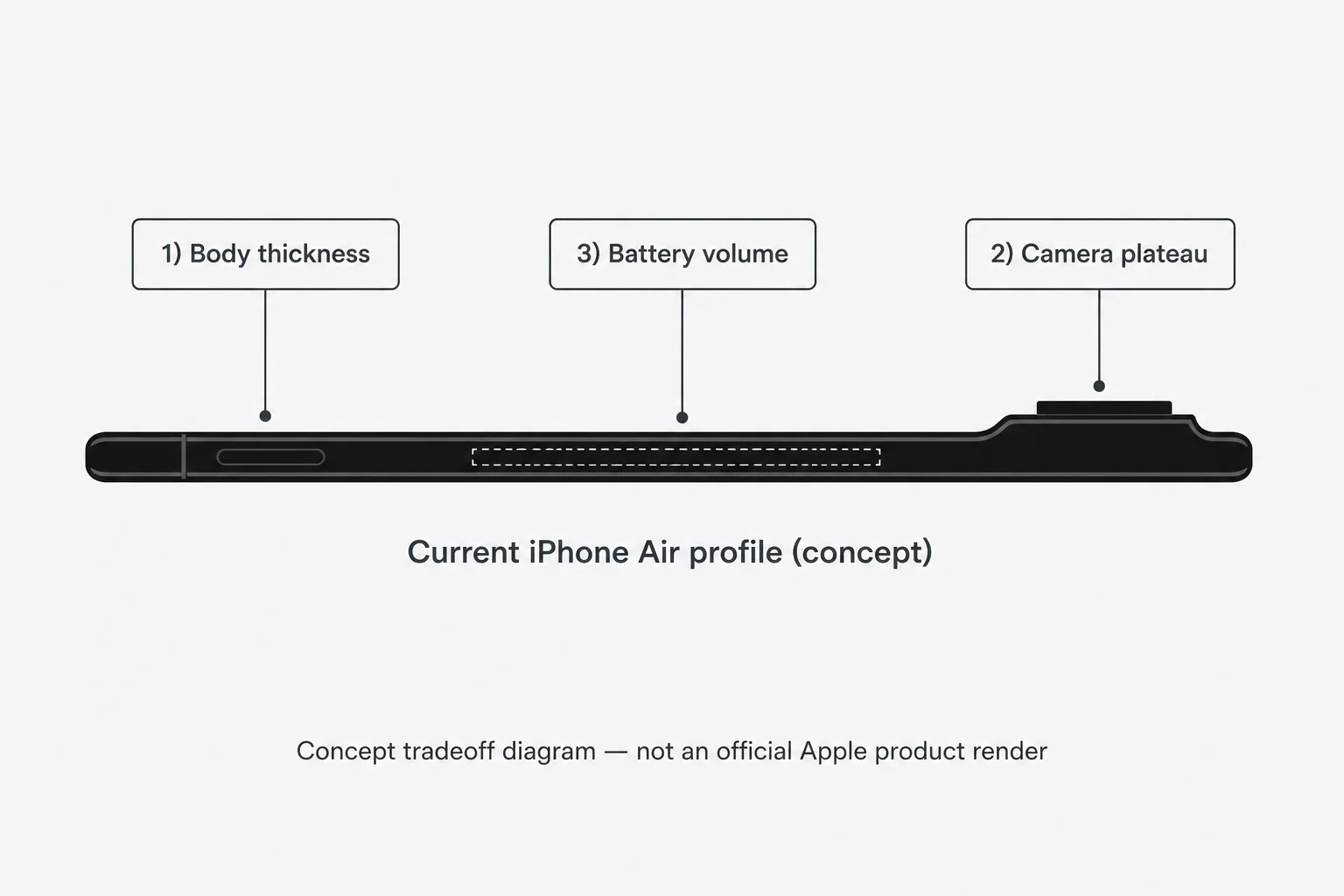
Case reality: even if the slab stays near 5.64 mm, a taller camera plateau forces thicker cases and changes tabletop rock. Pocketability remains excellent for the chassis, but the practical “with case” thickness often follows the bump more than the marketing slab figure.
Explore device details
Will the iPhone Air 2 Be Thicker?
Four practical scenarios: (A) preserve roughly the same body thickness near 5.64 mm if CoE display thinning or efficiency frees battery height; (B) accept a small whole-body increase that adds cell volume while remaining hard to notice in isolation; (C) keep the main body thin while the camera plateau grows for dual cameras; (D) leave the exterior unchanged and redistribute internals.
Sizometry conclusion: the most practical outcome is A or C, or a light mix of both. Dramatic whole-body thickening would undermine the Air concept; zero change everywhere while adding a camera and more battery is the hardest path. Daily use: pocketability should remain Air-class. Hand feel changes more from plateau shape and balance than from a 0.2–0.3 mm slab change.
Sizometry Analysis: Thickness Versus Usable Volume
Thickness is only one dimension of battery volume. Capacity also depends on height, width, cell shape, and obstacles such as camera modules, boards, speakers, and structural supports. An extra camera can steal volume near the plateau even when overall height and width stay similar.
Conceptual paths: same thickness with efficiency gains; slightly thicker body with a larger cell; larger camera plateau with a similar main chassis; unchanged footprint with redistributed internals. Sizometry’s interpretation: Apple is more likely to chase internal efficiency and local camera packaging than to abandon the ultra-thin identity.
That volume contest is also a heat contest. Thin titanium leaves less room for vapor chambers or large heat spreaders. Sustained camera bursts, 5G navigation, and gaming may still throttle earlier than on thicker Pro models even if peak silicon is newer. Buyers choosing Air for lightness should treat thermal headroom as a structural trade-off, not a temporary rumor gap.
Display Size and Body Footprint
Credible rumors do not establish a new marketed display size. The practical baseline remains the 6.5-inch class on a 156.2 × 74.7 mm body. Keeping that class preserves one-handed reach, keyboard width, reading width, and pocket height. Unchanged height and width mean familiar handling for buyers who chose the Air for those dimensions.
Expected Weight
Apple lists the current Air at 165 g. A second rear camera, possible vapor-chamber hardware, and a larger cell can each add grams. The frame is already titanium, so major material savings are unlikely.
Sizometry estimated range: about 165–180 g if dual cameras and a modest battery increase ship together. Weight distribution matters as much as scale weight. A larger plateau can feel top-heavy in landscape even if total mass rises only a few grams. Pocketability usually tracks thickness and footprint first; hand comfort tracks balance second.
Battery Capacity Rumors
Rumored capacity figures cluster around a modest increase versus the roughly 3,149 mAh class commonly cited for the first-generation Air — sometimes framed near a ~3,500 mAh pack, or about an 11% bump. Treat every milliamp-hour number as a provisional working estimate, not an Apple specification. Broader design goals also include improved battery life without publishing an official capacity.
Capacity, energy, and endurance are not interchangeable. A milliamp-hour rumor is not Apple’s video-playback hours claim, and neither guarantees proportional real-world gains under cellular navigation or camera use.
Sizometry’s packaging view: an 11% cell increase inside a near-5.64 mm slab is meaningful only if camera and board volume leave room. If the dual-camera plateau steals neighboring space, efficiency and display-stack thinning must do more of the endurance work than raw milliamp-hours.
Could Battery Life Improve Without a Much Larger Battery?
Yes. Endurance also depends on processor efficiency, modem efficiency, display power, thermals, software, and signal conditions. Expectations of A20-class silicon and possible CoE OLED thinning that frees internal height point to efficiency and packaging gains even if exterior dimensions stay near 5.64 mm. Daily meaning: watch Apple’s official endurance claims and independent mixed-use tests more than any single mAh rumor.
Will the iPhone Air 2 Have Two Cameras?
Current expectations say that is Apple’s intent: a second rear camera aimed at ultrawide-angle photography, turning the Air into a dual rear system rather than keeping the single-camera layout. The added module is generally framed as Ultra Wide rather than telephoto.
What remains speculation: exact megapixels, aperture, plateau dimensions, and macro behavior. Adding a second camera is not the same as improving the main camera alone, and it is not the same as crop-based “multiple lenses” from one sensor.
How a Second Camera Could Affect Size and Ergonomics
Sizometry’s packaging reading: a second module most naturally expands the camera plateau’s width or local depth before it forces a thicker full chassis. That can increase tabletop wobble, change landscape grip, and require deeper cases even if the 5.64 mm slab story survives.
Users would likely notice shooting versatility — wider scenes and closer macros if Ultra Wide supports them — before noticing a few grams of plateau mass. Dual cameras and battery gains compete for nearby volume unless display thinning or board efficiency offsets the loss. Do not assume a second camera requires a thicker whole phone; assume it pressures the plateau first.
Processor, Modem, and Thermal Expectations
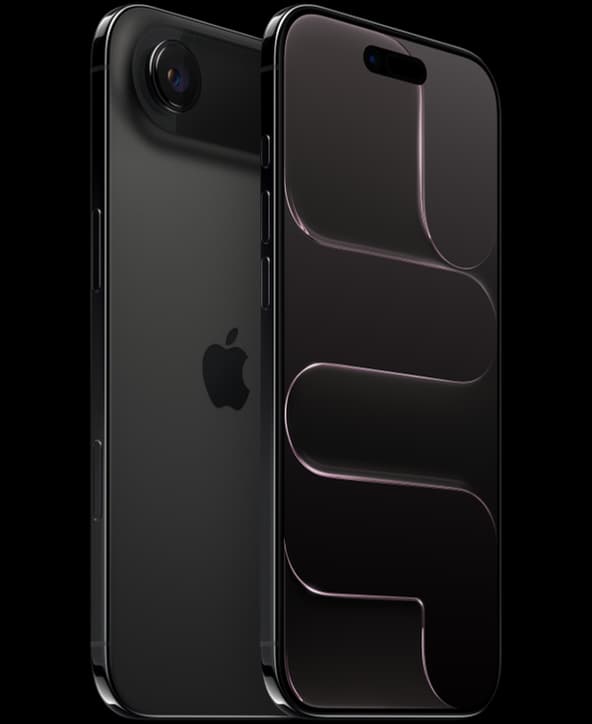
Multiple expectations place A20-class silicon in the spring 2027 Air window, sometimes called A20 Pro. Treat branding as provisional. The Air-specific question is efficiency and heat in a thin enclosure, not peak benchmarks. Possible vapor-chamber packaging matters more for sustained camera use and gaming than for casual browsing. Sizometry’s interpretation: silicon and thermal upgrades enable battery and camera goals inside a constrained chassis rather than Pro-like sustained headroom.
What Compromises May Remain?
Even with dual cameras and better endurance, Air-class limits can persist: fewer focal options than Pro models, smaller thermal headroom, battery capacity still below the largest iPhones, and a camera plateau that may grow locally. Those limits are structural consequences of prioritizing an unusually thin titanium slab. Buyers who need maximum zoom, maximum battery, or maximum sustained gaming remain better served by thicker Pro-class phones.
iPhone Air 2 vs iPhone Air
• Release timing — current Air: September 2025 official; Air 2: spring 2027 rumored • Display size — current: 6.5-inch official; Air 2: same class expected • Height and width — current: 156.2 × 74.7 mm official; Air 2: similar footprint estimated • Thickness — current: 5.64 mm official; Air 2: near same slab, possible local plateau growth • Weight — current: 165 g official; Air 2: Sizometry estimate ~165–180 g • Battery — current: Apple all-day claim / ~3,149 mAh commonly cited; Air 2: larger pack rumored + efficiency gains • Rear cameras — current: single 48MP Fusion; Air 2: dual Wide + Ultra Wide rumored • Processor efficiency — current: A19 Pro official; Air 2: next-gen A20-class expected • Everyday portability — both expected to remain thin-and-light first
iPhone Air 2 vs Regular and Pro iPhones
Air targets thinness and low weight. The standard iPhone targets balanced cameras and battery. Pro models prioritize camera breadth, battery, and performance headroom. A dual-camera Air 2 would narrow the photography gap with standard dual-camera iPhones without matching Pro telephoto systems. Handling: Air stays the low-fatigue option; Pro stays the workhorse for zoom and long mixed-use days.
Open iPhone Air and iPhone 17 side by side in the Sizometry size comparison tool.
Open size comparison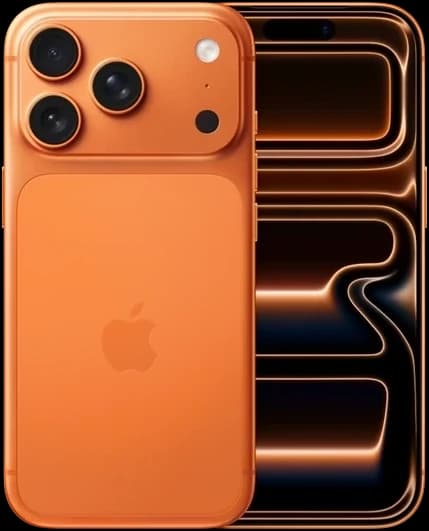
Should You Wait for the iPhone Air 2?
Current Air owners who mainly want ultrawide or more endurance have the strongest reason to watch spring 2027 — knowing the window can still move. Buyers who need a phone now and already prefer the Air’s size should not delay indefinitely. Battery-first buyers should wait for official endurance figures; camera-versatility buyers may benefit most from dual-camera rumors; thinness-first buyers already have the defining trait in the current Air. Waiting only makes sense when the rumored upgrades solve your specific complaint.
How Reliable Are the iPhone Air 2 Rumors?
• Product continuation — relatively well supported after the earlier delay-versus-continuation clarification • Product name — speculative; “iPhone Air 2” is a working label • Release timing — relatively well supported as spring 2027 after earlier September 2026 expectations • Display size — not credibly reported as changing • Thickness — weakly reported; continuity inferred more than measured • Weight — not credibly reported; Sizometry estimate only • Larger battery — provisional capacity claim plus broader endurance-goal expectations • Second rear camera — relatively well supported across recent rumor consensus • Processor generation — plausible but unconfirmed A20-class expectations • Price — speculative; no reliable public Apple pricing for the successor
Frequently Asked Questions
When will the iPhone Air 2 be released? The best-supported current expectations point to spring 2027, not September 2026, alongside standard iPhone 18 models. Apple has not announced an event date or retail ship date.
Is the iPhone Air 2 the same as the iPhone 18 Air? They usually refer to the same rumored successor. “iPhone Air 2” is the clearer product-line label; “iPhone 18 Air” is calendar shorthand tied to the 2027 non-Pro cycle. Neither name is officially confirmed by Apple.
Will Apple definitely make another iPhone Air? Apple has not confirmed it. Current expectations indicate the product line continues after an earlier delay narrative, with a second-generation model still expected for spring 2027. Treat launch as expected, not guaranteed.
Will the iPhone Air 2 be thicker? No credible public sheet shows a finalized thickness. Sizometry’s analysis favors a similar main-slab thickness near the current 5.64 mm, with possible local camera-plateau growth. A small whole-body increase remains possible if battery volume becomes the priority.
How thin could the iPhone Air 2 be? The official first-generation Air is 5.64 mm. A successor that stays near that figure would preserve the Air identity. Getting thinner while adding a second camera and more battery would be difficult. Sizometry’s practical range for the main body is about 5.6–6.0 mm unless Apple redesigns the concept.
Will the iPhone Air 2 have better battery life? Improved battery life is a stated design goal in current expectations. A provisional capacity claim cites roughly 3,500 mAh versus about 3,149 mAh for the current model, and efficiency gains from next-gen silicon could help even without a huge cell. Official endurance remains unconfirmed.
Will the iPhone Air 2 have two rear cameras? Current expectations describe a second rear camera, generally Ultra Wide alongside the main Wide camera. That is relatively well supported as intent, but sensor details and final shipping configuration are unconfirmed.
Will the iPhone Air 2 have a larger display? No strong signal currently establishes a new diagonal. The practical baseline remains the first-generation 6.5-inch class on a 156.2 × 74.7 mm body. An unchanged display class would preserve familiar reach and pocket habits.
Will the iPhone Air 2 be heavier? Exact weight is not publicly reported. Sizometry estimates roughly 165–180 g if dual cameras and a modest battery increase ship together, starting from Apple’s official 165 g Air. Plateau balance may change comfort even when the scale movement is small.
How will the iPhone Air 2 compare with the current iPhone Air? Expect similar thin-and-light priorities with targeted upgrades: dual rear cameras and better endurance are the headline rumored changes. Height, width, and main-slab thinness are more likely to stay near today’s official measurements than to jump into Pro territory.
Should I wait for the iPhone Air 2? Wait if ultrawide photography or endurance is your main complaint and you can accept a spring 2027 uncertainty window. Buy the current Air if you need a phone now and already value 5.64 mm thinness and 165 g weight. There is no universal answer.
Has Apple confirmed the iPhone Air 2? No. Apple has not confirmed the product, name, spring 2027 timing, dual cameras, battery capacity, thickness, weight, or price. Everything beyond the official first-generation Air specifications remains rumor, analysis, or estimate until a keynote and tech specs page exist.
Sizometry Verdict
Sizometry’s interpretation: the most realistic iPhone Air 2 is not a dramatically thinner phone. It is a second-generation Air that preserves nearly the same footprint and lightweight character while accepting small changes in local camera depth, internal packaging, or modest mass to improve battery endurance and camera flexibility. The key unresolved uncertainty is whether Apple can add Ultra Wide hardware and more usable energy without visibly compromising the 5.64 mm slab story — an analysis of present rumors and official predecessor measurements, not an Apple confirmation.
This information has not been confirmed by the manufacturer.