Apple
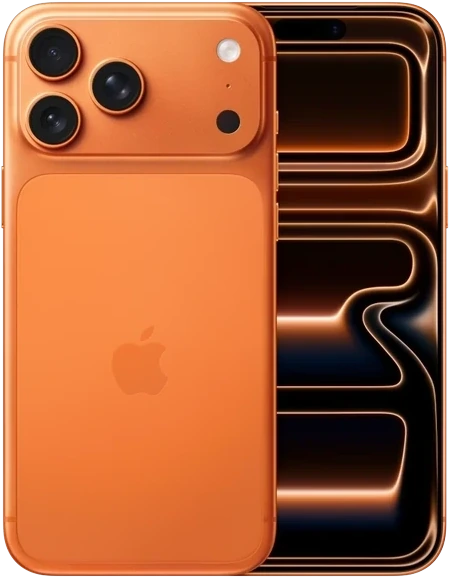
iPhone 17 Pro Max vs iPhone Air
Device summary
Apple
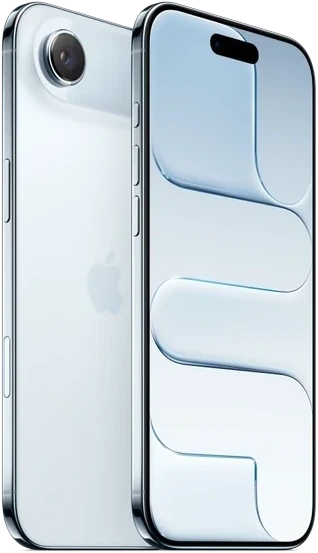
iPhone Air
Full specifications
| Basic information | ||
|---|---|---|
| Release year | 2025 | 2025 |
| Starting price | $1,199 | $999 |
| Display size | 6.9-inch | 6.5-inch |
| Dimensions | 78.0 mm × 163.4 mm × 8.8 mm | 74.7 mm × 156.2 mm × 5.6 mm |
| Weight | 233 g | 165 g |
| Front material | Ceramic Shield | Ceramic Shield |
| Back material | Ceramic Shield | Ceramic Shield |
| Display | ||
| Display technology | Super Retina XDR OLED | Super Retina XDR OLED |
| Resolution | 2868 × 1320 | 2736 × 1260 |
| Refresh rate | 120 Hz | 120 Hz |
| Peak brightness | 2000 nits | 2000 nits |
| Protection | Ceramic Shield | Ceramic Shield |
| Performance | ||
| Chipset | Apple A19 Pro | Apple A19 Pro |
| CPU | 6-core CPU | 6-core CPU |
| GPU | 6-core GPU | 5-core GPU |
| RAM | 12 GB | 12 GB |
| Storage | 256 GB, 512 GB, 1024 GB | 256 GB, 512 GB, 1024 GB |
| Expandable storage | No | No |
| Cameras | ||
| Main camera | Fusion · 48 MP · ƒ/1.78 · 24 mm · Second-generation sensor-shift OIS | Fusion · 48 MP · ƒ/1.6 · 26 mm · Sensor-shift OIS |
| Ultra-wide camera | Ultra Wide · 48 MP · ƒ/2.2 · 13 mm | — |
| Telephoto camera | Telephoto · 48 MP · ƒ/2.8 · 120 mm · 4× optical zoom · OIS | — |
| Front cameras | Center Stage · 18 MP · ƒ/1.9 | Center Stage · 18 MP · ƒ/1.9 |
| Video recording | 4K Dolby Vision up to 120 fps, ProRes up to 4K at 60 fps | 4K Dolby Vision up to 60 fps |
| Battery & charging | ||
| Wired charging | 25 W | 25 W |
| Wireless charging | 15 W | 15 W |
| Charging standard | MagSafe, Qi2 | MagSafe, Qi2 |
| Video playback (Manufacturer claim) | 39 h | 27 h |
| Battery type | Built-in rechargeable lithium-ion | Built-in rechargeable lithium-ion |
| Connectivity | ||
| Cellular | 5G (sub-6 GHz and mmWave), Gigabit LTE | 5G (sub-6 GHz), Gigabit LTE |
| Wi‑Fi | Wi‑Fi 7 (802.11be) | Wi‑Fi 7 (802.11be) |
| Bluetooth | Bluetooth 6 | Bluetooth 6 |
| USB | USB-C (USB 3) | USB-C (USB 3) |
| NFC | Yes | Yes |
| eSIM | Yes | Yes |
| Satellite | Emergency SOS via satellite | Emergency SOS via satellite |
| Build & durability | ||
| Frame | Aluminum unibody | Titanium |
| Ingress protection | IP68 | IP68 |
Basic information
Release year
- iPhone 17 Pro Max
- 2025
- iPhone Air
- 2025
Starting price
- iPhone 17 Pro Max
- $1,199
- iPhone Air
- $999
Display size
- iPhone 17 Pro Max
- 6.9-inch
- iPhone Air
- 6.5-inch
Dimensions
- iPhone 17 Pro Max
- 78.0 mm × 163.4 mm × 8.8 mm
- iPhone Air
- 74.7 mm × 156.2 mm × 5.6 mm
Weight
- iPhone 17 Pro Max
- 233 g
- iPhone Air
- 165 g
Front material
- iPhone 17 Pro Max
- Ceramic Shield
- iPhone Air
- Ceramic Shield
Back material
- iPhone 17 Pro Max
- Ceramic Shield
- iPhone Air
- Ceramic Shield
Display
Display technology
- iPhone 17 Pro Max
- Super Retina XDR OLED
- iPhone Air
- Super Retina XDR OLED
Resolution
- iPhone 17 Pro Max
- 2868 × 1320
- iPhone Air
- 2736 × 1260
Refresh rate
- iPhone 17 Pro Max
- 120 Hz
- iPhone Air
- 120 Hz
Peak brightness
- iPhone 17 Pro Max
- 2000 nits
- iPhone Air
- 2000 nits
Protection
- iPhone 17 Pro Max
- Ceramic Shield
- iPhone Air
- Ceramic Shield
Performance
Chipset
- iPhone 17 Pro Max
- Apple A19 Pro
- iPhone Air
- Apple A19 Pro
CPU
- iPhone 17 Pro Max
- 6-core CPU
- iPhone Air
- 6-core CPU
GPU
- iPhone 17 Pro Max
- 6-core GPU
- iPhone Air
- 5-core GPU
RAM
- iPhone 17 Pro Max
- 12 GB
- iPhone Air
- 12 GB
Storage
- iPhone 17 Pro Max
- 256 GB, 512 GB, 1024 GB
- iPhone Air
- 256 GB, 512 GB, 1024 GB
Expandable storage
- iPhone 17 Pro Max
- No
- iPhone Air
- No
Cameras
Main camera
- iPhone 17 Pro Max
- Fusion · 48 MP · ƒ/1.78 · 24 mm · Second-generation sensor-shift OIS
- iPhone Air
- Fusion · 48 MP · ƒ/1.6 · 26 mm · Sensor-shift OIS
Ultra-wide camera
- iPhone 17 Pro Max
- Ultra Wide · 48 MP · ƒ/2.2 · 13 mm
- iPhone Air
- —
Telephoto camera
- iPhone 17 Pro Max
- Telephoto · 48 MP · ƒ/2.8 · 120 mm · 4× optical zoom · OIS
- iPhone Air
- —
Front cameras
- iPhone 17 Pro Max
- Center Stage · 18 MP · ƒ/1.9
- iPhone Air
- Center Stage · 18 MP · ƒ/1.9
Video recording
- iPhone 17 Pro Max
- 4K Dolby Vision up to 120 fps, ProRes up to 4K at 60 fps
- iPhone Air
- 4K Dolby Vision up to 60 fps
Battery & charging
Wired charging
- iPhone 17 Pro Max
- 25 W
- iPhone Air
- 25 W
Wireless charging
- iPhone 17 Pro Max
- 15 W
- iPhone Air
- 15 W
Charging standard
- iPhone 17 Pro Max
- MagSafe, Qi2
- iPhone Air
- MagSafe, Qi2
Video playback (Manufacturer claim)
- iPhone 17 Pro Max
- 39 h
- iPhone Air
- 27 h
Battery type
- iPhone 17 Pro Max
- Built-in rechargeable lithium-ion
- iPhone Air
- Built-in rechargeable lithium-ion
Connectivity
Cellular
- iPhone 17 Pro Max
- 5G (sub-6 GHz and mmWave), Gigabit LTE
- iPhone Air
- 5G (sub-6 GHz), Gigabit LTE
Wi‑Fi
- iPhone 17 Pro Max
- Wi‑Fi 7 (802.11be)
- iPhone Air
- Wi‑Fi 7 (802.11be)
Bluetooth
- iPhone 17 Pro Max
- Bluetooth 6
- iPhone Air
- Bluetooth 6
USB
- iPhone 17 Pro Max
- USB-C (USB 3)
- iPhone Air
- USB-C (USB 3)
NFC
- iPhone 17 Pro Max
- Yes
- iPhone Air
- Yes
eSIM
- iPhone 17 Pro Max
- Yes
- iPhone Air
- Yes
Satellite
- iPhone 17 Pro Max
- Emergency SOS via satellite
- iPhone Air
- Emergency SOS via satellite
Build & durability
Frame
- iPhone 17 Pro Max
- Aluminum unibody
- iPhone Air
- Titanium
Ingress protection
- iPhone 17 Pro Max
- IP68
- iPhone Air
- IP68
Key differences
The most meaningful measured gaps in size and weight — not an overall winner.
Weight
iPhone Air
68 g lighter
Thickness
iPhone Air
3.1 mm thinner
Height
iPhone 17 Pro Max
7.2 mm taller
Width
iPhone 17 Pro Max
3.3 mm wider
User Experience Summary
iPhone 17 Pro Max
Strengths
- Best-in-lineup battery endurance for real travel and heavy days
- 6.9-inch display transforms media, gaming, and mobile editing
- Full Pro camera system including 4x telephoto
Compromises
- Wide, heavy body limits one-handed and pocket-first use
- Incremental upgrade for recent Pro Max owners
- No camera advantage over the smaller iPhone 17 Pro
iPhone Air
Strengths
- Distinctive thin-and-light design at 165 g
- Large 120Hz ProMotion display
- Exceptional durability for extreme thinness
Compromises
- Mono speaker limits media and speakerphone use
- Battery margin below larger iPhones for heavy users
- Single rear camera limits lens versatility