iPhone Air User Experience
Sizometry Verdict
Editorial scores based on recurring themes across professional reviews, hands-on testing, and expert analysis.
Overall user experience
7.5
out of 10
A striking thin-and-light iPhone with premium display and build, divided by mono speaker limits and workload-dependent battery endurance.
Category scores
Camera
7.0
Excellent single-lens results for everyday shooting, with clear gaps versus multi-lens Pro hardware.
Battery and charging
6.5
Adequate for light-to-moderate days, but trails larger iPhones and pressures heavy users by evening.
Performance
7.0
Fast routine use with occasional warmth under sustained load.
Handling and portability
7.5
Manageable daily carry with familiar reach and pocket trade-offs for the size class.
Build quality
9.0
Premium titanium construction with standout durability and scratch resistance for an ultra-thin phone.
Value
7.5
Balanced capability for the price with deliberate omissions versus higher tiers.
Strengths
- Distinctive thin-and-light design at 165 g
- Large 120Hz ProMotion display
- Exceptional durability for extreme thinness
- Capable everyday wide-angle camera
Weaknesses
- Mono speaker limits media and speakerphone use
- Battery margin below larger iPhones for heavy users
- Single rear camera limits lens versatility
- Premium price with visible feature trade-offs
Best for
- Design-first buyers who value thinness and weight
- Headphone-first media consumers
- Large-screen users avoiding Pro Max bulk
- Casual photographers satisfied with one strong lens
Less suitable for
- Speaker-dependent media and call habits
- Maximum battery endurance seekers
- Telephoto and ultrawide enthusiasts
- Value-focused shoppers comparing with iPhone 17 Pro
Upgrade recommendation
Current device: Pro Max owners seeking lighter carry
Recommendation: Depends on prioritiesNotes: Weight and thinness gains are real, but battery and speaker downgrades disappoint some switchers within months.
Current device: iPhone 14 Pro Max or older large iPhone
Recommendation: Worth consideringNotes: Modern display, chip, and design leap appeal when thinness matters more than maximum endurance.
Current device: iPhone 17 standard
Recommendation: Depends on prioritiesNotes: Lateral camera capability with design upgrade; battery and speaker are not clear improvements.
Current device: Deciding between Air and iPhone 17 Pro
Recommendation: Depends on prioritiesNotes: The Pro is widely seen as the better all-rounder; the Air fits buyers who consciously trade features for form.
Current device: iPhone 17 Pro or Pro Max
Recommendation: Probably unnecessaryNotes: Recent Pro owners sacrifice camera versatility and endurance without a sustained-performance advantage.
Current device: Speaker-heavy or battery-heavy daily use
Recommendation: Probably unnecessaryNotes: Mono audio and smaller battery are recurring deal-breakers for these workflows.
Bottom line
The iPhone Air earns attention through design rather than completeness. Its thin titanium chassis, light 165 g weight, and large 120Hz display create a carry experience owners describe with unusual enthusiasm — when the compromises align with their habits. Mono speaker output and workload-dependent battery endurance are the clearest fault lines: headphone-first, moderate-use buyers often love the phone; speaker-dependent and heavy-use shoppers frequently return to Pro hardware. Mid-term reports suggest durability fears were overblown, but value debates at $999 remain open. Buy it for the form factor you will consciously protect; choose the iPhone 17 Pro when features matter more than silhouette.
See its real size next to another phone or tablet.
Open size comparisonOverview
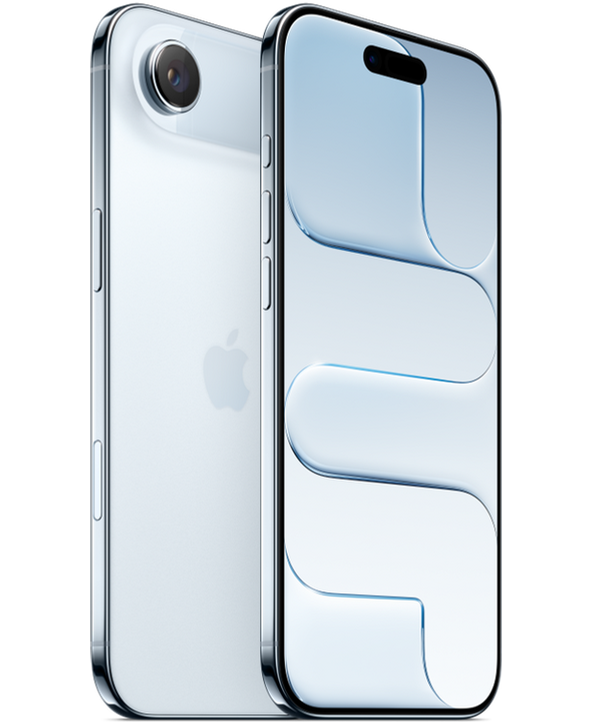
In reviews since its late 2025 launch, the iPhone Air is widely framed as Apple’s design-forward iPhone — a phone that prioritizes remarkable thinness and light carry weight while accepting visible compromises in battery margin, speaker hardware, and camera versatility.
This summary focuses on daily handling, endurance, camera limits, and who the device suits best — not benchmark rankings.
Daily use
In daily use, the iPhone Air is described as fast, fluid, and visually premium rather than utilitarian. The 6.5-inch 120Hz ProMotion panel reaches up to 2,000 nits peak brightness outdoors, with scrolling and animations praised as a clear step up from 60Hz iPhones and a major comfort gain for media-heavy routines.
Display quality receives steady positive mentions for color, contrast, and outdoor legibility. Always-On display support marks a practical upgrade for owners coming from older standard models. The larger canvas than the iPhone 17 standard model helps reading and split attention, though width at 74.7 mm pushes some one-handed tasks toward two-hand assistance.
Audio without headphones is where daily friction concentrates. Mono output from a single speaker channel produces centered, non-directional sound that owners notice immediately in landscape video, mobile gaming, and podcast listening at room volume. Users who already rely on AirPods or wired headphones report the limitation as irrelevant; others describe repeated moments of noticing something is wrong before checking specifications.
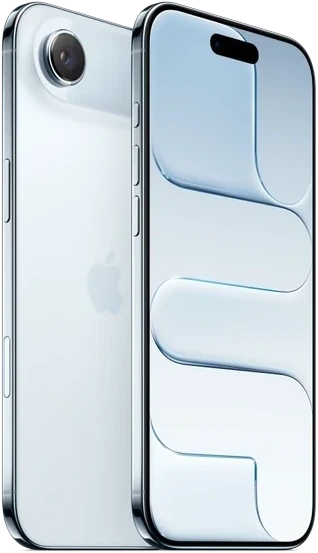
iPhone Air
View the full specifications, dimensions, pricing, and related models.
Camera
Camera feedback centers on quality within a narrow lane rather than versatility. The single 48MP Fusion rear sensor delivers bright, consistent color and reliable exposure in everyday scenes — praised for family photos, travel snapshots, and social sharing without extensive editing.
The absence of ultrawide and telephoto hardware is the clearest practical limit. Group shots in tight spaces, architectural interiors, and distant subjects push owners toward digital crop or accepting tighter framing. Reviewers comparing against iPhone 17 Pro models treat lens variety as a daily-use gap, not a niche concern.
Battery and charging
Daily battery reports align around workload-dependent endurance rather than a single verdict. Light and moderate routines — messaging, social apps, intermittent media — commonly finish with 15–40% remaining by evening in accounts. Heavy GPS, gaming, and all-day streaming more often lead to a pre-bedtime charge.
The Air carries the smallest battery in the 2025 iPhone lineup, and owners former Pro Max users notice the difference most sharply. Within its class, endurance is frequently described as better than the iPhone 16 standard model but clearly behind the iPhone 17 Pro and Pro Max.
Performance
Routine app launching, camera processing, and multitasking are described as fast and smooth on the A19 Pro with 12GB of RAM. The 5-core GPU variant handles current iOS features without the sense of compromise owners feared from a thin chassis.
Sustained high-load work tells a different story. Gaming, video editing, and prolonged navigation sessions more commonly produce warmth and occasional throttling compared with the iPhone 17 Pro — a pattern reviewers attribute to thermal limits in a titanium, ultra-thin body rather than raw chip inadequacy.
Handling and portability
At 74.7 mm wide, 156.2 mm tall, and 165 g, the iPhone Air occupies an unusual middle ground. The exceptionally light weight reduces hand fatigue, but the wider footprint and tall 6.5-inch display make full one-handed reach more challenging than on the iPhone 17 standard model.
Owners with larger hands describe comfortable secure grips aided by the flat titanium edges. Smaller hands more commonly report shifting grip or using Reachability for top-of-screen targets — a pattern similar to Plus-sized phones despite the Air’s light mass.
The thin profile changes how the phone feels pivoted in the hand. Some owners praise the low-profile edge for pocket entry; others note less purchase area along the side rails compared with thicker iPhones, especially with bare or minimal cases.
Build quality
The titanium frame, Ceramic Shield front, and Ceramic Shield back combine into a device that feels premium and unexpectedly rigid despite extreme thinness. Independent durability testing and owner accounts align around strong bend resistance and improved scratch performance versus prior iPhone generations.
Cosmetic impressions are among the most positive in recent iPhone cycles. Owners who carry bare or with minimal cases praise the mirror-finished titanium edges and the desire to preserve the slim silhouette — a sentiment less common on thicker Pro models where case usage feels mandatory.
Considering another iPhone 17 model?
Similar size devices
This summary is based on recurring reports from public discussions.