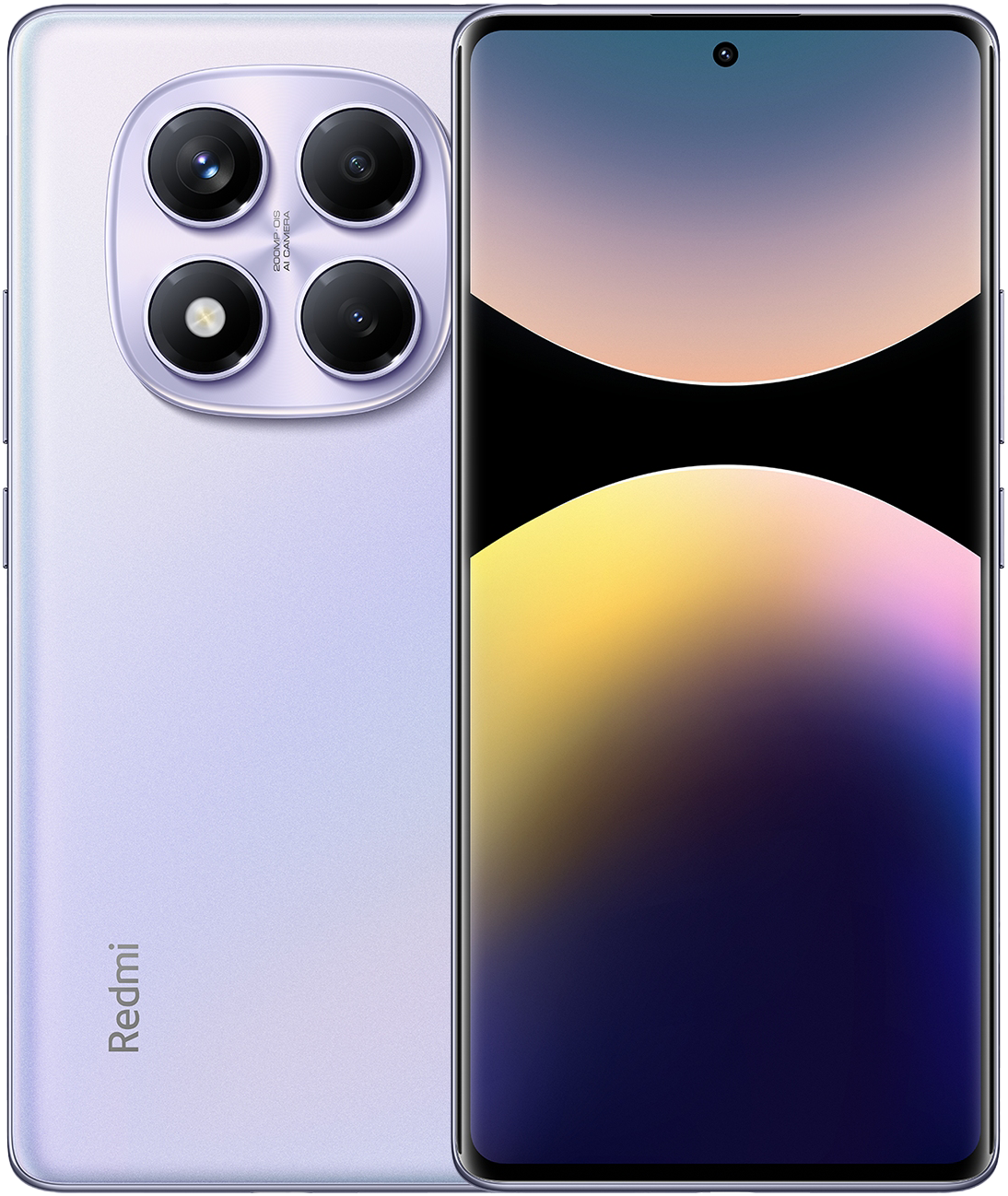
Official manufacturer render.
Redmi
Note 14 Pro
- 6.7-inch AMOLED
- MediaTek Helio G100-Ultra
- 180 g
- 5500 mAh
Physical specifications
6.7"
Display size
180 g
Weight
162.2 mm
Height
74.9 mm
Width
8.2 mm
Thickness
19.5:9
Aspect ratio
Everyday usability
Estimated from device dimensions and weight.
One-handed use
ManageableOne-handed use is workable, with some stretch for top-of-screen reach.
Pocket friendliness
GoodGenerally pocket-friendly for everyday carry.
Carry comfort
BalancedWeight sits in a balanced range for everyday holding and carrying.
Reading and media
More comfortable for reading and media than compact phones.
Gaming
Casual gamingIt is better suited to lighter games and moderate visual settings than demanding 3D titles.
See its real size next to another phone or tablet.
Open size comparisonDisplay
- Display size
- 6.7"
- Display technology
- AMOLED
- Resolution
- 2400 × 1080
- Refresh rate
- 120 Hz
- Peak brightness
- 1800 nits
- Protection
- Corning Gorilla Glass Victus 2
Performance
- Chipset
- MediaTek Helio G100-Ultra
- RAM
- 8 GB, 12 GB
- Storage
- 128 GB, 256 GB, 512 GB
- Expandable storage
- Yes
Battery & charging
- Typical capacity
- 5500 mAh
- Wired charging
- 45 W
Cameras
- Rear cameras
- Wide · 200 MP · ƒ/1.65 · OIS; Ultra Wide · 8 MP · ƒ/2.2; Macro · 2 MP · ƒ/2.4
- Front cameras
- Front · 32 MP · ƒ/2.2
Build & durability
- Ingress protection
- IP64
Connectivity
- Cellular
- LTE
- Wi‑Fi
- Wi-Fi 5
- Bluetooth
- Bluetooth 5.3
- NFC
- Yes
REDMI Note 14 Pro User Experience
An editorial summary of recurring REDMI Note 14 Pro ownership themes — Snapdragon 7s Gen 3 global performance, 200MP OIS main imaging, a curved 2100-nit AMOLED, 5500mAh with 45W charging, slimmer 74.92 mm ergonomics at 180 g, HyperOS polish, and how Pro positioning compares with entry Note 14 and Note 14S.
Release and pricing
- Released
- January 10, 2025
Buying guide FAQ
Practical upgrade and buying answers based on published specifications and previous-generation comparisons when available.
What’s new in Redmi Note 14 Pro (2025) compared with Redmi Note 13 Pro (2024)?
Published changes versus Redmi Note 13 Pro (2024) include a weight change of −8 g and a body size change of +1.1 mm height and −0 mm width. These are specification differences, not measured real-world scores.
Is it worth upgrading from Redmi Note 13 Pro (2024) to Redmi Note 14 Pro (2025)?
An upgrade is easiest to justify if you care about a weight change of −8 g and a body size change of +1.1 mm height and −0 mm width. If those areas already meet your needs on Redmi Note 13 Pro (2024), the move is optional rather than urgent.
Who should buy Redmi Note 14 Pro (2025)?
Redmi Note 14 Pro (2025) fits buyers who want a larger phone for media and reach and people moving up from Redmi Note 13 Pro (2024). This is an editorial reading of size and published differences, not a personalized recommendation.
Who should keep Redmi Note 13 Pro (2024)?
Keep Redmi Note 13 Pro (2024) if you do not need the listed generation changes. Moving to Redmi Note 14 Pro (2025) makes more sense when the listed upgrades match what you actually use.
What are the biggest improvements on Redmi Note 14 Pro (2025)?
The clearest published improvements are a weight change of −8 g and a body size change of +1.1 mm height and −0 mm width. Treat these as catalog differences rather than ranked review scores.
What are the biggest drawbacks of Redmi Note 14 Pro (2025)?
Against Redmi Note 13 Pro (2024), the catalog does not show obvious trade-offs such as a higher launch price or a clearly heavier body. That does not mean the device is flawless—only that those drawbacks are not evident in the compared specs.
Considering another Note 14 model?
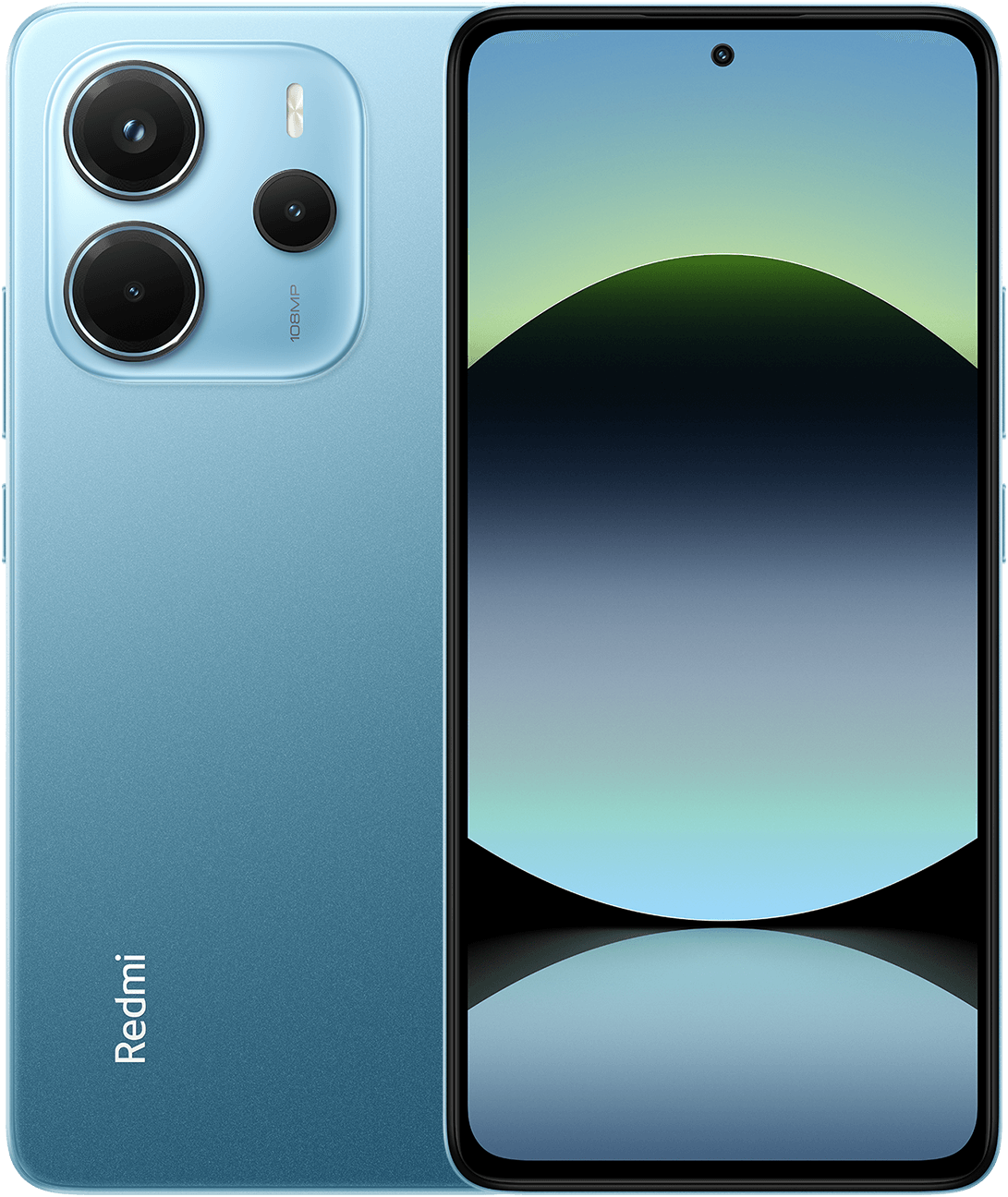
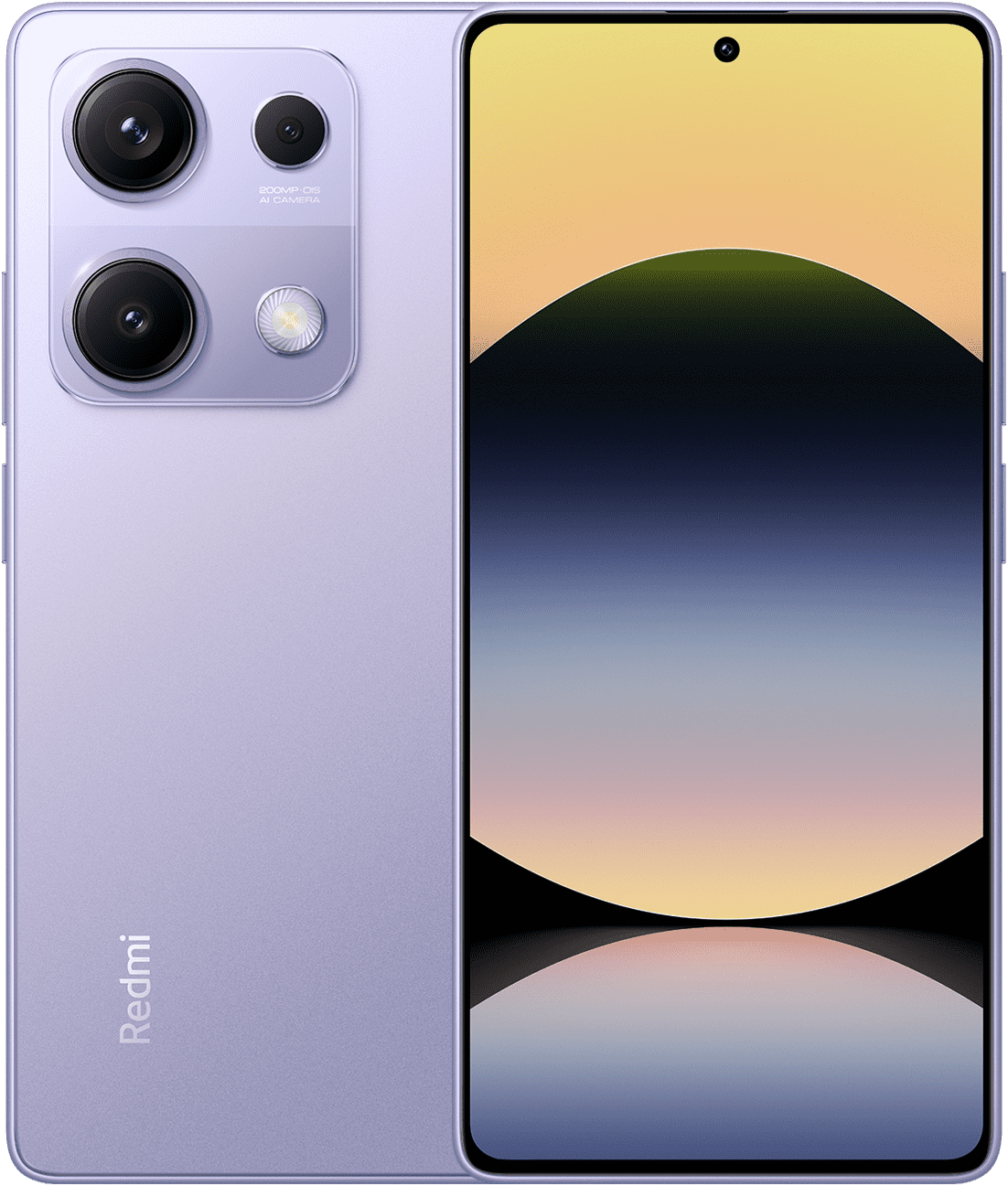
Similar size devices
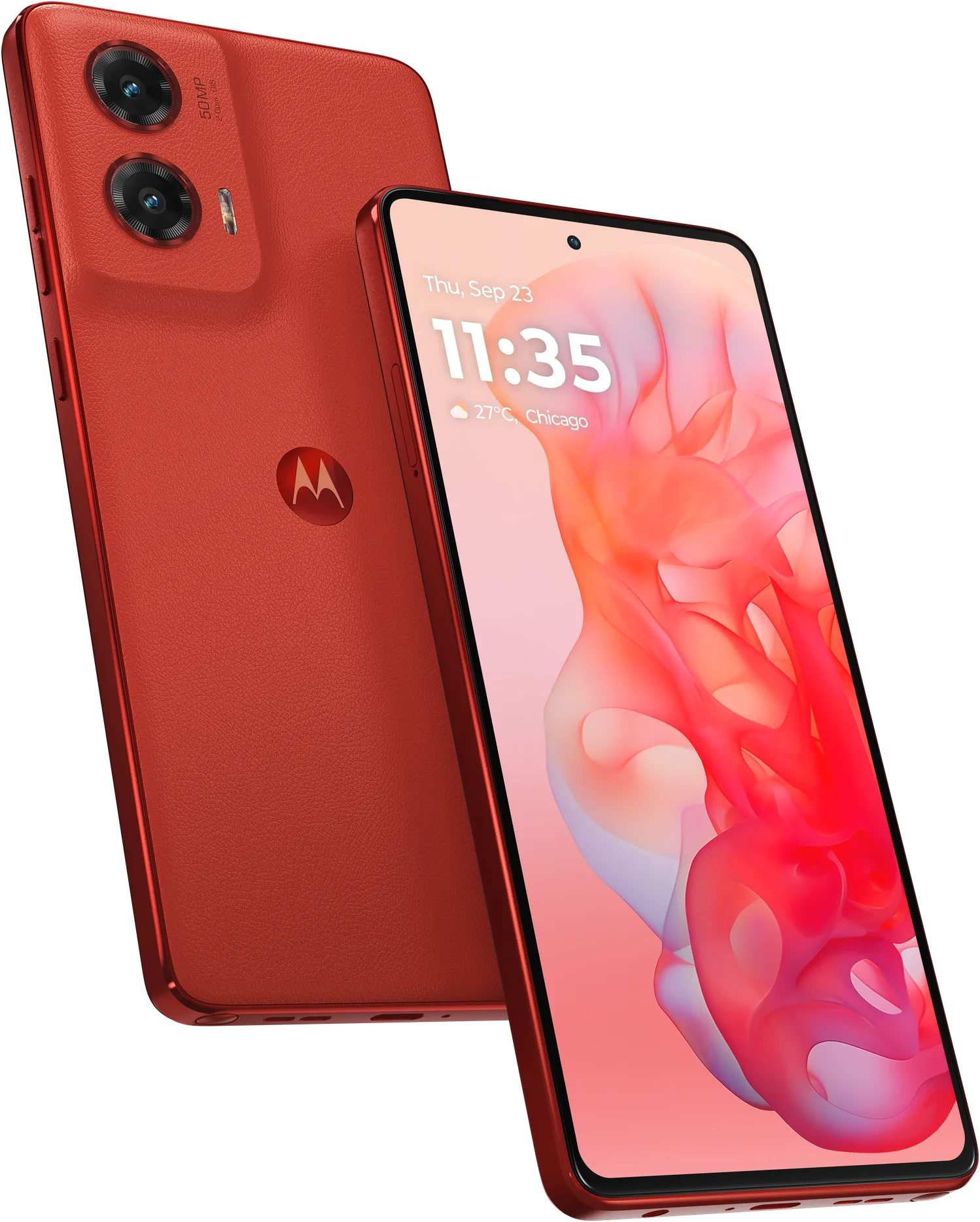
Models and configurations
- Storage
- 128 GB256 GB512 GB
- Connectivity
- LTE
- Colors
- `redmi-note-14-pro`
- RAM
- 8 GB12 GB
Official sources
Dimensions and specifications are based on manufacturer-published data. Learn more in our Methodology