POCO F7 User Experience
Sizometry Verdict
Editorial scores based on recurring themes across professional reviews, hands-on testing, and expert analysis.
Overall user experience
7.5
out of 10
A June 2025 big-screen POCO with standout 6.83-inch immersion, 6500mAh global endurance, 90W charging, and IP68 sealing on HyperOS 2 — held back by 77.9 mm width, 215.7 g heft, weak ultrawide, no global eSIM, India battery variant envy, and mixed-report long-term confidence.
Category scores
Camera
6.5
Main adequate for daylight; 8MP ultrawide consistently soft.
Battery and charging
8.5
6500mAh global with 90W — strong, though India Si/C looms in comparisons.
Performance
8.0
Snapdragon 8s Gen 4 handles daily and gaming with modest warmth.
Handling and portability
5.5
77.9 mm and 215.7 g push two-handed habits. Widest F7 sibling dominates pocket outline.
Build quality
8.0
IP68 solid build; mixed-report longevity data still maturing.
Value
8.0
A June 2025 big-screen POCO with standout 6.83-inch immersion, 6500mAh global endurance, 90W charging, and IP68 sealing on HyperOS 2 — held back by 77.9 mm width, 215.7 g heft, weak ultrawide, no global eSIM, India battery variant envy, and mixed-report long-term confidence.
Strengths
- 6.83-inch 1.5K display for media immersion
- 6500mAh global battery with strong endurance
- 90W wired and 22.5W reverse charging
- IP68 at aggressive big-screen POCO pricing
Weaknesses
- 77.9 mm width — least pocketable F7
- Weak 8MP ultrawide optics
- No global eSIM
- Mixed reports versus India Si/C battery variant
Best for
- Big-screen media and gaming buyers
- Two-handed daily users
- Endurance seekers on global 6500mAh SKU
- Upgraders from older POCO without IP68
Less suitable for
- One-handed ergonomics prioritizers
- Telephoto and ultrawide enthusiasts
- Global travelers needing eSIM
- Pocket-fit minimalists
Upgrade recommendation
Current device: Older POCO X or F owners
Recommendation: Strongly recommendedNotes: Screen size, IP68, and 6500mAh address generational gaps.
Current device: F7 Pro shoppers
Recommendation: Depends on prioritiesNotes: Pro wins chipset and width; F7 wins screen and global cell.
Current device: F7 Ultra shoppers
Recommendation: Depends on prioritiesNotes: Ultra wins telephoto; F7 wins canvas and 6500mAh.
Current device: India buyers expecting Si/C cell
Recommendation: Worth consideringNotes: Verify SKU — global catalog documents 6500mAh variant.
Current device: POCO F6 owners
Recommendation: Worth consideringNotes: Media-first upgraders gain screen and sealing.
Bottom line
The POCO F7 earns early respect as POCO's big-screen endurance play through 6.83-inch immersion, 6500mAh global stamina, and 90W recovery on HyperOS 2 — while honest trade-offs remain 77.9 mm ergonomics, 215.7 g heft, weak ultrawide optics, absent global eSIM, and mixed-report confidence versus India's larger Si/C sibling. Media-heavy two-handed buyers should audition pocket fit; one-handed and telephoto seekers should compare F7 Pro and Ultra before committing.
See its real size next to another phone or tablet.
Open size comparisonOverview
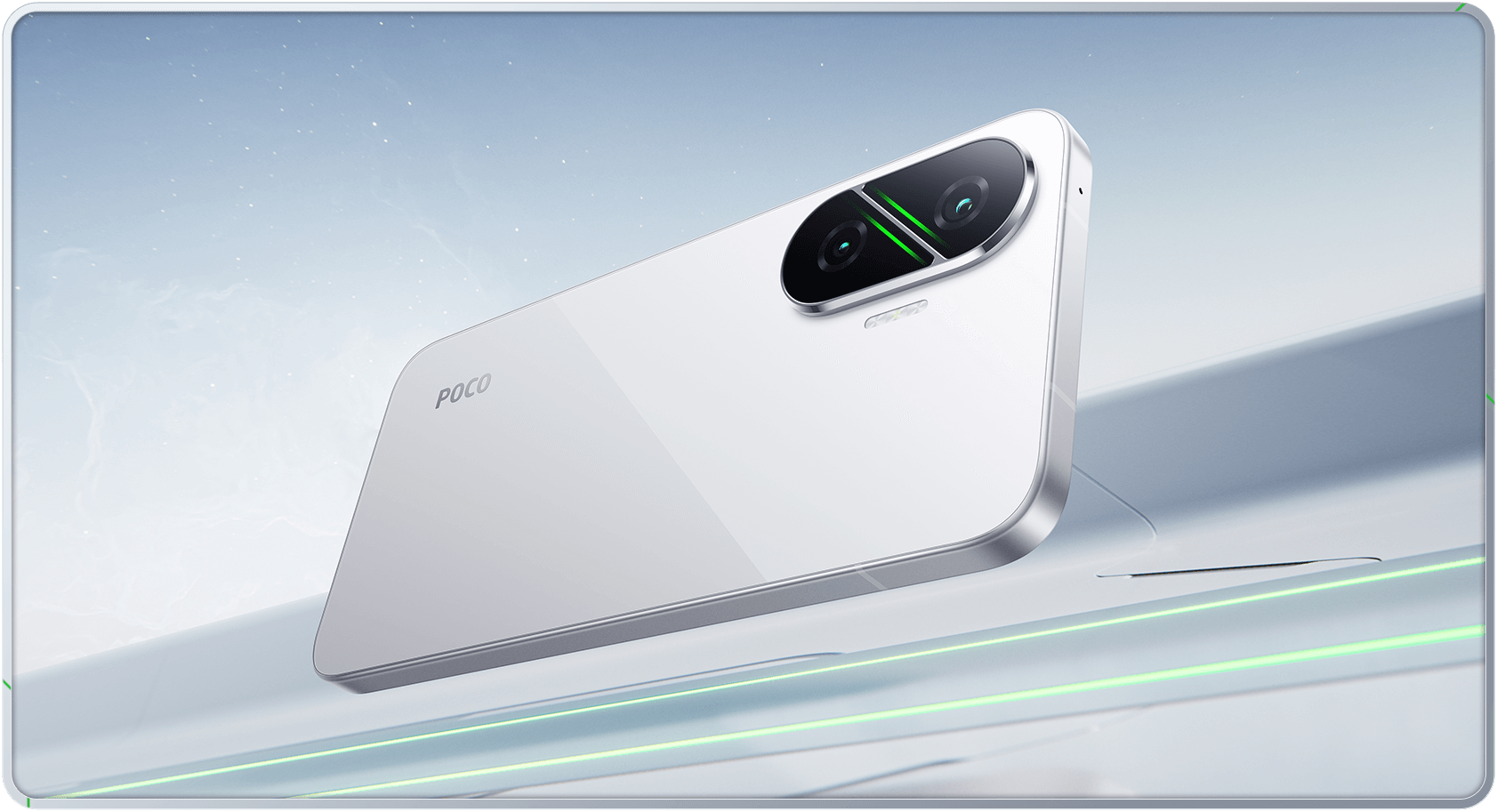
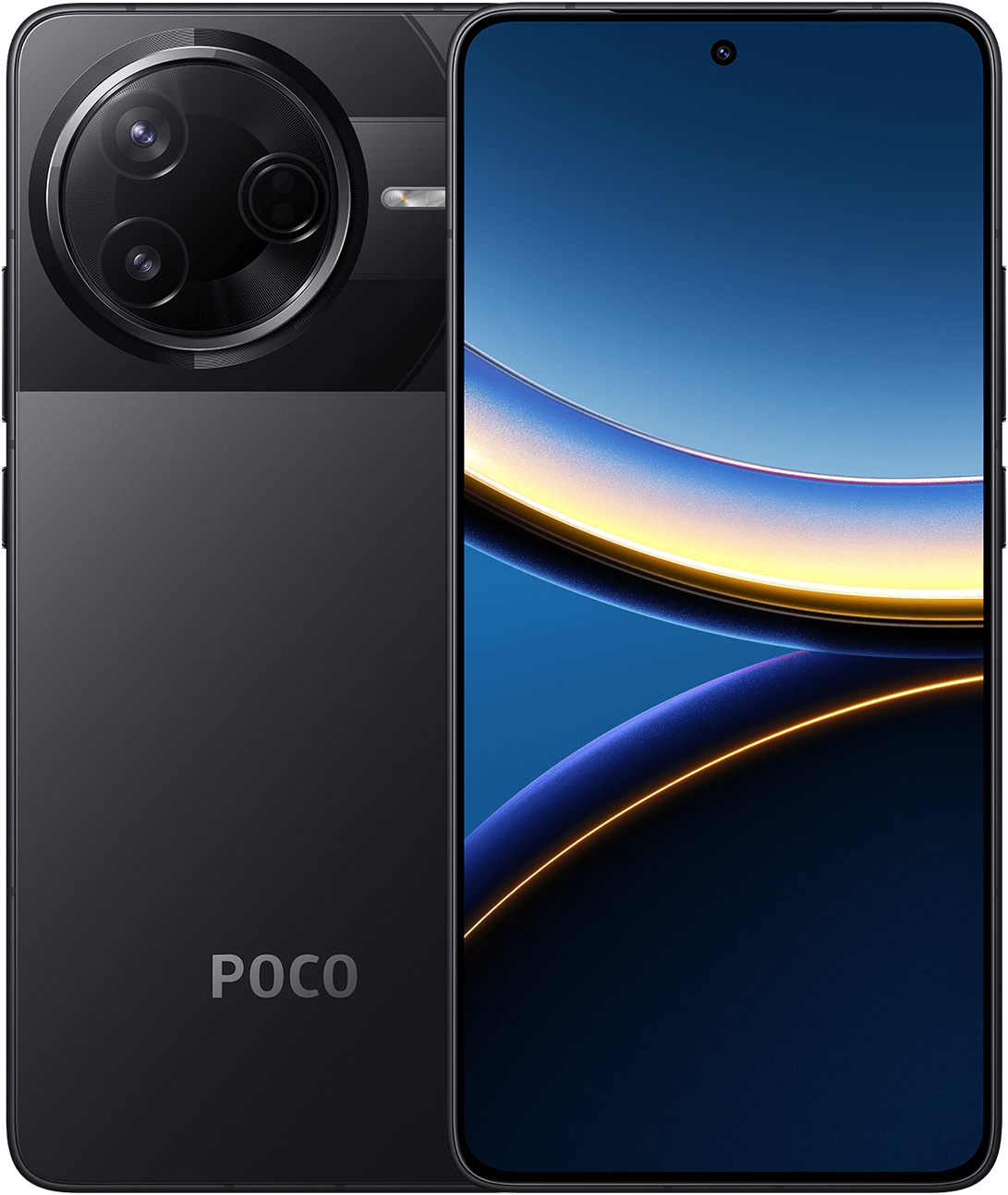
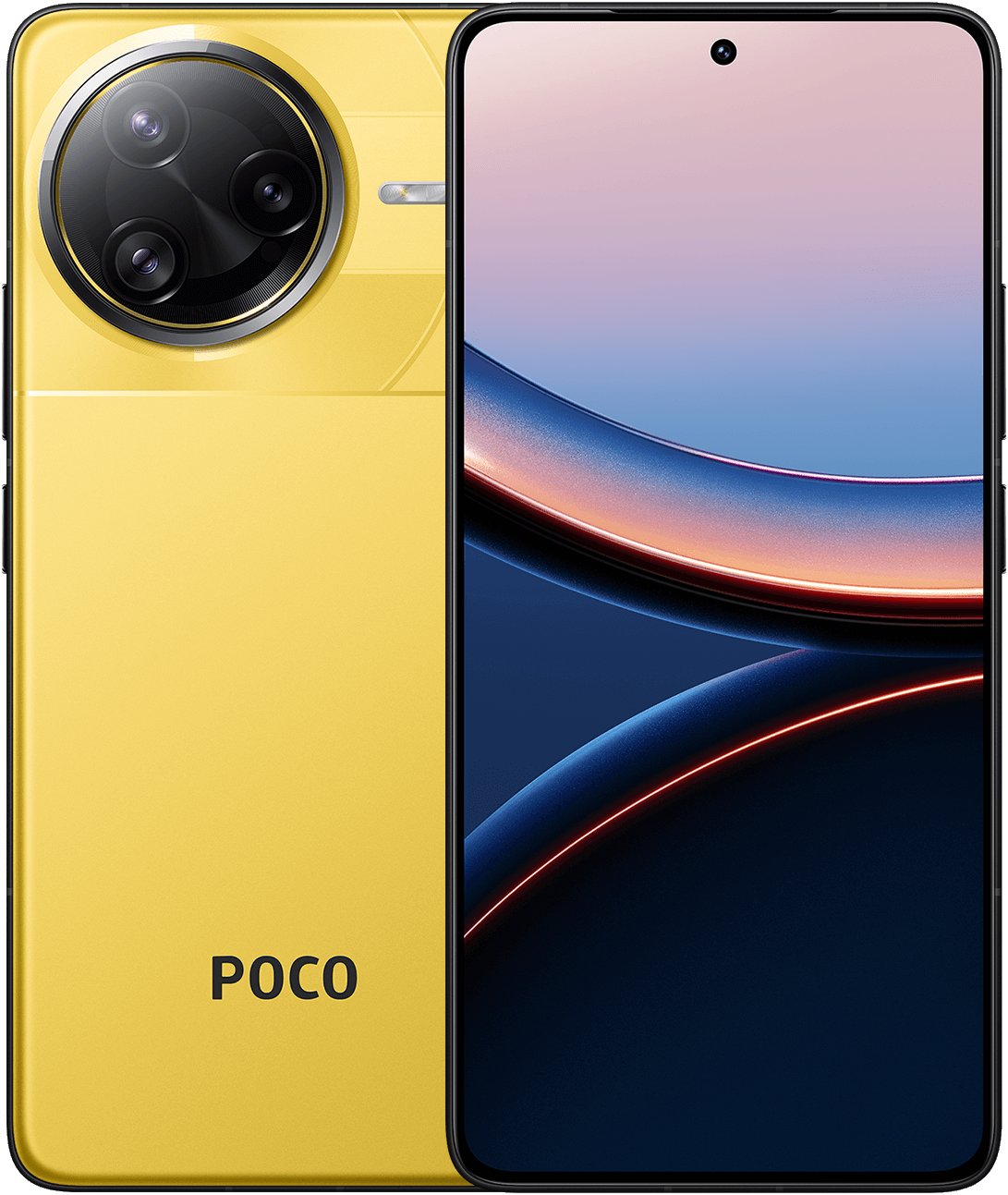
Across professional reviews and early owner discussions since the June 24, 2025 global and India launch, the POCO F7 is widely regarded as the big-screen endurance play in POCO's F7 generation — a phone that pairs a tall 6.83-inch 1.5K 120Hz AMOLED canvas with a 6500mAh global cell, 90W wired recovery, and IP68 sealing rather than chasing telephoto reach or Snapdragon 8 Gen 3 flagship branding.
For readers evaluating handling before purchase, this summary focuses on real ownership of the global catalog variant on HyperOS 2 — pocket fit at 77.9 mm width, two-handed media habits on a 6.83-inch canvas, 90W charging without wireless fallback, and whether big-screen endurance beats F7 Pro chipset headroom or F7 Ultra telephoto for daily commuters.
Daily use
In daily use, the F7 is consistently described as smooth for routine workloads on Snapdragon 8s Gen 4 with HyperOS 2. App launches, messaging, navigation, and social feeds on the large canvas feel fluid; video and reading benefit from the 6.83-inch real estate more than synthetic benchmarks suggest.
The 6.83-inch 1.5K AMOLED and stereo speakers make the F7 a deliberate media phone — owners praise couch streaming, split-screen productivity, and mobile gaming field-of-view versus narrower siblings. Scrolling at 120Hz remains fluid; Game Turbo toggles earn modest enthusiasm though F7 Pro wins pure chipset bragging rights in benchmark threads.
HyperOS 2 receives mixed credit for feature breadth alongside first-week bloat cleanup. The 215.7 g weight and 77.9 mm width push most owners toward two-handed habits quickly; slim TPU cases improve grip on glossy finishes without blocking 90W charging.
F7
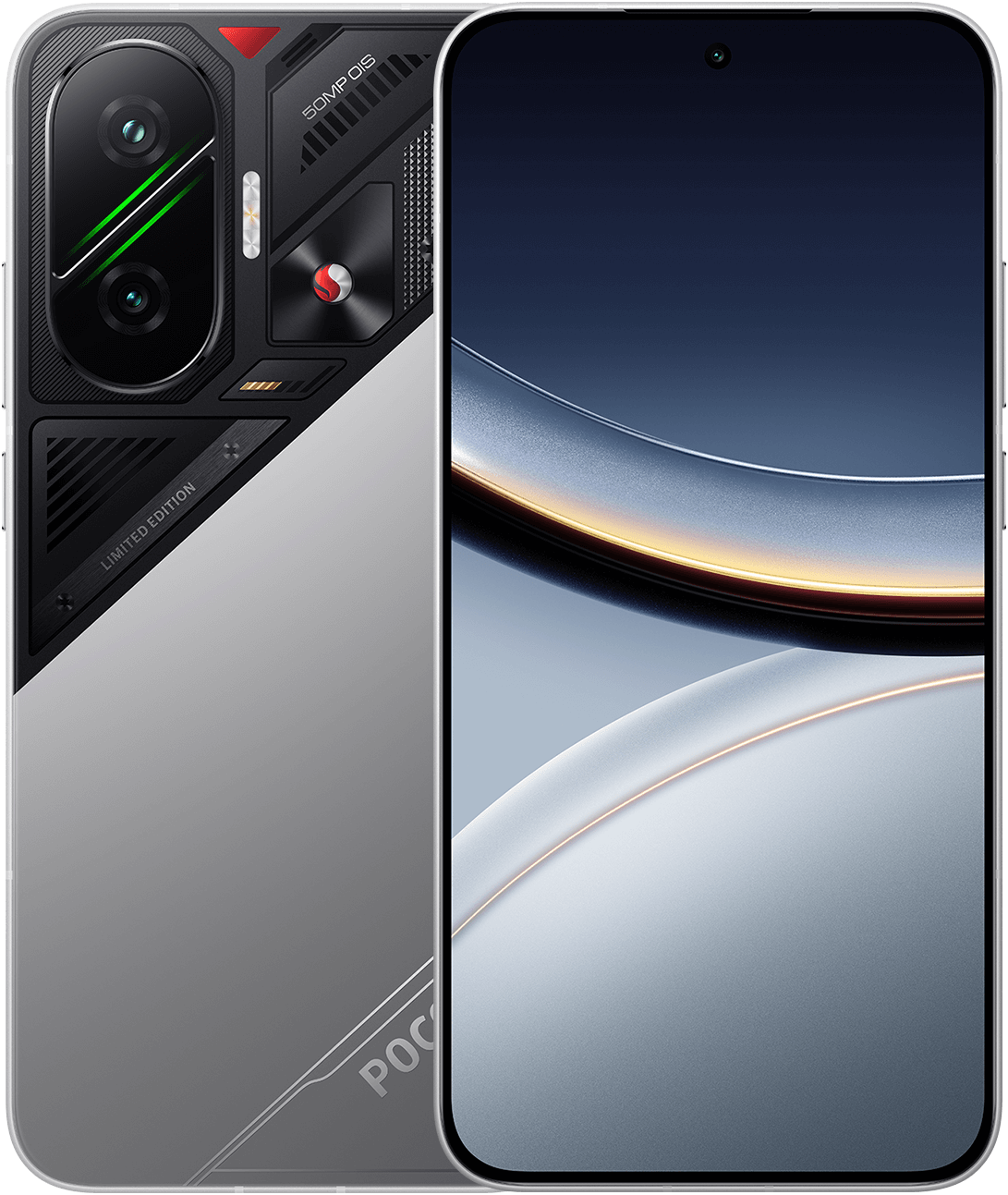
View the full specifications, dimensions, pricing, and related models.
Camera
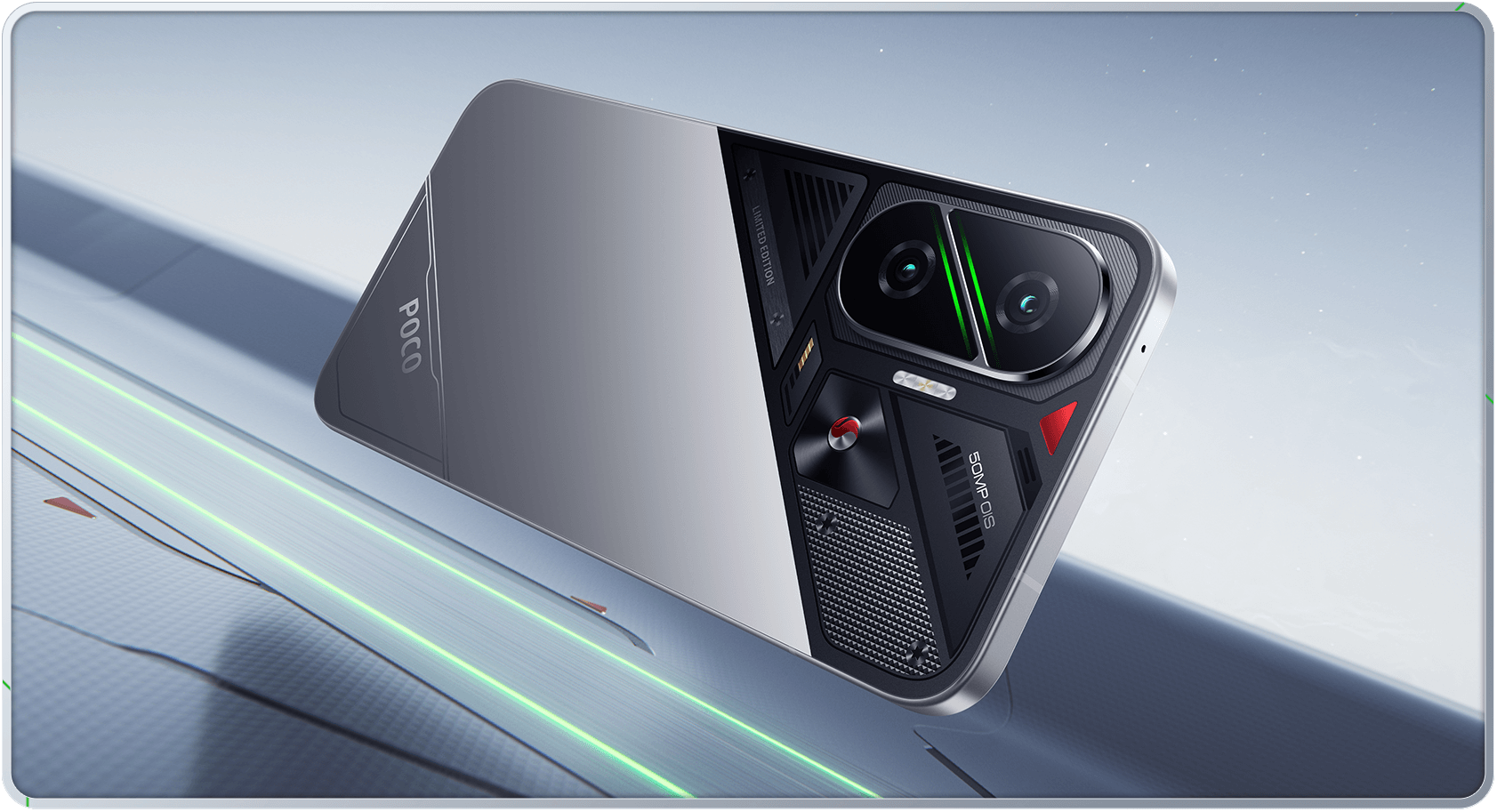
Camera feedback centers on a competent main sensor for daylight social sharing with a consistently criticized 8MP ultrawide — soft edges, limited dynamic range, and washed colors in owner threads. The dual stack suits casual shooters; enthusiasts cross-shop F7 Ultra telephoto or numbered Xiaomi flagships.
Daylight main results draw reasonable praise: quick shutter, acceptable HDR outdoors, and HyperOS processing adequate for social workflows. Low-light main performance is serviceable but trails F7 Pro and Ultra comparisons in restaurant and concert venues.
Battery and charging
Typical daily reports on the global 6500mAh cell align around strong all-day endurance for moderate use: messaging, social apps, navigation, and heavy media on the large panel. Lighter routines often end with 25–35% remaining; max-brightness 6.83-inch gaming days more commonly lead to evening top-ups. India 7550mAh Si/C envy dominates comparison threads rather than complaints about global stamina in isolation.
90W wired charging is a clear quality-of-life strength — full recovery in under an hour suits travelers and power users. 22.5W reverse wired charging earns niche praise for earbud and watch rescue without carrying extra accessories.
Performance
App launching and routine multitasking are consistently described as smooth on Snapdragon 8s Gen 4 for the price. Owners rarely report lag under normal workloads; pure benchmark leadership goes to F7 Pro and Ultra, but social, productivity, and mobile gaming buyers report satisfaction.
Gaming feedback is positive on the large canvas — BGMI, Call of Duty Mobile, and Genshin Impact at medium to high settings benefit from field-of-view and adequate chipset headroom. Sustained sessions warm the 8.2 mm chassis; throttling is described as mild.
Handling and portability
At 77.9 mm wide, 163.1 mm tall, and 215.7 g, the POCO F7 sits at the wide-and-heavy extreme of the F7 family. Thumb reach across the lower display works for messaging; top corners, ultrawide shutter placement, and full-width keyboard use require grip shifts or second-hand assistance on the tall 6.83-inch canvas.
In standard men's jeans and jacket pockets, owners report a prominent fit — 77.9 mm width, 8.2 mm thickness, and 215.7 g dominate pocket outline more than F7 Pro or Ultra siblings.
Holding the F7 for 30–60 minutes suits media-heavy users — the large 6.83-inch AMOLED reduces eye strain during long video sessions, though 215.7 g forearm fatigue appears sooner than on 190 g midrangers.
Build quality
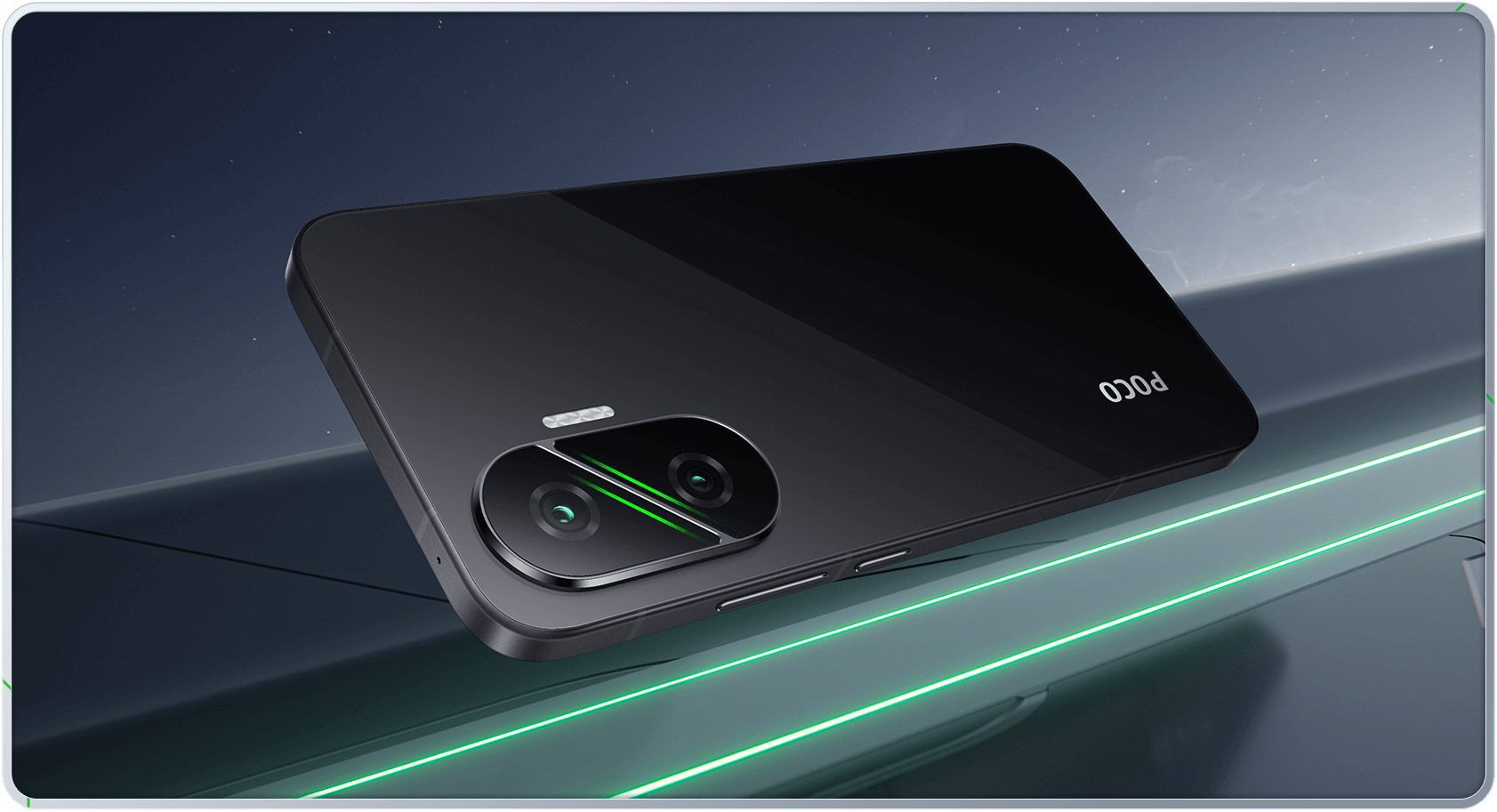
IP68 dust and water resistance plus Gorilla Glass protection combine into a convincing big-screen build — matching Pro and Ultra sealing while carrying the widest F7 footprint.
The 8.2 mm thickness and 215.7 g weight communicate substantial big-phone presence; frame rigidity earns early praise though drop stories remain limited given June 2025 launch timing.
Considering another F7 model?
Similar size devices

This summary is based on recurring reports from public discussions.