POCO F7 Ultra User Experience
Sizometry Verdict
Editorial scores based on recurring themes across professional reviews, hands-on testing, and expert analysis.
Overall user experience
8.5
out of 10
A March 2025 POCO imaging flagship with standout telephoto reach, 120W wired and 50W wireless charging, Snapdragon 8 Elite smoothness, and IceLoop gaming thermals on global HyperOS 2 — held back by 5300mAh endurance versus F7 Pro, 212 g heft, and rebadge battery trade-offs versus Redmi K80 Pro.
Category scores
Camera
8.5
2.5x telephoto transforms POCO imaging; low light trails true Ultra flagships.
Battery and charging
7.5
5300mAh with 120W and 50W fast — strong recovery, weaker stamina than Pro.
Performance
9.0
Snapdragon 8 Elite plus IceLoop — best sustained gaming in F7 family.
Handling and portability
6.5
212 g and 8.39 mm dense for smaller hands. Telephoto bump and 212 g felt in slim pockets.
Build quality
8.5
IP68 flagship build at aggressive POCO Ultra pricing.
Value
8.5
A March 2025 POCO imaging flagship with standout telephoto reach, 120W wired and 50W wireless charging, Snapdragon 8 Elite smoothness, and IceLoop gaming thermals on global HyperOS 2 — held back by 5300mAh endurance versus F7 Pro, 212 g heft, and rebadge battery trade-offs versus Redmi K80 Pro.
Strengths
- 2.5x telephoto optical zoom over F7 Pro
- 120W wired and 50W wireless charging
- Snapdragon 8 Elite with IceLoop cooling
- VisionBoost D7 display tuning
Weaknesses
- 5300mAh smaller than F7 Pro
- 212 g — heaviest F7 sibling
- Ultra premium over Pro for non-telephoto users
- Wireless case alignment sensitivity
Best for
- Telephoto and mobile gaming enthusiasts
- Wireless-charging desk routines
- F7 Pro upgraders wanting zoom reach
- Buyers prioritizing sustained performance
Less suitable for
- Battery-first commuters
- Pocket-fit buyers under 210 g
- Shooters who rarely use telephoto
- Multi-day travel without charging access
Upgrade recommendation
Current device: POCO F7 Pro owners
Recommendation: Depends on prioritiesNotes: Ultra wins telephoto and wireless; Pro wins 6000mAh endurance.
Current device: F6 Pro or F5 Pro owners
Recommendation: Strongly recommendedNotes: Generational leaps in camera, charging, and Elite chipset.
Current device: Samsung Galaxy S25 Ultra shoppers
Recommendation: Worth consideringNotes: F7 Ultra wins charging speed; Samsung wins ecosystem.
Current device: Battery-first buyers
Recommendation: Probably unnecessaryNotes: F7 Pro's 6000mAh better matches endurance priorities.
Current device: Redmi K80 Pro curious buyers
Recommendation: Depends on prioritiesNotes: POCO wins global ROM; Redmi may win domestic battery.
Bottom line
The POCO F7 Ultra earns respect as POCO's 2025 imaging apex through telephoto reach, dual fast charging, and Snapdragon 8 Elite sustained performance on global HyperOS 2 — while honest trade-offs remain 5300mAh endurance versus F7 Pro, 212 g ergonomics, and rebadge battery differences from Redmi K80 Pro. Telephoto and gaming buyers should audition pad alignment and pocket fit; endurance-first shoppers should compare F7 Pro before spending Ultra money.
See its real size next to another phone or tablet.
Open size comparisonOverview
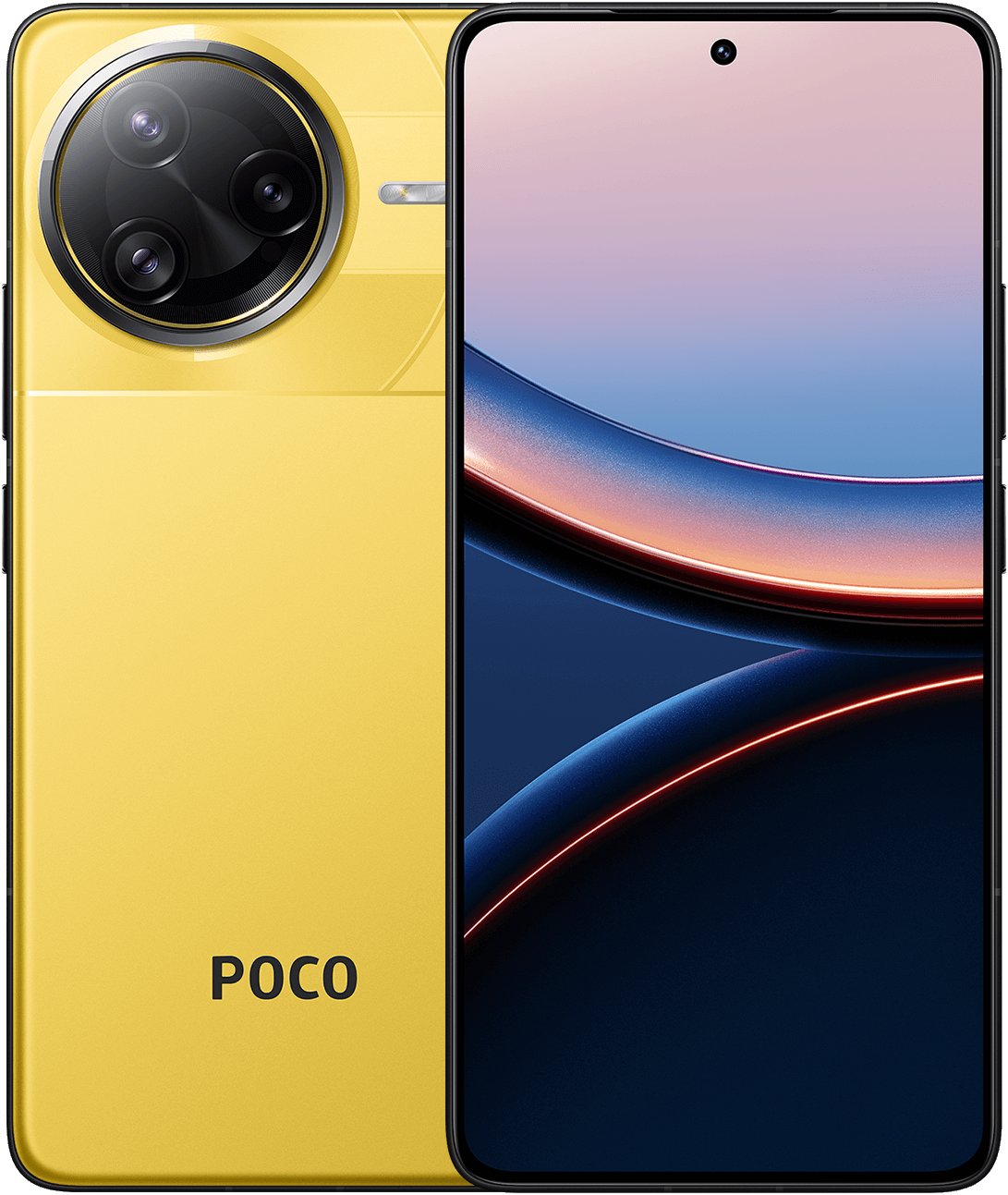
Across professional reviews and long-term owner discussions since the March 27, 2025 global launch, the POCO F7 Ultra is widely regarded as POCO's imaging-and-performance apex in the F7 generation — a phone that pairs Snapdragon 8 Elite headroom with a 2.5x telephoto stack, 120W wired plus 50W wireless recovery, and VisionBoost D7 display tuning rather than chasing the largest battery in the family.
For readers evaluating handling before purchase, this summary focuses on real ownership on global HyperOS 2 — pocket fit at 74.95 mm width and 212 g heft, telephoto shooting habits, 120W and 50W charging routines, IceLoop warmth during sustained loads, and whether Ultra imaging beats F7 Pro endurance for daily commuters.
Daily use
In daily use, the F7 Ultra is consistently described as the snappiest POCO in the F7 family on Snapdragon 8 Elite with HyperOS 2 over Android 15. App launches, camera switching between main and telephoto, and social feeds run without hesitation; heavy 2K gaming benefits from IceLoop headroom that Pro owners notice as warmer but more stable frame pacing.
The VisionBoost D7 2K AMOLED and stereo speakers make the F7 Ultra feel genuinely flagship-tier for daily media. Scrolling remains fluid at 120Hz, outdoor legibility earns stronger praise than F7 Pro in owner comparisons, and telephoto zoom becomes a habitual workflow for concerts and street photography. HyperOS theme depth receives credit once owners disable aggressive battery restrictions on messaging apps.
HyperOS 2 receives mixed credit for feature breadth alongside first-week bloat cleanup. The 212 g weight and 8.39 mm profile feel substantial in one hand; many owners adopt slim cases while verifying wireless coil alignment. Desk users praise 50W wireless as a quality-of-life upgrade over Pro-only wired routines.
F7 Ultra
View the full specifications, dimensions, pricing, and related models.
Camera
Camera feedback centers on the telephoto differentiator — 2.5x optical reach produces portrait separation and concert zoom that F7 Pro cannot match. Owners praise HyperOS 2 processing speed across main and telephoto lenses; limitations appear in extreme low light and beyond telephoto native reach.
Daylight main and telephoto results draw the steadiest praise: accurate colors, dependable HDR outdoors, and quick shutter for pets and street scenes. Portrait mode on telephoto earns social-sharing enthusiasm; ultrawide utility remains secondary to zoom workflows.
Battery and charging
Typical daily reports align around good but not class-leading endurance on the 5300mAh cell: moderate users finish days with 15–30% remaining; heavy 120Hz 2K gaming, telephoto shooting, and bright-outdoor navigation more commonly lead to evening top-ups. F7 Pro comparisons are the most cited frustration — Ultra buyers knew the spec sheet but still feel the smaller pack on travel weekends.
120W wired charging is a flagship-tier strength — full recovery in roughly half an hour suits power users. 50W wireless adds desk and nightstand convenience that Pro lacks, partially reframing battery trade-offs for pad-friendly households.
Performance
App launching and routine multitasking are consistently described as the fastest in the F7 lineup on Snapdragon 8 Elite. Owners rarely report lag; synthetic benchmarks lead F7 Pro clearly and satisfy enthusiasts who notice frame pacing in competitive mobile titles.
Gaming feedback is the strongest in the family — BGMI, Call of Duty Mobile, and Genshin Impact at high settings with IceLoop cooling earn sustained-session praise. Throttling is described as mild relative to prior POCO flagships.
Handling and portability
At 74.95 mm wide, 160.26 mm tall, and 212 g, the POCO F7 Ultra sits at the dense end of modern performance flagships. Thumb reach across the lower display works for messaging; top corners and telephoto UI controls require grip shifts on the tall canvas.
In standard men's jeans and jacket pockets, owners report a noticeable fit — 74.95 mm width, 8.39 mm thickness, and 212 g are felt more than F7 Pro, especially with the larger telephoto camera bump.
Holding the F7 Ultra for 30–60 minutes is comfortable for display quality but taxing for weight — the 212 g chassis and 8.39 mm profile add clear heft during extended gaming or telephoto shooting compared with F7 Pro.
Build quality
IP68 sealing plus premium frame materials and Gorilla Glass protection combine into POCO's most convincing flagship build — a step above F7 Pro in camera plateau presence and thermal hardware visibility.
The 8.39 mm thickness and 212 g weight communicate flagship substance; IceLoop vapor chamber marketing aligns with owner warmth reports during gaming. Frame rigidity earns praise; telephoto bump protection benefits from cases.
Considering another F7 model?
Similar size devices

This summary is based on recurring reports from public discussions.