Motorola razr (2025) User Experience

Sizometry Verdict
Editorial scores based on recurring themes across professional reviews, hands-on testing, and expert analysis.
Overall user experience
7.5
out of 10
The best-value 2025 clamshell for pocket-first buyers — useful 3.6-inch cover screen, refined hinge, and comfortable 188 g folded carry — held back by midrange Dimensity performance, modest cameras, slower 30 W charging, and shorter OS support versus premium foldables.
Category scores
Camera
6.5
Dependable daylight main camera and fun cover selfies, with soft ultrawide and weak low light clear limits at the budget tier.
Battery and charging
8.0
4,500 mAh delivers comfortable all-day moderate use; 30 W recovery adequate but not class-leading.
Performance
6.5
Dimensity 7400X handles daily tasks smoothly with expected midrange throttling under sustained gaming.
Handling and portability
9.0
Narrow 73.99 mm open width and compact 88.08 mm folded square among the best one-handed profiles in affordable foldables.
Build quality
7.5
Refined 2025 hinge, IP48 sealing, and Victus cover glass impress at $700; foldable crease and durability trade-offs remain.
Value
7.5
Refined 2025 hinge, IP48 sealing, and Victus cover glass impress at $700; foldable crease and durability trade-offs remain.
Strengths
- Best-in-class budget foldable value with useful 3.6-inch cover workflow
- Exceptional folded pocket fit at 88.08 mm height and 188 g
- 4,500 mAh endurance upgrade with comfortable all-day moderate use
- Hello UI polish and Motorola cover-screen software maturity
Weaknesses
- Midrange Dimensity 7400X and 8 GB RAM behind Plus/Ultra siblings
- Smaller dimmer cover versus 4-inch razr+ and razr ultra panels
- Modest ultrawide and low-light camera quality
- Three-year OS updates and 30 W charging below premium foldables
Best for
- First-time foldable buyers prioritizing pocket fit and value
- Cover-screen quick-task users satisfied with 3.6-inch outer panel
- Slab escapees wanting clamshell style without flagship pricing
- Casual photographers focused on daylight and selfie flexibility
Less suitable for
- Buyers needing largest brightest 4-inch cover display
- Photography and gaming enthusiasts expecting flagship hardware
- Owners demanding five-year major Android updates
- Heavy outdoor cover-screen workers in harsh sunlight
Upgrade recommendation
Current device: Razr 40, Razr 2023, or older Motorola flip
Recommendation: Strongly recommendedNotes: 4,500 mAh battery, refined hinge, IP48, and Dimensity 7400X address endurance, sealing, and performance gaps from prior budget foldables.
Current device: Razr 2024 owners
Recommendation: Worth consideringNotes: Meaningful battery and hinge upgrades; displays largely unchanged — worthwhile mainly for endurance and processor seekers.
Current device: Large slab (Plus or Pro Max size)
Recommendation: Worth consideringNotes: Pocket liberation frequently outweighs lost inner screen area for carry-frustrated owners at attainable pricing.
Current device: Shoppers debating razr+ 2025
Recommendation: Depends on prioritiesNotes: Save $300 if 3.6-inch cover suffices; step up for 4-inch panel, brighter outdoor cover, and Snapdragon 8s Gen 3.
Current device: Galaxy Z Flip satisfied with Samsung ecosystem
Recommendation: Probably unnecessaryNotes: Switch mainly if Motorola cover software and value trump Samsung update length — not a automatic upgrade path.
Bottom line
The Motorola razr 2025 earns its reputation as the foldable for buyers who refuse Ultra pricing yet still want genuine clamshell practicality.
See its real size next to another phone or tablet.
Open size comparisonOverview
Across professional reviews and early owner discussions since the May 2025 launch, the Motorola razr 2025 is often described as the most attainable entry into modern clamshell foldables — a $700 flip phone that delivers Motorola's signature cover-screen workflow without Ultra-tier pricing.
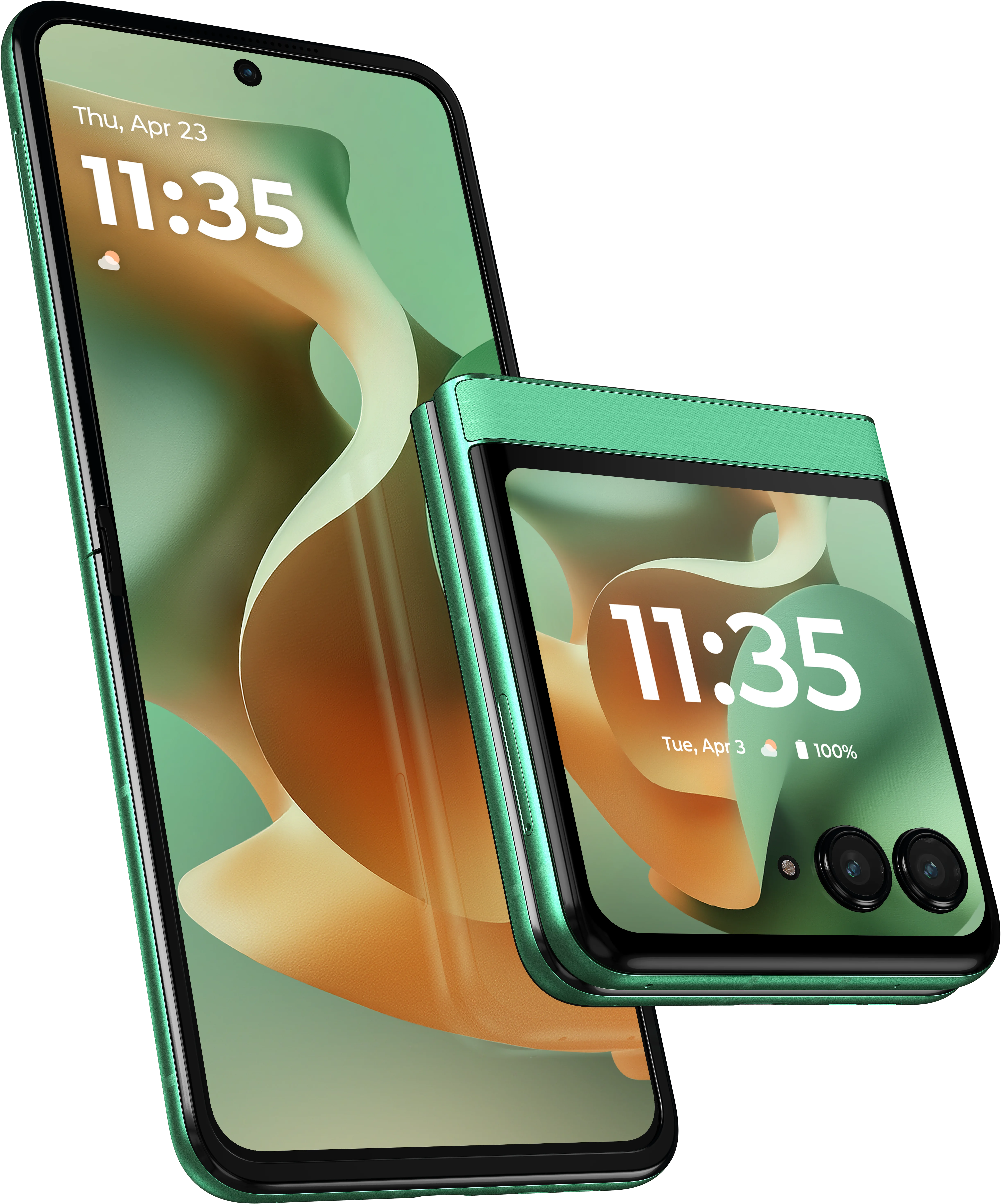
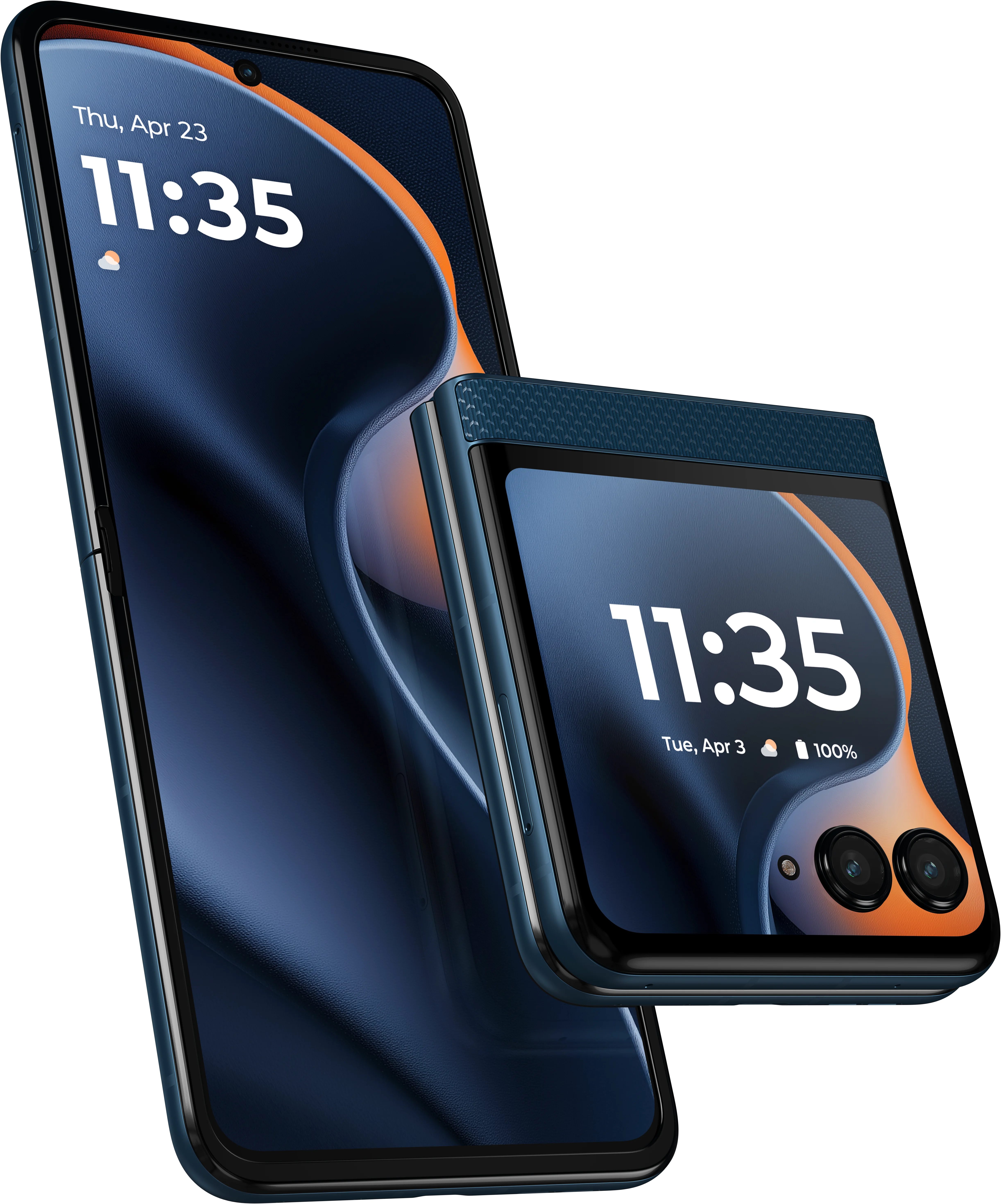
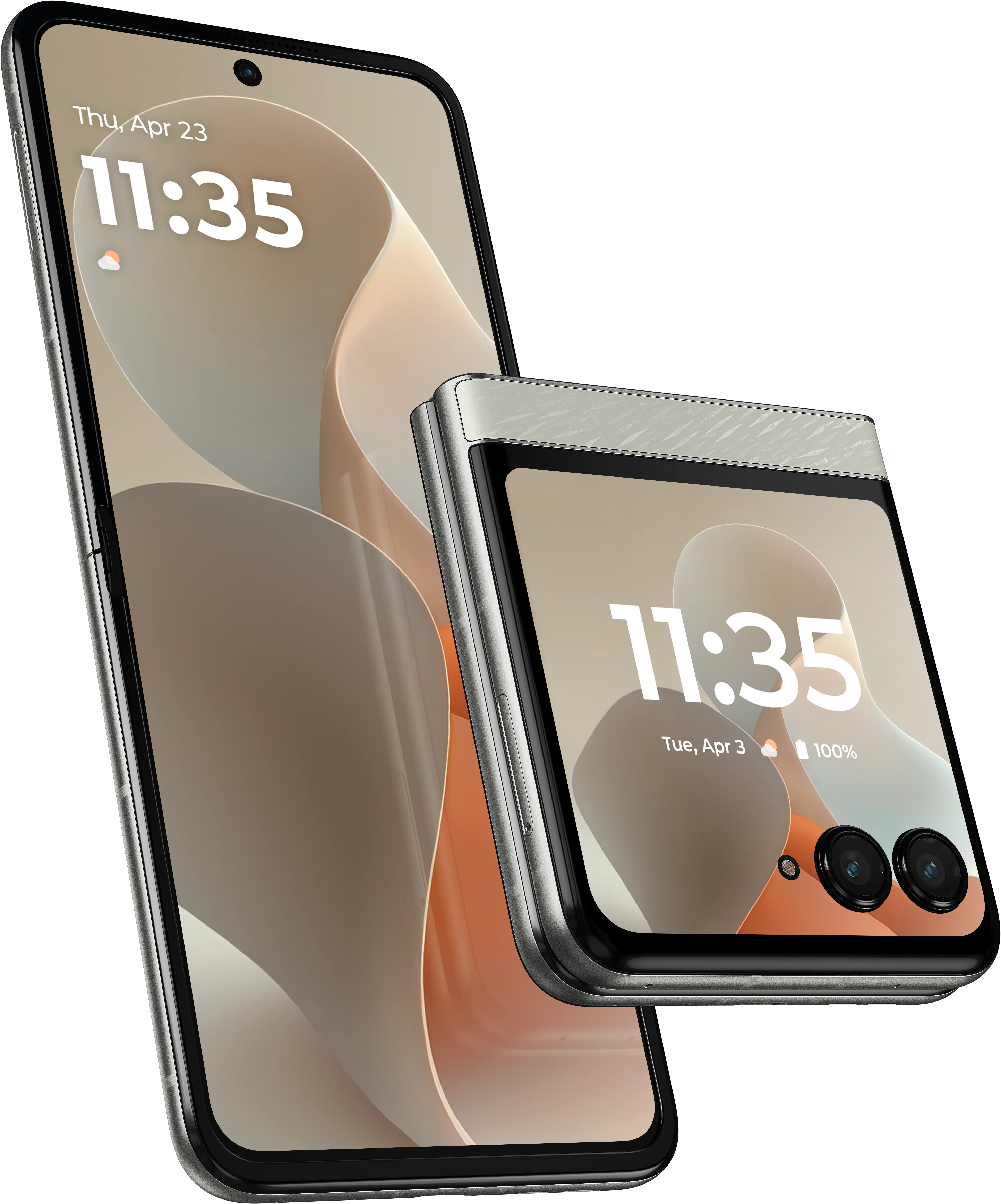
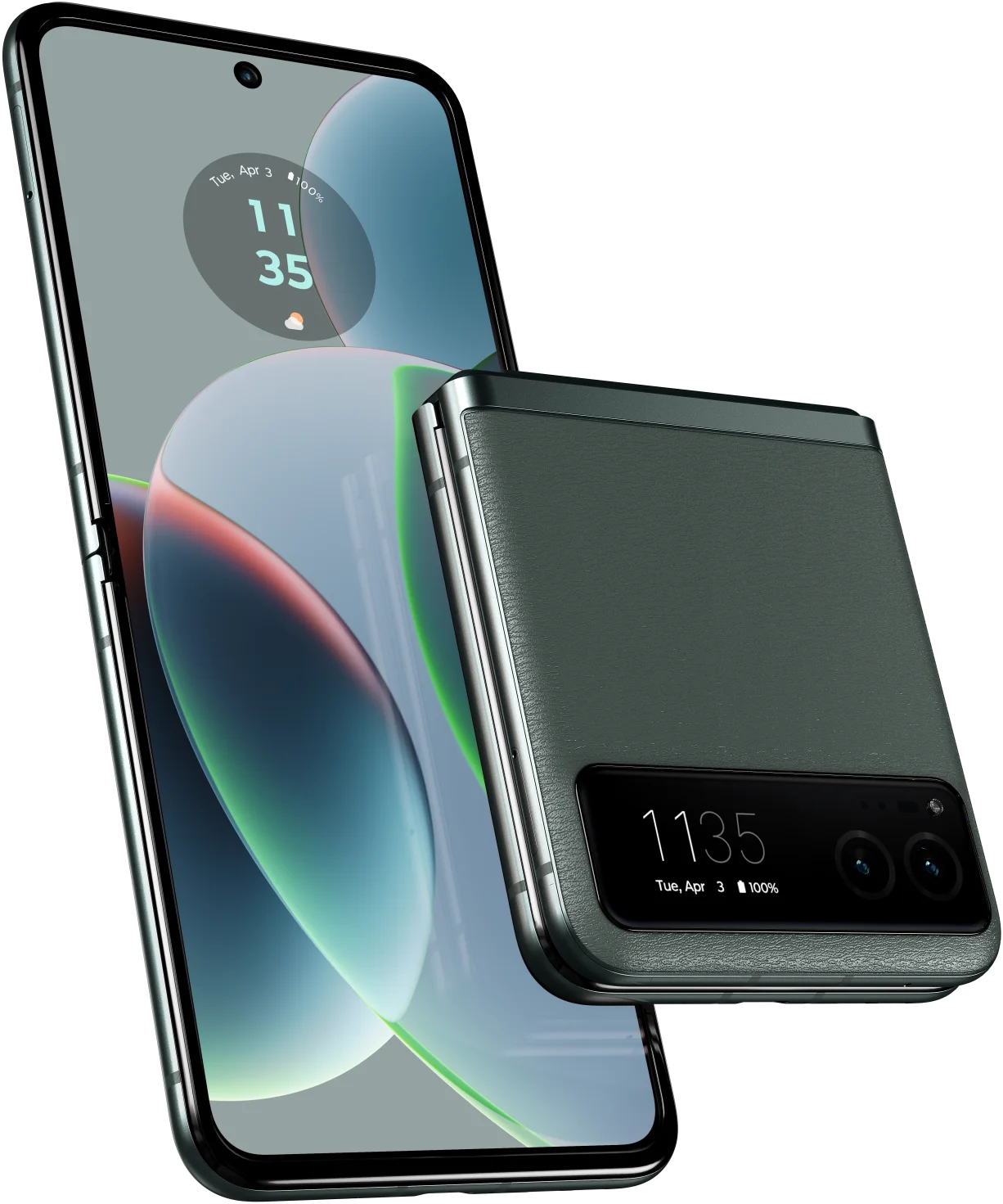
Folded dimensions of 73.99 mm wide, 88.08 mm tall, and 15.85 mm thick at 188 g produce the familiar near-square Razr carry profile.
Daily use
In daily use, the razr 2025 is described as smooth for messaging, navigation, and social apps on Dimensity 7400X. App launches and cover-to-inner handoffs run without stutter; friction clusters around Moto app suggestions and occasional banking-app cover scaling rather than routine lag.
The 3.6-inch cover screen handles notifications, media control, cover selfies, and map glances for many commutes once enabled apps are configured.
Opened, the 6.9-inch 120 Hz inner panel suits email and chat at 73.99 mm width. The center crease feels textured at first but rarely interrupts typing after the first week. Dolby Atmos stereo speakers make unfolded media feel complete for the price.
Hello UI integrates cleanly with gesture controls and Material You theming. Moto AI prompts split owners between pinners and disablers; three-year update promises temper long-horizon enthusiasm versus five-year Galaxy commitments.

razr
View the full specifications, dimensions, pricing, and related models.
Camera
Camera feedback centers on social reliability rather than enthusiast reach. The 50 MP main sensor with OIS delivers dependable daylight color and acceptable exposure for family photos and short social video when expectations match a $700 foldable.
Cover-screen selfie workflows earn recurring praise as a Razr family strength. Framing self-portraits on the 3.6-inch outer panel, using the main cameras as a viewfinder while folded, and capturing quick clips without opening the clamshell address use cases slab owners solve with accessories. Results suit Instagram and messaging; low-light selfie noise frustrates concert shooters.
Flex modes — partial folds for hands-free video calls, desk-propped timers, and group selfies — integrate into daily life more naturally than many owners expected.
Battery and charging
Typical daily reports align around comfortable all-day endurance for moderate mixed use on the 4,500 mAh cell. Lighter routines often end with 20–30 percent remaining; heavy inner-screen gaming and navigation more commonly lead to pre-bed top-ups.
The 2025 battery upgrade over the prior base Razr is among the most appreciated improvements. Owners migrating from 2023–2024 Razr generations describe multi-hour endurance gains as tangible daily relief.
Low-light rear performance trails Plus and Ultra siblings and most slab flagships in direct comparisons. Night scenes show more noise and slower shutter response; moving subjects generate more soft frames than owners expect from marketing shots.
Performance
App launching and routine multitasking are described as snappy enough for the price tier on Dimensity 7400X with 8 GB RAM.
Gaming feedback is positive for mainstream titles at modest settings on the 120 Hz inner panel. Sustained high-load sessions can throttle the chip; casual mobile gamers rarely cite performance as a regret.
Handling and portability
Opened at 73.99 mm wide, 171.3 mm tall, and 7.25 mm thick, the razr 2025 is among the more one-hand-friendly modern phones when unfolded.
Folded to 88.08 mm tall, the device becomes a dense square that fits entirely in one palm for cover-screen interactions.
Top-inner reach still requires grip shifts on the 171.3 mm canvas. Slim cases preserve hinge snap; bulky options widen the folded square.
Build quality
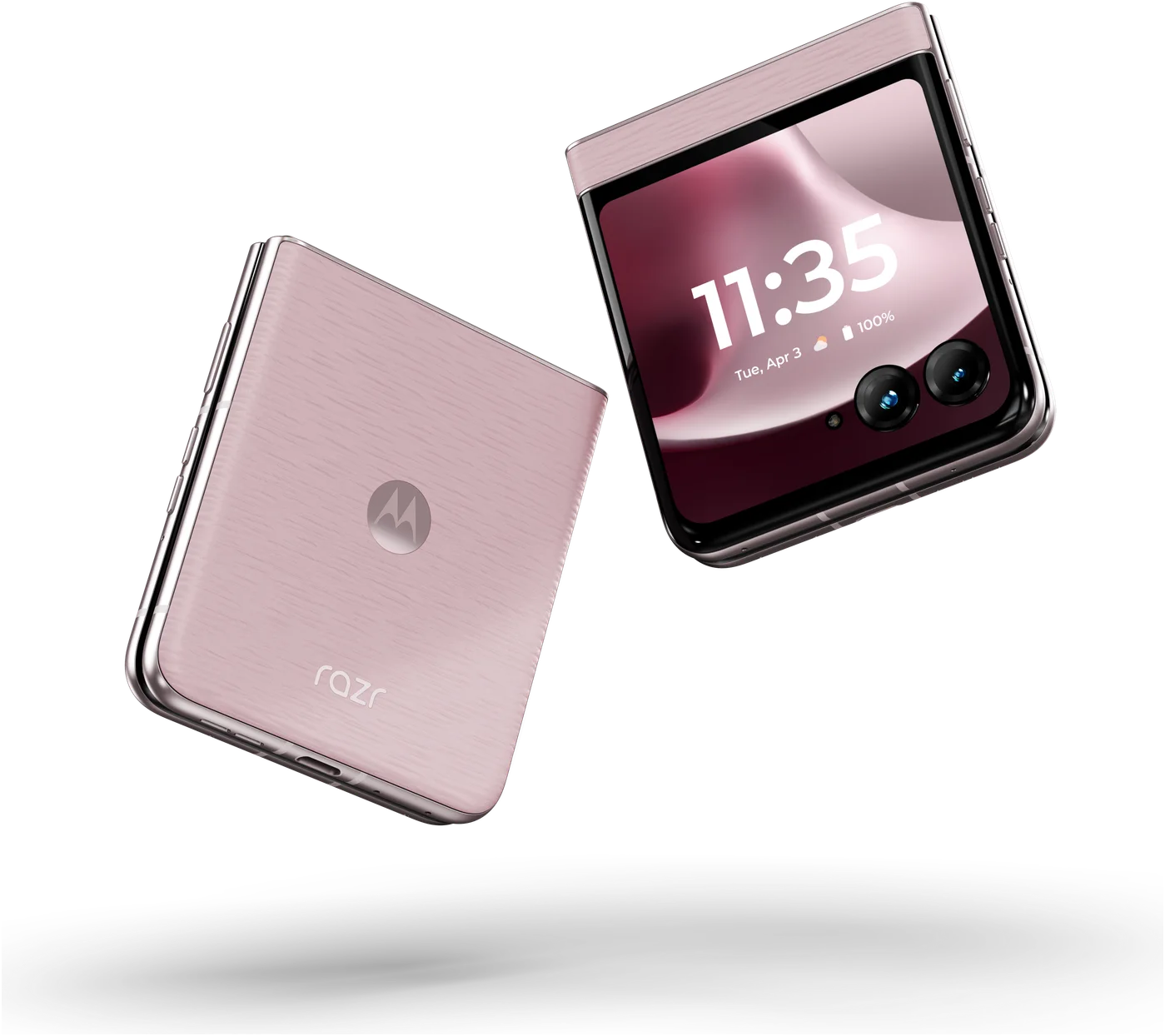
The 2025 razr hinge, IP48 sealing, and Gorilla Glass Victus cover glass combine into a device that feels more durable and refined than early Motorola foldables — tighter closure and improved dust resistance in community archives.
Folded rear finishes read stylish across colorways. Inner display care and slim-case advice dominate durability threads. Overall impressions skew positive for budget foldable buyers.
Considering another Motorola razr (2025) model?

Similar size devices
This summary is based on recurring reports from public discussions.