iPad Air 13-inch M3 User Experience




Sizometry Verdict
Editorial scores based on recurring themes across professional reviews, hands-on testing, and expert analysis.
Overall user experience
8.0
out of 10
A large, dependable iPad Air with excellent desk-first canvas and battery strengths, appealing strongly to older-iPad upgraders who need screen area — held back by incremental M3 silicon and unchanged 60Hz LCD, accessory, and portability trade-offs versus the 11-inch Air.
Category scores
Camera
7.0
Adequate scanning and strong front-camera Center Stage for desk calls, with imaging unchanged and secondary to screen workflows.
Battery and charging
9.0
Among the strongest Air options for all-day endurance in typical study and remote-work patterns.
Performance
8.0
Fast routine use with occasional warmth under sustained load.
Handling and portability
7.0
Manageable daily carry with familiar reach and pocket trade-offs for the size class.
Build quality
8.0
Solid large-format aluminum chassis, with Magic Keyboard weight and aging design as recurring debates.
Value
8.0
Balanced capability for the price with deliberate omissions versus higher tiers.
Strengths
- Large 13-inch canvas for productivity and Pencil work
- Excellent all-day battery for typical desk and study routines
- M3 silicon and 8GB RAM for multi-year software confidence
- Pro-sized screen area without Pro OLED pricing
Weaknesses
- Incremental upgrade over 13-inch M2 Air with same display and accessories
- 60Hz LCD more noticeable on a large panel versus Pro tablets
- Handheld and bag portability trail the 11-inch Air
- Magic Keyboard weight approaches laptop territory without Pro keyboard design
Best for
- Desk-first buyers who need a large split-view and markup canvas
- Upgraders from smaller or older iPads seeking M-series speed at 13 inches
- Pencil users who value drawing and note scale over maximum portability
- Remote workers satisfied with 60Hz LCD for document-heavy workflows
Less suitable for
- 13-inch M2 Air owners expecting a meaningful daily upgrade
- Transit and sofa readers who prioritize handheld comfort
- Buyers who want the most portable Air — the 11-inch M3 fits better
- Shoppers when discounted 13-inch M2 units offer identical ergonomics
Upgrade recommendation
Current device: 11-inch Air, base iPad, or Air 4 and older
Recommendation: Strongly recommendedNotes: Large canvas, M3 speed, 8GB RAM, and Pencil Pro support address screen-size and performance limits of smaller or aging hardware.
Current device: iPad Pro models before M1 at smaller sizes
Recommendation: Worth consideringNotes: Strong when buyers want large Air value more than Pro display features they rarely used.
Current device: 13-inch M1 Air generation
Recommendation: Worth consideringNotes: Meaningful future-proofing with same canvas; less urgent if current speed and accessories already satisfy.
Current device: 13-inch M2 Air generation
Recommendation: Probably unnecessaryNotes: Same display, design, and accessories with incremental silicon — owners rarely describe a must-upgrade case.
Current device: 11-inch Air owners needing more screen area
Recommendation: Depends on prioritiesNotes: Productivity and Pencil scale improve; handheld comfort, bag fit, and weight worsen — a personal workflow trade.
Current device: Shoppers comparing to iPad Pro 13-inch
Recommendation: Depends on prioritiesNotes: Air wins on price for large LCD canvas; Pro wins on 120Hz OLED, Thunderbolt, and floating keyboard unless value dominates.
Bottom line
The iPad Air 13-inch M3 earns respect through a spacious, battery-strong canvas for desk-first study and remote work rather than handheld portability or display leadership. Its strongest appeal is Pro-sized screen area paired with M3 future-proofing, Pencil Pro support, and endurance — at Air pricing when buyers do not need OLED or Thunderbolt. The dominant trade-offs are weight and bag bulk versus the 11-inch Air, plus the same incremental M3-over-M2 story with unchanged 60Hz LCD and older Magic Keyboard. Shoppers upgrading from smaller or older iPads gain the clearest benefits; 13-inch M2 Air owners should treat M3 as optional unless software longevity justifies full retail over discounted M2 stock.
See its real size next to another phone or tablet.
Open size comparisonOverview
In reviews, the iPad Air 13-inch M3 is is often seen as as a capable large-format tablet — refined primarily through M3 silicon while leaving the Air hardware story largely unchanged from the M2 generation. reports frame it as a laptop-adjacent device for students and remote workers who want Pro-sized screen area without Pro OLED pricing.
This summary focuses on daily handling, endurance, camera limits, and who the device suits best — not benchmark rankings.
Daily use
In daily use, the 13-inch M3 Air is often described as fast and dependable for routine tablet and light-laptop replacement tasks. App launches, Safari with multiple split-view windows, Pages and Numbers documents, Apple Notes with expansive handwriting space, and media playback benefit from the M3 chip paired with 8GB of RAM. The extra display area is described as the primary daily differentiator versus the 11-inch Air — not the M3 chip itself when compared with M2 large Air hardware.
The 13-inch Liquid Retina IPS panel at 2732 × 2048 resolution and 60Hz refresh reaches up to 500 nits peak brightness, which owners praise for document legibility, side-by-side reference workflows, and comfortable video viewing. Where friction appears, it clusters around scroll feel when owners compare directly with 120Hz Pro tablets — a comparison that feels sharper on the larger panel because more content moves across each swipe.
iPadOS receives credit for stability in Stage Manager, external display support, and Pencil input latency. Power users still cite workflow ceilings versus macOS, but mainstream owners describe dependable routine behavior for study, remote work, and media rather than systemic unreliability.

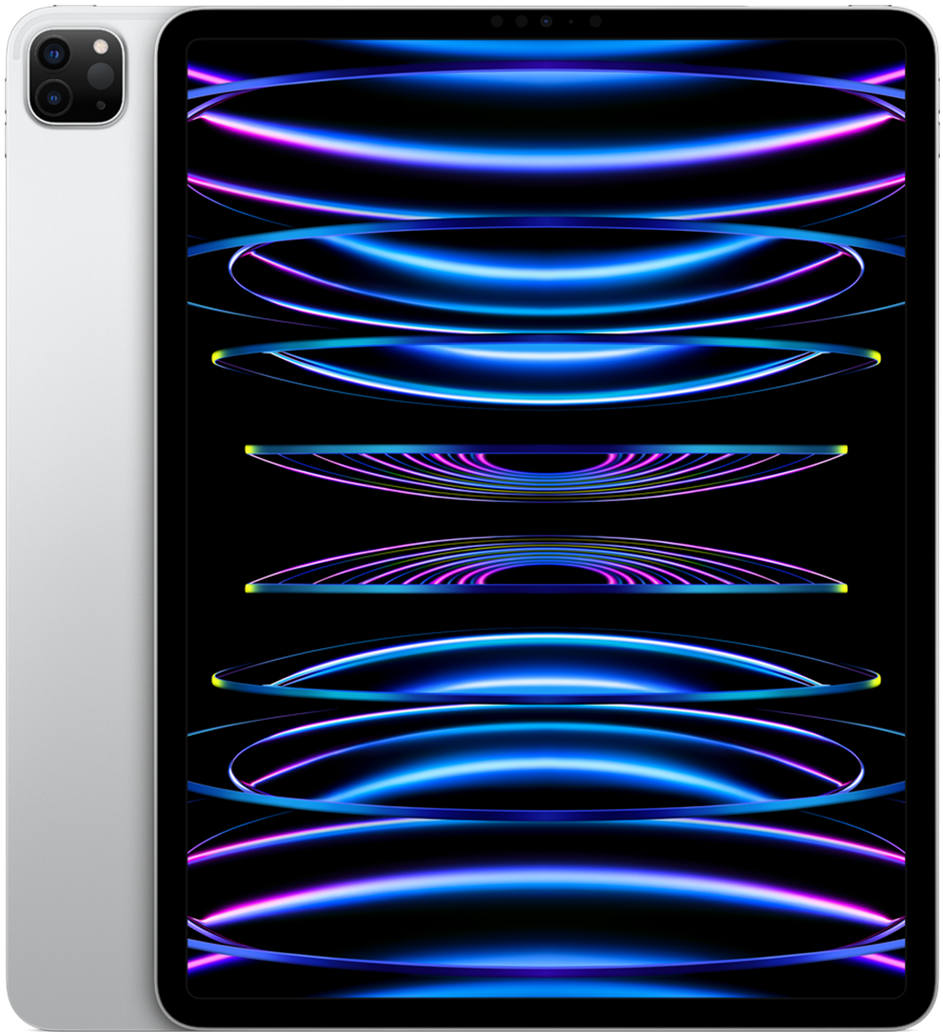
iPad Air 13 M3
View the full specifications, dimensions, pricing, and related models.
Camera
Camera feedback centers on utility rather than creative ambition — identical hardware story to the 11-inch Air. The 12MP rear wide camera and 12MP landscape front camera are repeatedly described as adequate for document scanning, video calls, and occasional snapshots. Center Stage on the front camera earns steady praise when the large tablet is propped on a desk for remote meetings.
Rear-camera document scanning benefits from the larger preview area — owners describe faster alignment of pages and whiteboards in accounts, even though sensor quality is unchanged from M2. Low-light performance trails phones and Pro iPad comparisons, though classroom scanning in good light meets expectations.
Battery and charging
Typical daily reports align around comfortable all-day endurance for moderate use, with the 13-inch model often described as among the stronger Air options for heavy reading and video days. Larger battery capacity relative to the 11-inch Air — paired with efficient M3 silicon — produces common praise for finishing full workdays without urgency when workloads stay in browsing, notes, and streaming.
Long-term ownership threads describe positive battery health retention across the first year, continuing a pattern from M2 large Air reports. Within the iPad Air family, the 13-inch M3 model is frequently cited as the endurance leader for mixed desk-and-couch days, though heavy Pencil rendering or external-display use still pushes owners toward evening charging.
Performance
App launching, Safari with multiple tabs and split views, and routine multitasking are often described as fast, with little reported lag under normal workloads. The M3 chip with 8GB of RAM handles current iPadOS features smoothly — meaningful for buyers from older hardware, subtle for 13-inch M2 Air owners.
Gaming and GPU-intensive creative work generate benchmark interest around M3's ray-tracing hardware, but owner accounts repeatedly note that iPadOS titles and mainstream creative apps seldom expose those gains in ways that feel different from M2 Air day to day. The performance story is therefore more about longevity and export headroom than immediate sensation.
Handling and portability
At 214.9 mm wide, 280.6 mm tall, and 616 g, the 13-inch M3 Air is often described as a two-handed tablet in owner discussions. The large footprint allows comfortable landscape reading and video viewing when cradled with both hands or propped on a stand, but one-handed gripping for extended periods is rarely attempted and frequently described as awkward compared with the 11-inch Air.
The thin 6.1 mm aluminum chassis mitigates some wrist strain relative to older thick tablets, yet the 616 g bare weight — and substantially more with Magic Keyboard — produces fatigue during prolonged handheld reading for many users. Sofa browsing without a case is manageable in short sessions; extended ebook or feed scrolling more commonly shifts to a pillow, knee brace, or table edge for support.
Portrait-mode handheld use is limited. Thumb reach covers only a fraction of the display height, making one-handed interaction practical mainly for quick checks rather than sustained work. Owners with smaller hands report that the 13-inch Air functions best as a desk, lap-with-keyboard, or stand-mounted device.
Build quality
The aluminum unibody, color-matched finishes, and thin large-format profile combine into a device that feels premium and desk-ready without Pro-tier complexity. Speakers, buttons, and USB-C alignment receive steady positive mentions, with the chassis described as travel-durable when sleeved — though less grab-and-go than 11-inch models.
Display durability follows familiar tablet patterns: owners report surviving bag commutes and desk life with cases, while bare large screens feel exposed in crowded backpacks. Case and sleeve usage is extremely common on the 13-inch Air because buyers treat it as a primary work device.
Considering another iPad Air (M3) model?

Similar size devices


This summary is based on recurring reports from public discussions.