Galaxy S26 User Experience
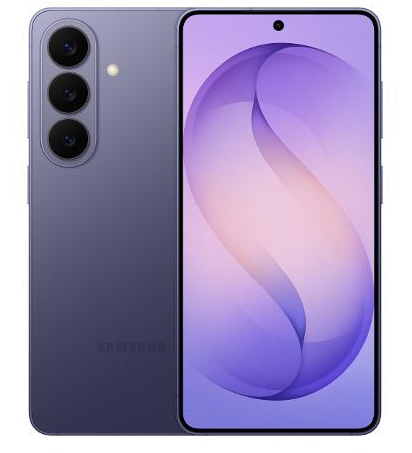
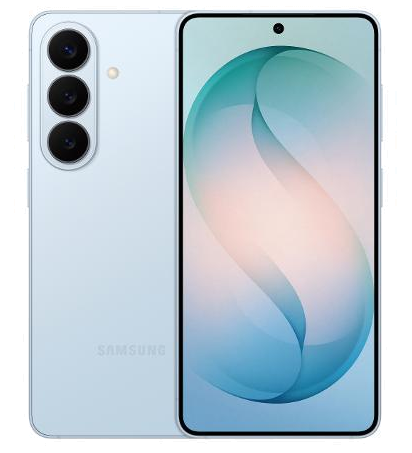
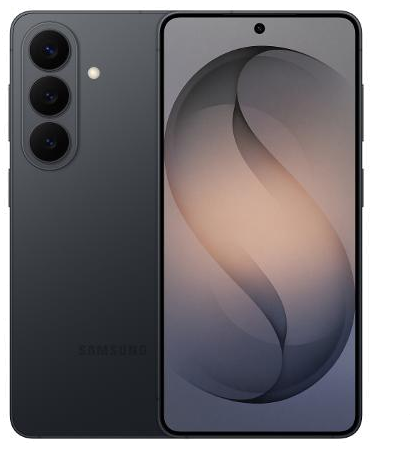
Sizometry Verdict
Editorial scores based on recurring themes across professional reviews, hands-on testing, and expert analysis.
Overall user experience
8.0
out of 10
A still-compact, capable Samsung flagship with excellent one-handed handling and smooth daily performance, held back in public sentiment primarily by slow 25W charging, familiar camera hardware, launch pricing criticism, and thermal limits under sustained load.
Category scores
Camera
7.5
Consistent daylight color, exposure, and video for everyday shots, with low-light motion and unchanged hardware as clear gaps.
Battery and charging
7.0
Modest 4,300 mAh improvement adequate for moderate routines with anxiety on heavy days; 25W charging draws frequent criticism.
Performance
8.0
Fast routine use on regional flagship silicon, with thermal throttling appearing more often in sustained gaming than on the S26+.
Handling and portability
9.0
Still among the most praised current flagships for compact one-handed manageability at 167 g, with a slight reach penalty from the 6.3-inch growth.
Build quality
8.0
Premium materials and IP68 confidence in a light chassis, with missing Qi2 magnets and software bloat as recurring annoyances.
Value
8.0
Competitive feature set and positioning for the price tier.
Strengths
- Compact size with excellent one-handed handling despite 6.3-inch growth
- Light 167 g weight and pocket-friendly footprint
- Smooth 120Hz display and fast regional flagship performance
- Polished One UI 8.5 after initial customization
Weaknesses
- 25W charging feels slow for 2026 flagship pricing
- 4,300 mAh battery still tight on heavy-use days
- Camera hardware largely unchanged from S25
- Thermal throttling and launch price criticism in early ownership
Best for
- Buyers prioritizing compact handling and pocket fit
- Upgraders from Galaxy S23, S24, or older compact phones
- Users downgrading from Plus or Ultra for one-handed comfort
- Casual photographers who value consistency over night-mode leaps
Less suitable for
- Heavy users who need maximum battery and fast wired charging
- Photography enthusiasts expecting visible camera generational gains
- Galaxy S25 owners seeking a must-upgrade case
- Shoppers who want the best thermals and charging in the S26 family
Upgrade recommendation
Current device: Galaxy S23 or older
Recommendation: Strongly recommendedNotes: 6.3-inch display, improved efficiency, One UI 8.5, and compact flagship handling address multi-generation pain points.
Current device: Galaxy S24 generation
Recommendation: Worth consideringNotes: Meaningful screen and software gains, strongest for owners who want refreshed silicon and the slightly larger compact canvas.
Current device: Galaxy S25
Recommendation: Probably unnecessaryNotes: Shared camera hardware and similar charging limits make the step incremental unless the 6.3-inch panel or regional chip matters personally.
Current device: Galaxy S25+ or S24 Ultra
Recommendation: Depends on prioritiesNotes: Downgrades screen area, charging speed, and battery unless compact one-handed use is the overriding priority.
Current device: Large iPhone or Android flagship
Recommendation: Worth consideringNotes: One-handed and pocket benefits frequently outweigh lost display size for users overstretched by larger hardware.
Bottom line
The Galaxy S26 earns respect through still-compact, comfortable daily use and flagship-tier routine performance rather than camera or charging leadership. Its strongest appeal is manageable size paired with a useful 6.3-inch panel and dependable speed for typical routines. The dominant trade-offs in community discourse after five months remain 25W charging, familiar camera hardware, thermal limits under sustained load, and launch pricing frustration. Shoppers upgrading from Galaxy S23 or S24 gain the clearest benefits; those on S25 should weigh whether the modest screen and battery bump justifies the switch.
See its real size next to another phone or tablet.
Open size comparisonOverview
Across professional reviews and roughly five months of owner discussion since the March 2026 launch, the Galaxy S26 is widely regarded as Samsung's most approachable current flagship — a compact phone that prioritizes daily manageability over headline camera or charging leadership. Recurring reports frame it as a refined pocketable device with a modest screen-size bump rather than a dramatic generational leap, with sentiment shaped by how much buyers value charging speed, visible camera upgrades, and launch pricing.
The most repeated praise centers on size and weight despite a slightly larger panel. At 71.7 mm wide, 149.6 mm tall, and 167 g, the S26 remains consistently described as one of the easier modern flagships to use one-handed and carry without pocket bulk. The move from a 6.2-inch to a 6.3-inch 120Hz AMOLED display adds a little more reading room without pushing the phone into Plus territory — a sweet spot between power and portability that owners switching from larger hardware frequently celebrate.
Daily use
In daily use, the Galaxy S26 is consistently described as fast and fluid for routine tasks. App launches, messaging, navigation, and camera readiness benefit from either the Snapdragon 8 Elite Gen 5 or Exynos 2600 paired with generous RAM, depending on market. Owners rarely report lag in typical multitasking — the speed feels invisible until switching back to an older phone, though sustained workloads can warm the chassis and trigger throttling in gaming threads.
The 6.3-inch 120Hz AMOLED panel is a quiet strength after the generational size bump. High-refresh scrolling and outdoor peak brightness receive steady praise for legibility in sunlight. Owners who wanted a touch more screen for reading and light editing without Plus bulk frequently cite the extra tenth of an inch as a meaningful daily improvement, even if one-handed reach at the top corners feels marginally harder than on the narrower S25.
One UI 8.5 receives credit for visual polish and mature customization after launch updates. Home-screen layout, notification channels, quick settings, and multitasking gestures integrate smoothly for owners who tune defaults. Friction includes preinstalled carrier and Samsung apps owners disable, Edge panel usefulness that varies by workflow, occasional notification duplication between Samsung and Google handlers, and the absence of built-in Qi2 magnets for alignment-sensitive wireless accessories.
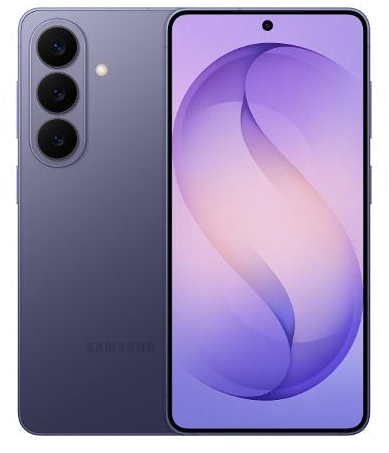
Galaxy S26
View the full specifications, dimensions, pricing, and related models.
Camera
Camera feedback centers on consistency rather than professional flexibility. The triple rear system — main, ultrawide, and 3x telephoto — earns praise for reliable color, predictable exposure, and stable everyday video, matching familiar S25 and S24-era hardware rather than a generational imaging leap after five months on the market.
Daylight performance earns the steadiest praise: accurate skin tones, good dynamic range in mixed outdoor light, and useful 3x reach for portraits and medium-distance subjects. Ultrawide helps tight interiors and group shots; Samsung's quick shutter remains a daily convenience in recurring accounts.
Battery and charging
Typical reports after the first months align around comfortable all-day endurance for moderate use: messaging, social apps, navigation, and intermittent media. The 4,300 mAh cell is a modest improvement over the prior compact generation; lighter routines end with 25–35 percent remaining, while heavy streaming, gaming, or prolonged GPS leads to pre-bedtime top-ups or midday anxiety on demanding days.
Within the S26 family, the base model still sits at the bottom for runtime. Former Plus or Ultra owners notice the step down on travel days with navigation, hotspot, and camera-heavy itineraries. Moderate commuters and office-centric users more commonly finish full days without urgency.
Performance
App launching, camera processing, and multitasking are consistently fast in routine use. The Snapdragon 8 Elite Gen 5 and Exynos 2600 both handle One UI 8.5, 120Hz scrolling, and split-screen work without compromise older compact flagships developed in later years, though regional variance keeps chip comparisons active in forums.
One UI 8.5 animations stay smooth on the 120Hz panel; multitasking pairs resume reliably and biometric unlock feels immediate. Owners who customize with third-party tools still report stable behavior, though Samsung apps remain best optimized.
Handling and portability
At 71.7 mm wide, 149.6 mm tall, and 167 g, the Galaxy S26 remains among the most praised Android flagships for one-handed manageability, though the slightly wider 6.3-inch canvas nudges it closer to the comfort ceiling for smaller hands. The compact footprint still allows comfortable thumb reach across the lower and middle display — repeatedly cited by owners switching from Plus, Ultra, or large iPhone models.
The rounded aluminum frame and 167 g weight produce a secure grip without the hand strain reported on heavier Plus or Ultra hardware. Side keys remain within thumb range for right-handed grips, and the five-gram weight increase over the prior compact generation rarely surfaces as a complaint on its own.
In standard men's jeans and jacket pockets, owners report a very comfortable fit despite the modest height increase to 149.6 mm. The S26 still slides in more easily than Plus or Ultra models, and the 167 g carry weight feels light for all-day pocket use.
Build quality
Aluminum frame, hardened glass, and Armor Aluminum construction feel premium without Ultra mass. Buttons maintain precise tactile feedback at 167 g, and the slightly thicker 7.2 mm chassis is rarely cited as awkward in hand.
Display durability follows familiar patterns with case-dependent survival of minor drops. Bare-phone owners value color finishes and slim grip balance.
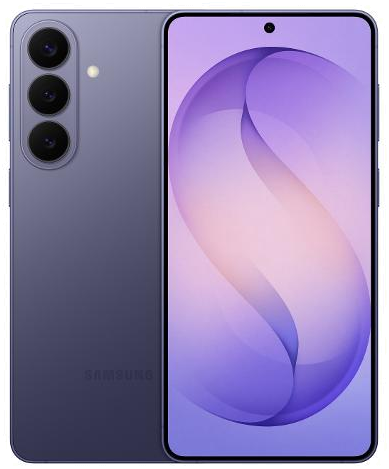
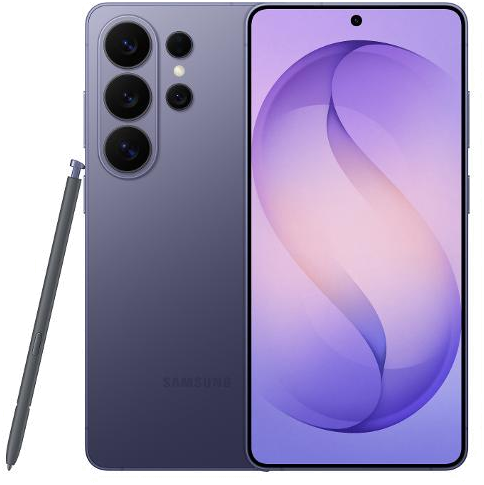
Considering another Galaxy S26 model?
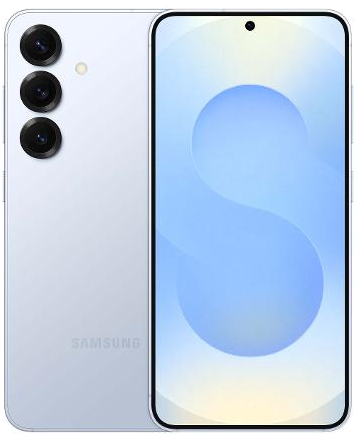
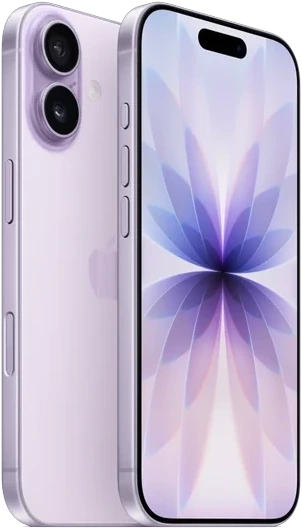
Similar size devices
This summary is based on recurring reports from public discussions.