Galaxy S26+ User Experience
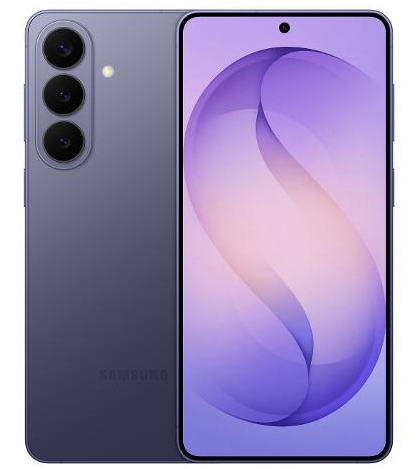
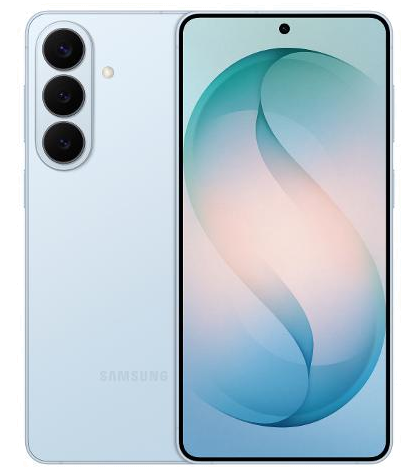
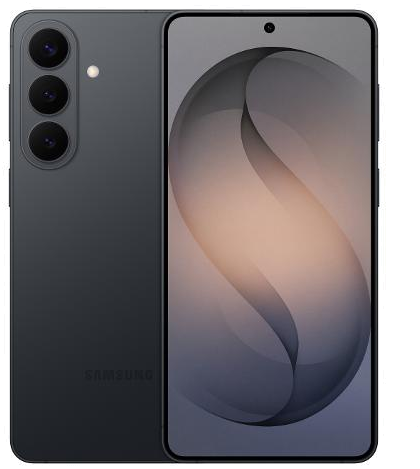
Sizometry Verdict
Editorial scores based on recurring themes across professional reviews, hands-on testing, and expert analysis.
Overall user experience
8.5
out of 10
A brilliantly unremarkable large Samsung flagship that nails display, battery efficiency, and balanced charging — the most coherent daily package in the S26 family for many buyers, with middle-child camera positioning and slower charging than the Ultra as the main trade-offs.
Category scores
Camera
7.5
Consistent daylight imaging and stable video shared with the S26, with Ultra telephoto and brighter main sensor as clear gaps.
Battery and charging
9.0
Family-leading endurance for typical mixed use with seven to eight hours screen-on time commonly reported; efficient 4,900 mAh story praised.
Performance
8.5
Fast routine use and improved vapor-chamber thermals versus base S26, with throttling still appearing in heavy sustained gaming.
Handling and portability
6.5
Large 75.8 mm width requires two-handed use for most tasks, though lighter than Ultra for bottom-screen reach.
Build quality
8.0
Premium materials at moderate weight with flatter camera design; software bloat rather than hardware as recurring annoyance.
Value
8.0
Competitive feature set and positioning for the price tier.
Strengths
- Excellent QHD+ LTPO 120Hz display for daily media and work
- Strong all-day battery — best endurance story in the S26 family
- 45W wired charging feels appropriately flagship-fast for most routines
- Lighter than Ultra without sacrificing large-screen practicality
Weaknesses
- Same camera hardware as base S26 — no Ultra zoom or sensor leap
- 45W charging trails Ultra's 60W for brief top-up routines
- Too large for one-handed and pocket-first users
- Thermal throttling still surfaces in heavy sustained gaming
Best for
- Buyers wanting large-screen flagship basics without Ultra bulk
- Upgraders from Galaxy S24+, S25+, or midrange phones
- Media-heavy and multitasking users who value display size and efficiency
- Owners prioritizing battery endurance over telephoto reach and 60W charging
Less suitable for
- Compact-phone users who should choose the base Galaxy S26
- Photography enthusiasts needing Ultra-level zoom, main sensor, and privacy display
- Galaxy S25+ owners seeking a must-upgrade generational leap
- Buyers who want S Pen, 60W charging, or maximum Samsung camera hardware
Upgrade recommendation
Current device: Galaxy S24+ or older Plus models
Recommendation: Strongly recommendedNotes: Improved efficiency, sharper QHD+ LTPO display, better thermals, and continued 45W charging address multi-generation Plus pain points.
Current device: Galaxy S25+ generation
Recommendation: Worth consideringNotes: Meaningful efficiency and thermal gains, strongest for owners wanting extended software support and One UI 8.5 refinements.
Current device: Midrange or budget Samsung (A series)
Recommendation: Strongly recommendedNotes: A coherent flagship leap in display, speed, charging, and camera consistency for users outgrowing midtier limits.
Current device: Galaxy S25+ satisfied owners
Recommendation: Probably unnecessaryNotes: Owners happy with current battery and QHD+ display rarely describe a must-upgrade case after only one generation.
Current device: Galaxy S26 Ultra
Recommendation: Depends on prioritiesNotes: Downgrades telephoto, S Pen, privacy display, and 60W charging unless weight and pocket relief matter more than maximum features.
Bottom line
The Galaxy S26+ earns respect by executing large-phone fundamentals exceptionally well rather than chasing spec-sheet headlines. Its strongest appeal is a sharp QHD+ LTPO display, family-leading battery endurance at seven to eight hours screen-on time, and sensibly fast 45W charging in a package lighter and less cumbersome than the Ultra. The dominant trade-offs are middle-child camera hardware shared with the base S26, charging that trails the Ultra's 60W, and thermals that still throttle under heavy gaming. Shoppers upgrading from S24+ or midrange phones gain the clearest benefits; compact-size loyalists and satisfied S25+ owners should weigh whether the Plus's screen and efficiency gains outweigh its two-handed footprint.
See its real size next to another phone or tablet.
Open size comparisonOverview
Across professional reviews and roughly five months of owner discussion since the March 2026 launch, the Galaxy S26+ is widely regarded as Samsung's most balanced large flagship — brilliantly unremarkable in the best sense: dependable QHD+ display, strong endurance from an efficient 4,900 mAh cell, smooth performance, and sensible 45W charging in a package lighter than the Ultra and roomier than the base S26.
The most repeated praise centers on battery efficiency and display quality. A 6.7-inch QHD+ LTPO 120Hz AMOLED paired with the same nominal capacity as the prior Plus generation but better silicon efficiency is called the best endurance story in the S26 family for typical mixed use. Owners commonly report seven to eight hours of screen-on time — a margin the base S26 struggles to match and a benchmark many describe as the sweet spot for large-phone buyers.
Daily use
Daily use is fast, fluid, and low-friction. Regional Snapdragon 8 Elite Gen 5 or Exynos 2600 speed and the 6.7-inch QHD+ canvas make split-screen multitasking, spreadsheet glances, and long-form reading noticeably more comfortable than on the 6.3-inch S26 without reaching Ultra weight or width.
The QHD+ LTPO 120Hz panel is a standout — sharp text at default scaling, smooth feed scrolling, adaptive refresh that owners praise for battery savings, and confident outdoor brightness for navigation. Color and HDR playback suit mixed media days; fewer owners cite display as a weakness compared with charging-speed comparisons to the Ultra.
One UI 8.5 benefits from extra screen space: floating windows, edge panels, and multitasking gestures feel less cramped than on the base S26. Friction matches the family: preinstalled apps owners disable, Edge panel adoption that depends on workflow, Galaxy AI some use weekly while others ignore, and occasional reminders that 45W wired charging is meaningfully slower than the Ultra's 60W.
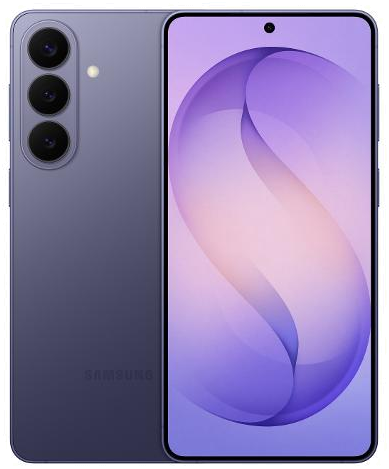
Galaxy S26+
View the full specifications, dimensions, pricing, and related models.
Camera
Camera feedback mirrors the base S26: consistency over Ultra reach. The triple system — main, ultrawide, and 3x telephoto — earns praise for reliable color, predictable exposure, and stable everyday video on hardware carried over from the S25 era rather than a generational imaging leap.
Daylight remains the steadiest strength with pleasing skin tones, good outdoor dynamic range, and practical 3x portraits. The larger 6.7-inch viewfinder aids composition and review — a subtle Plus benefit reviewers mention for casual photography after five months on the market.
Battery and charging
Typical reports after the first months align around strong all-day endurance with meaningful reserve. Moderate-to-heavy users describe seven to eight hours screen-on time on mixed messaging, navigation, and media days, finishing evenings with 20–30 percent remaining — the most consistently praised battery story in the S26 family.
Within the S26 lineup, the Plus is repeatedly called the battery sweet spot despite the same 4,900 mAh nominal capacity as the prior Plus generation. Better chip efficiency and LTPO panel behavior deliver the real-world gain owners notice versus the 4,300 mAh base model and versus the Ultra's larger display power draw.
Performance
Routine tasks are fast on regional flagship silicon. Additional RAM and the large QHD+ display make split-screen document work and browser-plus-chat workflows roomier than the base S26 without benchmark differences owners notice in daily life.
One UI 8.5 stays smooth at QHD+ 120Hz with immediate biometrics. DeX and Samsung browser multitasking hold for power users; heavy customization remains stable on Samsung-first workflows after launch updates.
Handling and portability
At 75.8 mm wide, 158.4 mm tall, and 190 g, the S26+ is a two-handed phone for most owners. The wider footprint exceeds comfortable one-thumb reach for average hands, placing it in the large-phone class alongside iPhone Plus models and unchanged in width from the prior Plus generation.
Versus the 214 g Ultra, the Plus feels lighter with a flatter camera bump and narrower chassis — relief for wrist comfort during bottom-screen scrolling, with lost S Pen utility, privacy display, and Ultra telephoto reach.
In standard men's jeans front pockets, owners report manageable but noticeable presence versus compact phones. At 158.4 mm tall, the Galaxy S26+ fits many pockets yet creates more thigh outline than the base S26 — a recurring debate when choosing Plus versus standard size before purchase.
Build quality
Aluminum frame, hardened glass, and Armor Aluminum feel premium at 190 g — substantial without Ultra heft. Buttons maintain precise feedback; the flatter camera plateau reduces desk wobble versus older Plus designs.
Display durability follows familiar flagship patterns with case-dependent survival of minor drops. Bare-phone owners appreciate color finishes and slimmer bump aesthetics versus Ultra thickness and privacy-filter complexity.
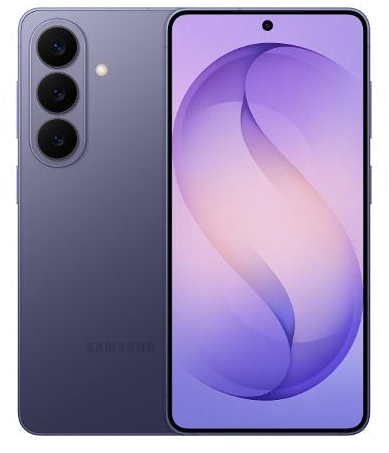
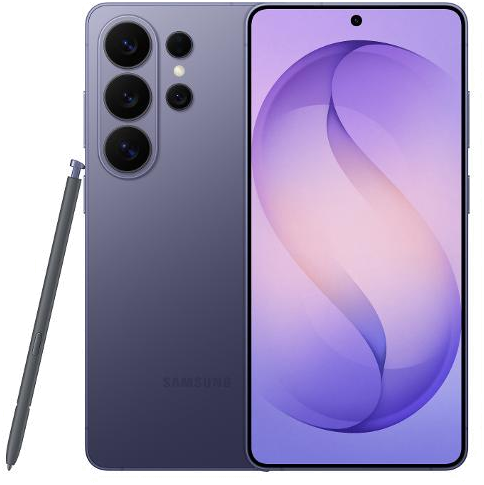
Considering another Galaxy S26 model?
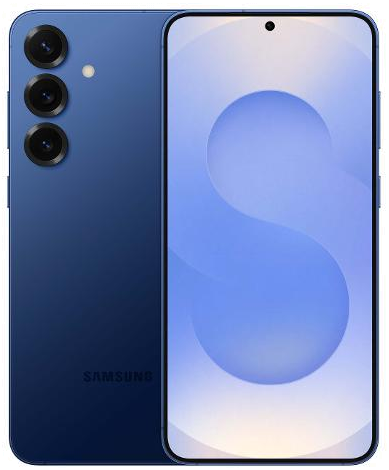
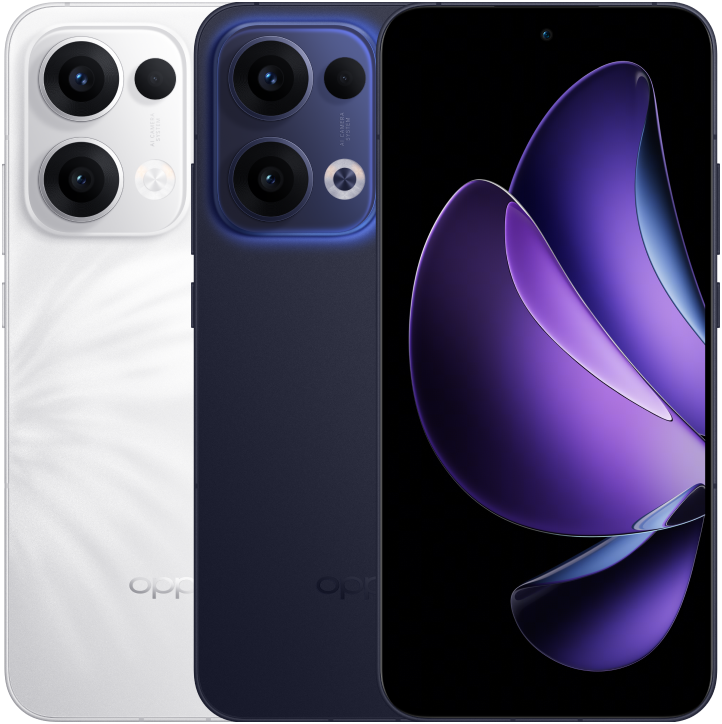
Similar size devices
This summary is based on recurring reports from public discussions.