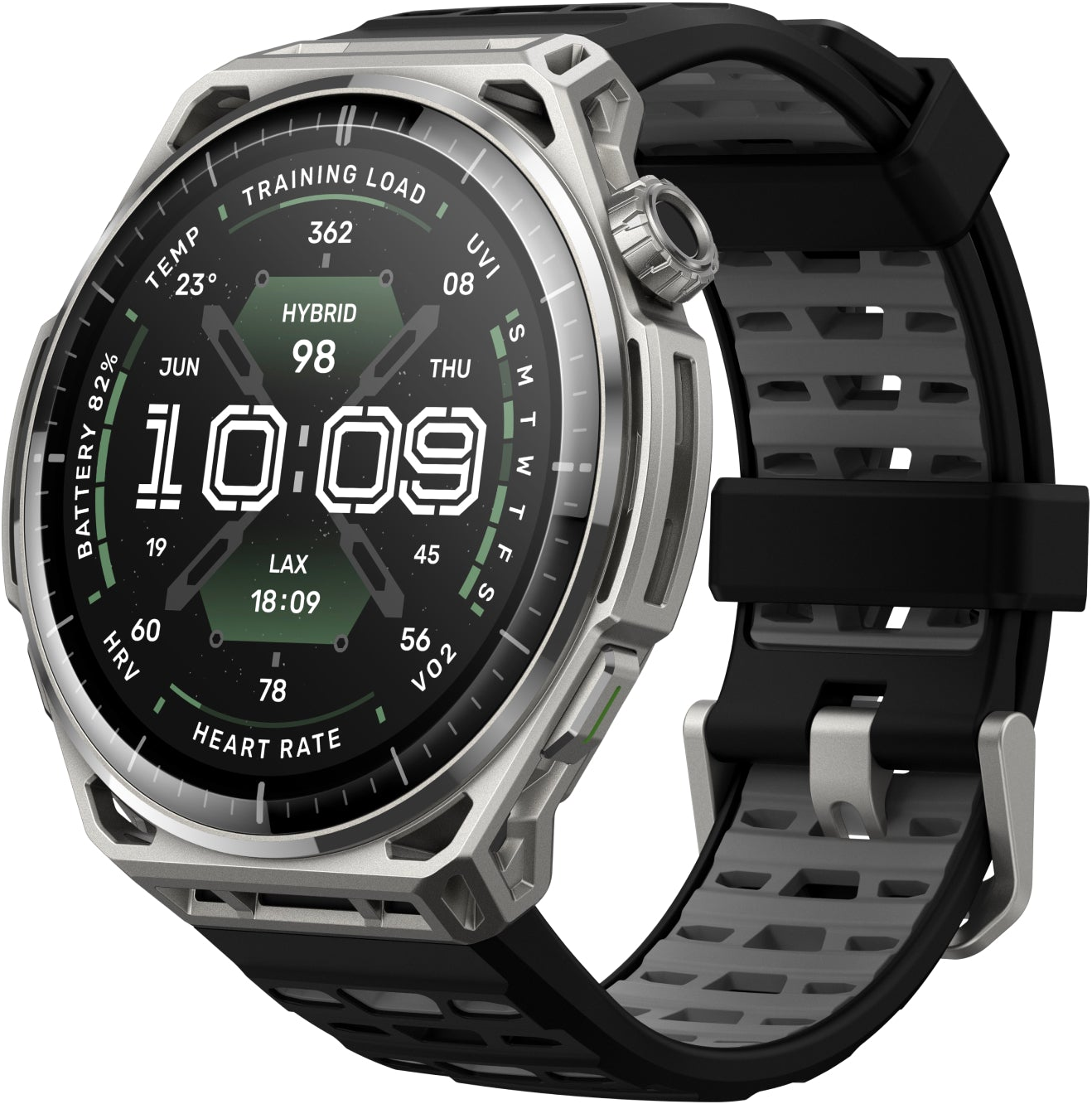
Official manufacturer render.
Amazfit
Amazfit Balance 3
- 1.5-inch AMOLED
- 62 g
Physical specifications
1.5"
Display size
62 g
Weight
51.4 mm
Height
51.4 mm
Width
12.5 mm
Thickness
—
Aspect ratio
Everyday usability
Estimated from the watch’s size, weight, battery, display, and intended wearing conditions.
Wrist comfort
Substantial on the wristIts large footprint and mass make it a substantial presence on the wrist.
Sleep comfort
NoticeableUsers sensitive to wrist pressure may prefer a smaller and lighter model overnight.
Battery usability
Data unavailableAvailable battery information is insufficient for a reliable daily-use assessment.
Screen and controls
ExcellentThe large, bright display is easy to read at a glance, with touch input for everyday controls.
Workout usability
BulkyThe larger case provides good glanceability but may feel bulky during high-movement workouts.
See its real size next to another watch.
Compare watchesDisplay
- Display size
- 1.5"
- Display technology
- AMOLED
- Resolution
- 480 × 480
- Peak brightness
- 3000 nits
- Protection
- Sapphire
Performance
- Expandable storage
- No
Battery & charging
- Charging standard
- Magnetic charging
- Battery type
- Lithium-ion
Build & durability
- Frame
- Stainless steel (canonical) / Grade 5 titanium option
- Ingress protection
- 10 ATM / MIL-STD-810G tests
Connectivity
- Cellular
- GPS / multi-GNSS
- Wi‑Fi
- Wi-Fi
- Bluetooth
- Bluetooth
Release and pricing
- Announced
- June 2, 2026
- Released
- June 2, 2026
Buying guide FAQ
Practical upgrade and buying answers based on published specifications and previous-generation comparisons when available.
What’s new in Amazfit Balance 3 (2026) compared with Amazfit Balance 2 (2025)?
Published changes versus Amazfit Balance 2 (2025) include a peak brightness change from 2000 nits to 3000 nits, an ingress protection change from 10 ATM to 10 ATM / MIL-STD-810G tests, a frame material change from Aluminum alloy / fiber-reinforced polymer to Stainless steel (canonical) / Grade 5 titanium option and a weight change of +19 g. These are specification differences, not measured real-world scores.
Is it worth upgrading from Amazfit Balance 2 (2025) to Amazfit Balance 3 (2026)?
An upgrade is easiest to justify if you care about a peak brightness change from 2000 nits to 3000 nits, an ingress protection change from 10 ATM to 10 ATM / MIL-STD-810G tests and a frame material change from Aluminum alloy / fiber-reinforced polymer to Stainless steel (canonical) / Grade 5 titanium option. If those areas already meet your needs on Amazfit Balance 2 (2025), the move is optional rather than urgent.
Is the display improved on Amazfit Balance 3 (2026)?
Versus Amazfit Balance 2 (2025), the display changes are a peak brightness change from 2000 nits to 3000 nits. Higher refresh or brightness usually helps scrolling smoothness and outdoor visibility more than a small size change alone.
Has durability improved on Amazfit Balance 3 (2026)?
Published durability-related changes versus Amazfit Balance 2 (2025) include an ingress protection change from 10 ATM to 10 ATM / MIL-STD-810G tests and a frame material change from Aluminum alloy / fiber-reinforced polymer to Stainless steel (canonical) / Grade 5 titanium option. Ratings describe lab protection claims, not drop-test results.
Who should buy Amazfit Balance 3 (2026)?
Amazfit Balance 3 (2026) fits buyers who prefer a compact phone footprint and people moving up from Amazfit Balance 2 (2025). This is an editorial reading of size and published differences, not a personalized recommendation.
Who should keep Amazfit Balance 2 (2025)?
Keep Amazfit Balance 2 (2025) if you do not need the listed generation changes. Moving to Amazfit Balance 3 (2026) makes more sense when the listed upgrades match what you actually use.
What are the biggest improvements on Amazfit Balance 3 (2026)?
The clearest published improvements are a peak brightness change from 2000 nits to 3000 nits, an ingress protection change from 10 ATM to 10 ATM / MIL-STD-810G tests, a frame material change from Aluminum alloy / fiber-reinforced polymer to Stainless steel (canonical) / Grade 5 titanium option and a weight change of +19 g. Treat these as catalog differences rather than ranked review scores.
What are the biggest drawbacks of Amazfit Balance 3 (2026)?
Relative to the previous generation, trade-offs visible in the catalog include a heavier body than the previous generation. Other drawbacks may exist outside these specifications.
Considering another Amazfit Balance 3 model?
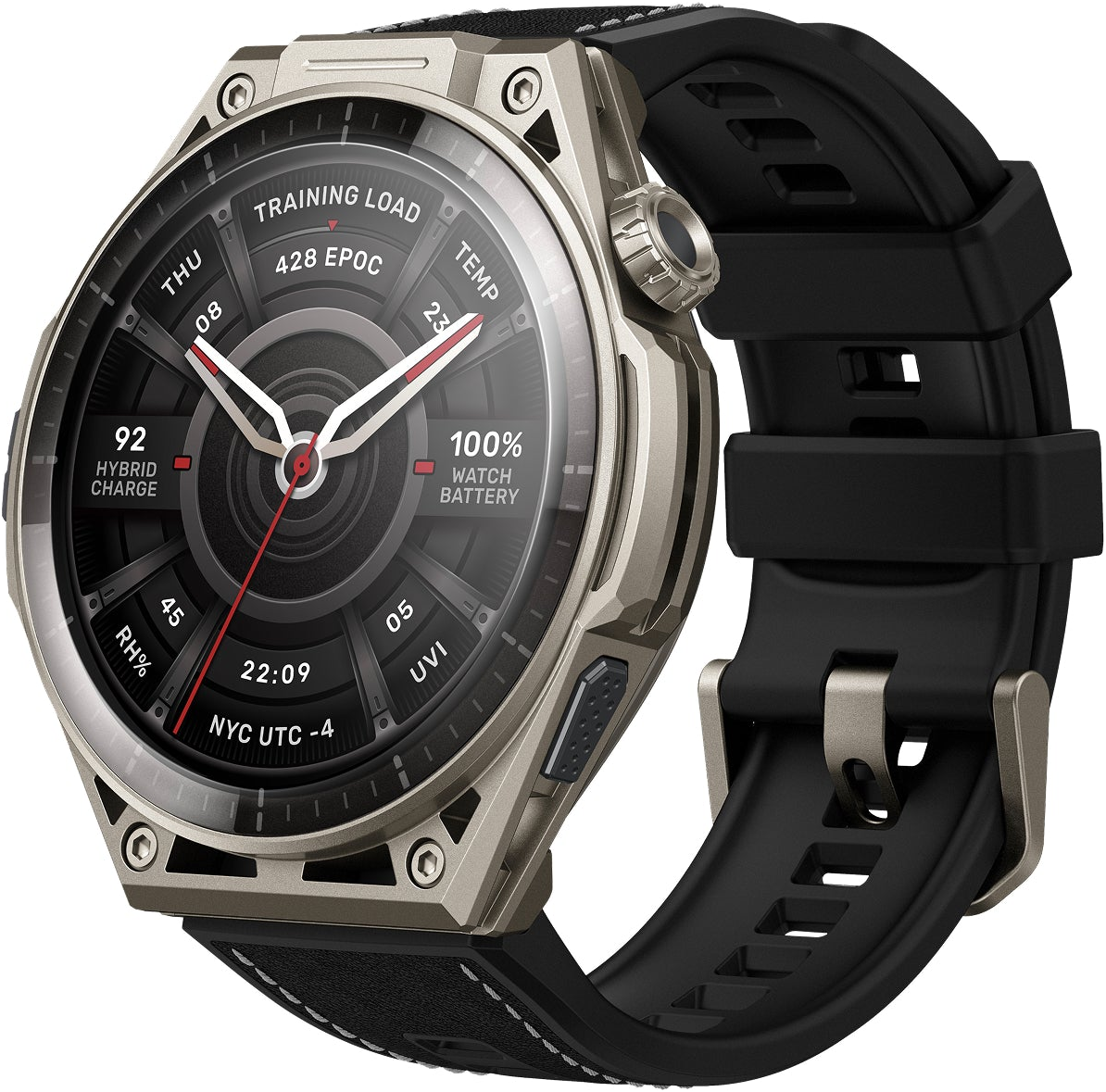
Similar size devices
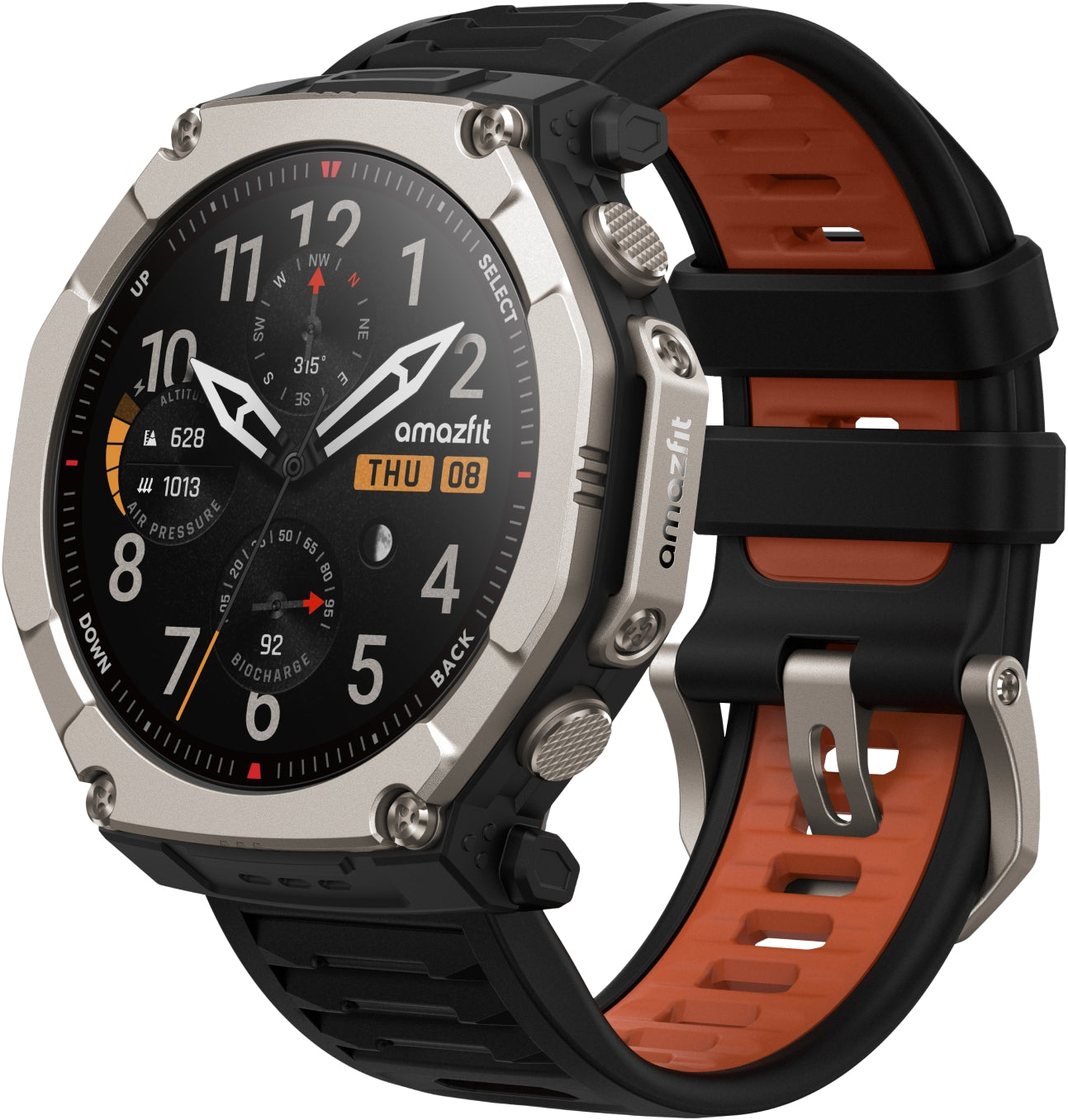
Models and configurations
- Connectivity
- GPS / multi-GNSS
Official sources
Dimensions and specifications are based on manufacturer-published data. Learn more in our Methodology