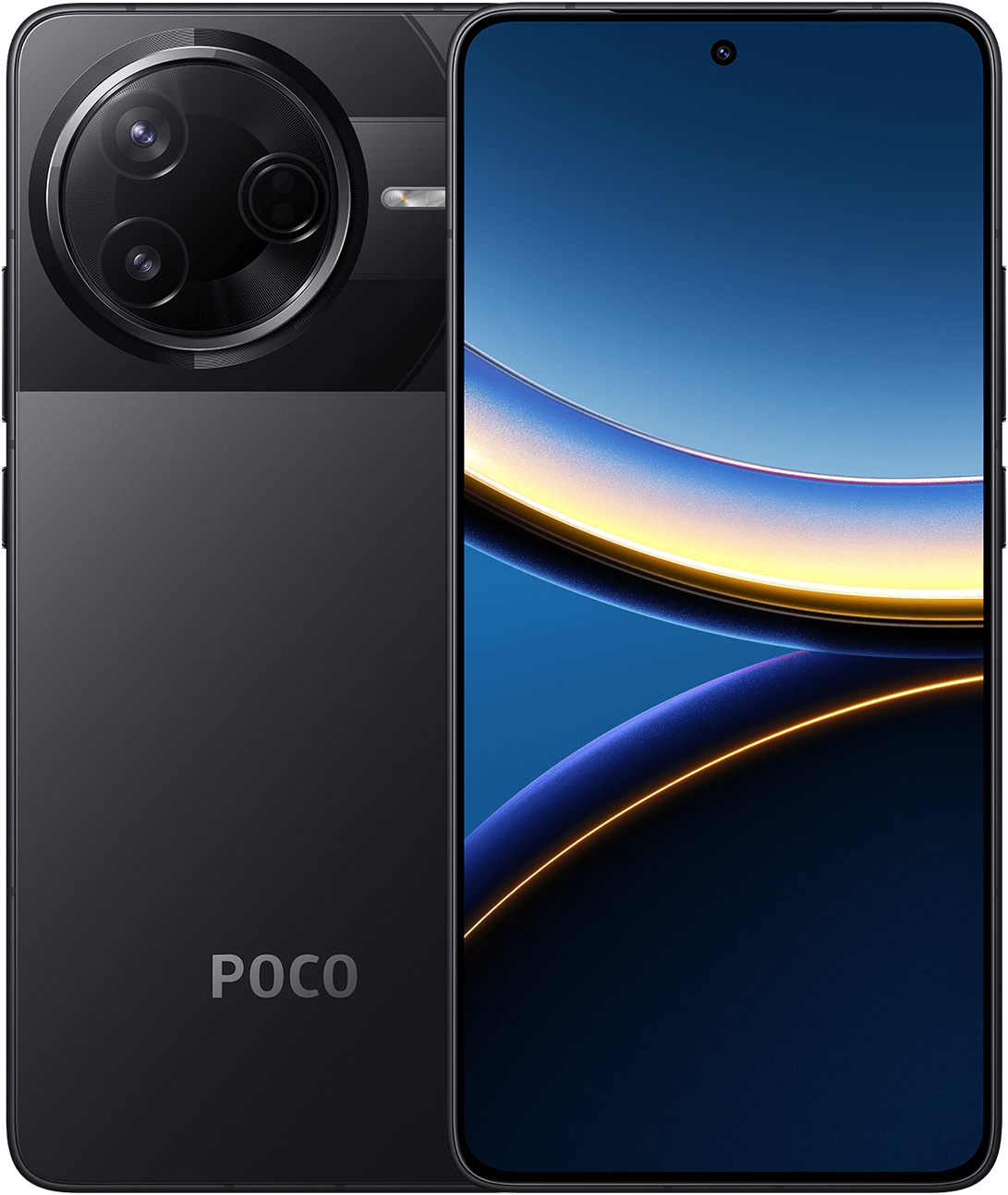
POCO
F7 Pro vs 17T
Device summary
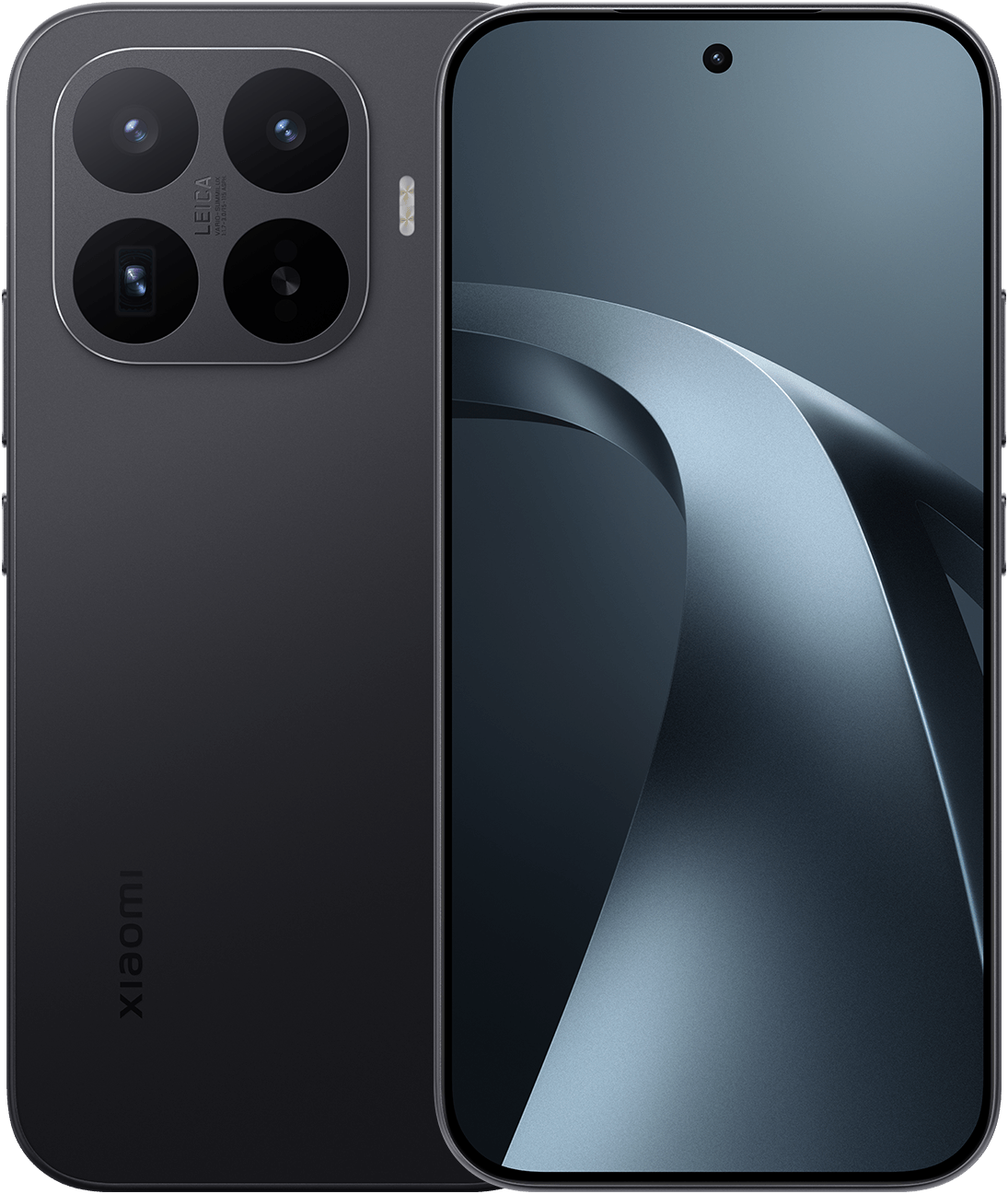
Xiaomi
17T
Full specifications
| Basic information | ||
|---|---|---|
| Release year | 2025 | 2026 |
| Starting price | — | — |
| Display size | 6.7-inch | 6.6-inch |
| Dimensions | 75.0 mm × 160.3 mm × 8.1 mm | 75.2 mm × 157.6 mm × 8.2 mm |
| Weight | 206 g | 200 g |
| Front material | — | — |
| Back material | — | — |
| Display | ||
| Display technology | Flow AMOLED | AMOLED |
| Resolution | 3200 × 1440 | — |
| Refresh rate | 120 Hz | 120 Hz |
| Peak brightness | 3200 nits | 3500 nits |
| Protection | Corning Gorilla Glass 7i | — |
| Performance | ||
| Chipset | Snapdragon 8 Gen 3 Mobile Platform | MediaTek Dimensity 8500-Ultra |
| RAM | 12 GB | — |
| Storage | 256 GB, 512 GB | — |
| Cameras | ||
| Main camera | Wide · 50 MP · ƒ/1.6 · OIS | Wide · 50 MP |
| Ultra-wide camera | Ultra Wide · 8 MP · ƒ/2.2 | Ultra Wide · 12 MP |
| Periscope camera | — | Periscope Telephoto · 50 MP · 5x Optical Zoom |
| Front cameras | Front · 20 MP | — |
| Video recording | 8K at 24 fps, 4K at 24/30/60 fps | — |
| Battery & charging | ||
| Typical capacity | 6000 mAh | 6500 mAh |
| Wired charging | 90 W | 67 W |
| Charging standard | HyperCharge | HyperCharge |
| Connectivity | ||
| Cellular | 5G, LTE | — |
| Wi‑Fi | Wi-Fi 7 | — |
| Bluetooth | Bluetooth 5.4 | — |
| USB | USB-C | — |
| NFC | Yes | — |
| Build & durability | ||
| Ingress protection | IP68 | — |
Basic information
Release year
- F7 Pro
- 2025
- 17T
- 2026
Starting price
- F7 Pro
- —
- 17T
- —
Display size
- F7 Pro
- 6.7-inch
- 17T
- 6.6-inch
Dimensions
- F7 Pro
- 75.0 mm × 160.3 mm × 8.1 mm
- 17T
- 75.2 mm × 157.6 mm × 8.2 mm
Weight
- F7 Pro
- 206 g
- 17T
- 200 g
Front material
- F7 Pro
- —
- 17T
- —
Back material
- F7 Pro
- —
- 17T
- —
Display
Display technology
- F7 Pro
- Flow AMOLED
- 17T
- AMOLED
Resolution
- F7 Pro
- 3200 × 1440
- 17T
- —
Refresh rate
- F7 Pro
- 120 Hz
- 17T
- 120 Hz
Peak brightness
- F7 Pro
- 3200 nits
- 17T
- 3500 nits
Protection
- F7 Pro
- Corning Gorilla Glass 7i
- 17T
- —
Performance
Chipset
- F7 Pro
- Snapdragon 8 Gen 3 Mobile Platform
- 17T
- MediaTek Dimensity 8500-Ultra
RAM
- F7 Pro
- 12 GB
- 17T
- —
Storage
- F7 Pro
- 256 GB, 512 GB
- 17T
- —
Cameras
Main camera
- F7 Pro
- Wide · 50 MP · ƒ/1.6 · OIS
- 17T
- Wide · 50 MP
Ultra-wide camera
- F7 Pro
- Ultra Wide · 8 MP · ƒ/2.2
- 17T
- Ultra Wide · 12 MP
Periscope camera
- F7 Pro
- —
- 17T
- Periscope Telephoto · 50 MP · 5x Optical Zoom
Front cameras
- F7 Pro
- Front · 20 MP
- 17T
- —
Video recording
- F7 Pro
- 8K at 24 fps, 4K at 24/30/60 fps
- 17T
- —
Battery & charging
Typical capacity
- F7 Pro
- 6000 mAh
- 17T
- 6500 mAh
Wired charging
- F7 Pro
- 90 W
- 17T
- 67 W
Charging standard
- F7 Pro
- HyperCharge
- 17T
- HyperCharge
Connectivity
Cellular
- F7 Pro
- 5G, LTE
- 17T
- —
Wi‑Fi
- F7 Pro
- Wi-Fi 7
- 17T
- —
Bluetooth
- F7 Pro
- Bluetooth 5.4
- 17T
- —
USB
- F7 Pro
- USB-C
- 17T
- —
NFC
- F7 Pro
- Yes
- 17T
- —
Build & durability
Ingress protection
- F7 Pro
- IP68
- 17T
- —
Key differences
The most meaningful measured gaps in size and weight — not an overall winner.
Height
F7 Pro
2.7 mm taller · minor difference
Weight
17T
6 g lighter · minor difference
Width
Very similar width
Thickness
Very similar thickness
User Experience Summary
F7 Pro
Strengths
- 6000mAh battery with strong real-world endurance
- 90W wired charging on large cell
- Snapdragon 8 Gen 3 global ROM daily smoothness
Compromises
- Dual-camera stack without telephoto
- No wireless charging
- 206 g — heavier than many midrange alternatives
17T
Strengths
- Standout 5x periscope telephoto for the price tier
- Excellent silicon-carbon battery endurance
- Bright outdoor display for travel use
Compromises
- Plastic frame and value-tier materials
- Slow 67 W charging for a huge battery
- Mid-tier chip limits heavy gaming and editing