Xiaomi 17T User Experience
Sizometry Verdict
Editorial scores based on recurring themes across professional reviews, hands-on testing, and expert analysis.
Overall user experience
8.0
out of 10
An early-ownership value photography phone whose 5x Leica telephoto and silicon-carbon endurance already define its appeal, trading premium materials and flagship charging for reach and stamina at a T-series price.
Category scores
Camera
8.5
5x periscope telephoto is the standout early win for travel and events, with ultrawide and selfie tiers clearly behind the zoom story.
Battery and charging
9.0
6,500 mAh silicon-carbon delivers excellent multi-day potential, tempered by slower 67 W top-ups and no wireless charging.
Performance
8.0
Dimensity 8500-Ultra handles daily tasks smoothly, with clear limits under heavy gaming and pro editing loads.
Handling and portability
8.0
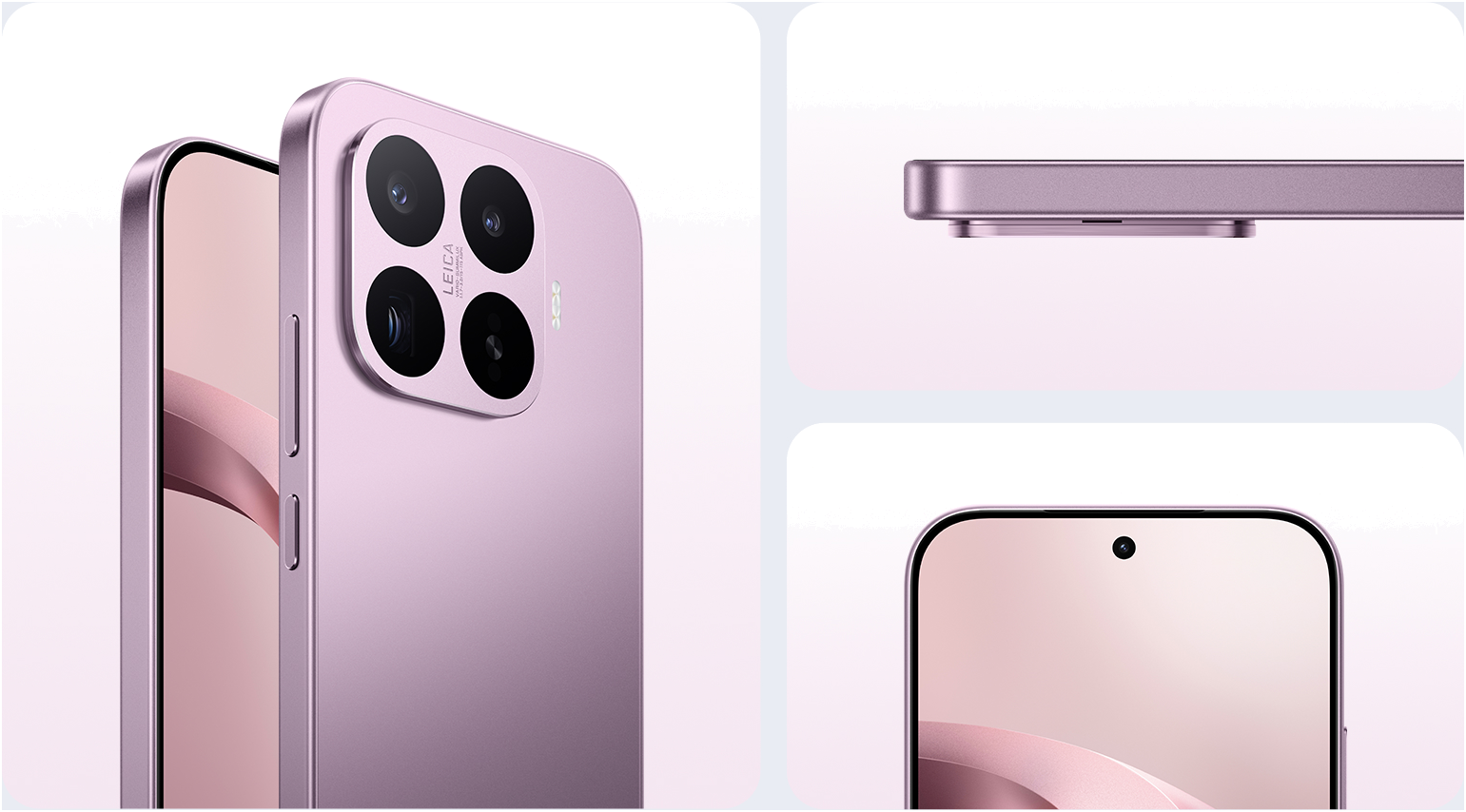
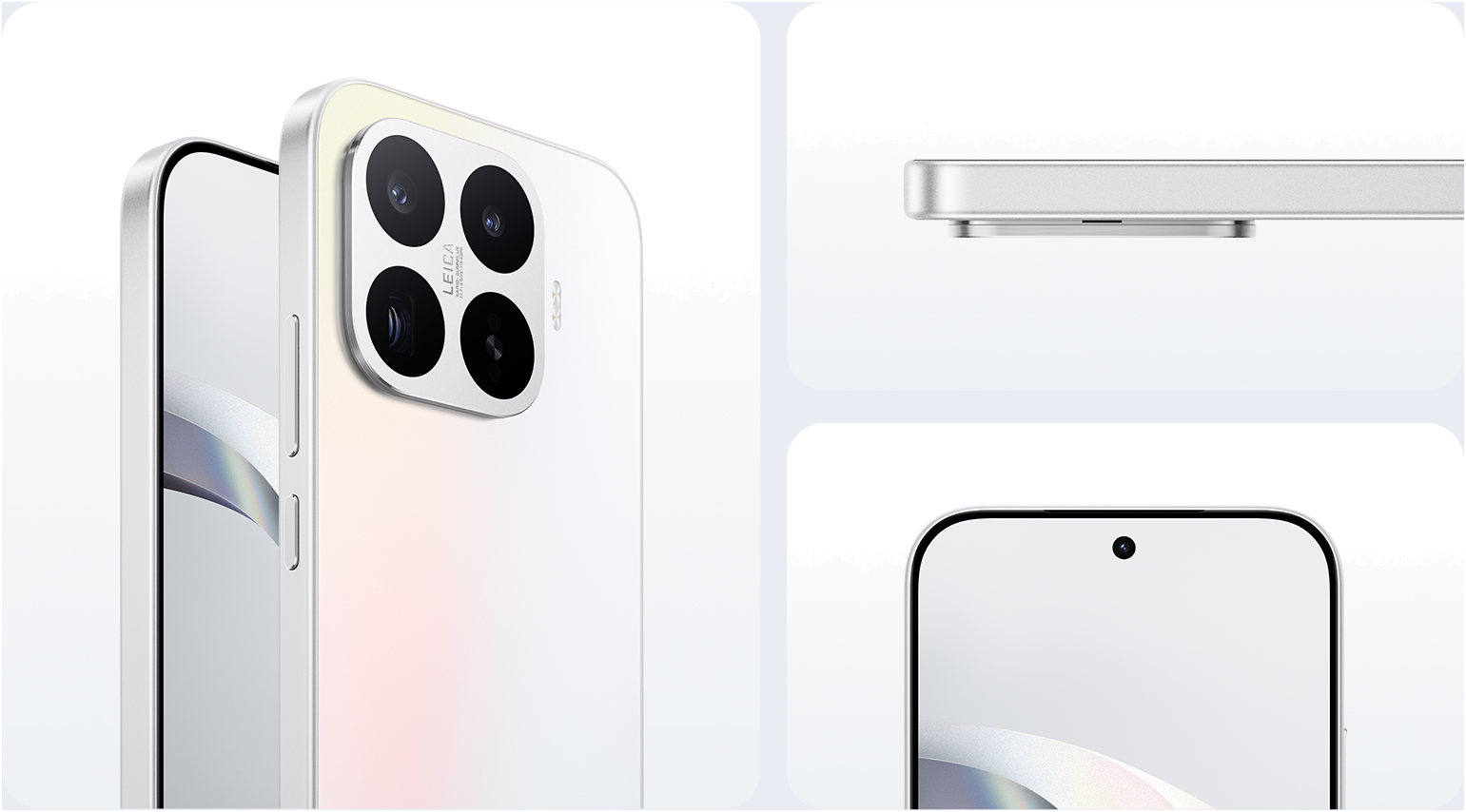
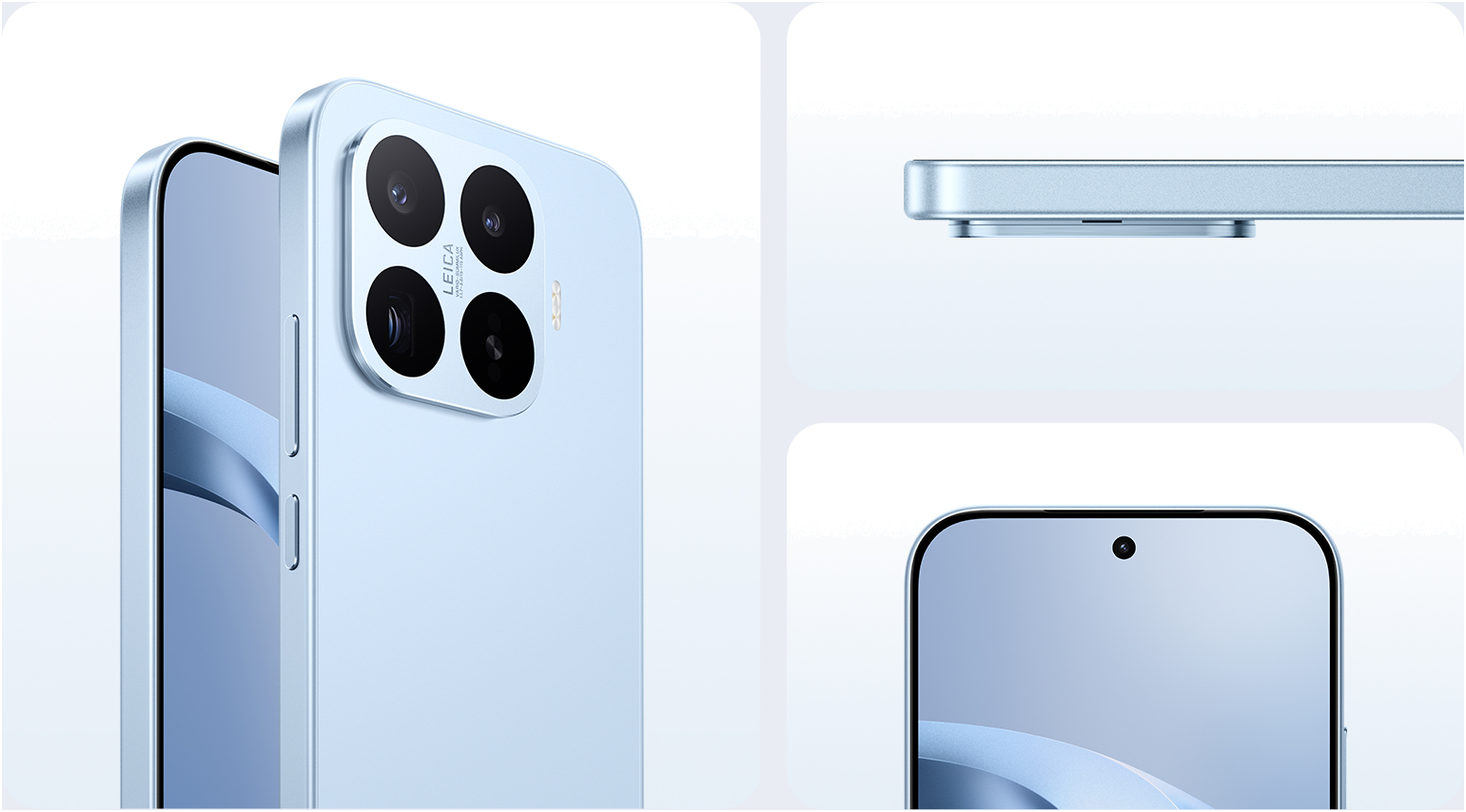
Manageable for many at 75.2 mm wide, but wider than compact flagships and slightly top-heavy from the periscope module.
Build quality
7.5
IP68 trust and understated design, offset by plastic frame feel and USB 2.0 friction for photographers.
Value
8.0
An early-ownership value photography phone whose 5x Leica telephoto and silicon-carbon endurance already define its appeal, trading premium materials and flagship charging for reach and stamina at a T-series price.
Strengths
- Standout 5x periscope telephoto for the price tier
- Excellent silicon-carbon battery endurance
- Bright outdoor display for travel use
- IP68 protection in an understated body
Weaknesses
- Plastic frame and value-tier materials
- Slow 67 W charging for a huge battery
- Mid-tier chip limits heavy gaming and editing
- Weaker ultrawide and selfie versus telephoto headline
Best for
- Value photographers who need 5x reach and multi-day battery
- Upgraders from older Xiaomi T-series phones
- Travel shooters who prioritize zoom and outdoor display
- Buyers who accept material compromises for imaging stamina
Less suitable for
- Shoppers demanding metal builds and Elite-class silicon
- Users who need 100 W wired and wireless charging
- One-handed compact-phone purists
- Owners seeking balanced flagship cameras across all focal lengths
Upgrade recommendation
Current device: Xiaomi 12T or 13T
Recommendation: Strongly recommendedNotes: 5x periscope, silicon-carbon endurance, and IP68 address clear gaps from older T-series hardware.
Current device: Xiaomi 14T or 15T
Recommendation: Worth consideringNotes: Meaningful battery and telephoto refinements, strongest for owners who felt endurance or zoom limits on prior models.
Current device: Xiaomi 17 compact flagship
Recommendation: Depends on prioritiesNotes: Choose 17T for telephoto and battery; choose 17 for compact Elite silicon and premium frame.
Current device: Xiaomi 17T Pro
Recommendation: Probably unnecessaryNotes: Pro adds faster charging, wireless, larger screen, and 9500 chip — skip 17T only if those extras matter daily.
Current device: Midrange iPhone or Galaxy
Recommendation: Worth consideringNotes: Zoom reach and stamina frequently outweigh ecosystem familiarity for event and travel photographers.
Bottom line
Early ownership paints the Xiaomi 17T as a specialist value phone: buy it for 5x Leica reach and silicon-carbon endurance, not for premium materials or flagship charging. First-month owners consistently praise telephoto fun and multi-day battery while accepting plastic construction, 67 W patience, and mid-tier chip limits. Long-term verdicts will hinge on battery health and zoom durability, but the launch-month consensus is already clear — an understated travel and event tool that over-delivers on zoom and stamina per dollar.
See its real size next to another phone or tablet.
Open size comparisonOverview
This article reflects early ownership patterns for the Xiaomi 17T, which launched in June 2026. Professional reviews and first-month owner threads are still forming long-term consensus, but recurring themes already point to a clear identity: a value-oriented photography phone that prioritizes telephoto reach and monster battery endurance over premium materials and flagship silicon.
For readers evaluating handling before purchase, this early-ownership summary focuses on pocket fit, outdoor display legibility, telephoto habits, charging patience, and whether mid-tier speed matches personal workloads — not launch-event spec sheets.
Daily use
In daily use, the Xiaomi 17T is consistently described as smooth enough for routine work. App launches, messaging, navigation, and social feeds run without drama on Dimensity 8500-Ultra with sufficient RAM — owners rarely report stutter in typical multitasking, though power users notice the gap when editing large video projects or running heavy emulation side by side with flagship comparisons.
The display is a quiet strength in early threads. High refresh scrolling and strong outdoor peak brightness receive steady praise for legibility on sunny sidewalks and bright patios — a practical advantage for a phone marketed partly on travel photography. Color and contrast suit mixed indoor-outdoor days; fewer early complaints target the panel than charging speed or frame material.
HyperOS 3 receives familiar mixed notes: mature gestures and deep settings after tuning, but promotional suggestions and preinstalled bundles frustrate buyers who expected a cleaner experience post-setup. Notification tuning and disabling recommended installs remain first-week chores in recurring accounts.
17T
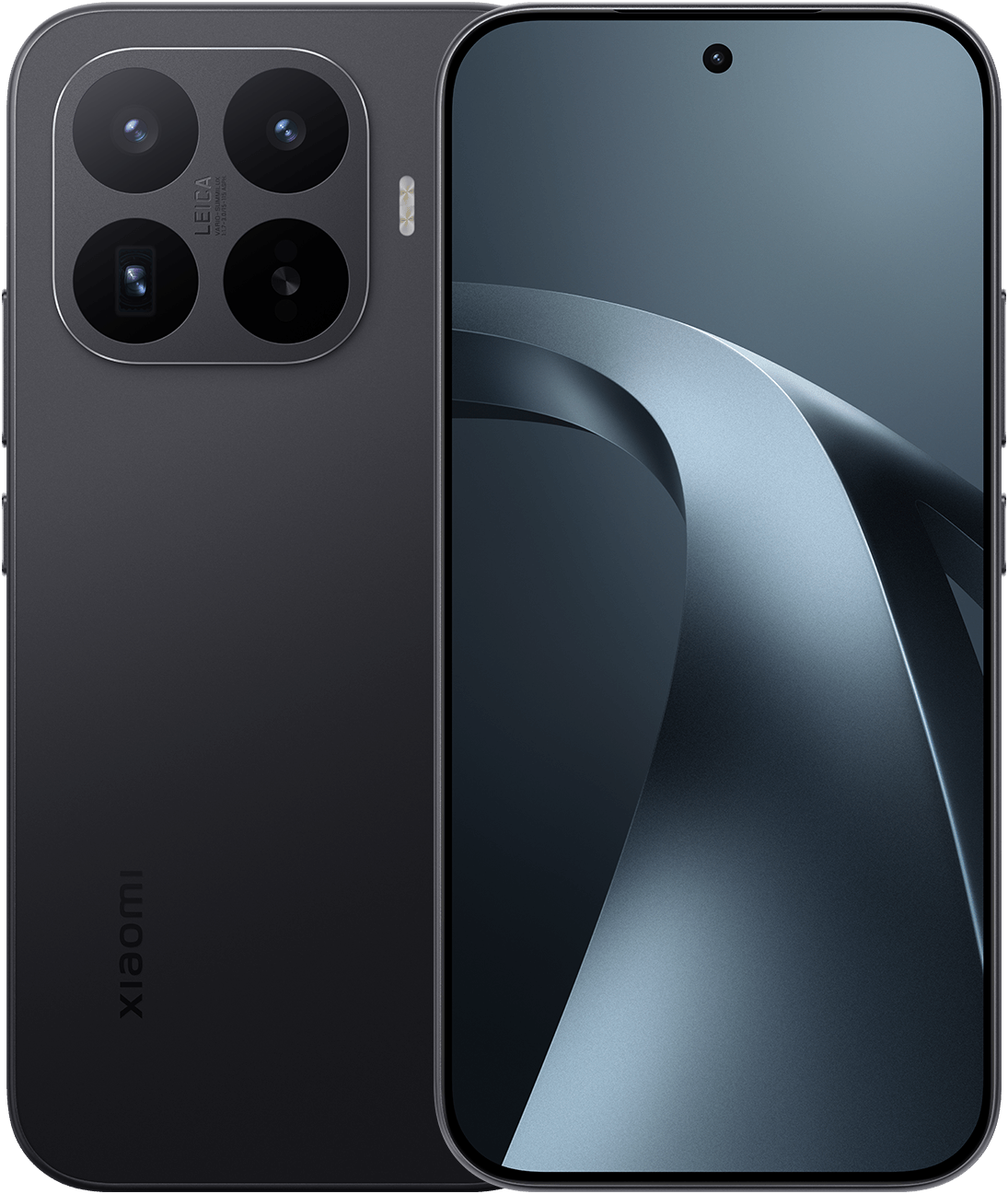
View the full specifications, dimensions, pricing, and related models.
Camera
Early camera feedback centers on telephoto value. The 5x periscope Leica module is repeatedly called the standout reason to buy — delivering reach for travel, wildlife, concerts, and street compression that main-sensor cropping cannot match cleanly.
Daylight telephoto performance earns the steadiest praise: readable detail at distance, pleasing Leica color when owners accept stylized output, and stable exposure across bright outdoor scenes. The main and ultrawide sensors handle routine snapshots; owners describe a clear hierarchy where zoom shots feel premium and wide shots feel merely good.
Battery and charging
Typical early reports align around excellent multi-day potential for light and moderate use. The 6,500 mAh silicon-carbon cell is repeatedly described as the phone's quiet superpower — many owners finish heavy social-and-navigation days above twenty percent, and conservative routines stretch toward two full days without charging.
Within the T-series lineup, endurance is the 17T's clearest win over prior generations. Buyers who charged nightly on older 5,000 mAh phones report changed habits — morning-only top-ups and weekend trips without battery anxiety appear often in first-month threads.
Performance
Routine app launching, camera switching, and multitasking feel quick for mainstream workloads. Dimensity 8500-Ultra handles HyperOS 3, high-refresh scrolling, and split-screen browsing without the stutter midrange phones showed two generations ago — adequate, not boast-worthy.
Owners who edit short social video, shoot burst telephoto sequences, and juggle messaging tabs report satisfied performance. Heavy 4K timeline editing, emulation, and competitive gaming expose the gap versus Dimensity 9500 and Snapdragon Elite flagships — thermal headroom and peak frame rates fall short in side-by-side comparisons.
Handling and portability
At 75.2 mm wide, 157.6 mm tall, and 200 g, the Xiaomi 17T sits in the large-but-manageable band for one-handed use. It is wider than compact flagships like the Xiaomi 17 but narrower than Ultra-class phones — owners describe comfortable thumb reach on the lower two-thirds of the display with expected strain at top corners.
In standard men's jeans, owners report a snug but acceptable fit at 157.6 mm tall. Jacket pockets accommodate the phone comfortably; front trouser pockets feel fuller than compact models but less dominating than 17T Pro or Ultra hardware.
Holding the Xiaomi 17T for 30–60 minutes is comfortable for most users during browsing and video. The 200 g weight and plastic frame reduce cold-metal fatigue for some grips, though extended sessions still benefit from occasional hand repositioning.
Build quality
IP68 rating and tight panel alignment earn trust for rain, dust, and pocket lint — a meaningful upgrade in perceived durability over non-rated value phones. The plastic frame, however, flexes slightly under aggressive twist tests in review hands and feels less luxurious than metal 17-series rivals.
Display glass survives everyday pocket life with case-dependent scratch resistance. Owners who skip cases appreciate the matte plastic sides for grip; premium-feel shoppers often add a skin or case to hide material choices.
Considering another Xiaomi 17T model?
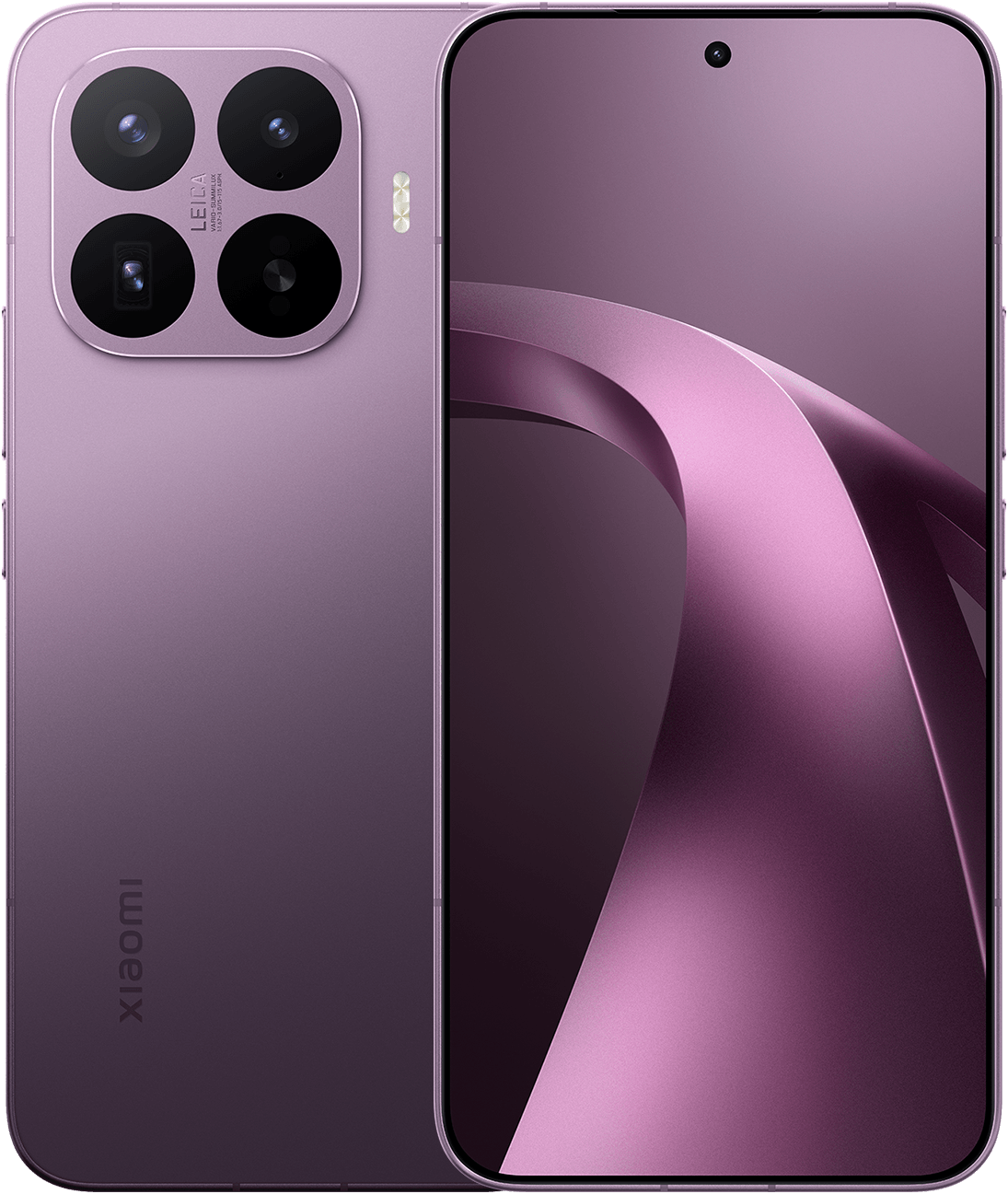
Similar size devices
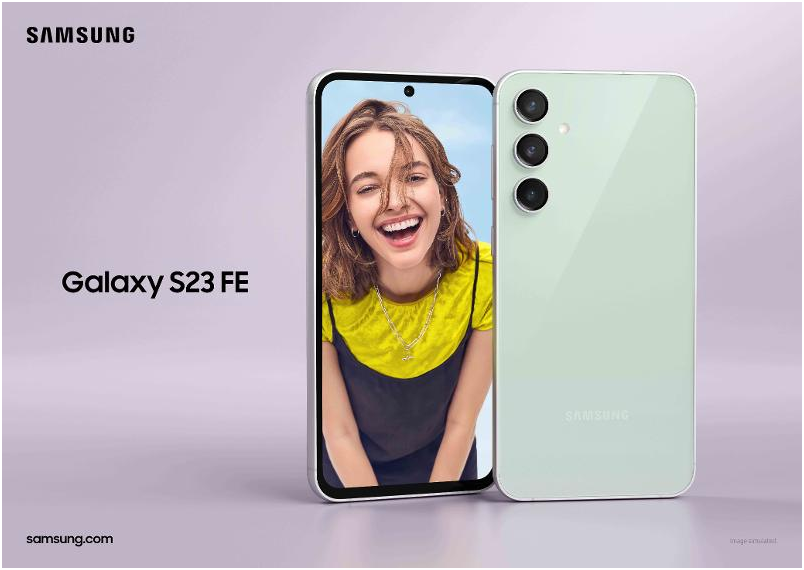
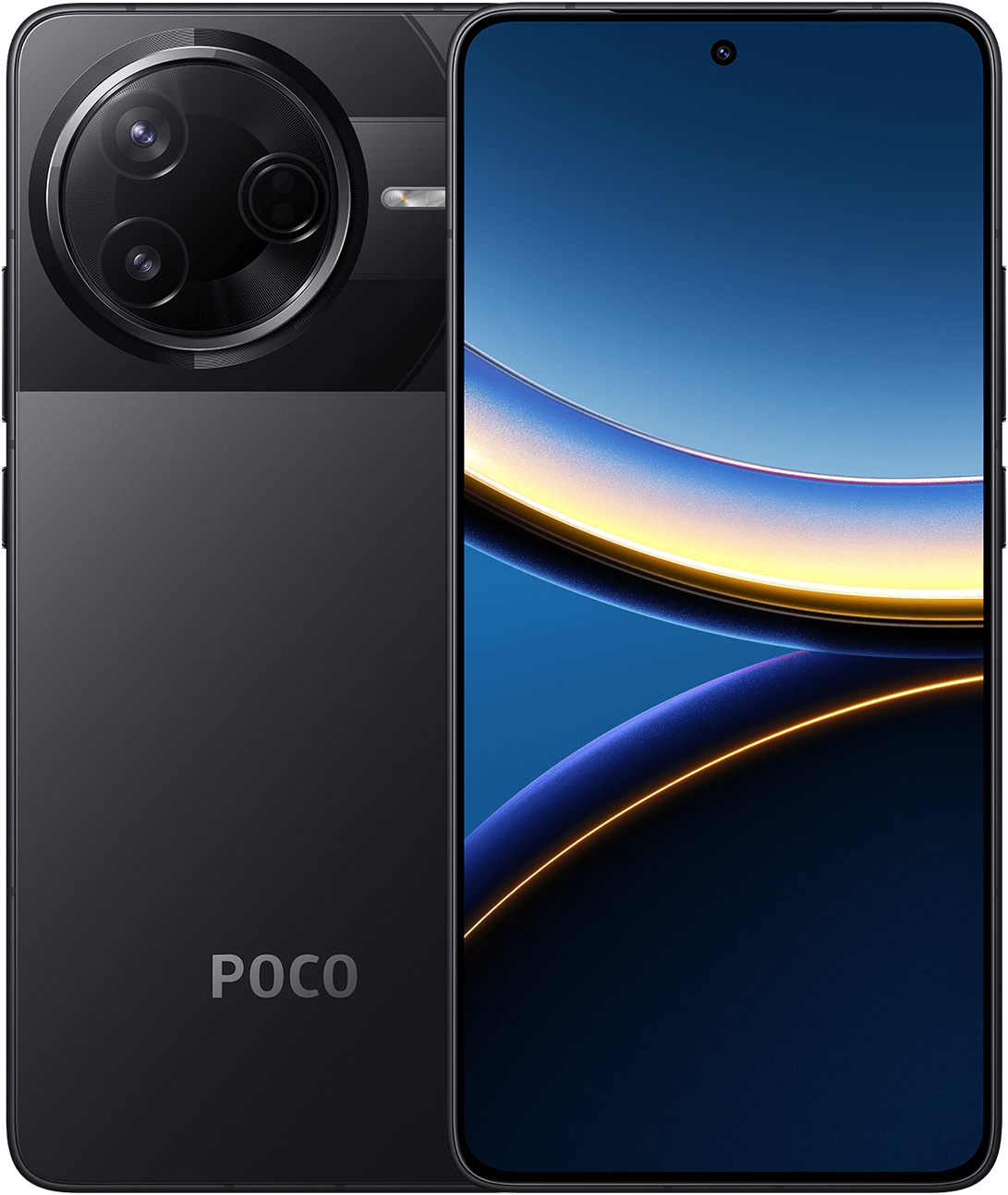
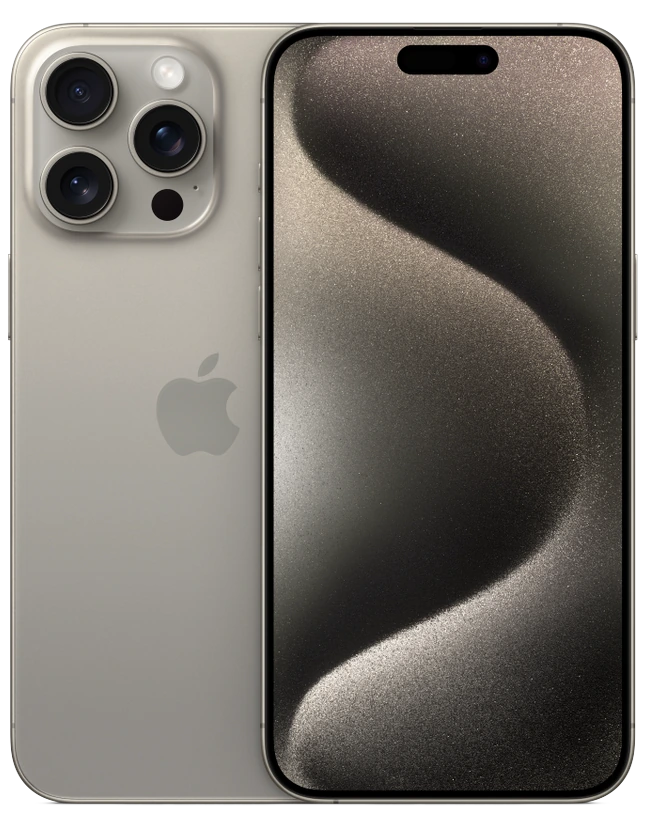
This summary is based on recurring reports from public discussions.