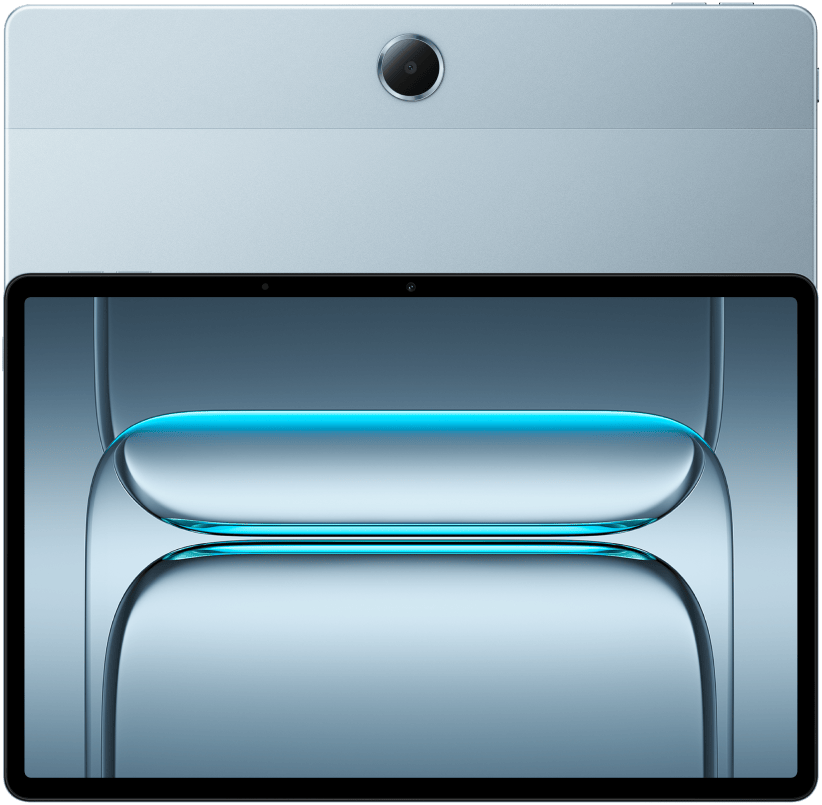
OnePlus
Pad Lite vs Pad 2
Device summary
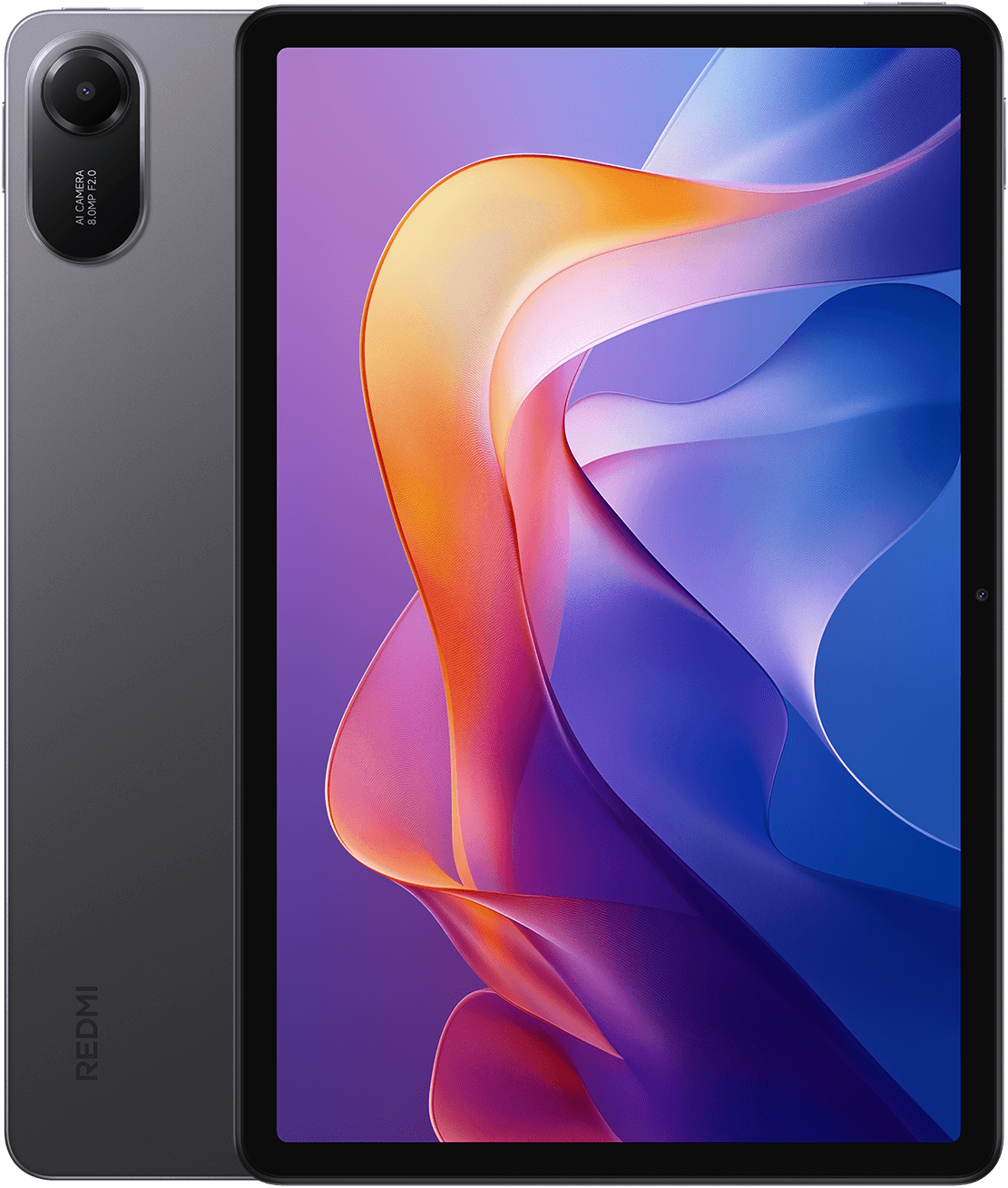
Redmi
Pad 2
Full specifications
| Basic information | ||
|---|---|---|
| Release year | 2025 | 2025 |
| Starting price | — | — |
| Display size | 11-inch | 11-inch |
| Dimensions | 166.5 mm × 254.9 mm × 7.4 mm | 166.0 mm × 254.6 mm × 7.4 mm |
| Weight | 530 g | 510 g |
| Front material | — | — |
| Back material | — | — |
| Display | ||
| Display technology | LCD | LCD |
| Resolution | 1920 × 1200 | 2560 × 1600 |
| Refresh rate | 90 Hz | 90 Hz |
| Peak brightness | 500 nits | 500 nits |
| Performance | ||
| Chipset | MediaTek Helio G100 | MediaTek Helio G100 Ultra |
| RAM | 6 GB, 8 GB | 4 GB, 6 GB, 8 GB |
| Storage | 128 GB | 128 GB, 256 GB |
| Expandable storage | No | Yes |
| Cameras | ||
| Main camera | Wide · 5 MP | Wide · 8 MP |
| Front cameras | Front · 5 MP | Front · 5 MP |
| Video recording | 1080p@30fps | 1080p@30fps |
| Battery & charging | ||
| Typical capacity | 9340 mAh | 9000 mAh |
| Rated capacity | 9098 mAh | — |
| Wired charging | 33 W | 18 W |
| Charging standard | 33W SUPERVOOC | 18W charging (15W adapter in box, market-dependent) |
| Connectivity | ||
| Cellular | LTE | LTE |
| Wi‑Fi | Wi‑Fi 5 (802.11a/b/g/n/ac) | Wi‑Fi 5 (802.11a/b/g/n/ac) |
| Bluetooth | Bluetooth 5.4 | Bluetooth 5.3 |
| USB | USB‑C | USB‑C |
Basic information
Release year
- Pad Lite
- 2025
- Pad 2
- 2025
Starting price
- Pad Lite
- —
- Pad 2
- —
Display size
- Pad Lite
- 11-inch
- Pad 2
- 11-inch
Dimensions
- Pad Lite
- 166.5 mm × 254.9 mm × 7.4 mm
- Pad 2
- 166.0 mm × 254.6 mm × 7.4 mm
Weight
- Pad Lite
- 530 g
- Pad 2
- 510 g
Front material
- Pad Lite
- —
- Pad 2
- —
Back material
- Pad Lite
- —
- Pad 2
- —
Display
Display technology
- Pad Lite
- LCD
- Pad 2
- LCD
Resolution
- Pad Lite
- 1920 × 1200
- Pad 2
- 2560 × 1600
Refresh rate
- Pad Lite
- 90 Hz
- Pad 2
- 90 Hz
Peak brightness
- Pad Lite
- 500 nits
- Pad 2
- 500 nits
Performance
Chipset
- Pad Lite
- MediaTek Helio G100
- Pad 2
- MediaTek Helio G100 Ultra
RAM
- Pad Lite
- 6 GB, 8 GB
- Pad 2
- 4 GB, 6 GB, 8 GB
Storage
- Pad Lite
- 128 GB
- Pad 2
- 128 GB, 256 GB
Expandable storage
- Pad Lite
- No
- Pad 2
- Yes
Cameras
Main camera
- Pad Lite
- Wide · 5 MP
- Pad 2
- Wide · 8 MP
Front cameras
- Pad Lite
- Front · 5 MP
- Pad 2
- Front · 5 MP
Video recording
- Pad Lite
- 1080p@30fps
- Pad 2
- 1080p@30fps
Battery & charging
Typical capacity
- Pad Lite
- 9340 mAh
- Pad 2
- 9000 mAh
Rated capacity
- Pad Lite
- 9098 mAh
- Pad 2
- —
Wired charging
- Pad Lite
- 33 W
- Pad 2
- 18 W
Charging standard
- Pad Lite
- 33W SUPERVOOC
- Pad 2
- 18W charging (15W adapter in box, market-dependent)
Connectivity
Cellular
- Pad Lite
- LTE
- Pad 2
- LTE
Wi‑Fi
- Pad Lite
- Wi‑Fi 5 (802.11a/b/g/n/ac)
- Pad 2
- Wi‑Fi 5 (802.11a/b/g/n/ac)
Bluetooth
- Pad Lite
- Bluetooth 5.4
- Pad 2
- Bluetooth 5.3
USB
- Pad Lite
- USB‑C
- Pad 2
- USB‑C
Key differences
The most meaningful measured gaps in size and weight — not an overall winner.
Weight
Pad 2
20 g lighter
Height
Very similar height
Width
Very similar width
Thickness
Very similar thickness
User Experience Summary
Pad Lite
Strengths
- Light 530 g 11-inch ergonomics
- Quad speakers and 90 Hz media experience
- Strong battery for student routines
Compromises
- 33W charging feels slow for OnePlus buyers
- No stylus in box despite support
- Helio G100 gaming and multitask ceiling
Pad 2
Strengths
- Excellent display and battery value for entry Redmi tablet pricing
- Quad Dolby Atmos speakers and 90 Hz panel elevate couch media
- microSD expansion and optional pen support keep family costs flexible
Compromises
- Slow 18 W charging on a 9000 mAh cell frustrates daily top-up habits
- Wi-Fi 5 and UFS 2.2 feel dated next to midrange Xiaomi Pad hardware
- Face unlock only and no bundled keyboard limit desk productivity out of box