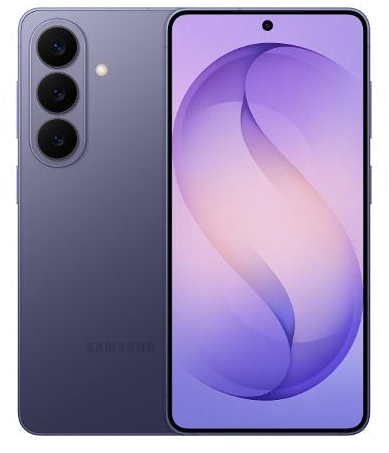
Samsung
Galaxy S26 vs iPhone 16 Pro
Device summary
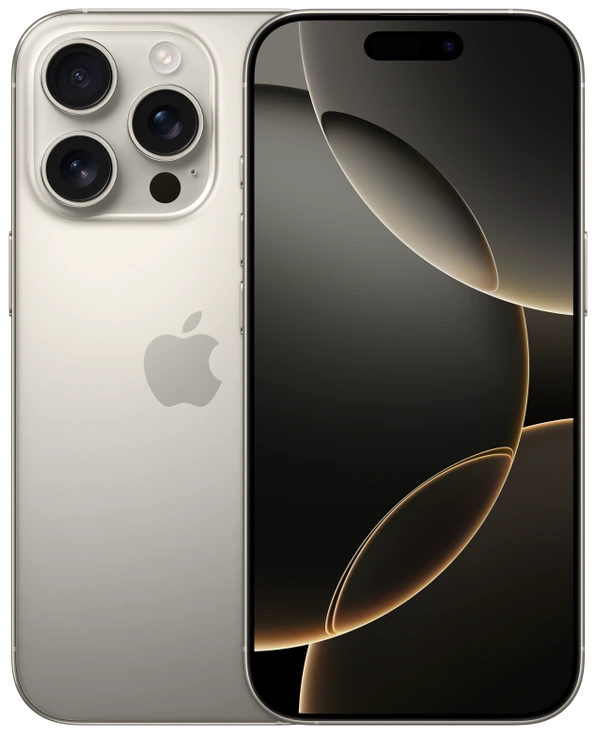
Apple
iPhone 16 Pro
Full specifications
| Basic information | ||
|---|---|---|
| Release year | 2026 | 2024 |
| Starting price | $900 | $999 |
| Display size | 6.3-inch | 6.3-inch |
| Dimensions | 71.7 mm × 149.6 mm × 7.2 mm | 71.5 mm × 149.6 mm × 8.3 mm |
| Weight | 167 g | 199 g |
| Front material | Corning Gorilla Glass Victus 2 | Ceramic Shield |
| Back material | Corning Gorilla Glass Victus 2 | Textured matte glass |
| Display | ||
| Display technology | Dynamic AMOLED 2X | Super Retina XDR OLED |
| Refresh rate | 120 Hz | 120 Hz |
| Peak brightness | 2600 nits | 2000 nits |
| Protection | Corning Gorilla Glass Victus 2 | Ceramic Shield |
| Resolution | — | 2622 × 1206 |
| Performance | ||
| Chipset | Snapdragon 8 Elite Gen 5 for Galaxy | Apple A18 Pro |
| RAM | 12 GB | 8 GB |
| Storage | 256 GB, 512 GB | 128 GB, 256 GB, 512 GB, 1024 GB |
| Expandable storage | No | No |
| Cameras | ||
| Main camera | Wide · 50 MP · ƒ/1.8 · 2x Optical Quality Zoom | Fusion · 48 MP · ƒ/1.78 · 24 mm · Second-generation sensor-shift OIS |
| Ultra-wide camera | Ultra Wide · 12 MP · ƒ/2.2 | Ultra Wide · 48 MP · ƒ/2.2 · 13 mm |
| Telephoto camera | Telephoto · 10 MP · ƒ/2.4 · 3x Optical Zoom | Telephoto · 12 MP · ƒ/2.8 · 120 mm · 5× optical zoom · OIS |
| Front cameras | Front · 12 MP · ƒ/2.2 | TrueDepth · 12 MP · ƒ/1.9 |
| Video recording | 4K at 60 fps, 8K at 30 fps | 4K Dolby Vision up to 120 fps, ProRes up to 4K at 60 fps |
| Battery & charging | ||
| Typical capacity | 4300 mAh | — |
| Rated capacity | 4175 mAh | — |
| Wired charging | 25 W | 25 W |
| Wireless charging | 15 W | 15 W |
| Charging standard | Fast Wireless Charging, Wireless PowerShare | MagSafe, Qi2 |
| Battery type | — | Built-in rechargeable lithium-ion |
| Connectivity | ||
| Cellular | 5G, LTE | 5G (sub-6 GHz and mmWave), Gigabit LTE |
| Wi‑Fi | Wi‑Fi 7 | Wi‑Fi 7 (802.11be) |
| Bluetooth | Bluetooth 5.4 | Bluetooth 5.3 |
| USB | USB‑C | USB-C (USB 3) |
| NFC | Yes | Yes |
| eSIM | Yes | Yes |
| Satellite | — | Emergency SOS via satellite |
| Build & durability | ||
| Frame | Armor Aluminum | Titanium |
| Ingress protection | IP68 | IP68 |
Basic information
Release year
- Galaxy S26
- 2026
- iPhone 16 Pro
- 2024
Starting price
- Galaxy S26
- $900
- iPhone 16 Pro
- $999
Display size
- Galaxy S26
- 6.3-inch
- iPhone 16 Pro
- 6.3-inch
Dimensions
- Galaxy S26
- 71.7 mm × 149.6 mm × 7.2 mm
- iPhone 16 Pro
- 71.5 mm × 149.6 mm × 8.3 mm
Weight
- Galaxy S26
- 167 g
- iPhone 16 Pro
- 199 g
Front material
- Galaxy S26
- Corning Gorilla Glass Victus 2
- iPhone 16 Pro
- Ceramic Shield
Back material
- Galaxy S26
- Corning Gorilla Glass Victus 2
- iPhone 16 Pro
- Textured matte glass
Display
Display technology
- Galaxy S26
- Dynamic AMOLED 2X
- iPhone 16 Pro
- Super Retina XDR OLED
Refresh rate
- Galaxy S26
- 120 Hz
- iPhone 16 Pro
- 120 Hz
Peak brightness
- Galaxy S26
- 2600 nits
- iPhone 16 Pro
- 2000 nits
Protection
- Galaxy S26
- Corning Gorilla Glass Victus 2
- iPhone 16 Pro
- Ceramic Shield
Resolution
- Galaxy S26
- —
- iPhone 16 Pro
- 2622 × 1206
Performance
Chipset
- Galaxy S26
- Snapdragon 8 Elite Gen 5 for Galaxy
- iPhone 16 Pro
- Apple A18 Pro
RAM
- Galaxy S26
- 12 GB
- iPhone 16 Pro
- 8 GB
Storage
- Galaxy S26
- 256 GB, 512 GB
- iPhone 16 Pro
- 128 GB, 256 GB, 512 GB, 1024 GB
Expandable storage
- Galaxy S26
- No
- iPhone 16 Pro
- No
Cameras
Main camera
- Galaxy S26
- Wide · 50 MP · ƒ/1.8 · 2x Optical Quality Zoom
- iPhone 16 Pro
- Fusion · 48 MP · ƒ/1.78 · 24 mm · Second-generation sensor-shift OIS
Ultra-wide camera
- Galaxy S26
- Ultra Wide · 12 MP · ƒ/2.2
- iPhone 16 Pro
- Ultra Wide · 48 MP · ƒ/2.2 · 13 mm
Telephoto camera
- Galaxy S26
- Telephoto · 10 MP · ƒ/2.4 · 3x Optical Zoom
- iPhone 16 Pro
- Telephoto · 12 MP · ƒ/2.8 · 120 mm · 5× optical zoom · OIS
Front cameras
- Galaxy S26
- Front · 12 MP · ƒ/2.2
- iPhone 16 Pro
- TrueDepth · 12 MP · ƒ/1.9
Video recording
- Galaxy S26
- 4K at 60 fps, 8K at 30 fps
- iPhone 16 Pro
- 4K Dolby Vision up to 120 fps, ProRes up to 4K at 60 fps
Battery & charging
Typical capacity
- Galaxy S26
- 4300 mAh
- iPhone 16 Pro
- —
Rated capacity
- Galaxy S26
- 4175 mAh
- iPhone 16 Pro
- —
Wired charging
- Galaxy S26
- 25 W
- iPhone 16 Pro
- 25 W
Wireless charging
- Galaxy S26
- 15 W
- iPhone 16 Pro
- 15 W
Charging standard
- Galaxy S26
- Fast Wireless Charging, Wireless PowerShare
- iPhone 16 Pro
- MagSafe, Qi2
Battery type
- Galaxy S26
- —
- iPhone 16 Pro
- Built-in rechargeable lithium-ion
Connectivity
Cellular
- Galaxy S26
- 5G, LTE
- iPhone 16 Pro
- 5G (sub-6 GHz and mmWave), Gigabit LTE
Wi‑Fi
- Galaxy S26
- Wi‑Fi 7
- iPhone 16 Pro
- Wi‑Fi 7 (802.11be)
Bluetooth
- Galaxy S26
- Bluetooth 5.4
- iPhone 16 Pro
- Bluetooth 5.3
USB
- Galaxy S26
- USB‑C
- iPhone 16 Pro
- USB-C (USB 3)
NFC
- Galaxy S26
- Yes
- iPhone 16 Pro
- Yes
eSIM
- Galaxy S26
- Yes
- iPhone 16 Pro
- Yes
Satellite
- Galaxy S26
- —
- iPhone 16 Pro
- Emergency SOS via satellite
Build & durability
Frame
- Galaxy S26
- Armor Aluminum
- iPhone 16 Pro
- Titanium
Ingress protection
- Galaxy S26
- IP68
- iPhone 16 Pro
- IP68
Key differences
The most meaningful measured gaps in size and weight — not an overall winner.
Weight
Galaxy S26
32 g lighter
Thickness
Galaxy S26
1 mm thinner
Height
Very similar height
Width
Very similar width
User Experience Summary
Galaxy S26
Strengths
- Compact size with excellent one-handed handling despite 6.3-inch growth
- Light 167 g weight and pocket-friendly footprint
- Smooth 120Hz display and fast regional flagship performance
Compromises
- 25W charging feels slow for 2026 flagship pricing
- 4,300 mAh battery still tight on heavy-use days
- Camera hardware largely unchanged from S25
iPhone 16 Pro
Strengths
- 5x telephoto with real everyday usefulness
- Improved thermals and sustained performance
- Strong battery endurance for a compact Pro
Compromises
- Camera Control reception remains polarized
- Significant premium over the standard iPhone 16
- Heavier than the standard model for one-handed use