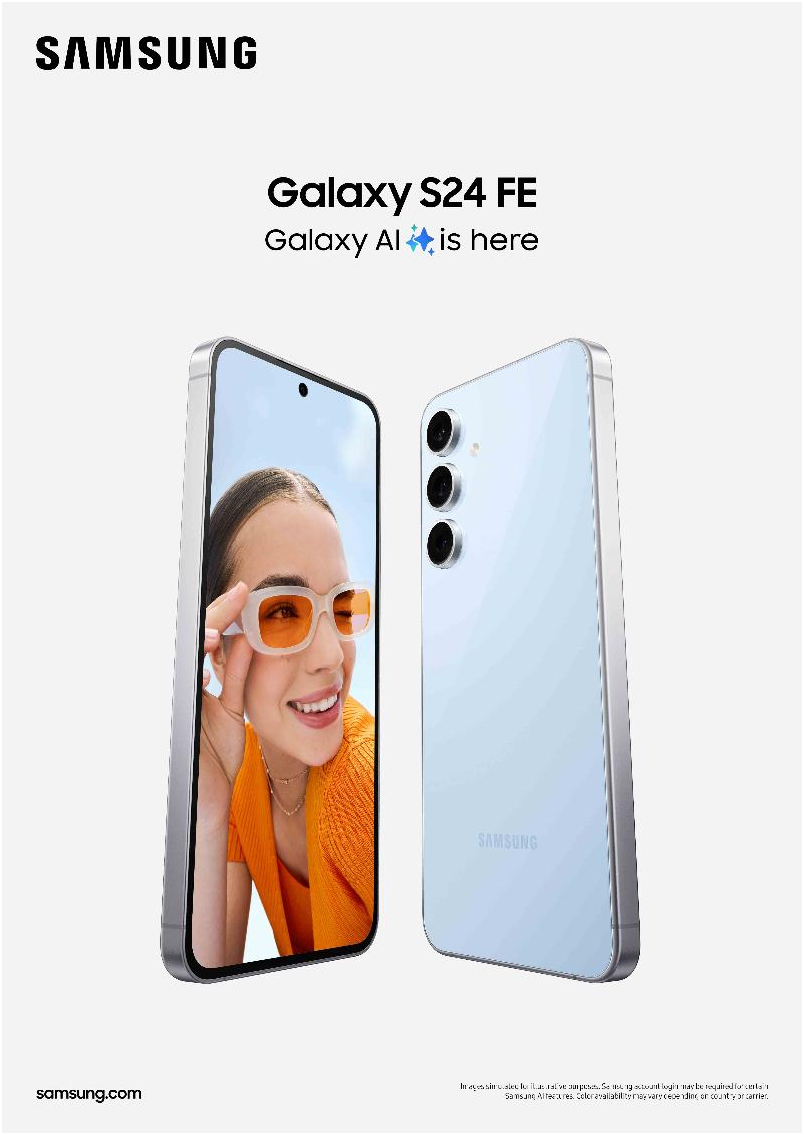
Samsung
Galaxy S24 FE vs M7 Pro
Device summary
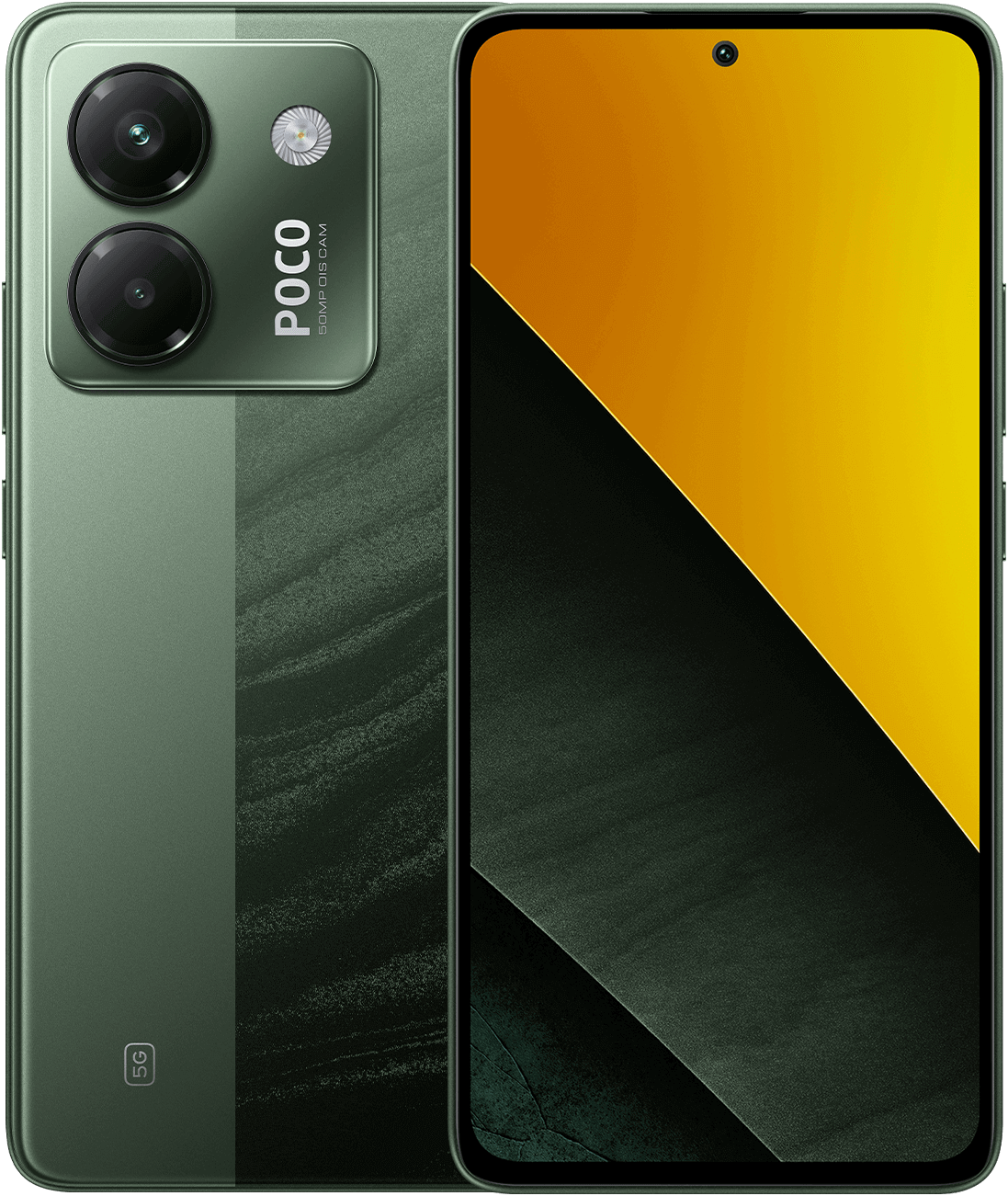
POCO
M7 Pro
Full specifications
| Basic information | ||
|---|---|---|
| Release year | 2024 | 2025 |
| Starting price | — | — |
| Display size | — | 6.7-inch |
| Dimensions | 77.3 mm × 162.0 mm × 8.0 mm | 75.7 mm × 162.4 mm × 8.0 mm |
| Weight | 213 g | 190 g |
| Front material | — | — |
| Back material | — | — |
| Display | ||
| Display technology | — | AMOLED |
| Resolution | — | 2400 × 1080 |
| Refresh rate | — | 120 Hz |
| Peak brightness | — | 2100 nits |
| Protection | — | Corning Gorilla Glass 5 |
| Performance | ||
| Chipset | — | MediaTek Dimensity 7025-Ultra |
| RAM | — | 8 GB, 12 GB |
| Storage | — | 256 GB, 512 GB |
| Expandable storage | — | Yes |
| Cameras | ||
| Main camera | — | Wide · 50 MP · ƒ/1.56 · OIS |
| Depth camera | — | Depth · 2 MP · ƒ/2.4 |
| Front cameras | — | Front · 20 MP · ƒ/2.2 |
| Video recording | — | 1080p at 30 fps |
| Battery & charging | ||
| Typical capacity | — | 5110 mAh |
| Wired charging | — | 45 W |
| Charging standard | — | Turbo Charging |
| Connectivity | ||
| Cellular | — | 5G, LTE |
| Wi‑Fi | — | Wi-Fi 5 |
| Bluetooth | — | Bluetooth 5.3 |
| NFC | — | Yes |
| Build & durability | ||
| Ingress protection | — | IP64 |
Basic information
Release year
- Galaxy S24 FE
- 2024
- M7 Pro
- 2025
Starting price
- Galaxy S24 FE
- —
- M7 Pro
- —
Display size
- Galaxy S24 FE
- —
- M7 Pro
- 6.7-inch
Dimensions
- Galaxy S24 FE
- 77.3 mm × 162.0 mm × 8.0 mm
- M7 Pro
- 75.7 mm × 162.4 mm × 8.0 mm
Weight
- Galaxy S24 FE
- 213 g
- M7 Pro
- 190 g
Front material
- Galaxy S24 FE
- —
- M7 Pro
- —
Back material
- Galaxy S24 FE
- —
- M7 Pro
- —
Display
Display technology
- Galaxy S24 FE
- —
- M7 Pro
- AMOLED
Resolution
- Galaxy S24 FE
- —
- M7 Pro
- 2400 × 1080
Refresh rate
- Galaxy S24 FE
- —
- M7 Pro
- 120 Hz
Peak brightness
- Galaxy S24 FE
- —
- M7 Pro
- 2100 nits
Protection
- Galaxy S24 FE
- —
- M7 Pro
- Corning Gorilla Glass 5
Performance
Chipset
- Galaxy S24 FE
- —
- M7 Pro
- MediaTek Dimensity 7025-Ultra
RAM
- Galaxy S24 FE
- —
- M7 Pro
- 8 GB, 12 GB
Storage
- Galaxy S24 FE
- —
- M7 Pro
- 256 GB, 512 GB
Expandable storage
- Galaxy S24 FE
- —
- M7 Pro
- Yes
Cameras
Main camera
- Galaxy S24 FE
- —
- M7 Pro
- Wide · 50 MP · ƒ/1.56 · OIS
Depth camera
- Galaxy S24 FE
- —
- M7 Pro
- Depth · 2 MP · ƒ/2.4
Front cameras
- Galaxy S24 FE
- —
- M7 Pro
- Front · 20 MP · ƒ/2.2
Video recording
- Galaxy S24 FE
- —
- M7 Pro
- 1080p at 30 fps
Battery & charging
Typical capacity
- Galaxy S24 FE
- —
- M7 Pro
- 5110 mAh
Wired charging
- Galaxy S24 FE
- —
- M7 Pro
- 45 W
Charging standard
- Galaxy S24 FE
- —
- M7 Pro
- Turbo Charging
Connectivity
Cellular
- Galaxy S24 FE
- —
- M7 Pro
- 5G, LTE
Wi‑Fi
- Galaxy S24 FE
- —
- M7 Pro
- Wi-Fi 5
Bluetooth
- Galaxy S24 FE
- —
- M7 Pro
- Bluetooth 5.3
NFC
- Galaxy S24 FE
- —
- M7 Pro
- Yes
Build & durability
Ingress protection
- Galaxy S24 FE
- —
- M7 Pro
- IP64
Key differences
The most meaningful measured gaps in size and weight — not an overall winner.
Weight
M7 Pro
23 g lighter
Width
Galaxy S24 FE
1.6 mm wider · minor difference
Height
Very similar height
Thickness
Very similar thickness
User Experience Summary
Galaxy S24 FE
Strengths
- Large, vibrant 6.7-inch AMOLED display that outperforms its price bracket
- Rare optical telephoto camera uncommon at this price tier
- Excellent independent durability results for drops, scratches, and water resistance
Compromises
- 25W wired charging trails faster-charging mid-range rivals
- Camera processing and low light fall short of the full-price S24
- Exynos platform shows limits under heavier gaming or multitasking
M7 Pro
Strengths
- 120Hz AMOLED display value at €200–250
- Sony LYT-600 OIS main for daylight social shots
- 190 g pocket-friendly ergonomics
Compromises
- Single rear camera — no ultrawide
- 45W charging mid-tier for 2025
- Possible NFC omission on global SKU