POCO M7 Pro 5G User Experience



Sizometry Verdict
Editorial scores based on recurring themes across professional reviews, hands-on testing, and expert analysis.
Overall user experience
6.5
out of 10
An April 2025 global budget POCO with standout 120Hz AMOLED, OIS main imaging, and manageable 190 g ergonomics on Dimensity 7025-Ultra — held back by single-lens camera, 45W charging, HyperOS 1.0 launch polish, possible global NFC gaps, and modest gaming headroom versus F-series.
Category scores
Camera
6.5
LYT-600 OIS main solid daylight; no ultrawide limits versatility.
Battery and charging
7.0
5110mAh with 45W — good, not class-leading.
Performance
6.5
Dimensity 7025-Ultra fine for daily; trails F-series gaming.
Handling and portability
8.0
75.7 mm and 190 g — pocket-friendlier POCO option. Among the more pocketable current POCO phones.
Build quality
6.5
Convincing midrange build; no IP68 at this price.
Value
7.0
An April 2025 global budget POCO with standout 120Hz AMOLED, OIS main imaging, and manageable 190 g ergonomics on Dimensity 7025-Ultra — held back by single-lens camera, 45W charging, HyperOS 1.0 launch polish, possible global NFC gaps, and modest gaming headroom versus F-series.
Strengths
- 120Hz AMOLED display value at €200–250
- Sony LYT-600 OIS main for daylight social shots
- 190 g pocket-friendly ergonomics
- Dependable daily smoothness on Dimensity 7025-Ultra
Weaknesses
- Single rear camera — no ultrawide
- 45W charging mid-tier for 2025
- Possible NFC omission on global SKU
- HyperOS 1.0 launch behind newer F7 software
Best for
- Budget AMOLED buyers on HyperOS
- Pocket-fit prioritizers versus F7 phones
- Daylight single-lens photographers
- 5G upgraders from older budget POCO or Redmi
Less suitable for
- Ultrawide and telephoto shooters
- F-series performance and gaming buyers
- NFC-dependent markets without spec verification
- IP68 and fast-charging seekers
Upgrade recommendation
Current device: Older POCO M or budget LCD Redmi owners
Recommendation: Strongly recommendedNotes: AMOLED, OIS, 5G, and 45W address core generational gaps.
Current device: POCO F7 shoppers
Recommendation: Depends on prioritiesNotes: F7 wins performance and IP68; M7 Pro wins price and pocket fit.
Current device: Redmi Note 14 5G equivalents
Recommendation: Worth consideringNotes: Compare bundles and NFC before assuming identical value.
Current device: Samsung Galaxy A36 owners
Recommendation: Probably unnecessaryNotes: Switch mainly if AMOLED-per-euro pricing undercuts.
Current device: POCO M7 non-Pro buyers
Recommendation: Depends on prioritiesNotes: Pro justified for OIS and AMOLED; base M7 for strictest budgets.
Bottom line
The POCO M7 Pro 5G earns community pattern respect as POCO's budget AMOLED sweet spot through 120Hz panel quality, OIS main imaging, and 190 g pocket ergonomics at €200–250 — while honest trade-offs remain single-lens photography, 45W charging, HyperOS 1.0 launch polish, and NFC verification on global SKUs. Budget display-first buyers should confirm tap-to-pay support; ultrawide and gaming seekers should compare F7 or Redmi Note Pro tiers before committing.
See its real size next to another phone or tablet.
Open size comparisonOverview
Across professional reviews and long-term owner discussions since the December 2024 India launch and April 2025 global rollout cataloged at April 1, 2025, the POCO M7 Pro 5G is widely regarded as POCO's sensible AMOLED midranger for buyers who want 5G connectivity, a bright 120Hz panel, and OIS-stabilized main imaging without paying F-series performance premiums.
For readers evaluating handling before purchase, this summary focuses on real ownership at budget brackets — pocket fit at 75.7 mm width and 190 g, single-camera shooting habits, 45W charging routines, NFC verification before checkout, and whether M7 Pro 5G polish beats waiting for F7 sales or stepping to Redmi Note 14 5G equivalents.
Daily use
In daily use, the M7 Pro 5G is consistently described as smooth for routine workloads on Dimensity 7025-Ultra with HyperOS 1.0 at launch and incremental HyperOS 2 migration on newer global batches over Android 14. App launches, messaging, navigation, and social feeds run without the stutter budget LCD phones exhibit.
The 6.67-inch 120Hz AMOLED and stereo speakers in supported SKUs make the M7 Pro 5G feel more premium than entry M-series phones for daily media. Scrolling remains fluid at high refresh rates; outdoor legibility earns praise relative to price; casual mobile gamers accept medium settings on mainstream titles without expecting F-series frame pacing.
HyperOS receives mixed credit for feature breadth alongside first-week bloat cleanup. The 190 g weight and 7.99 mm profile feel manageable in one hand for the class; many owners adopt slim TPU cases for grip on glossy polycarbonate or glass backs.
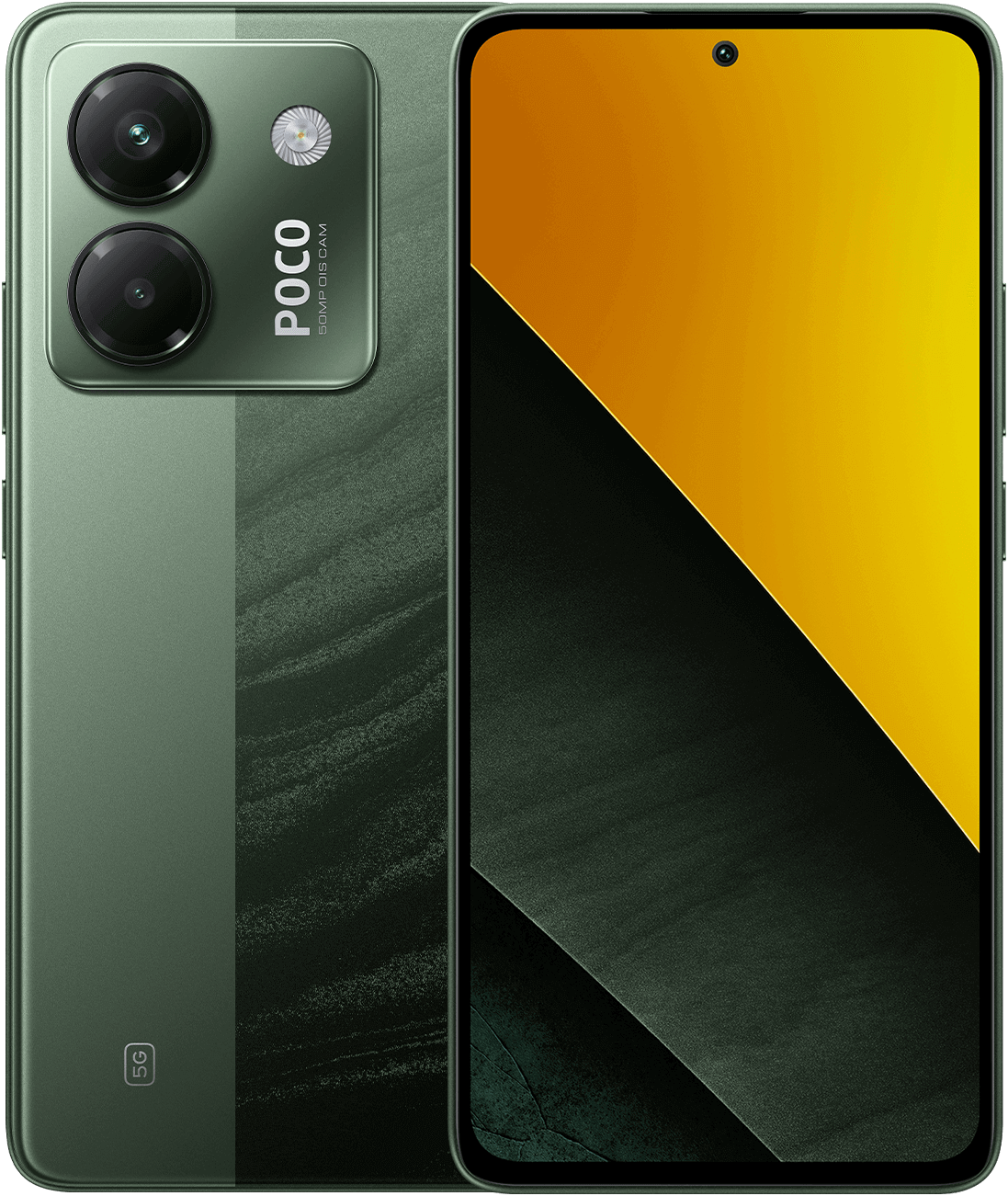
M7 Pro
View the full specifications, dimensions, pricing, and related models.
Camera
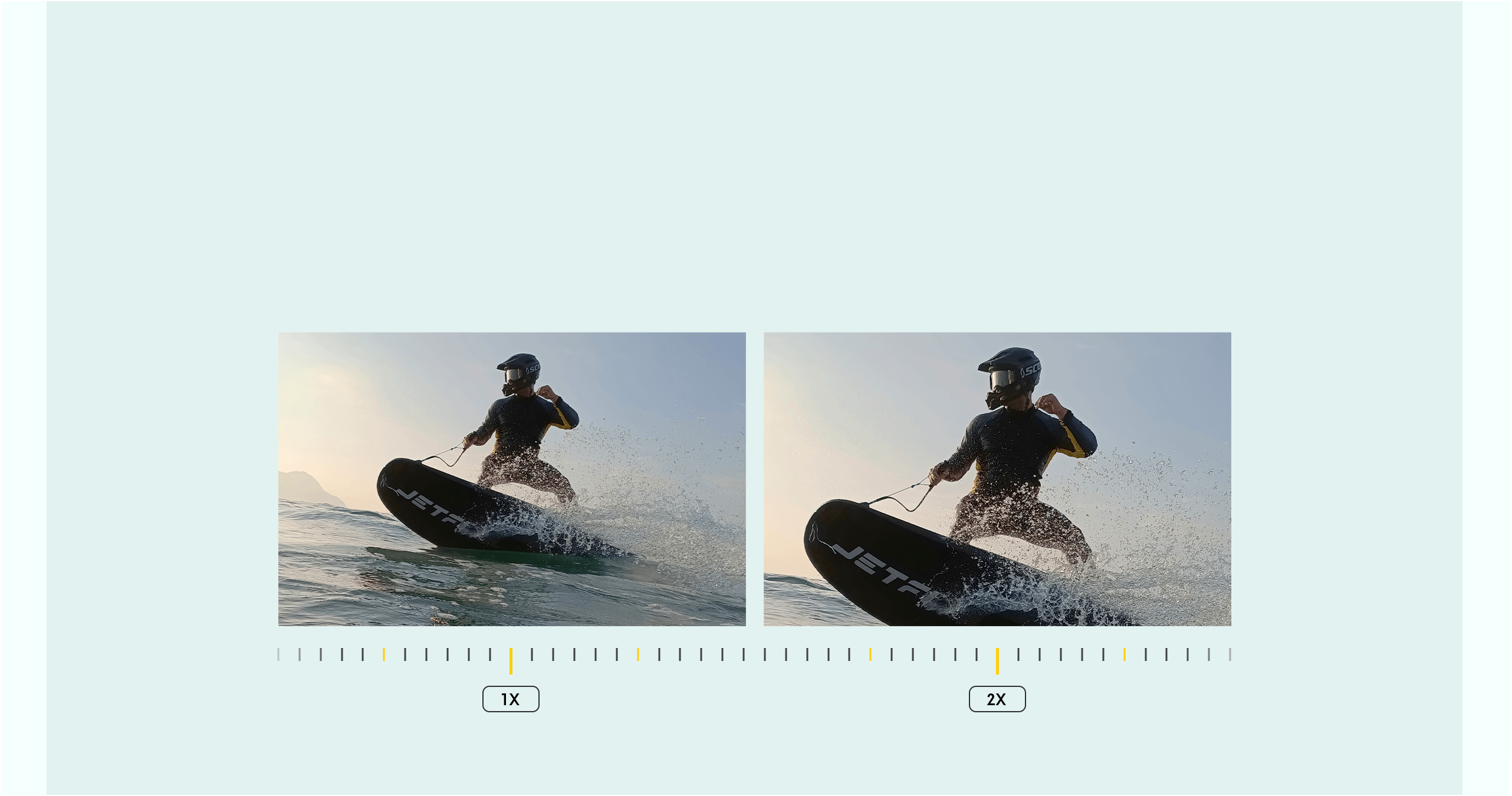
Camera feedback centers on the sole 50MP Sony LYT-600 main with OIS — daylight social sharing earns community pattern praise for sharpness, color consistency, and stabilized video walk clips. Owners appreciate simplified camera UI without lens-switcher confusion; limitations appear when interiors need ultrawide field of view.
Low-light stills and indoor venues produce softer results than Note 14 Pro or F7 comparisons in enthusiast threads. Night mode helps but cannot compensate for missing ultrawide for tight restaurant tables or architecture interiors — a recurring criticism in travel owner posts.
Battery and charging
Typical daily reports align around good all-day endurance for moderate use on the 5110mAh cell: messaging, social apps, navigation, and intermittent media. Lighter routines often end with 20–30% remaining; heavy 120Hz gaming or bright-outdoor days more commonly lead to evening top-ups without panic.
45W wired charging is adequate for the class — full recovery in roughly an hour — though owners comparing Redmi Note 67W or F7 90W narratives describe 45W as the most noticeable midrange compromise.
Performance
App launching and routine multitasking are consistently described as smooth on Dimensity 7025-Ultra for the price. Owners rarely report lag under normal workloads; gaming benchmarks trail F-series clearly but satisfy social and productivity buyers.
Gaming feedback is positive for casual titles at medium settings — BGMI and Call of Duty Mobile run acceptably; Genshin Impact at high presets is where F-series cross-shop begins. Throttling is described as mild for the class.
Handling and portability
At 75.7 mm wide, 162.4 mm tall, and 190 g, the POCO M7 Pro 5G sits in the moderate band of modern midrange phones. Thumb reach across the lower and middle display works for messaging and quick browsing; top corners require grip shifts on the tall canvas but less dramatically than 77.9 mm F7 siblings.
In standard men's jeans and jacket pockets, owners report a comfortable fit for a midrange AMOLED phone — 75.7 mm width, 7.99 mm thickness, and 190 g are felt but commonly described as acceptable daily carry.
Holding the M7 Pro 5G for 30–60 minutes is comfortable for most users — 190 g and 7.99 mm profile suit extended feed scrolling and messaging better than heavy F-series phones.
Build quality
Build quality at €200–250 earns community pattern respect — 7.99 mm thin profile, 190 g weight, and AMOLED panel combine into a convincing midranger though IP rating is absent versus F7 IP68 siblings.
Frame rigidity and button feedback receive adequate praise; drop stories with slim cases appear occasionally without systemic failure narratives. Glossy finishes encourage case usage for grip.
Similar size devices
This summary is based on recurring reports from public discussions.