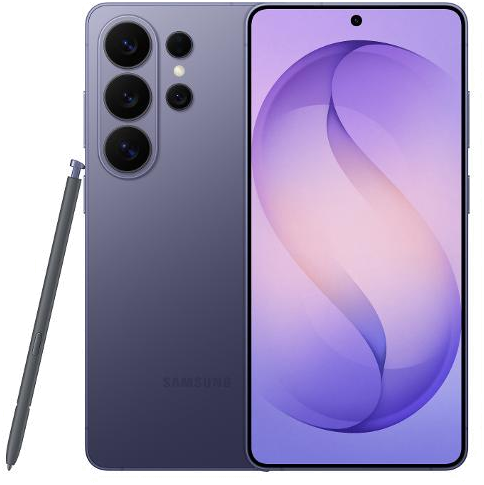
Samsung
Galaxy S26 Ultra vs iPhone Air
Device summary
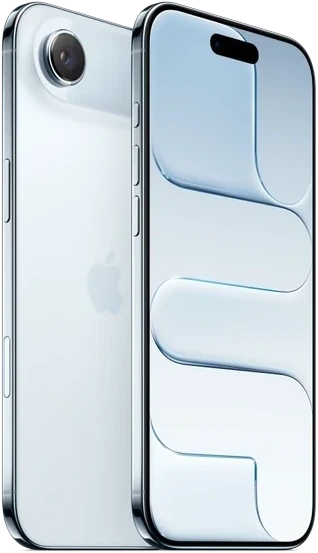
Apple
iPhone Air
Full specifications
| Basic information | ||
|---|---|---|
| Release year | 2026 | 2025 |
| Starting price | $1,300 | $999 |
| Display size | 6.9-inch | 6.5-inch |
| Dimensions | 78.1 mm × 163.6 mm × 7.9 mm | 74.7 mm × 156.2 mm × 5.6 mm |
| Weight | 214 g | 165 g |
| Front material | Corning Gorilla Armor 2 | Ceramic Shield |
| Back material | Corning Gorilla Glass Victus 2 | Ceramic Shield |
| Display | ||
| Display technology | Dynamic AMOLED 2X with Privacy Display | Super Retina XDR OLED |
| Refresh rate | 120 Hz | 120 Hz |
| Peak brightness | 2600 nits | 2000 nits |
| Protection | Corning Gorilla Armor 2 | Ceramic Shield |
| Resolution | — | 2736 × 1260 |
| Performance | ||
| Chipset | Snapdragon 8 Elite Gen 5 for Galaxy | Apple A19 Pro |
| RAM | 12 GB, 16 GB | 12 GB |
| Storage | 256 GB, 512 GB, 1024 GB | 256 GB, 512 GB, 1024 GB |
| Expandable storage | No | No |
| Cameras | ||
| Main camera | Wide · 200 MP · ƒ/1.4 · 2x Optical Quality Zoom | Fusion · 48 MP · ƒ/1.6 · 26 mm · Sensor-shift OIS |
| Ultra-wide camera | Ultra Wide · 50 MP · ƒ/1.9 | — |
| Telephoto camera | Telephoto · 10 MP · ƒ/2.4 · 3x Optical Zoom | — |
| Rear camera 4 | Telephoto · 50 MP · ƒ/2.9 · 5x Optical Zoom / 10x Optical Quality Zoom | — |
| Front cameras | Front · 12 MP · ƒ/2.2 | Center Stage · 18 MP · ƒ/1.9 |
| Video recording | 4K at 120 fps, 8K at 30 fps | 4K Dolby Vision up to 60 fps |
| Battery & charging | ||
| Typical capacity | 5000 mAh | — |
| Rated capacity | 4855 mAh | — |
| Wired charging | 60 W | 25 W |
| Wireless charging | 25 W | 15 W |
| Charging standard | Super Fast Wireless Charging, Wireless PowerShare | MagSafe, Qi2 |
| Video playback (Manufacturer claim) | — | 27 h |
| Battery type | — | Built-in rechargeable lithium-ion |
| Connectivity | ||
| Cellular | 5G, LTE | 5G (sub-6 GHz), Gigabit LTE |
| Wi‑Fi | Wi‑Fi 7 | Wi‑Fi 7 (802.11be) |
| Bluetooth | Bluetooth 6.0 | Bluetooth 6 |
| USB | USB‑C | USB-C (USB 3) |
| NFC | Yes | Yes |
| eSIM | Yes | Yes |
| Satellite | — | Emergency SOS via satellite |
| Build & durability | ||
| Frame | Armor Aluminum | Titanium |
| Ingress protection | IP68 | IP68 |
Basic information
Release year
- Galaxy S26 Ultra
- 2026
- iPhone Air
- 2025
Starting price
- Galaxy S26 Ultra
- $1,300
- iPhone Air
- $999
Display size
- Galaxy S26 Ultra
- 6.9-inch
- iPhone Air
- 6.5-inch
Dimensions
- Galaxy S26 Ultra
- 78.1 mm × 163.6 mm × 7.9 mm
- iPhone Air
- 74.7 mm × 156.2 mm × 5.6 mm
Weight
- Galaxy S26 Ultra
- 214 g
- iPhone Air
- 165 g
Front material
- Galaxy S26 Ultra
- Corning Gorilla Armor 2
- iPhone Air
- Ceramic Shield
Back material
- Galaxy S26 Ultra
- Corning Gorilla Glass Victus 2
- iPhone Air
- Ceramic Shield
Display
Display technology
- Galaxy S26 Ultra
- Dynamic AMOLED 2X with Privacy Display
- iPhone Air
- Super Retina XDR OLED
Refresh rate
- Galaxy S26 Ultra
- 120 Hz
- iPhone Air
- 120 Hz
Peak brightness
- Galaxy S26 Ultra
- 2600 nits
- iPhone Air
- 2000 nits
Protection
- Galaxy S26 Ultra
- Corning Gorilla Armor 2
- iPhone Air
- Ceramic Shield
Resolution
- Galaxy S26 Ultra
- —
- iPhone Air
- 2736 × 1260
Performance
Chipset
- Galaxy S26 Ultra
- Snapdragon 8 Elite Gen 5 for Galaxy
- iPhone Air
- Apple A19 Pro
RAM
- Galaxy S26 Ultra
- 12 GB, 16 GB
- iPhone Air
- 12 GB
Storage
- Galaxy S26 Ultra
- 256 GB, 512 GB, 1024 GB
- iPhone Air
- 256 GB, 512 GB, 1024 GB
Expandable storage
- Galaxy S26 Ultra
- No
- iPhone Air
- No
Cameras
Main camera
- Galaxy S26 Ultra
- Wide · 200 MP · ƒ/1.4 · 2x Optical Quality Zoom
- iPhone Air
- Fusion · 48 MP · ƒ/1.6 · 26 mm · Sensor-shift OIS
Ultra-wide camera
- Galaxy S26 Ultra
- Ultra Wide · 50 MP · ƒ/1.9
- iPhone Air
- —
Telephoto camera
- Galaxy S26 Ultra
- Telephoto · 10 MP · ƒ/2.4 · 3x Optical Zoom
- iPhone Air
- —
Rear camera 4
- Galaxy S26 Ultra
- Telephoto · 50 MP · ƒ/2.9 · 5x Optical Zoom / 10x Optical Quality Zoom
- iPhone Air
- —
Front cameras
- Galaxy S26 Ultra
- Front · 12 MP · ƒ/2.2
- iPhone Air
- Center Stage · 18 MP · ƒ/1.9
Video recording
- Galaxy S26 Ultra
- 4K at 120 fps, 8K at 30 fps
- iPhone Air
- 4K Dolby Vision up to 60 fps
Battery & charging
Typical capacity
- Galaxy S26 Ultra
- 5000 mAh
- iPhone Air
- —
Rated capacity
- Galaxy S26 Ultra
- 4855 mAh
- iPhone Air
- —
Wired charging
- Galaxy S26 Ultra
- 60 W
- iPhone Air
- 25 W
Wireless charging
- Galaxy S26 Ultra
- 25 W
- iPhone Air
- 15 W
Charging standard
- Galaxy S26 Ultra
- Super Fast Wireless Charging, Wireless PowerShare
- iPhone Air
- MagSafe, Qi2
Video playback (Manufacturer claim)
- Galaxy S26 Ultra
- —
- iPhone Air
- 27 h
Battery type
- Galaxy S26 Ultra
- —
- iPhone Air
- Built-in rechargeable lithium-ion
Connectivity
Cellular
- Galaxy S26 Ultra
- 5G, LTE
- iPhone Air
- 5G (sub-6 GHz), Gigabit LTE
Wi‑Fi
- Galaxy S26 Ultra
- Wi‑Fi 7
- iPhone Air
- Wi‑Fi 7 (802.11be)
Bluetooth
- Galaxy S26 Ultra
- Bluetooth 6.0
- iPhone Air
- Bluetooth 6
USB
- Galaxy S26 Ultra
- USB‑C
- iPhone Air
- USB-C (USB 3)
NFC
- Galaxy S26 Ultra
- Yes
- iPhone Air
- Yes
eSIM
- Galaxy S26 Ultra
- Yes
- iPhone Air
- Yes
Satellite
- Galaxy S26 Ultra
- —
- iPhone Air
- Emergency SOS via satellite
Build & durability
Frame
- Galaxy S26 Ultra
- Armor Aluminum
- iPhone Air
- Titanium
Ingress protection
- Galaxy S26 Ultra
- IP68
- iPhone Air
- IP68
Key differences
The most meaningful measured gaps in size and weight — not an overall winner.
Weight
iPhone Air
49 g lighter
Height
Galaxy S26 Ultra
7.4 mm taller
Thickness
iPhone Air
2.3 mm thinner
Width
Galaxy S26 Ultra
3.4 mm wider
User Experience Summary
Galaxy S26 Ultra
Strengths
- 60W wired charging — major upgrade over S25 Ultra
- Privacy Display for commuting and office shoulder-surfing resistance
- Brighter 200MP main and versatile periscope zoom
Compromises
- Heavy, wide chassis limits one-handed and pocket comfort
- Aluminum instead of titanium divides premium buyers
- Privacy Display trade-offs and S Pen software stagnation
iPhone Air
Strengths
- Distinctive thin-and-light design at 165 g
- Large 120Hz ProMotion display
- Exceptional durability for extreme thinness
Compromises
- Mono speaker limits media and speakerphone use
- Battery margin below larger iPhones for heavy users
- Single rear camera limits lens versatility