Insights
GUIDE
Confirmed
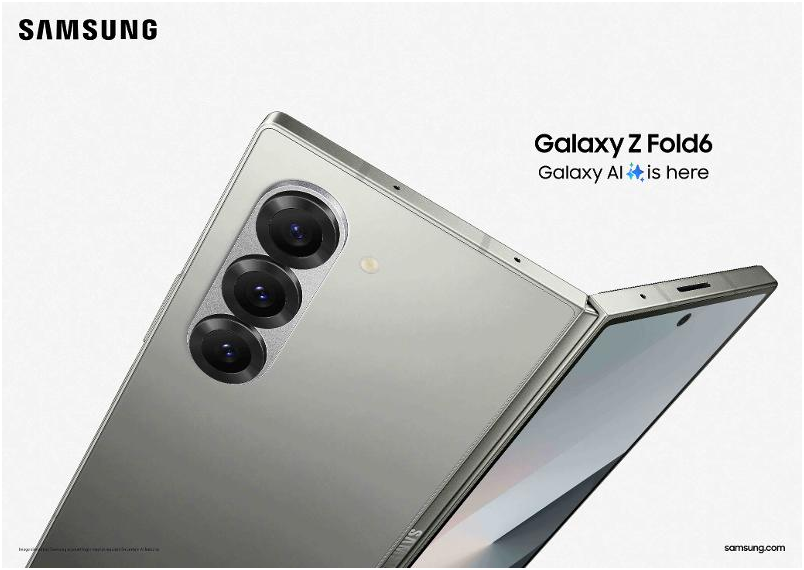
Should You Upgrade from Galaxy Z Fold 7 to Galaxy Z Fold 8?
Wondering if the Galaxy Z Fold 8 is worth upgrading to? Compare the real differences between the Fold 7 and Fold 8, including size, weight, performance, displays, and everyday usability.
What actually changed?
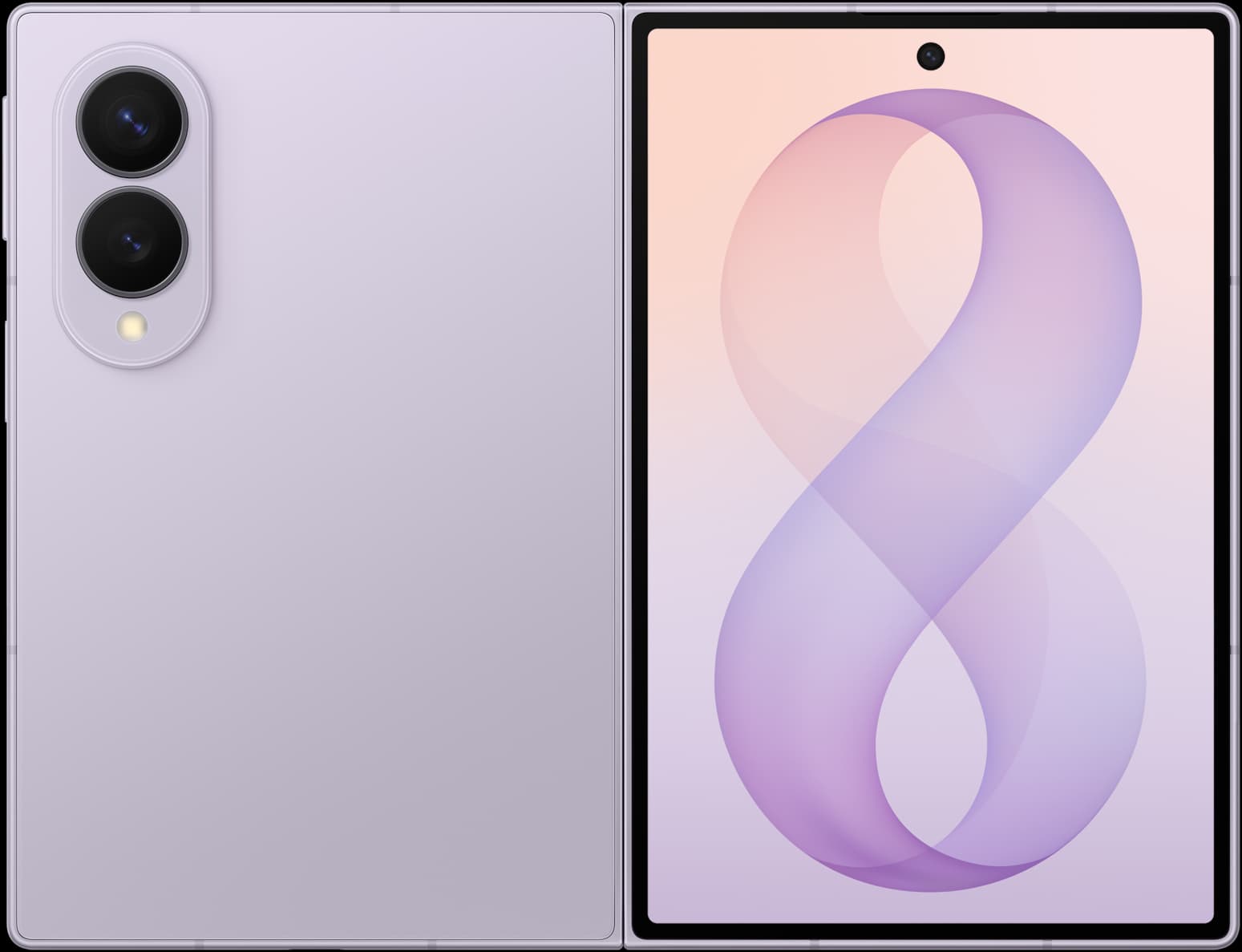
The verified Fold 7 vs Fold 8 upgrade differences fall into a short list.
Fold 7 folded measures 72.8 × 158.4 × 8.9 mm and weighs 215 g. Unfolded, it opens to 143.2 × 158.4 × 4.2 mm. Fold 8 folded measures 81.9 × 123.9 × 9.7 mm and weighs 201 g. Unfolded, it opens to 161.4 × 123.9 × 4.5 mm. Closed, Fold 8 is about 9.1 mm wider, about 34.5 mm shorter, 0.8 mm thicker, and 14 g lighter.
Displays also move. Fold 7 pairs a 6.5-inch cover at 2520 × 1080 with an 8.0-inch main panel at 2184 × 1968 and up to 2,600 nits peak brightness. Fold 8 pairs a 5.5-inch cover at 1972 × 1248 with a 7.6-inch main panel at 2448 × 1848 and up to 3,000 nits peak brightness. Both use Dynamic AMOLED 2X panels at 120 Hz.
Elsewhere, Fold 8 moves to Snapdragon 8 Elite Gen 5 for Galaxy, a 4,800 mAh typical battery with 45W wired and 20W wireless charging, dual 50 MP rear cameras, Gorilla Glass Ceramic 3 on the front, and Flex Titanium main-display protection. Fold 7 keeps Snapdragon 8 Elite for Galaxy, a 4,400 mAh typical battery with 25W wired charging, a 200 MP wide plus 12 MP ultrawide and 10 MP 3x telephoto, Ceramic 2 on the front, and UTG with a titanium plate. Both retain IP48.
Explore device details
Design and portability
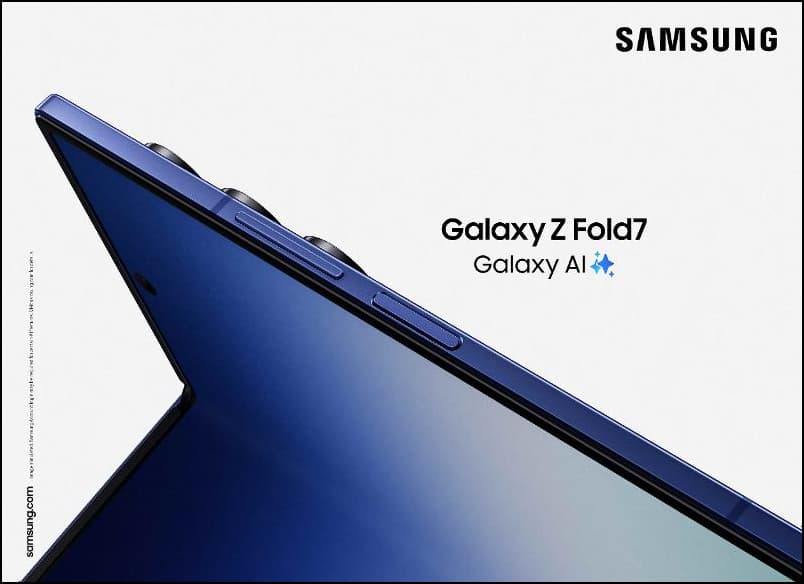
Design and portability are where a Galaxy Z Fold 8 upgrade is most noticeable on paper.
The shorter closed height is the clearest Fold 8 change for pocket and bag carry. Fold 8’s 123.9 mm folded height sits much lower than Fold 7’s 158.4 mm tall strip, which can make the closed phone feel closer to a compact conventional flagship in vertical space. The trade-off is width and thickness: Fold 8’s 81.9 mm folded width and 9.7 mm folded stack ask for more lateral room than Fold 7’s 72.8 × 8.9 mm closed body.
Weight helps Fold 8. At 201 g versus 215 g, the newer phone is 14 g lighter — a modest but real carry difference over a full day, not a transformation from foldable to compact phone. Folded usability follows the same redesign: Fold 8’s wider, shorter cover proportions favor one-handed reach across a shorter vertical span, while Fold 7 keeps the taller cover height many owners already learned.
If your Fold 7 complaint is tall-pocket bulk or awkward cover reach, Fold 8 addresses those proportions directly. If your Fold 7 complaint is folded thickness, Fold 8 is not the thinner closed phone.
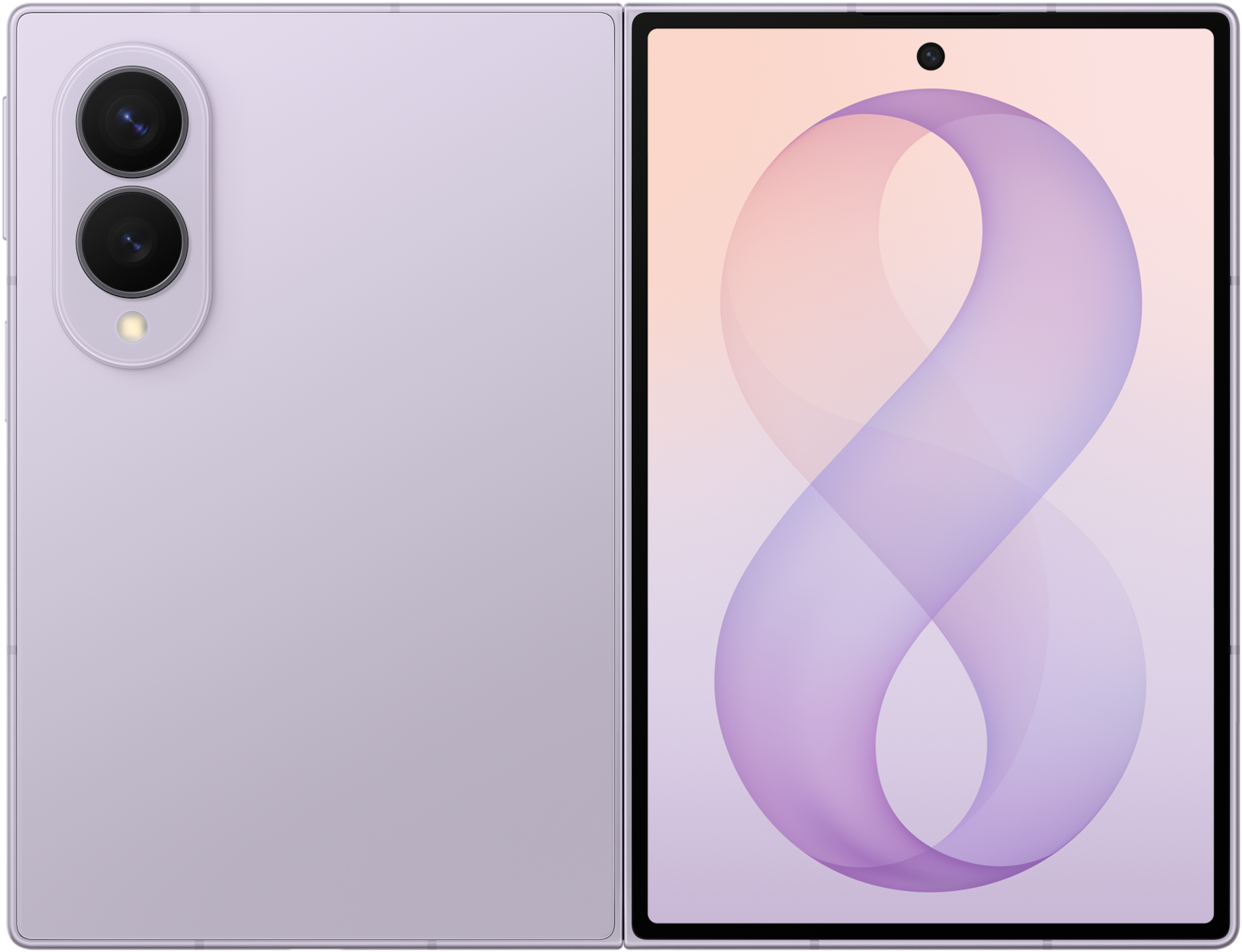
Available colors: Galaxy Z Fold8
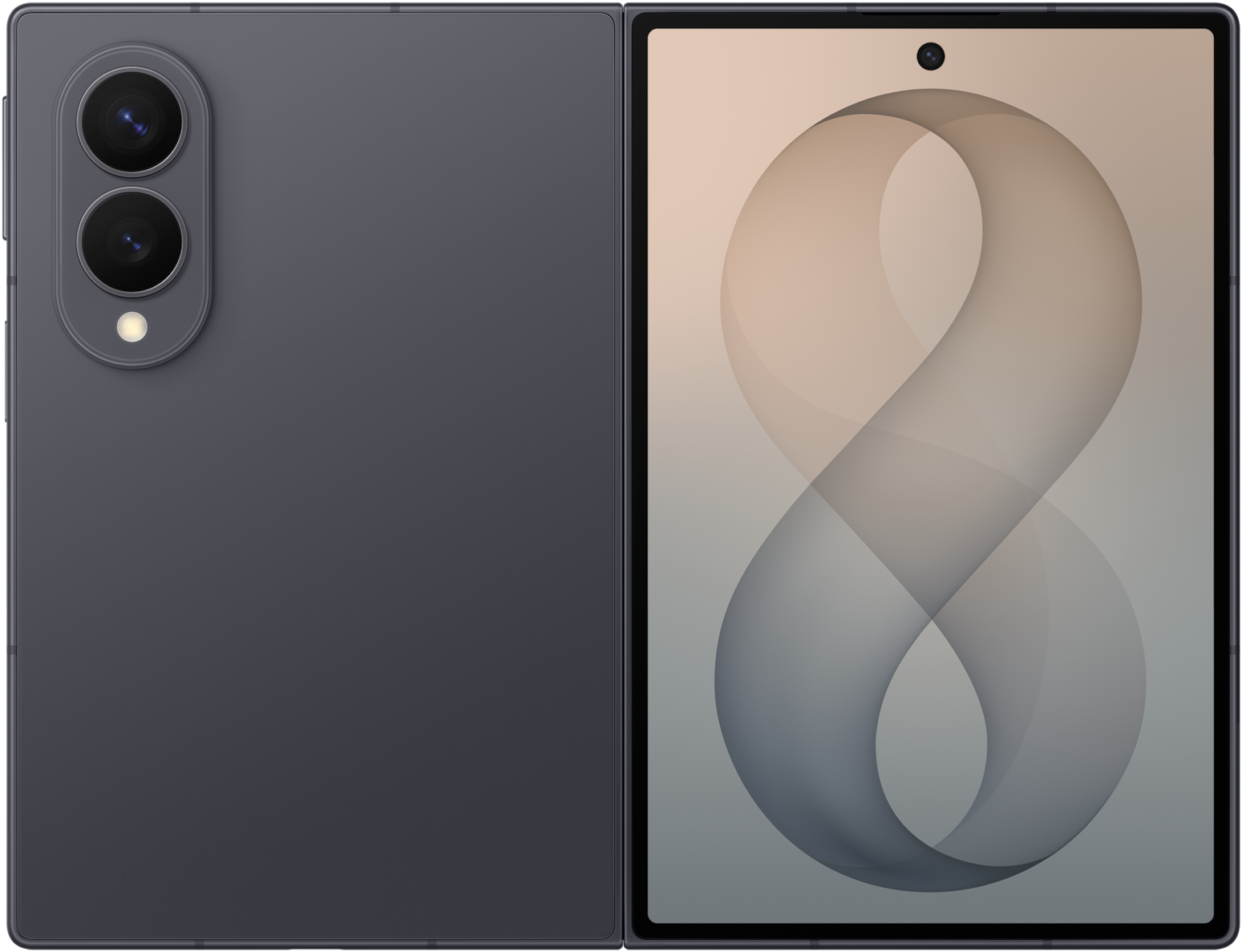
Graphite 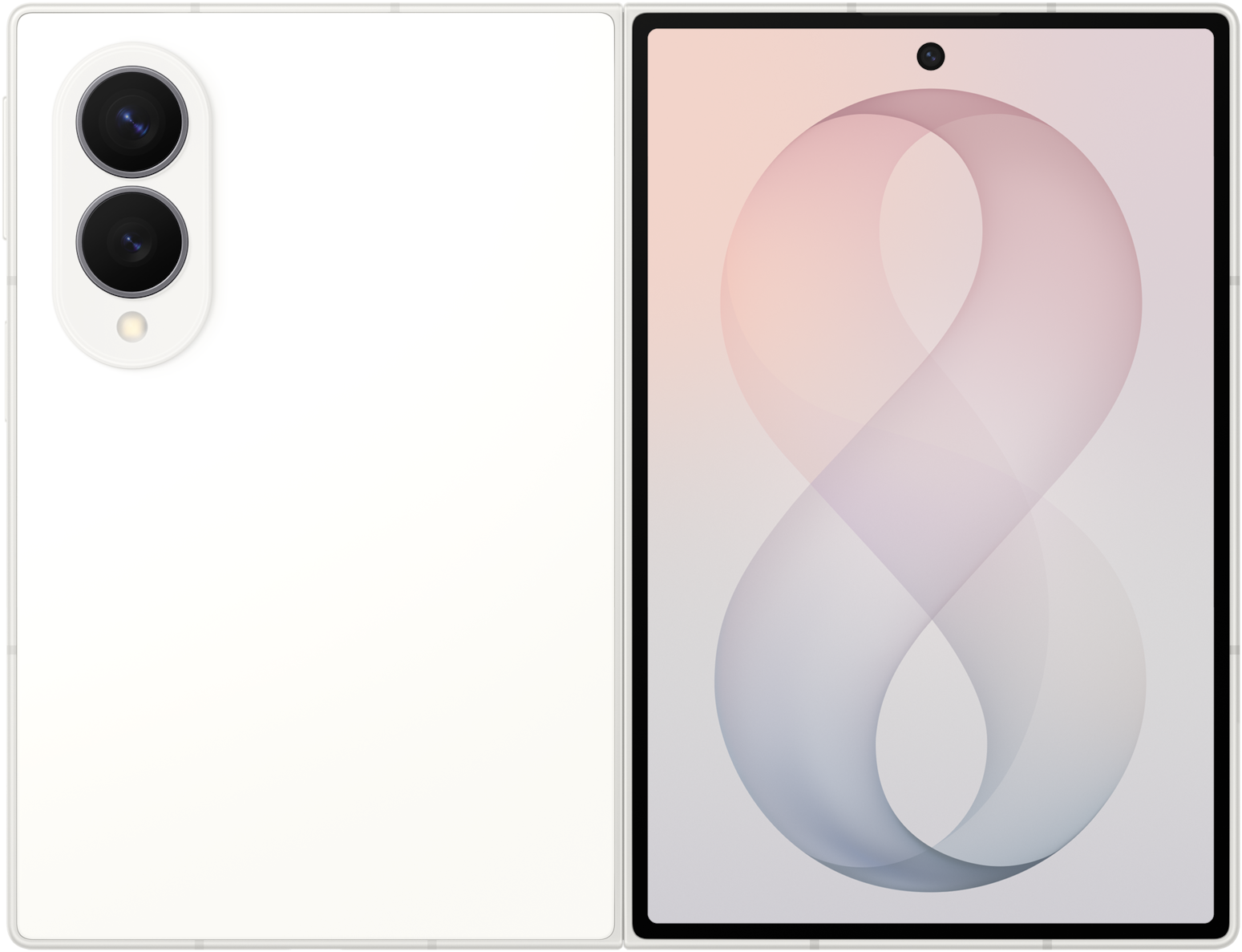
Cream 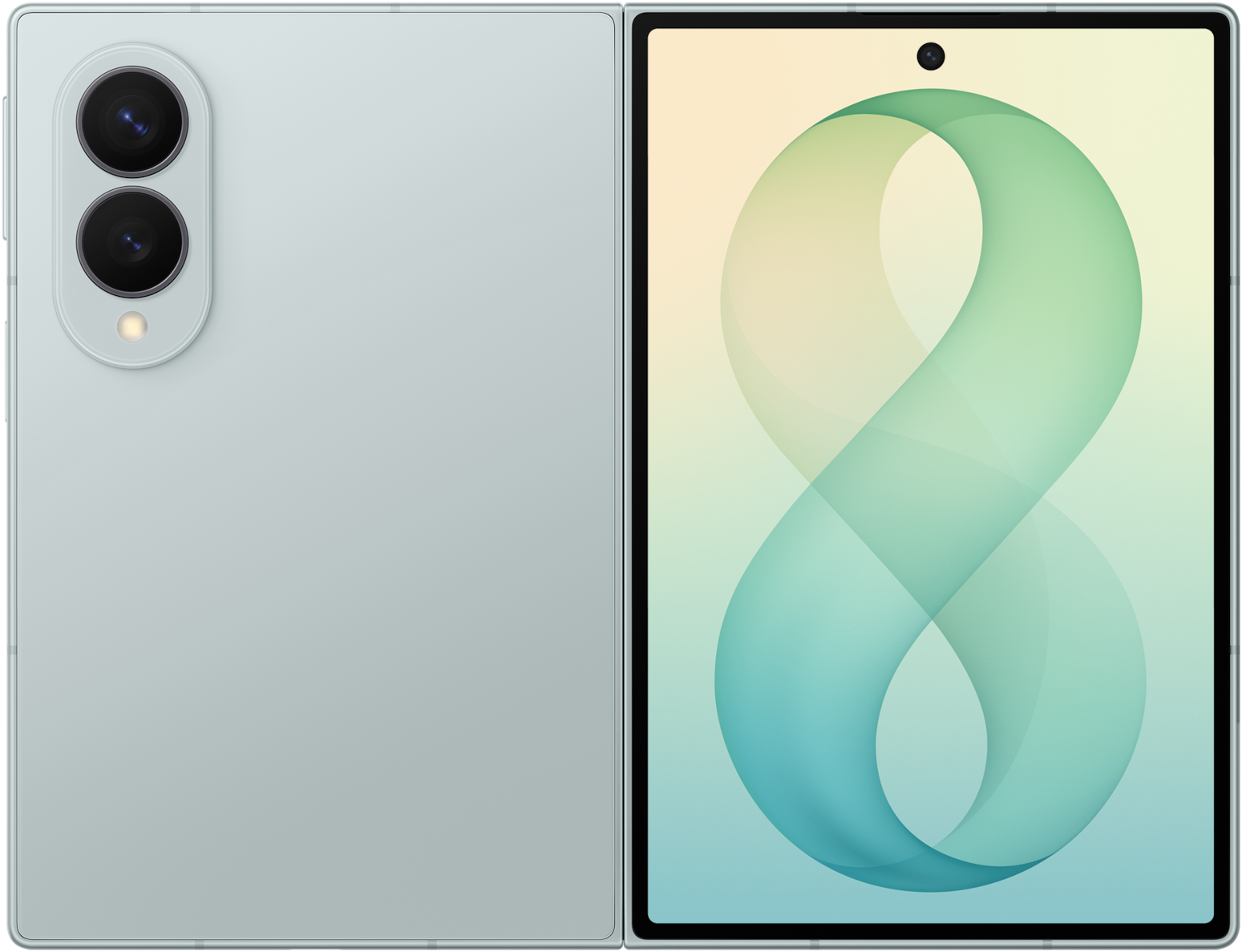
Pistachio
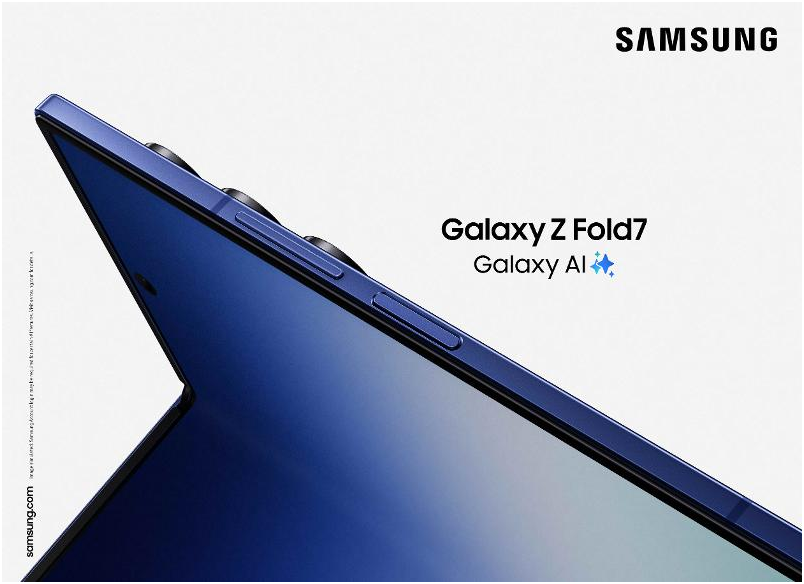
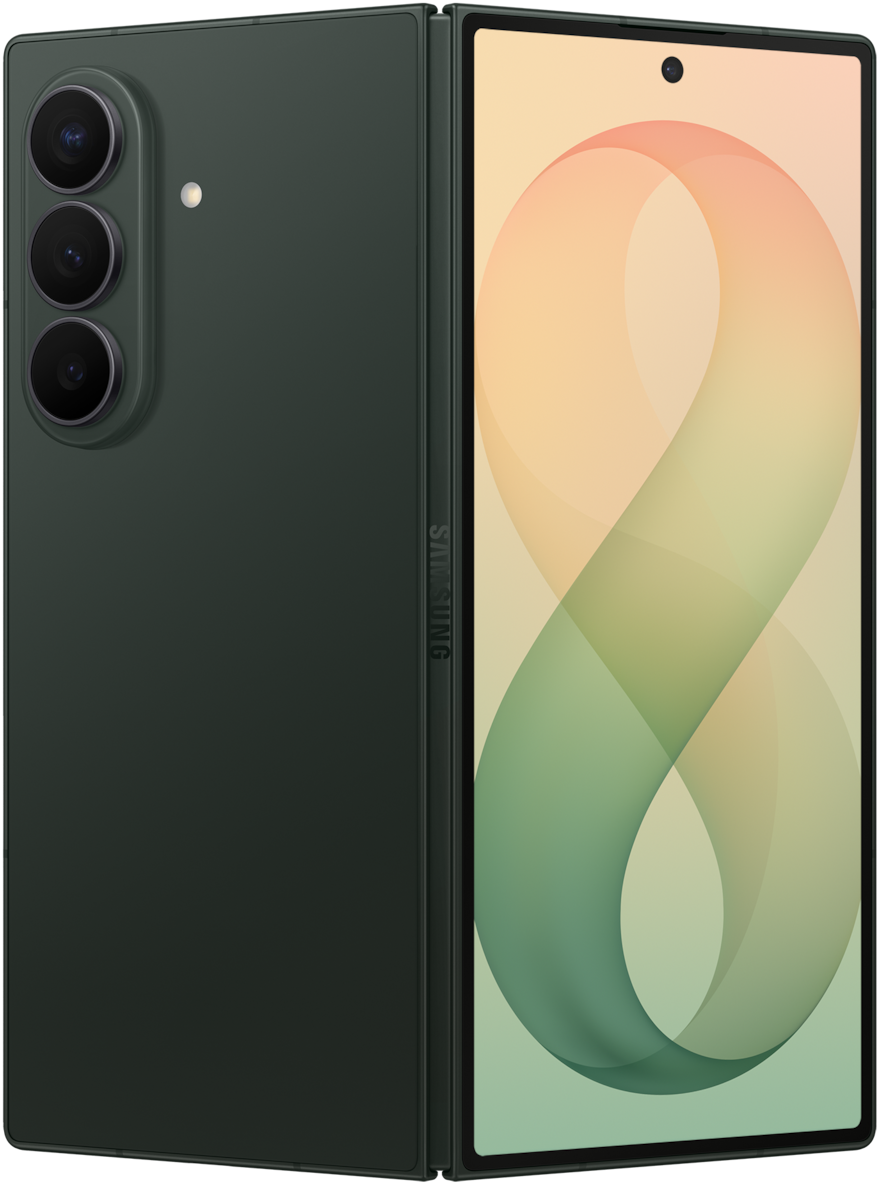
Available colors: Galaxy Z Fold7
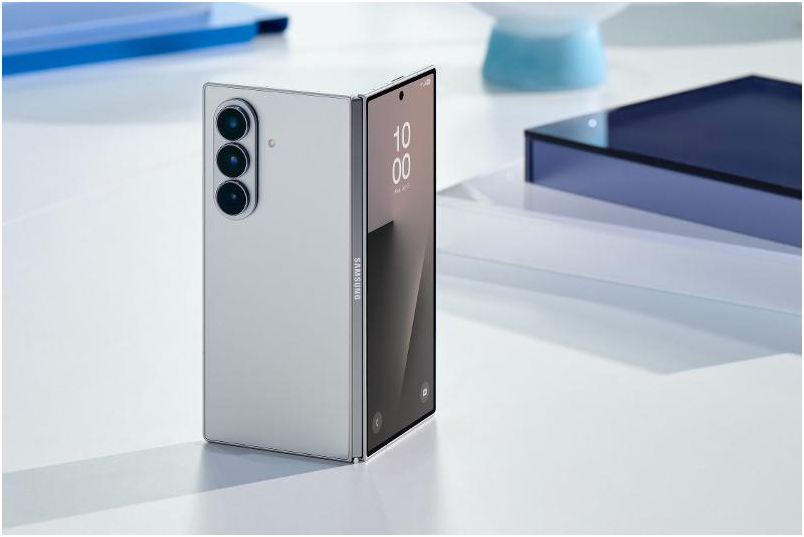
Titanium Silver Blue 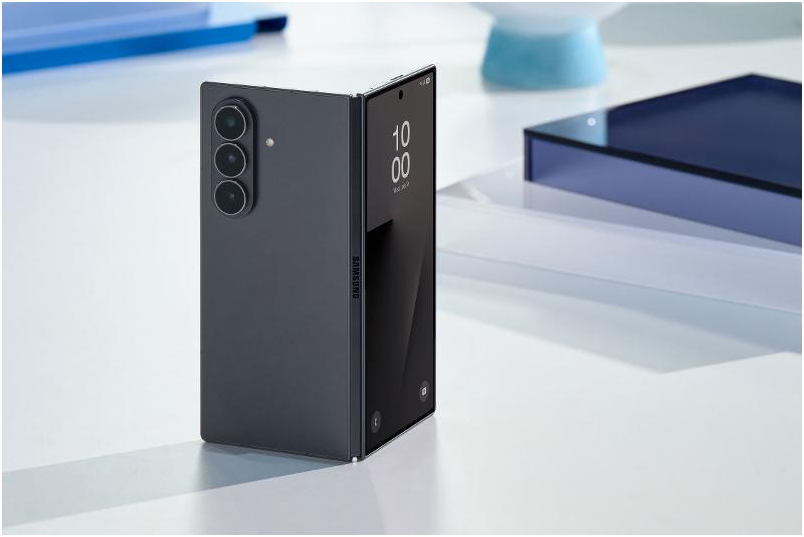
Jet Black
Display and multitasking
Display and multitasking do not give Fold 7 owners a larger unfolded workspace.
Fold 8’s inner display is 7.6 inches versus Fold 7’s 8.0 inches. Peak brightness rises from 2,600 nits to 3,000 nits, which is a confirmed rating change, not a measured outdoor-visibility guarantee. Fold 8’s open body is wider and shorter, so the inner canvas is shaped more squarely; Fold 7 keeps the larger diagonal and taller open footprint.
For daily productivity, that means Fold 8 can feel different for media and cover-first routines without offering more absolute multitasking space than Fold 7. Split apps, documents, and long reading sessions still have a size argument on Fold 7’s larger main panel. Fold 8’s stronger case is cover-screen daily use plus a brighter peak-rated inner panel, not a bigger tablet plane.
Open Galaxy Z Fold8 and Galaxy Z Fold7 side by side in the Sizometry size comparison tool.
Open size comparisonPerformance
Performance changes are incremental on the verified record. Fold 8 uses Snapdragon 8 Elite Gen 5 for Galaxy; Fold 7 used Snapdragon 8 Elite for Galaxy. Both offer overlapping 12 GB and 16 GB RAM options with storage through 1 TB, depending on market. That is a confirmed platform step. It is not evidence that Fold 7 suddenly feels slow for messaging, browsing, media, or common split-screen work.
Cameras and battery
Keep cameras and battery secondary in this Fold 7 vs Fold 8 upgrade decision.
Fold 8 drops Fold 7’s dedicated 3x telephoto and moves from a 200 MP wide plus 12 MP ultrawide to a dual 50 MP wide and ultrawide setup with 2x optical-quality zoom on the main camera. Both keep 10 MP cover and inner selfie cameras. Photography flexibility is not a Fold 8 win for owners who rely on optical zoom.
Battery capacity and charging move in Fold 8’s favor on paper: 4,800 mAh typical with 45W wired and 20W wireless charging, versus Fold 7’s 4,400 mAh typical and 25W wired charging. Those are confirmed hardware changes. Real-world endurance still depends on brightness, radio conditions, and how often each display stays awake.
See the full specification comparison for Galaxy Z Fold8 vs Galaxy Z Fold7.
Compare Galaxy Z Fold8 vs Galaxy Z Fold7Reasons to upgrade
Upgrade to Galaxy Z Fold 8 if the redesign matches problems you already feel on Fold 7.
• You want a shorter closed height and wider cover proportions for one-handed messaging and cover-first use • Lower Fold 8 weight and a lighter daily carry matter more than Fold 7’s thinner folded stack • You want the newer Snapdragon platform, larger battery capacity, and faster wired charging for longer ownership • You prefer Fold 8’s brighter peak-rated main display even if the inner diagonal is smaller • You are already planning a hardware refresh and want the current standard Fold shape rather than staying on the tall Fold 7 silhouette
In those cases, Is Fold 8 worth upgrading becomes a yes because the Galaxy Z Fold 8 vs Fold 7 differences change how the closed phone feels in hand and pocket.
Reasons to keep the Fold 7
Keep Galaxy Z Fold 7 if the practical gains do not outweigh what you already like.
• Fold 7’s performance already feels sufficient for your apps and multitasking • You prefer the taller cover, larger 8.0-inch inner display, and thinner 8.9 mm folded body • You rely on Fold 7’s dedicated 3x telephoto camera • The 14 g weight drop, chipset step, and charging bump feel minor next to the cost of replacing a working foldable • You are happy with Fold 7’s proportions and only want continuity rather than a wider redesign
Fold 8 is a form-factor change with trade-offs. Small numerical gaps should not be read as a radical leap.
Verdict
Is the Galaxy Z Fold 8 a worthwhile upgrade for current Fold 7 owners? It can be — when you specifically want the shorter, wider closed phone, lighter carry, and cover-first proportions. It is not an automatic upgrade for every Fold 7 owner. Fold 7 still wins on absolute inner-display size, folded thinness, tall-cover familiarity, and telephoto hardware. If Fold 7 already fits your pocket and productivity habits, keeping it remains a confident choice.