Insights
GUIDE
Confirmed
Is the Galaxy Z Fold 8 Too Big and Heavy? Size Explained
Wondering whether the Galaxy Z Fold 8 is too large for everyday use? See how its dimensions, thickness, weight and folded design affect portability and daily comfort.
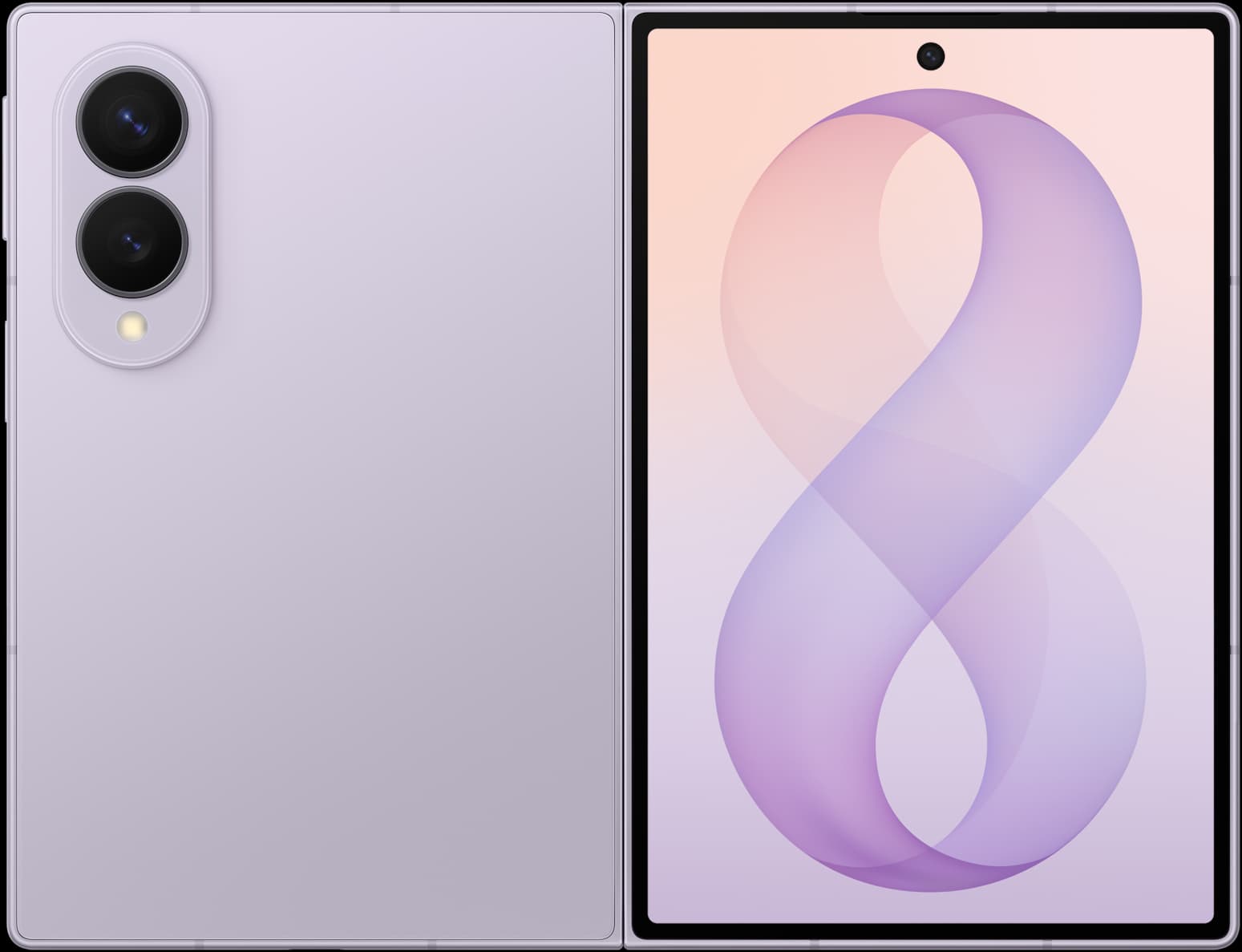
Galaxy Z Fold 8 dimensions explained
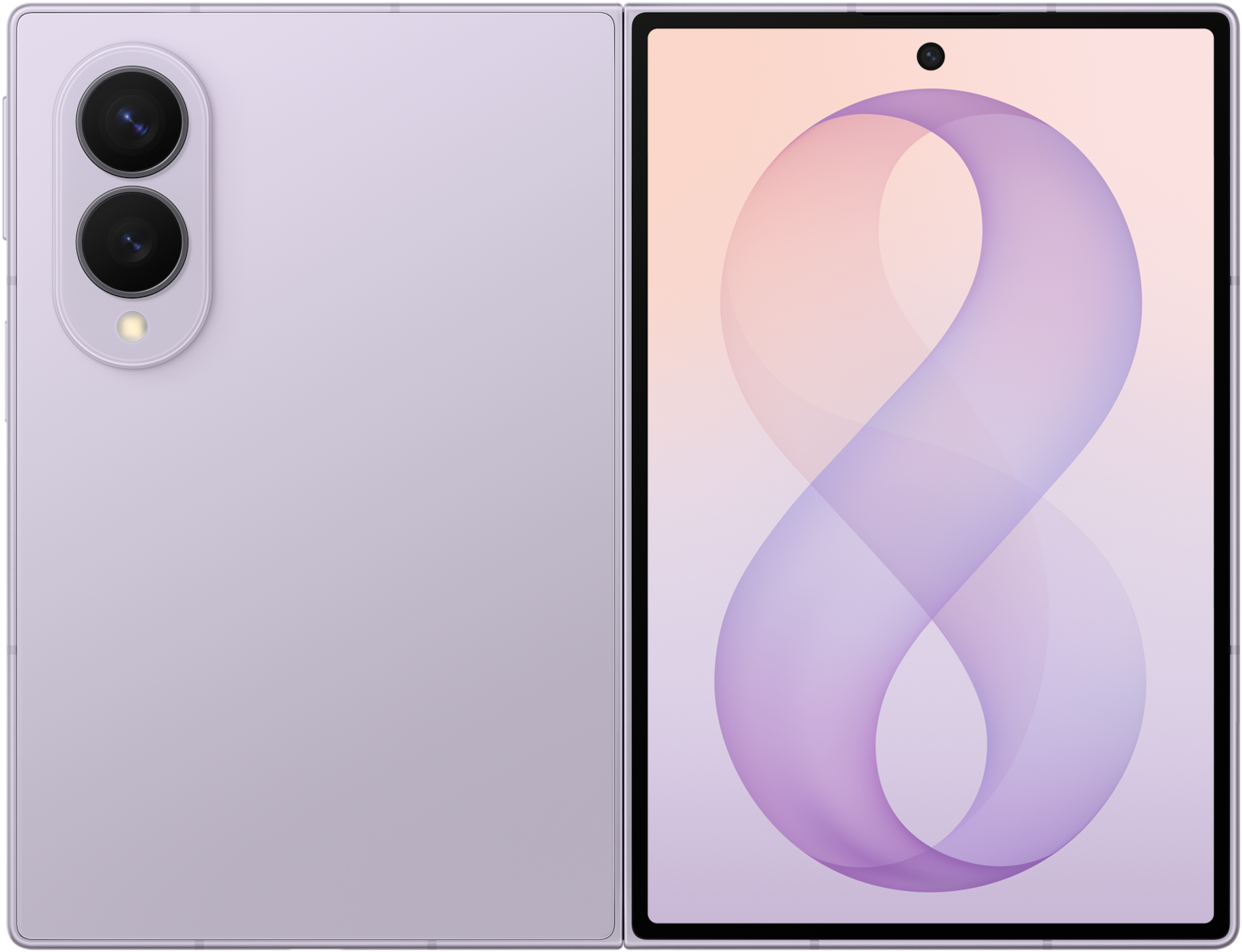
Sizometry’s catalog lists Galaxy Z Fold8 at 81.9 × 123.9 × 9.7 mm folded and 161.4 × 123.9 × 4.5 mm unfolded, with a weight of 201 g.
Read that as three separate signals:
• Folded footprint — 81.9 mm wide and 123.9 mm tall. The closed phone is short for a modern flagship height and comparatively wide side to side. • Folded thickness — 9.7 mm. That is the hinge stack you feel in a pocket or bag, not the open tablet thickness. • Unfolded plane — 161.4 mm wide, still 123.9 mm tall, and only 4.5 mm thick. Opening the phone trades pocket bulk for a wide, thin workspace.
Display sizes match that split. The cover is a 5.5-inch Dynamic AMOLED 2X panel at 1972 × 1248. The main display is 7.6 inches at 2448 × 1848. Both run at 120 Hz. In practical terms, cover-screen use is the daily phone mode; the inner panel is the reading and multitasking mode.
Explore device details
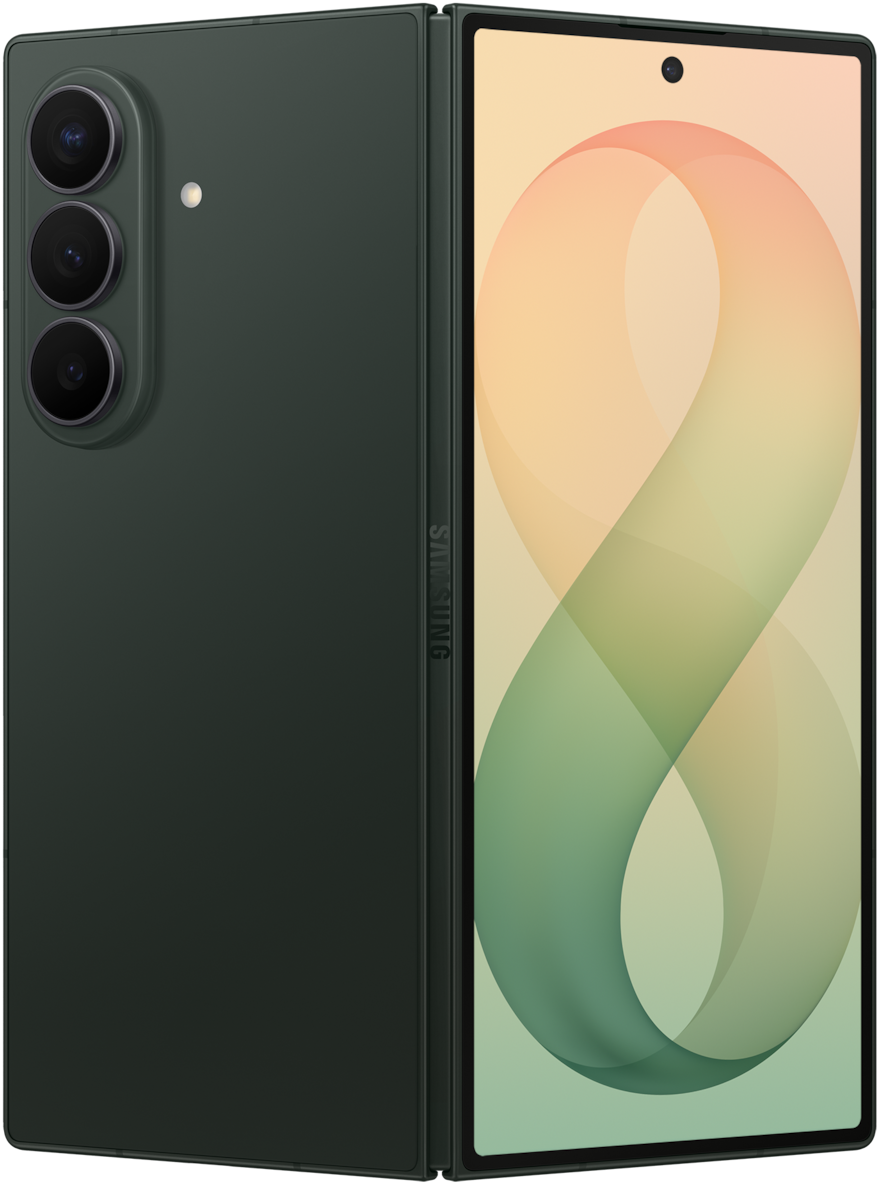
Available colors: Galaxy Z Fold8
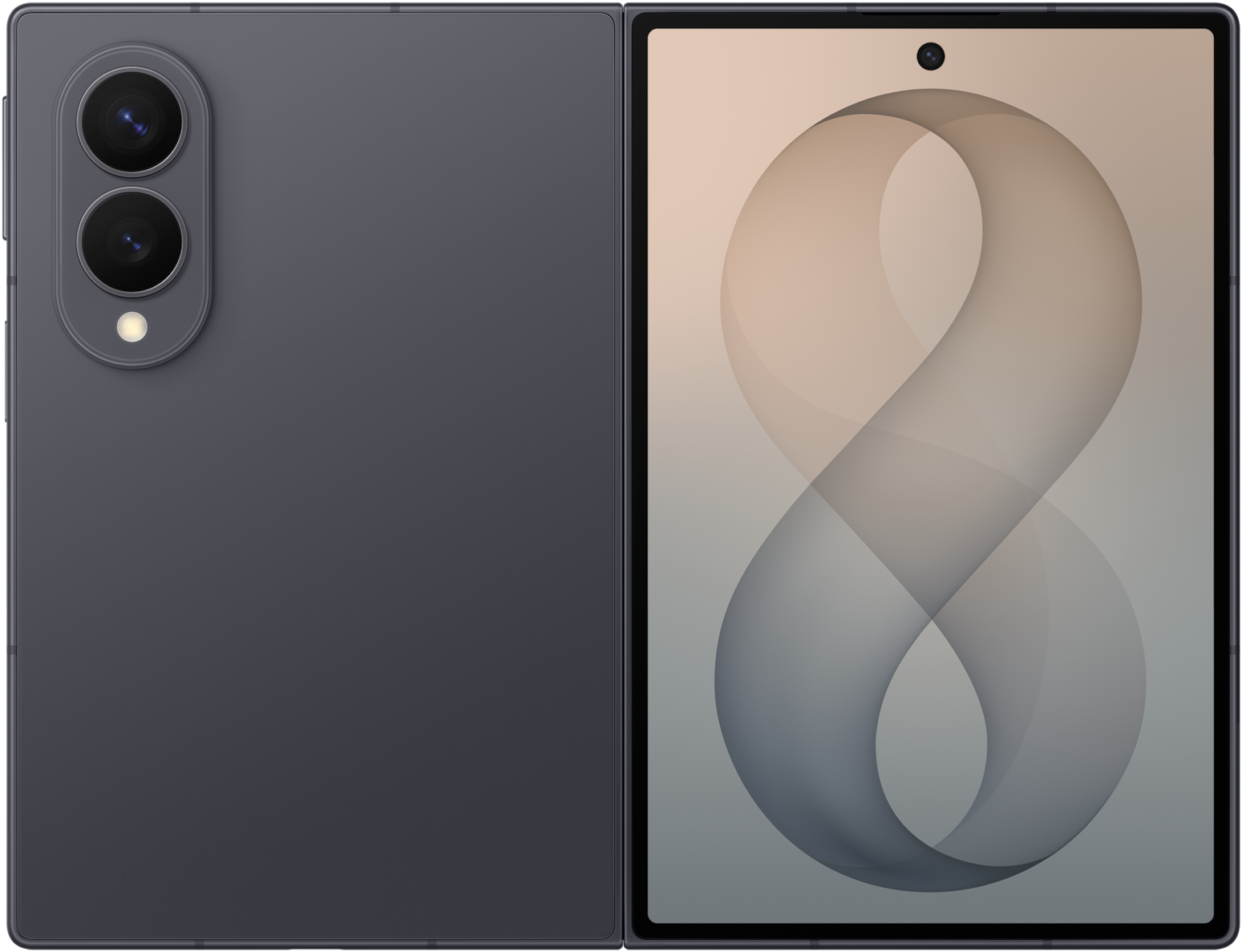
Graphite 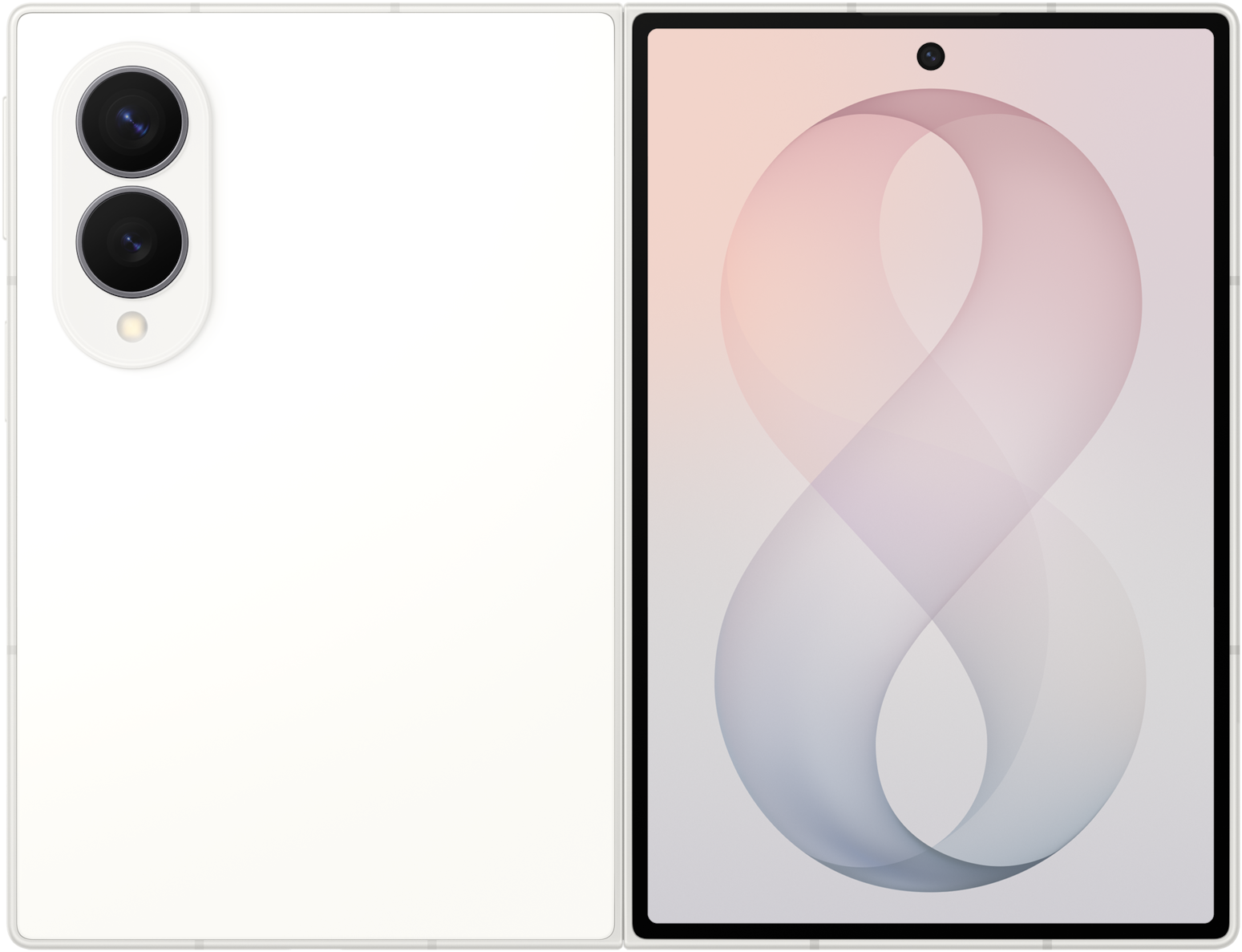
Cream 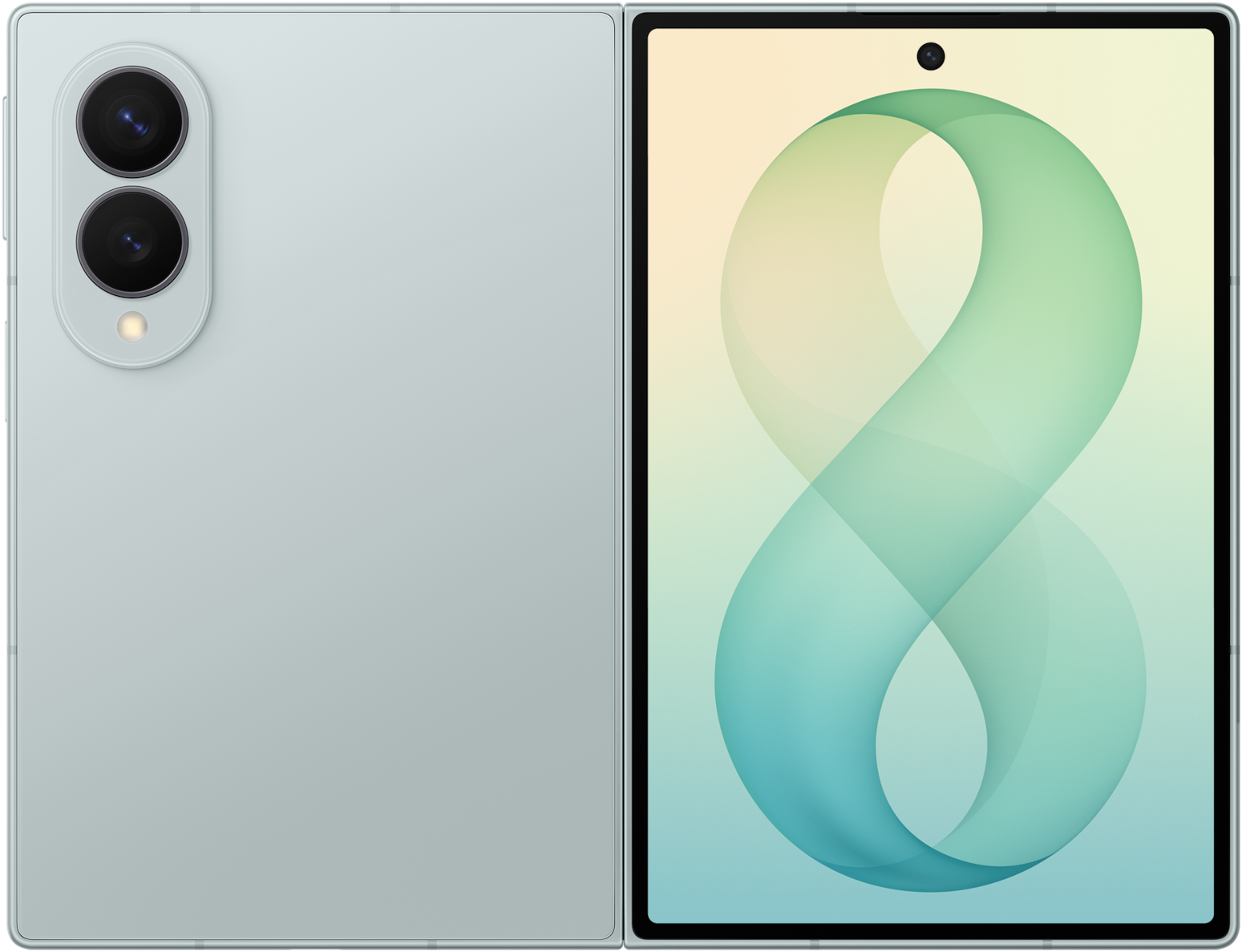
Pistachio
Does it fit comfortably in a pocket?
Pocket fit for Fold 8 size is mostly about closed height, width, and thickness — not the open tablet dimensions.
The 123.9 mm folded height is the friendliest pocket number on the sheet. Shorter closed height usually means less phone hanging into a jeans seam and an easier reach when the device sits near the top of a pocket. That is the strongest argument against calling Fold8 “too tall” for everyday carry.
Width and thickness push the other way. At 81.9 mm folded width and 9.7 mm folded thickness, Fold8 occupies more side-to-side and front-to-back space than a typical thin slab phone. Tight front pockets, skinny jeans, and slim cases will notice the blockier closed stack before they notice the short height. Jacket pockets, coat pockets, and bags are more forgiving because height is compact and the open tablet mode only matters when you take the phone out.
So pocketability is a trade, not a failure: shorter closed height, thicker and wider closed body. If your current phone already feels thick at under 8 mm, Fold8’s 9.7 mm folded stack is the measurement most likely to decide whether it feels too big in fabric.
Is it too heavy for daily use?
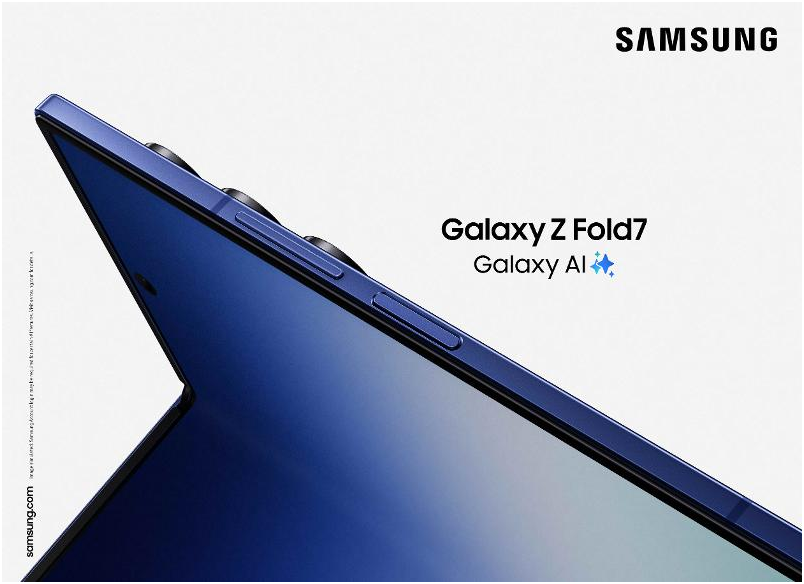
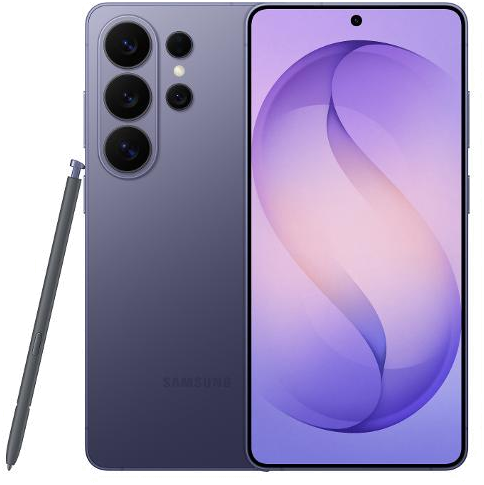
Galaxy Z Fold 8 weight is 201 g. Against other large Samsung phones in the same catalog generation, that figure is not an outlier on the heavy side. Galaxy Z Fold7 and Galaxy Z Fold8 Ultra both list 215 g. Galaxy S26 Ultra lists 214 g. On mass alone, Fold8 is the lighter of those options.
“Is Galaxy Z Fold 8 heavy?” therefore depends less on raw grams and more on how the mass is packaged. A 201 g foldable still concentrates weight into a shorter, thicker brick when closed. Some people notice that blocky density more than a longer, thinner 214 g Ultra phone. Others notice only that Fold8 undercuts older tall Folds on the scale.
For carrying comfort over a full day, 201 g is within normal large-phone territory. If weight alone is your worry, the catalog number does not support calling Fold8 unusually heavy. If thickness-plus-weight together is your worry, the 9.7 mm folded stack is the sharper concern than the 201 g label.
One-handed usability
One-handed use on Fold8 is really cover-display use. The closed phone puts a 5.5-inch cover in front of you on a 123.9 mm-tall body. That shorter vertical span is the measurement that helps one-handed reach for notifications, messaging, and quick scrolling. Thumbs travel a shorter top-to-bottom distance than on tall Fold covers that sit near 158 mm closed height.
One-handed control of the unfolded 7.6-inch main display is a different question. At 161.4 mm open width, the inner panel is a two-handed canvas for most grips. Treat unfolded Fold8 as tablet-scale interaction: hold with both hands, rest it, or use a surface. The measurements support one-handed folded habits far more than one-handed open habits.
Typing follows the same split. Cover typing happens on the wider, shorter outer display proportions. Inner typing and document work happen on the 7.6-inch 4:3-class main panel, where the extra width helps on-screen keyboards and split layouts more than single-thumb reach.
Open vs folded experience
Folded Fold8 is the pocket phone: 81.9 × 123.9 × 9.7 mm, 5.5-inch cover, 201 g. That mode is for the jobs people do most often — messages, maps, short browsing, social feeds — without opening the hinge.
Unfolded Fold8 is the productivity and reading plane: 161.4 × 123.9 × 4.5 mm with a 7.6-inch main display. Open thickness drops to 4.5 mm, so the device becomes a wide, thin slab rather than a thick brick. Reading long articles, PDFs, and documents benefits from the larger inner diagonal and the shorter-tall, wider canvas. Multitasking benefits from the same width: side-by-side apps need horizontal space that a conventional single-display phone cannot match without floating windows or constant switching.
Daily practicality is the habit of switching between those two modes. If you mostly stay folded, Fold8 size is judged as a short, wide, fairly thick phone. If you unfold often for reading and split-screen work, the “too big” question flips: the large inner display is the point, and the folded thickness is the cost of carrying that workspace.
Who will find it too large?
Fold8 will feel too large if your priorities clash with the closed measurements:
• You need the thinnest possible pocket profile and already dislike phones near 9–10 mm thick • Your preferred pockets are tight front jeans pockets where 81.9 mm width and 9.7 mm thickness stack into an obvious brick • You want a conventional tall slab silhouette rather than a short, wide foldable body • You rarely unfold, so you pay for hinge volume without using the 7.6-inch main display enough to justify it • You expect comfortable one-handed use of the open tablet plane — the 161.4 mm open width does not support that for most people
In those cases, “too big” usually means “too thick or too wide when closed,” not “too heavy,” because 201 g is not the outlier on the sheet.
Who will appreciate the larger size?
The same measurements look intentional if your day needs the open canvas and a shorter closed height:
• You want a closed phone that sits higher in a pocket because of the 123.9 mm folded height • You value a wider cover for typing and everyday apps more than a tall, narrow Fold strip • You regularly read, write, or multitask and can use a 7.6-inch inner display • You care about carry mass and prefer 201 g over heavier large phones in the same catalog range • You accept a thicker folded stack as the price of an open tablet-like plane that is only 4.5 mm thick
For that buyer, Fold8 is large where it is supposed to be large — unfolded width and inner screen area — and compact where older Folds were tall.
Verdict
Is the Galaxy Z Fold 8 too big and heavy for everyday use? On verified measurements, it is not unusually heavy at 201 g, and it is not especially tall when folded at 123.9 mm. The real size debate is the 81.9 mm folded width and 9.7 mm folded thickness versus the 7.6-inch open workspace those dimensions unlock.
If your day is pocket-first and thickness-sensitive, Fold8 can feel too big even though the scale reading is moderate. If your day needs cover-screen phone habits plus frequent reading or multitasking, the same Fold 8 dimensions look like a deliberate short-wide foldable rather than an oversized brick. Start with how you carry a phone closed, then decide whether you will use the open 161.4 × 123.9 × 4.5 mm plane often enough to justify the folded stack.