Insights
RUMOR
Rumor
iPhone 18 Pro Size: Expected Dimensions and Thickness
Expected iPhone 18 Pro dimensions and thickness explained: Pro vs Pro Max size differences, camera bump impact, and iPhone 17 Pro comparison. Unconfirmed.
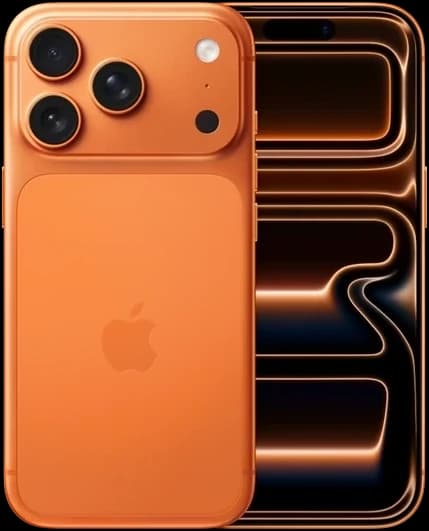
Quick Answer
• Expected Pro display size — 6.3-inch class • Expected Pro Max display size — 6.9-inch class • Expected body thickness — disputed; near-current slab continuity stronger than thicker-chassis claims • Expected weight direction — not reliably quantified; cameras and batteries could nudge mass up • Camera bump status — expected to grow locally; exact maximum millimeters uncertain • Overall size change — incremental footprint continuity, not a new size class • Confidence level — display continuity medium–high; body millimeters low; bump direction medium
Expected iPhone 18 Pro Dimensions
Sizometry’s catalog baseline for iPhone 17 Pro is 150 × 71.9 × 8.75 mm, 206 g, with a 6.3-inch display. Rumored iPhone 18 Pro dimensions should be read against that sheet.
Expected measurements for iPhone 18 Pro (not Apple-confirmed):
• Height — Near 150 mm (continuity with iPhone 17 Pro) — Medium • Width — Near 71.9 mm (continuity with iPhone 17 Pro) — Medium • Body thickness — Disputed; near 8.75 mm continuity is the stronger everyday packaging reading, while thicker-slab claims remain unresolved — Low • Maximum camera thickness — Directionally thicker camera plateau expected; exact Pro millimeters Not reliably known — Low–Medium for direction only • Weight — Not reliably known • Display size — 6.3-inch class expected — Medium–High
Near 150 × 71.9 mm keeps a familiar mid-size Pro grip.
Explore device details
Expected iPhone 18 Pro Max Dimensions
Sizometry’s catalog baseline for iPhone 17 Pro Max is 163.4 × 78 × 8.75 mm, 233 g, with a 6.9-inch display.
Expected measurements for iPhone 18 Pro Max (not Apple-confirmed):
• Height — Near 163.4 mm; some estimates allow a sub-millimeter increase — Medium continuity / Low exact delta • Width — Near 78 mm; any sub-millimeter growth remains provisional — Medium continuity / Low exact delta • Body thickness — Same dispute as Pro: near-current slab continuity versus thicker-chassis claims — Low • Maximum camera thickness — Directionally thicker; Sizometry working estimate places including-lenses depth above the current Max high-12 mm class, with mid-13 mm class figures still unconfirmed — Low–Medium • Weight — Not reliably known • Display size — 6.9-inch class expected — Medium–High
A taller camera plateau can change desk rock, case depth, and landscape balance before the marketed diagonal does.
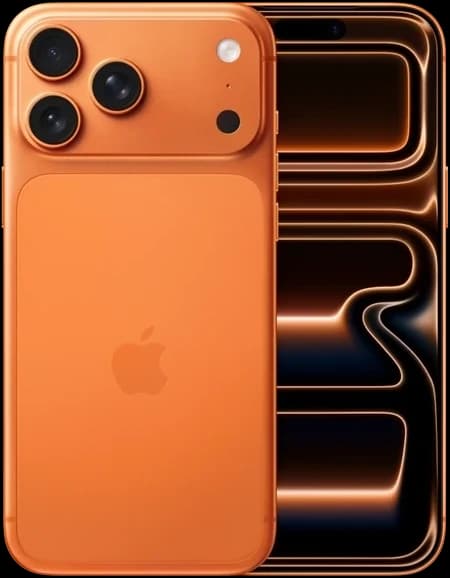
iPhone 18 Pro vs iPhone 17 Pro Size
Sizometry catalog figures for iPhone 17 Pro:
• Height — 150 mm • Width — 71.9 mm • Thickness — 8.75 mm (body) • Weight — 206 g • Display size — 6.3 inches • Camera bump / maximum thickness — not published as a separate catalog measurement; everyday thickness is the 8.75 mm slab plus the raised plateau
Rumored iPhone 18 Pro comparison (provisional):
• Footprint — expected near the same height × width class • Body thickness — unconfirmed; near-8.75 mm continuity competes with thicker-body rumors • Camera bump — likely the more noticeable year-over-year change if main-camera packaging grows • Weight — not reliably known • Difference in footprint — likely tenths of a millimeter if molds move at all • Difference in one-handed reach — near 71.9 × 150 mm should feel familiar; plateau balance can still change palm seating
iPhone 17 Pro numbers are catalog facts; iPhone 18 Pro numbers are expectations only.
iPhone 18 Pro Max vs iPhone 17 Pro Max
Sizometry catalog figures for iPhone 17 Pro Max:
• Height — 163.4 mm • Width — 78 mm • Thickness — 8.75 mm (body) • Weight — 233 g • Display size — 6.9 inches • Camera bump / maximum thickness — not a separate Sizometry catalog field; the raised plateau already defines practical desk thickness
Rumored iPhone 18 Pro Max comparison:
• Footprint — expected to remain Max-class; some estimates allow only sub-millimeter growth • Body thickness — same unresolved slab dispute as Pro • Camera bump — local growth is the more consistent story; estimated max thickness sits above the current high-12 mm including-lenses class • Weight — not reliably known • Difference in footprint — continuity first; a sub-millimeter delta is not a new size story • Difference in one-handed reach — Pro Max already asks for two hands; a familiar 78 mm-class width keeps that intact
Open iPhone 17 Pro and iPhone 17 Pro Max side by side in the Sizometry size comparison tool.
Open size comparisonCould the Body Become Thicker?
Possibly — but body slab thickness and maximum camera thickness are different measurements, and rumor sets have mixed them.
Larger sensors and more ambitious optics usually pressure the rear plateau first. A possible variable aperture adds mechanical depth behind the main lens — a strong reason for a taller bump even when the outline stays familiar. A larger battery can justify a thicker sandwich only if Apple chooses whole-body volume over local camera packaging. Cooling hardware, aluminum framing, internal rearrangement, and thinner bezels can each reshape the stack or the screen-to-body impression without proving a thicker chassis.
Responsible reading: local camera depth is more consistently expected to grow than the entire body. Thicker-slab claims remain unresolved, and Apple has not confirmed either outcome.
Camera Bump Analysis
Separate body thickness (the 8.75 mm slab on current Pro models in Sizometry’s catalog) from maximum thickness (slab plus plateau plus lens protrusion on a table).
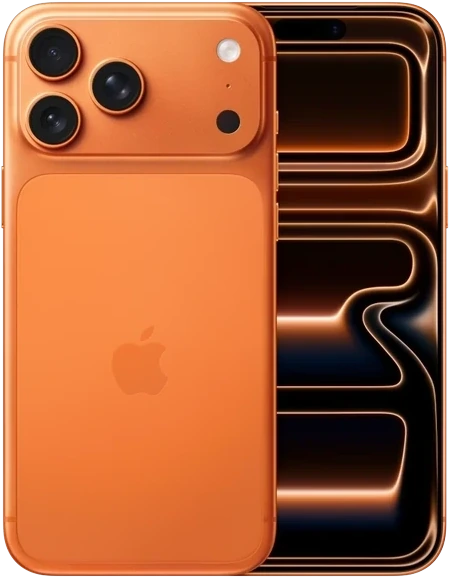
A taller bump changes perceived thickness faster than a small slab change. Desk rock tracks the plateau; pockets feel a local pressure point; cases often follow the camera window more than the marketing slab. Pro and Pro Max could share the same optical story while differing slightly in plateau footprint. Extra mass high on the back can make landscape video feel camera-heavy even when total grams barely move. Everyday handling may hinge more on bump status than on whether the body stays near 8.75 mm.
Display Size vs Body Size
Expected displays stay in the 6.3-inch Pro and 6.9-inch Pro Max classes, but that does not freeze the exterior. Bezels, edge radius, and corner curvature can change how wide the phone feels even when caliper width matches. A smaller front cutout — explored in Sizometry’s under-display Face ID rumors Insight — can raise usable display impression without a new diagonal.
One-Handed Use
One-handed comfort stacks width, height, weight, edge shape, center of gravity, camera bump, case thickness, and reachability. Near 71.9 mm width keeps Pro in the reachable mid-size band; 150 mm-class height still challenges smaller hands at the top corners. Unknown weight and a rearward camera mass can change fatigue even when the outline is familiar. Cases often add more daily depth than any rumored slab delta. If the Pro footprint stays near iPhone 17 Pro, habits should transfer; if the bump grows, balance and case bulk show up first.
Pocketability
Front jeans pockets punish height and local thickness: a Max-class ~163 mm phone already sits deep, and a taller camera island can press forward when you sit. Jacket pockets forgive height more easily and notice slab-plus-case depth instead. A taller bump plus a rugged case can feel like a different carry class than the same phone with a slim bumper. Pocketability will likely track case choice and camera depth as much as the published body sheet.
Weight Trade-Offs
No reliable public weight sheet replaces Sizometry’s iPhone 17 Pro figures (206 g and 233 g). Do not invent grams. Frame material, battery mass, camera modules, cooling hardware, display stack, and internal stiffeners can each move the scale. More ambitious cameras and any larger cell push mass upward unless Apple offsets elsewhere. Distribution may matter more than scale weight: a camera-heavy upper third changes landscape fatigue even when the kitchen scale barely moves.
Battery and Thermal Implications
Size and thickness are energy and heat envelopes. A thicker slab can host a larger cell or thicker thermal hardware; a same-slab phone with a taller bump may improve optics while constraining battery volume beside the module. Sustained camera, 5G, and gaming loads still depend on how heat leaves the shell. Do not treat unpublished capacity claims or benchmarks as confirmed. The practical question is whether volume goes to cameras, cells, or cooling — and whether that shows up as whole-body thickness or a local plateau.
Who Should Consider Waiting?
Waiting may fit if you want the latest Pro cameras but find Pro Max too large; prioritize grip and weight balance over a bigger diagonal; already find the current Pro thick or camera-heavy; or want a cleaner front more than a new size tier.
Waiting may be unnecessary if you already like iPhone 17 Pro size; care more about price than packaging rumors; see the expected change as too small to justify delay; or prioritize battery life and prefer published endurance figures over thickness rumors.
Use Sizometry’s comparison tool, the iPhone 17 Pro and iPhone 17 Pro Max device pages, and the methodology page to separate catalog measurements from unconfirmed estimates.
Sizometry Analysis
Judged on display size, exterior footprint, body thickness, weight, camera bump, case-inclusive practical thickness, one-handed use, pocketability, and Pro versus Pro Max feel, the coherent picture is continuity with targeted rear growth — not a redesigned size class.
Display classes should stay near 6.3 / 6.9 inches. Exterior footprints should stay near current Pro models. Treat body slab and camera maximum as separate stories: slab continuity is plausible, bump growth is more consistently expected, and dramatic whole-body thickening remains contested. Weight is unknown in grams. Camera bump is the usability hinge; case-inclusive thickness likely rises with bump windows even when the marketing slab looks familiar. Pro should remain the reachable option near 71.9 mm width; Max height still dominates jeans carry. The Pro versus Pro Max gap remains larger than any rumored Pro-to-Pro tweak.
Core reading: real-world feel may hinge less on the printed diagonal and more on width, mass distribution, bump depth, and frame geometry.
Frequently Asked Questions
How big will the iPhone 18 Pro be? Apple has not confirmed final dimensions. Current expectations keep the phone near today’s mid-size Pro footprint — about 150 × 71.9 mm on iPhone 17 Pro in Sizometry’s catalog — rather than a new size class. Display class is expected near 6.3 inches. Exact millimeter sheets remain provisional.
What are the expected iPhone 18 Pro dimensions? Expected height and width sit near iPhone 17 Pro’s 150 × 71.9 mm. Body thickness is disputed between near-8.75 mm continuity and thicker-slab claims. Maximum camera thickness is expected to grow directionally, but exact Pro millimeters are not reliably known. Weight is not reliably known. Display size is expected in the 6.3-inch class.
Will the iPhone 18 Pro be thicker than the iPhone 17 Pro? It depends which thickness you mean. The body slab may stay near today’s 8.75 mm or grow; those claims conflict and remain unconfirmed. The camera bump is more consistently expected to become taller. Everyday “feels thicker” complaints often track the plateau and case stack more than the advertised body depth.
Will the iPhone 18 Pro Max be larger? Larger than the Pro — yes: taller and wider, with a 6.9-inch-class display expected. Larger than iPhone 17 Pro Max as a new size tier — unlikely. Footprint continuity with possible sub-millimeter tweaks is the more coherent expectation. Exact millimeters remain unconfirmed.
What display size will the iPhone 18 Pro have? The best-supported expectation keeps Pro in the 6.3-inch class and Pro Max in the 6.9-inch class, matching current Pro models in Sizometry’s catalog. A cleaner front or thinner bezels could change usable area and visual efficiency without changing the marketed diagonal Apple prints on the box.
Will the iPhone 18 Pro be heavier? No reliable public weight replaces Sizometry’s 206 g / 233 g baselines for iPhone 17 Pro and Pro Max. Camera hardware, battery packaging, and cooling can each add mass. Until Apple publishes weights, treat direction as possibly upward and exact grams as unknown.
Will the camera bump be larger? A larger or taller camera bump is one of the more consistent physical expectations for this cycle, tied to more ambitious main-camera packaging such as a larger sensor path and possible variable aperture. Exact maximum thickness differs by rumor set. Separate bump growth from whole-body thickness claims.
Will the iPhone 18 Pro be easy to use one-handed? If width stays near 71.9 mm and height near 150 mm, one-handed habits should feel close to iPhone 17 Pro. Reach still depends on hand size, case bulk, and camera-plateau balance. Pro Max remains a two-handed phone for most people regardless of small mold tweaks.
Is the iPhone 18 Pro worth waiting for? Wait if camera packaging, front-design cleanup, or grip balance could change your decision and you can tolerate uncertainty until a September-class unveil window. Do not wait if you already like iPhone 17 Pro size, need a phone now, or care more about price than unconfirmed thickness rumors.
Are the iPhone 18 Pro dimensions confirmed? No. Apple has not officially confirmed iPhone 18 Pro or iPhone 18 Pro Max dimensions, thickness, weight, camera-bump depth, or final display specifications. Everything beyond today’s iPhone 17 Pro catalog baselines is expected, rumored, estimated, or analytical — and subject to change.
Sizometry Verdict
Sizometry’s interpretation: iPhone 18 Pro size is more likely continuity with a more assertive camera module than a new chassis generation. Keep familiar display classes and footprints; treat body-thickness claims as disputed; expect camera-bump depth to matter more for desk rock, cases, and pocket pressure than a reprinted diagonal. Until Apple confirms the sheet, judge the phone by width, balance, and maximum thickness.
This information has not been confirmed by the manufacturer.