Insights
NEWS
Mixed reports
Galaxy Watch9 Reviewer Reactions
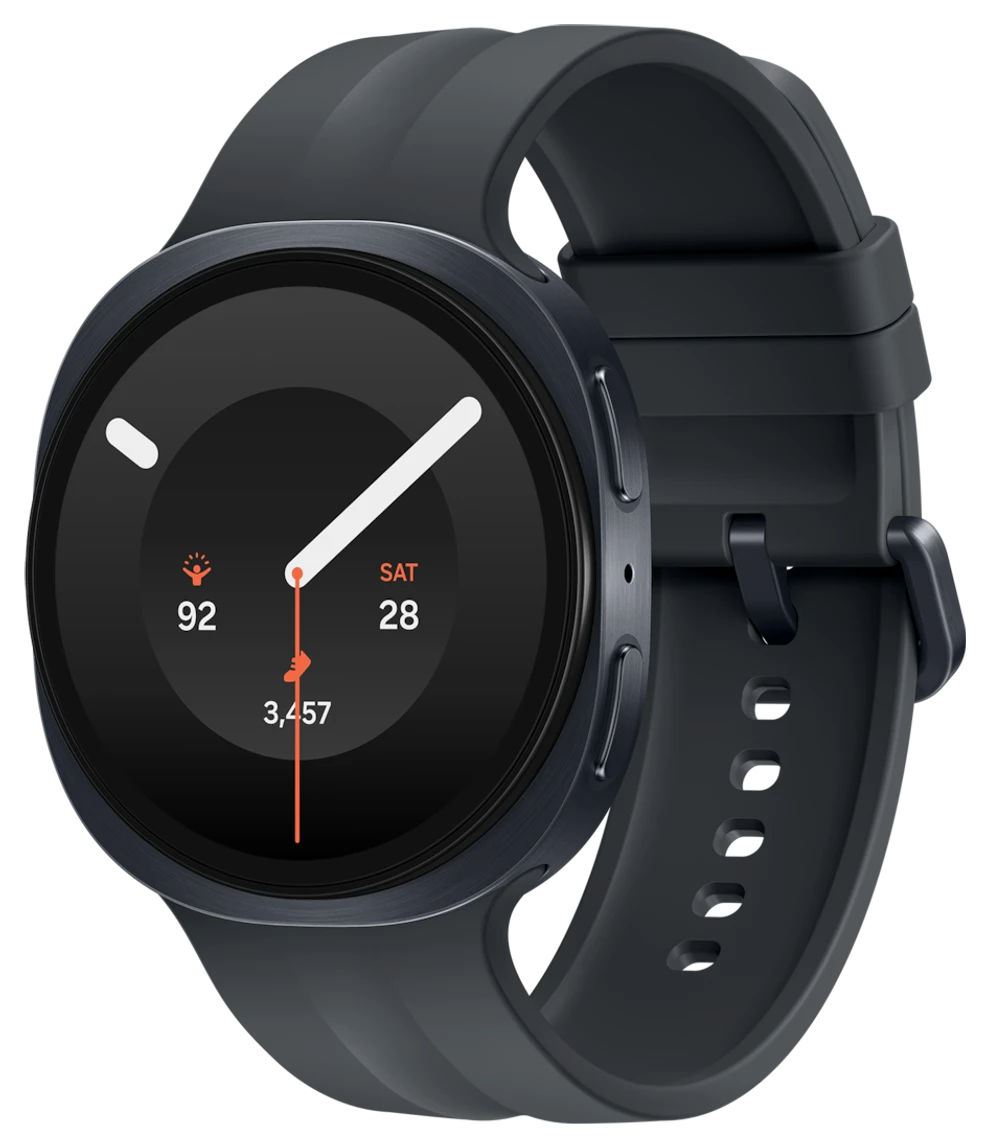
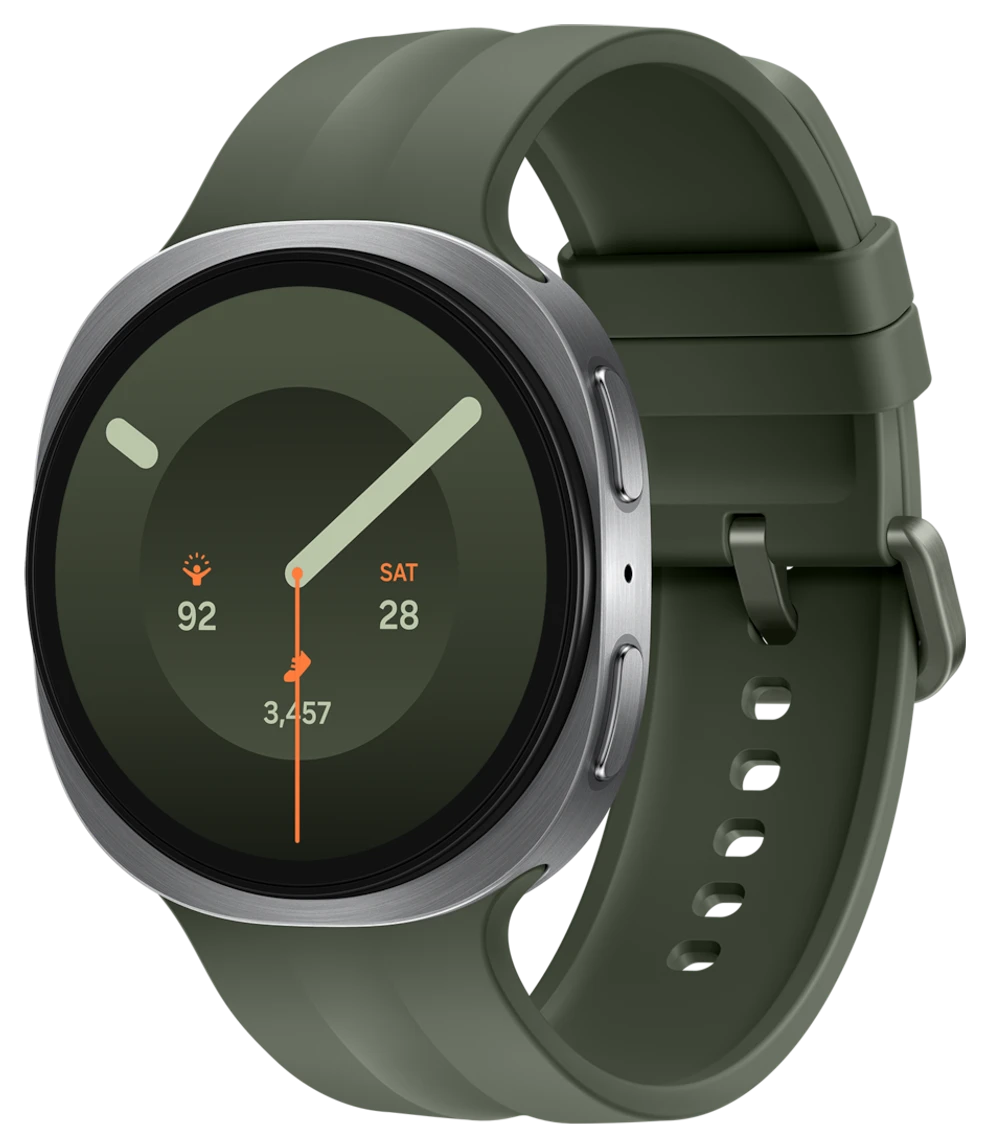
Sizometry Verdict
Editorial scores based on recurring themes across professional reviews, hands-on testing, and expert analysis.
Overall user experience
7.5
out of 10
A refined everyday Galaxy watch with stronger AI health coaching, a softer band, and Snapdragon Wear Elite promise — tempered by a familiar exterior, unfinished battery proof, and a modest price rise over Watch8.
Category scores
Health and fitness
8.0
BioActive continuity plus Vitals, Heart Health Score, Daily Cardio Load, and Fitness Index deepen coaching; accuracy still needs longer wear.
Battery and charging
7.5
Clear 40 mm capacity jump and Elite efficiency claims look promising; mixed-day and GPS endurance remain unknowns.
Outdoor capability
7.0
3,000-nit peak and dual-frequency GPS cover everyday outdoor use; Ultra2 still leads for harsh sun, trail, and dive.
Comfort and wearability
8.5
Familiar cushion comfort plus a softer air-pocket band dominate early praise for all-day wear.
Build quality and durability
8.0
Sapphire, aluminum, IP68 / 5ATM, and MIL-STD-810H match the premium everyday brief; not Ultra2 toughness.
Value
7.0
Solid everyday package, but a ~$30 hike for iterative hardware weakens the Watch8 upgrade case until battery and AI prove out.
Strengths
- Soft air-pocket band and proven cushion comfort for all-day and sleep wear
- Snapdragon Wear Elite plus One UI 9 Watch feel responsive in early hands-ons
- Galaxy AI health stack adds clearer coaching than raw charts alone
- 40 mm battery jump and dual-size aluminum lineup versus Ultra2 bulk
Weaknesses
- Design barely changes from Watch8
- Real-world battery life and Always On trade-offs still lightly sampled
- AI health alerts need multi-night setup and longer accuracy evidence
- Price up about $30 for an iterative generation
Best for
- Everyday Galaxy users who want continuous health coaching without Ultra bulk
- Upgraders leaving older Galaxy watches mainly for comfort, chipset, and AI features
- Sleep- and recovery-focused wearers who will actually use Vitals baselines
- Shoppers choosing Watch9 versus Ultra2 who prioritize daily wearability
Less suitable for
- Watch8 keepers seeking a visible redesign or proven multi-day battery leap
- Trail, dive, and harsh-sunlight users who need Watch Ultra2 hardware
- Buyers waiting for weeks of independent battery and sensor-accuracy testing
- Anyone expecting clinical diagnosis from Galaxy AI health scores
Upgrade recommendation
Current device: Galaxy Watch6 or Watch7
Recommendation: Worth consideringNotes: Chipset, softer band, newer One UI Watch, and AI health coaching are meaningful if your watch already feels slow or dated.
Current device: Galaxy Watch8
Recommendation: Depends on prioritiesNotes: Upgrade mainly for Elite snappiness, battery efficiency hopes, and Vitals-style coaching; stay if Watch8 already fits.
Current device: Shoppers deciding between Watch9 and Watch Ultra2
Recommendation: Depends on prioritiesNotes: Watch9 for lighter everyday aluminum wear; Ultra2 for brightness, battery headroom, and adventure certifications.
Current device: First-time Galaxy watch buyers
Recommendation: Worth consideringNotes: A coherent everyday health companion — trial 40 vs 44 mm and confirm Samsung Health features in your region.
Bottom line
Launch-period consensus casts Galaxy Watch9 as Samsung’s polished everyday health watch — same cushion comfort, smarter Galaxy AI coaching, and Snapdragon Wear Elite — without a redesign that forces Watch8 keepers to upgrade. AI health features look useful for sleep baselines and recovery cues, yet incremental until longer wear proves alert quality. Best for wellness-focused Galaxy users and older-watch upgraders; adventure buyers or anyone needing proven multi-day battery data should look at Ultra2 or wait for deeper reviews.
See its real size next to another watch.
Compare watchesOverview
This article summarizes launch-period impressions of the Galaxy Watch9 from professional reviewers, technology journalists, and hands-on testing — not long-term daily-wear studies. Patterns below mix brief confirmed sessions with Samsung’s official claims. Treat multi-day battery endurance, months-long sensor accuracy, and durability as unfinished until broader weeks-long testing appears.
Across Android Police, GSMArena, SamMobile, 91mobiles, and Notebookcheck, Watch9 reads as a Watch8 cushion refinement, not a redesign. Praise centers on all-day comfort, a softer air-pocket Sports Band, zippy One UI 9 Watch on Qualcomm’s Snapdragon Wear Elite, and a denser Galaxy AI health stack (Vitals, Heart Health Score, Daily Cardio Load, Fitness Index). Caveats include a barely changed exterior, a modest 44 mm battery bump, the same 3,000-nit peak versus Ultra2’s brighter panel, and about a $30 price rise. Launch coverage frames Watch9 as the everyday Galaxy health companion — while warning Watch8 keepers that the upgrade still depends on proven battery and AI usefulness.
Daily use
In daily-use hands-ons, Watch9 remains a glance-and-track watch: notifications, workouts, overnight sleep. Android Police argues you should not dismiss the cushion silhouette until you try it — the low-profile aluminum case suits many wrists, and Samsung was right not to force another visual reset after Watch8.
Both 40 mm (1.34-inch) and 44 mm (1.47-inch) sapphire Super AMOLED panels stay rated up to 3,000 nits peak with full-color Always On Display. Reviewers call that respectable outdoors, while Ultra2’s 5,000-nit peak is the clearer harsh-sunlight tool. Brief sessions cannot settle Always On versus battery trade-offs.
One UI 9 Watch on Wear OS 7 feels familiar and faster in demos. Raise to Talk for Google Gemini worked reliably for Android Police, though the listening indicator is easy to miss. Galaxy phone pairing still matters for fullest Samsung Health access; compatibility starts at Android 13 with Google Mobile Services.
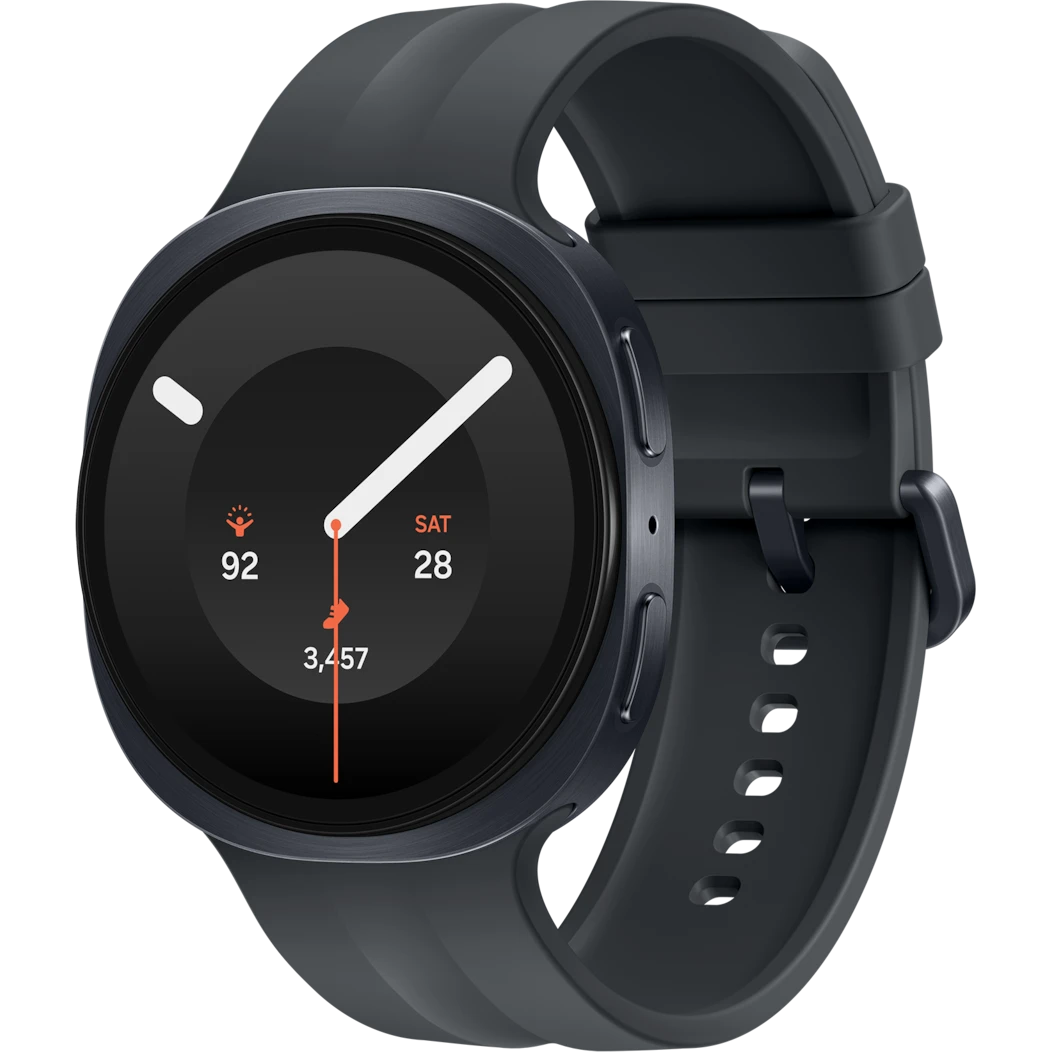
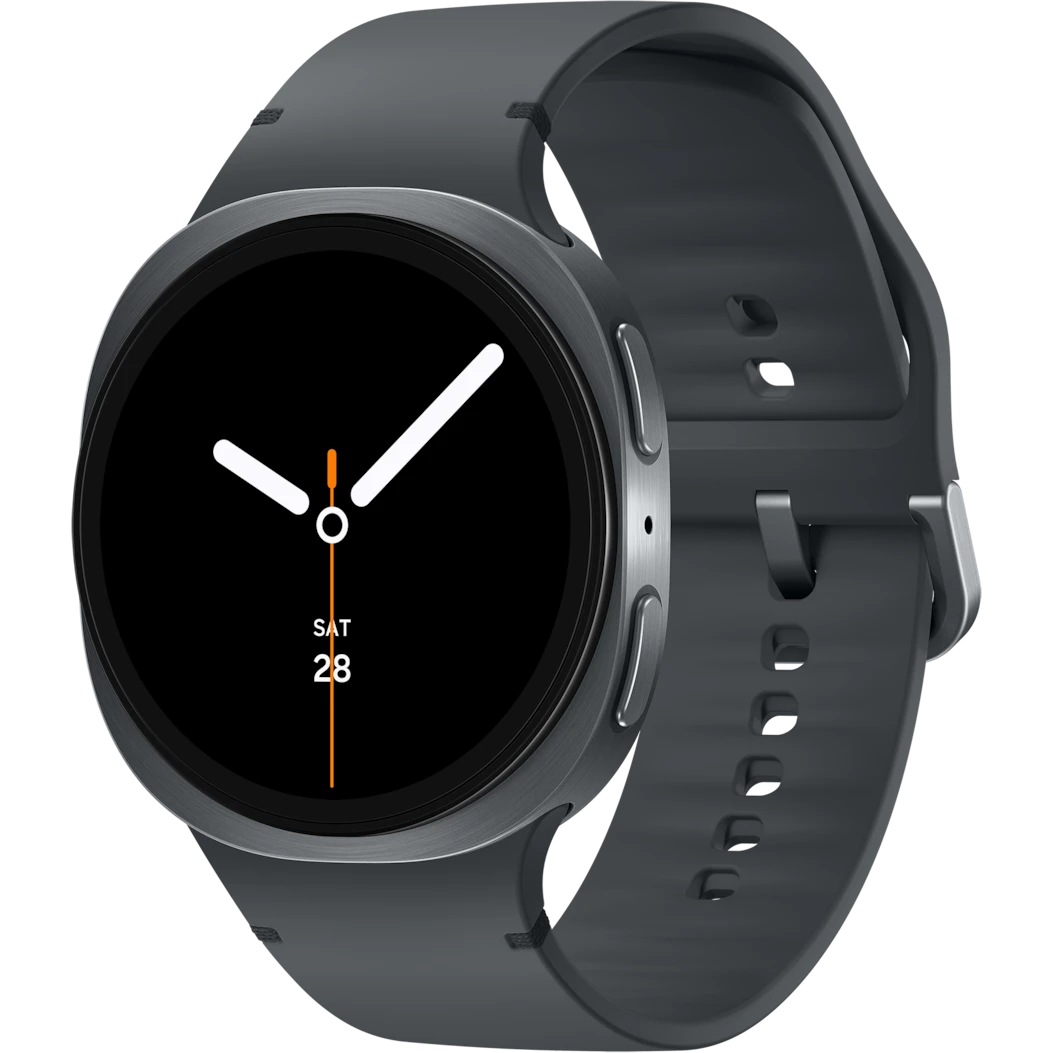
Galaxy Watch 9 44mm
View the full specifications, dimensions, pricing, and related models.
Health and fitness
Health and fitness anchor the launch story. Sensing still centers on Samsung’s BioActive stack — optical bio-signals, electrical heart signals, and BIA — plus temperature and motion sensors. Surface hardware looks continuous with Watch8; software is where Samsung pushes harder.
Samsung Health organizes Activity, Mindfulness, Nutrition, Sleep, and Vitals into proactive guidance. Sleep apnea detection is further refined with AI categorization of breathing disruptions, building on earlier FDA De Novo authorization. Hearing noise alerts also appear in SamMobile’s rundown. None of this is medical diagnosis or treatment — Samsung’s footnotes stress personal-reference use, setup periods, and regional limits.
Galaxy AI Health Features
Galaxy AI health features are the software headline. Vitals tracks overnight heart rate, HRV, respiratory rate, skin temperature, and SpO2, then alerts on deviations from a personal baseline — Notebookcheck notes at least seven nights of sleep data plus current Samsung Health/Android requirements first. Heart Health Score collapses related trends into a cardiovascular snapshot with tips. Daily Cardio Load balances training and recovery (runner-focused at launch in some reporting). Fitness Index shows a radar view of body composition, cardio, endurance, flexibility, and strength.
Reviewers treat the suite as promising and clearer than raw charts, yet still incremental until alert quality is lived with. Usefulness looks highest for sleep routines and runners seeking recovery cues — not clinical certainty. Limits include the multi-night Vitals warm-up, regional gating, and non-diagnostic framing. Accuracy remains an unknown for longer hands-on wear.
Outdoor and sports use
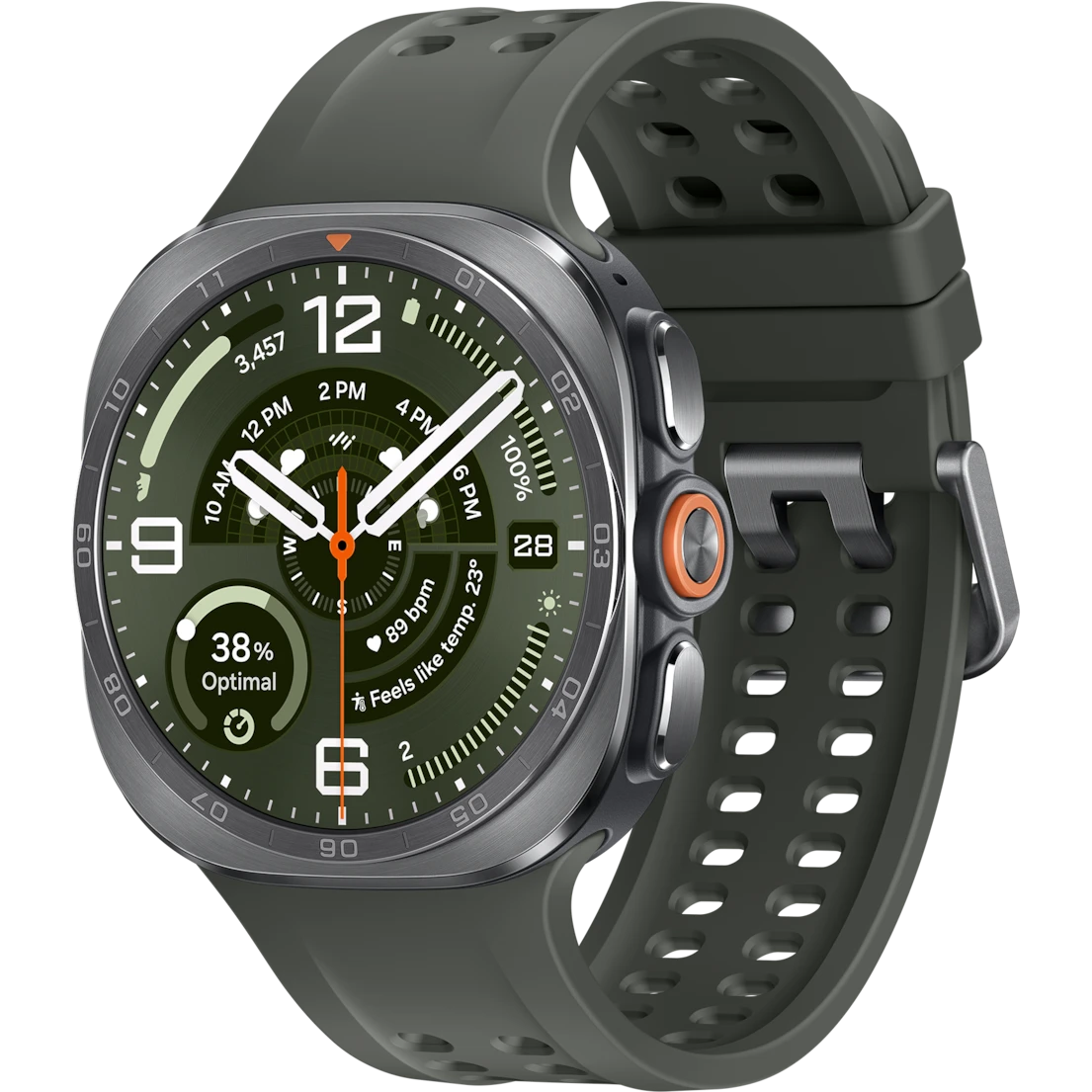
Outdoor use is where Watch9 and Ultra2 diverge most. Watch9’s 3,000-nit peak suits most daily outdoor glances; Ultra2’s 5,000-nit peak is framed for harsh sun, trail maps, and high-visibility workouts.
Dual-frequency L1+L5 GPS and Elite positioning claims support running on paper, but launch hands-ons lack week-long route logs. IP68 / 5ATM covers swimming within Samsung’s limits; dive certification, trail-run modes, and trail hydration alerts stay Ultra2 territory.
Battery and charging
Battery talk is hopeful on capacity, unfinished on endurance. Samsung lists 390 mAh for 40 mm — about 20% above Watch8’s 325 mAh class — and 445 mAh for 44 mm, a smaller step from 435 mAh. Notebookcheck relays up-to-40-hours with Always On off: a marketing ceiling, not an independent mixed-day result.
Qualcomm and Samsung pitch Elite efficiency for all-day health monitoring, but Android Police and GSMArena say real life still needs longer proof. Wireless charging (~10W / WPC fast) remains the daily path. GPS-heavy days, Always On, LTE, and continuous AI sampling can still cut into paper gains.
Performance and software
The chipset swap is the biggest internal change: Exynos W1000 out, Qualcomm Snapdragon Wear Elite (SDW6100) in, shared with Ultra2. SamMobile cites roughly 32% CPU and 19% GPU gains, plus Bluetooth 6.0 and dual-band Wi-Fi. 91mobiles called the UI zippy; Android Police highlights on-device AI headroom.
Software is Wear OS 7 with One UI 9 Watch and five promised OS upgrades versus four on Watch8. Short demos feel responsive; sustained multitasking, offline music, and on-wrist AI load still need stress testing beyond Unpacked.
Comfort and wearability
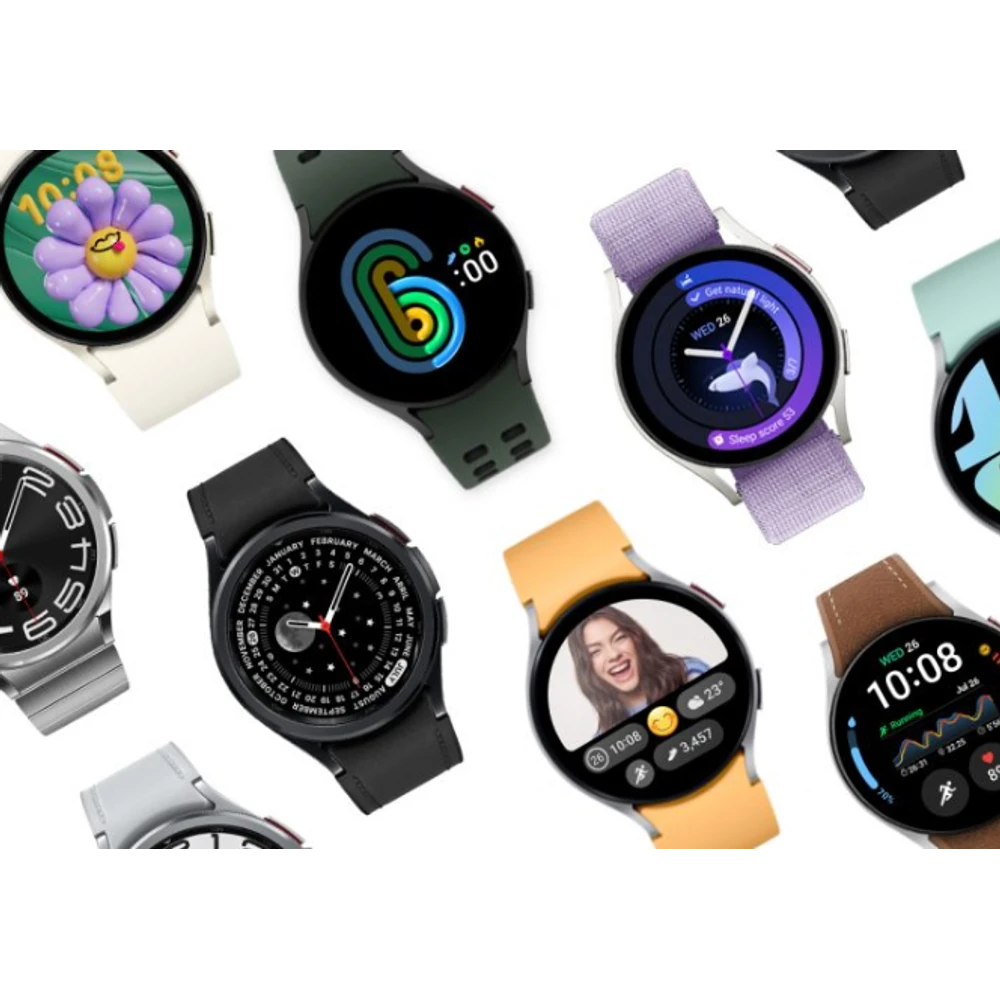
Comfort is the clearest adjacent win. Samsung’s thinner Sports Band with an air-pocket structure is about 17% lighter than Watch8’s; Android Police calls the softer strap a meaningful step, and Notebookcheck echoes everyday wearability.
Sizes stay at 40 mm (about 42.7 × 40.4 × 8.6 mm, 31.5 g) and 44 mm (about 46.0 × 43.7 × 8.6 mm, 34 g) — essentially Watch8 — so fit should feel familiar. 91mobiles frames Watch9 as the lighter everyday sibling to Ultra2 for all-day and overnight wear.
Design consensus splits between “still excellent cushion” and “déjà vu.” Continuity pleases Watch8 fans; buyers wanting a visual leap may hesitate if last year’s watch already fits.
Build quality and durability
Build matches the everyday premium brief: Armor Aluminum, sapphire front, IP68 / 5ATM, and MIL-STD-810H. Hands-ons describe a familiar solid feel — Ultra2 remains the titanium, brighter, dive-certified option.
Water resistance covers wet workouts within stated limits, not Ultra2’s EN13319 dive story. Scratch resistance, band wear, and charging contacts are unsettled by demos. Sports, Misty, and Fabric bands expand comfort choices ahead of months of real gym and sleep wear.