Insights
NEWS
Mixed reports
Galaxy Watch Ultra 2 Reviewer Reactions
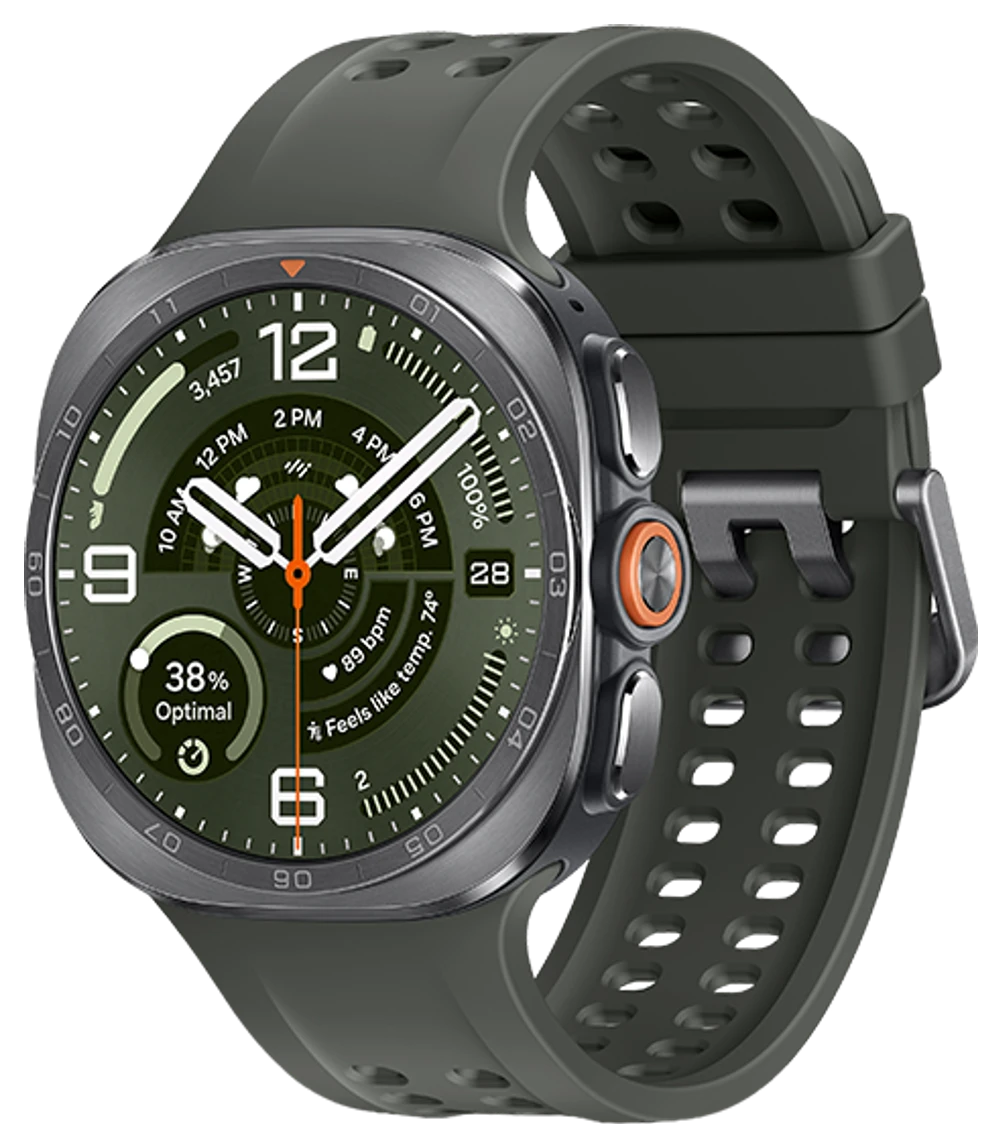
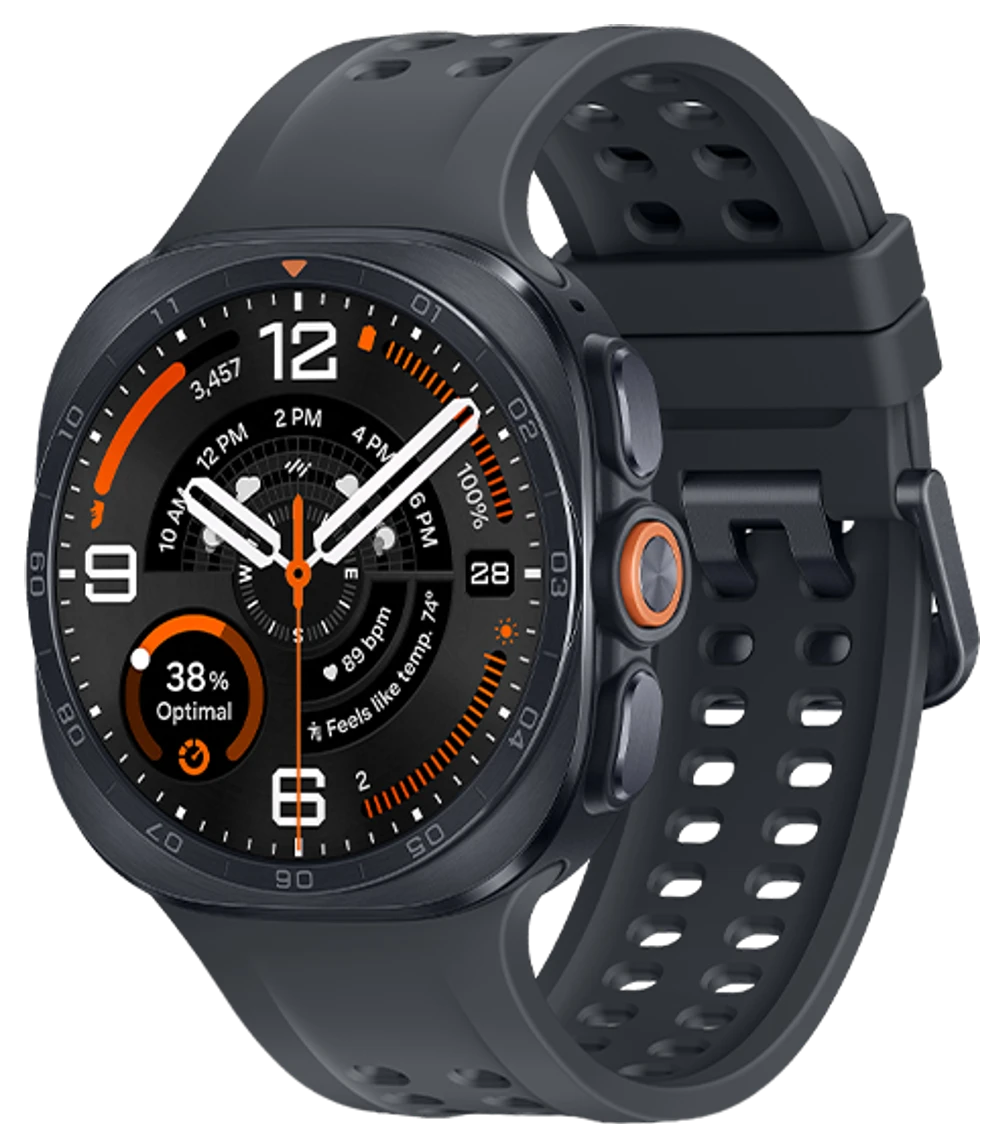
Sizometry Verdict
Editorial scores based on recurring themes across professional reviews, hands-on testing, and expert analysis.
Overall user experience
7.5
out of 10
A thinner, brighter, more outdoor-capable Ultra with a much larger battery and shared next-gen health coaching — tempered by a still-large 47 mm case, premium pricing versus Watch9, and unfinished launch-period proof on endurance, diving software, and multi-night recovery insights.
Category scores
Health and fitness
7.5
Strong BioActive continuity plus new Vitals, Heart Health Score, Cardio Load, and Fitness Index guidance; many insights need multi-night wear and are not medical diagnoses.
Battery and charging
7.5
800 mAh is a major capacity jump, but early hands-ons disagree between roughly two-day mixes and nearer Samsung’s 60-hour always-on claim.
Outdoor capability
8.0
Trail Run, dual-frequency GPS, sun-readable display, and dive certifications stand out; dive-app depth and class-leading GPS claims still need longer testing.
Comfort and wearability
7.0
Thinner case and lighter bands improve comfort versus the prior Ultra, yet 47 mm size still challenges smaller wrists and some sleep wear.
Build quality and durability
8.5
Titanium, sapphire, IP69K / 10 ATM / EN13319 packaging impresses in hands-ons; lab ratings are not months of proven trail durability.
Value
6.5
Excellent specialist hardware at about $700, but Watch9 shares much health software and suits most buyers at a far lower price.
Strengths
- Thinner titanium Ultra with a much larger 800 mAh battery and Snapdragon Wear Elite
- Class-leading claimed peak brightness and stronger outdoor trail / dive toolkit than Watch9
- Shared next-gen Samsung Health coaching without a separate wellness subscription for core insights
- Physical buttons, siren, and dual-frequency GPS that suit demanding outdoor sessions
Weaknesses
- Large 47 mm footprint remains tough for smaller wrists and some overnight wear
- Premium price while Watch9 inherits much of the new health software
- Early battery, dive-app, and multi-night health-unlock evidence still incomplete
- Not a proven Garmin replacement for multi-day expedition endurance
Best for
- Trail, hike, and swim-curious Samsung users who want a bright rugged smartwatch
- Previous Ultra keepers blocked by thickness or outdoor readability
- Buyers who will use Ultra-only sports tools rather than paying for shared health features alone
- Android users comparing Ultra 2 with Apple Watch Ultra on brightness and multi-day ambition
Less suitable for
- People who want the lightest all-day / overnight Galaxy Watch — choose Watch9 instead
- Shoppers who mainly need the new health scores and can skip titanium adventure hardware
- Anyone needing proven multi-week GPS expedition battery — consider Garmin-style sports watches
- Buyers waiting for longer independent tests of dive software, GPS accuracy, and recovery coaching
Upgrade recommendation
Current device: Previous Galaxy Watch Ultra
Recommendation: Worth consideringNotes: Upgrade if thinner wear, brighter outdoor display, trail GPS tools, and the 800 mAh cell change weekly use — not for the model number alone.
Current device: Galaxy Watch7 / Watch8 / Watch9
Recommendation: Depends on prioritiesNotes: Move to Ultra 2 only for rugged outdoor specialization; otherwise Watch9 is the better daily fit.
Current device: Older Galaxy Watch models
Recommendation: Worth consideringNotes: Major platform, brightness, and outdoor jumps — confirm the 47 mm size in person first.
Current device: Apple Watch Ultra users considering Android
Recommendation: Depends on prioritiesNotes: Compelling on brightness and battery ambition if you are committed to Samsung Health and Wear OS trade-offs.
Current device: Garmin users considering a smartwatch-first device
Recommendation: Depends on prioritiesNotes: Choose Ultra 2 for notifications and Galaxy AI living; keep Garmin when expedition endurance is the priority.
Bottom line
Launch-period consensus casts Galaxy Watch Ultra 2 as Samsung’s clearest outdoor specialist yet: thinner than the first Ultra, dramatically brighter, with trail and dive hardware Watch9 lacks. Shared Samsung Health guidance — Vitals, Heart Health Score, Daily Cardio Load, and Fitness Index — helps Ultra buyers but weakens coaching-only upgrades. Ultra 2 fits Samsung users who will wear a large rugged watch for trails, bright outdoor readability, and multi-day ambition; less so for smaller wrists, Watch9-class daily health shoppers, and Garmin buyers needing proven expedition endurance before launch caveats close.
See its real size next to another watch.
Compare watchesOverview
This article summarizes launch-period impressions of the Galaxy Watch Ultra 2 from professional reviewers, technology journalists, wearable specialists, and brief hands-on testing — not long-term daily-wear studies. Treat multi-day battery longevity, sensor reliability, dive-app maturity, overnight comfort, and durability as unfinished until broader weeks-long testing appears.
Samsung positions Ultra 2 beside Galaxy Watch9 as the adventure specialist: one 47 mm titanium model with an 800 mAh battery, up to 5,000-nit peak brightness, Snapdragon Wear Elite, dual-frequency GPS, and dive certifications, from about $699.99 / £649, with pre-orders from July 22, 2026 and availability from August 7 in select markets. Across CNET, Engadget, Expert Reviews, The Verge, GSMArena, and 9to5Google, praise centers on a thinner case, outdoor readability, and clearer trail tools. Caveats are the large footprint, premium pricing versus Watch9’s shared health software, mixed early battery results versus Samsung’s up-to-60-hour always-on claim, and health metrics that often need multiple sleep nights.
Daily use
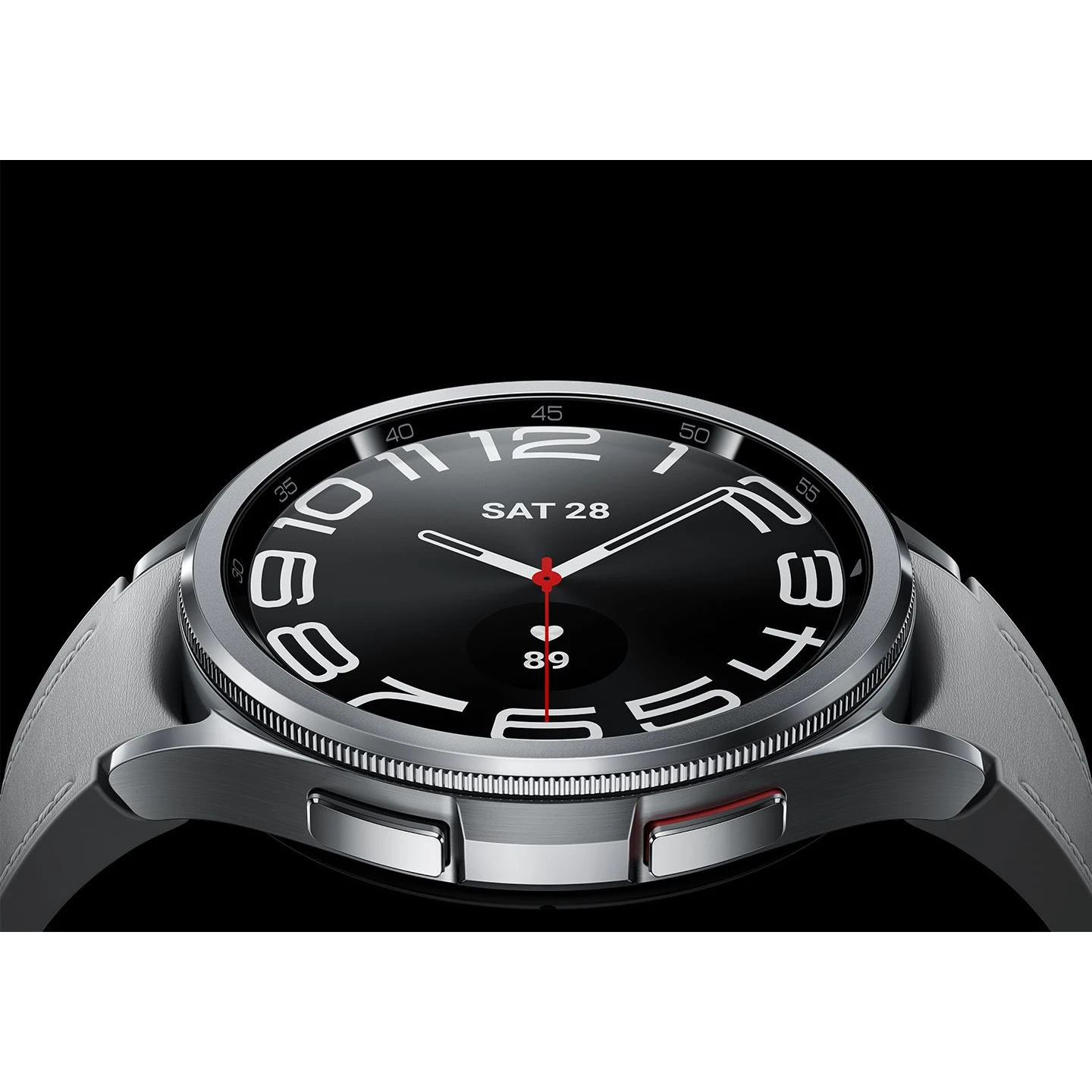
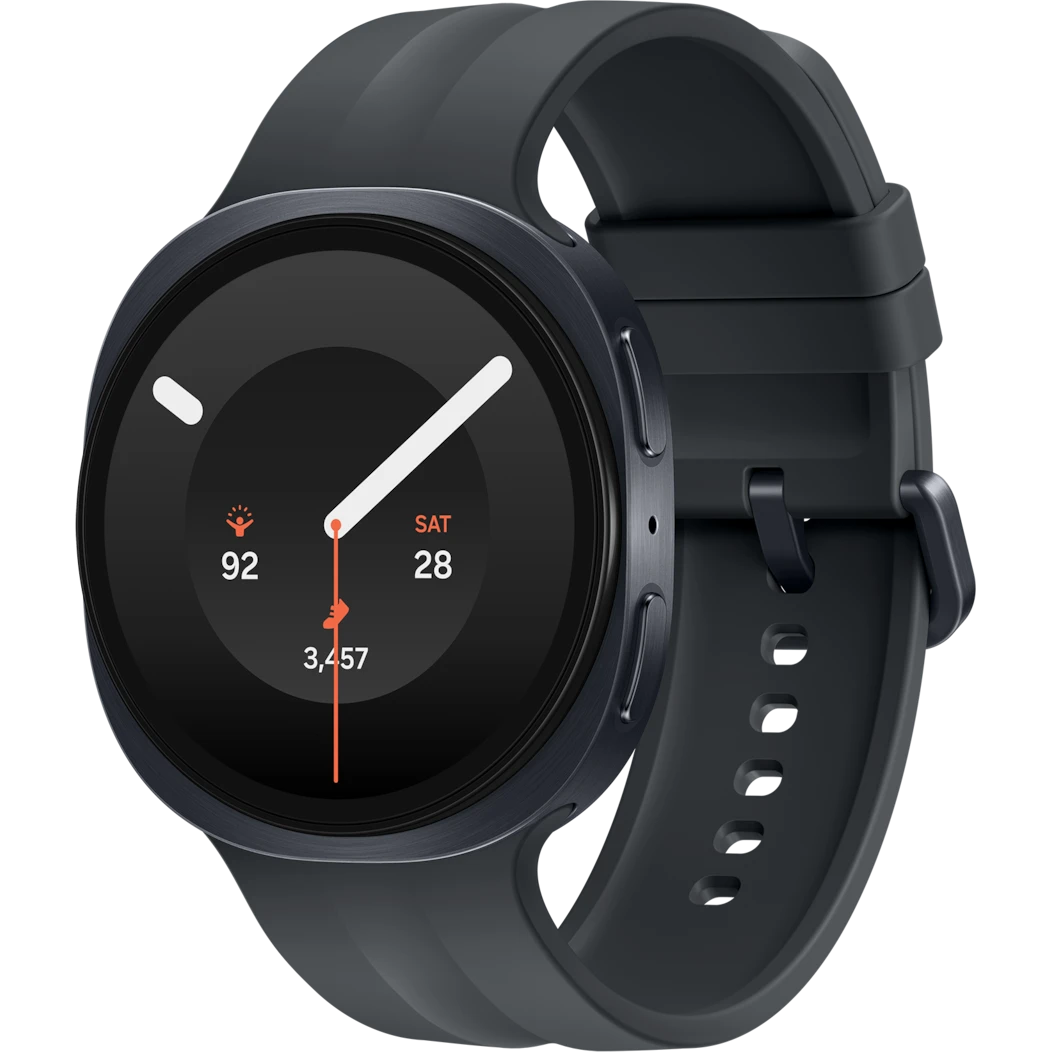
Daily hands-ons still read Ultra 2 as a rugged statement watch that can also handle commute life. The squircle titanium look and three physical buttons — including the orange-accented Quick/Action control — feel familiar versus the first Ultra, while thinner bezels and a 1.52-inch Super AMOLED make glances a bit more open. Raise-to-talk Gemini without a wake word is a frequent lifestyle highlight, though Expert Reviews also saw listening cues during wrist raises.
Ultra exists because Watch9 is the lighter aluminum everyday companion in 40 mm and 44 mm, while Ultra 2 packs titanium toughness, brighter peaks, a much larger cell, trail tools, and dive ratings into one oversized chassis. Launch coverage says most people do not need that stack — many new Samsung Health insights land on both lines — so Ultra’s daily value depends on whether size, brightness, endurance potential, and outdoor extras beat Watch9’s comfort and price. Activation still expects compatible Android with Google Mobile Services, and the richest coaching lives in the phone app.
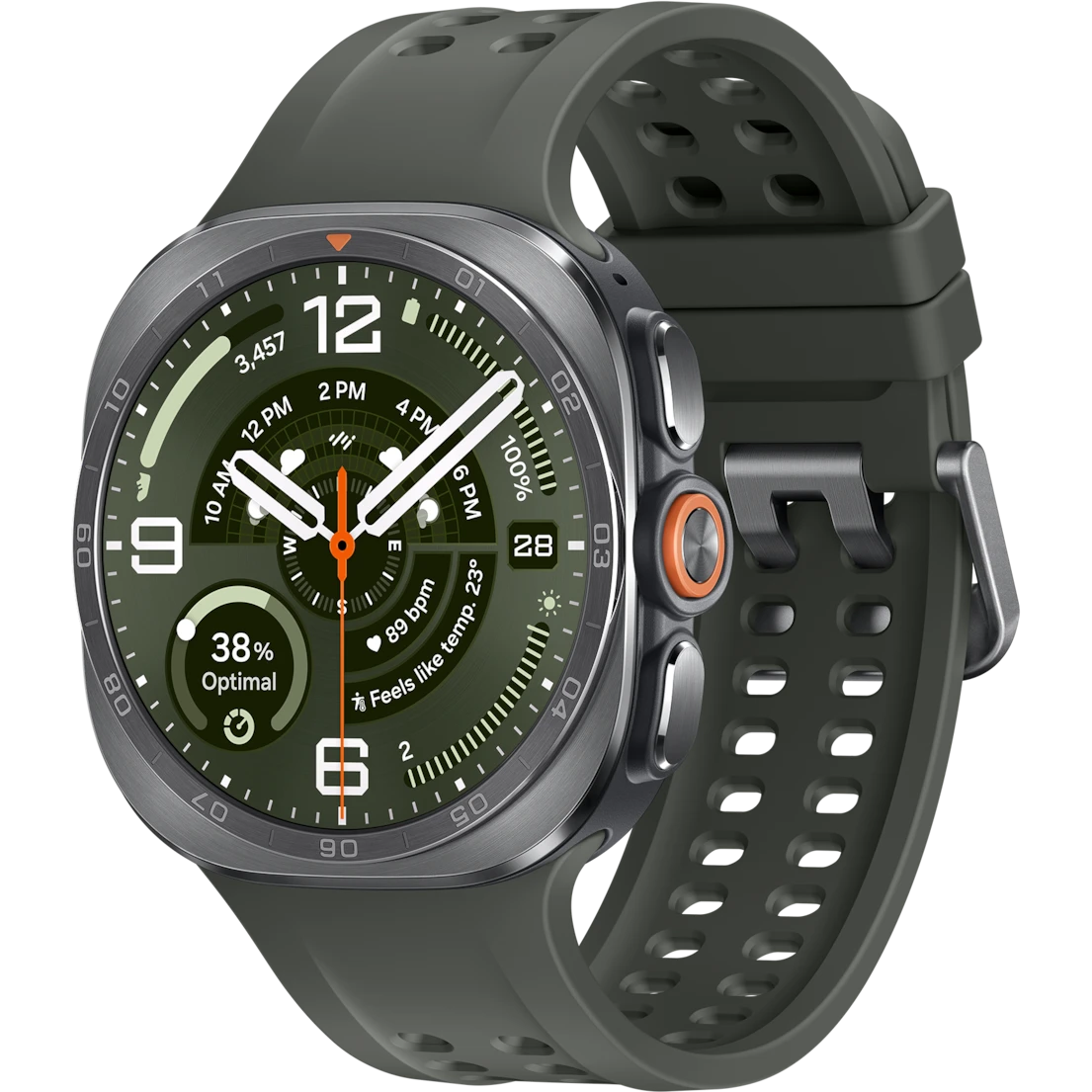
Galaxy Watch Ultra 2
View the full specifications, dimensions, pricing, and related models.
Health and fitness
Health and fitness is where Ultra 2 overlaps Watch9 most and where launch testing is least complete. Both inherit Samsung’s BioActive sensors and One UI 9 Watch / Wear OS 7, then add shared surfaces such as Vitals baselines after consecutive sleep nights, Heart Health Score, Daily Cardio Load, Fitness Index charts, hearing noise monitoring, and region-dependent ECG, blood-pressure, sleep-apnea, or vascular features that may need Galaxy phones, Samsung Health, and regulatory clearance.
Short comparisons treat workout heart rate and routine sleep logging as credible — Expert Reviews stayed close to a OnePlus Watch 3 on the other wrist — but launch windows cannot prove medical accuracy or months of recovery coaching quality.
Health and Recovery Insights
What looks new is packaging of guidance more than a single medical breakthrough: Vitals alerts when sleep baselines drift, Heart Health Score lifestyle scoring, Daily Cardio Load training-versus-recovery prompts, and Fitness Index charts from VO2 Max, activity, and bioimpedance. Trail Nutrition Alert hydration prompts and Ultra-only sports modes sit on top. Much of the wellness suite also lands on Watch9, so Ultra is not the only path to the coaching layer.
Reviewers who could not unlock seven-night baselines — including CNET — correctly withhold judgment on whether guidance feels practical or mostly incremental versus Apple, Garmin, Whoop, or Oura-style tools. Samsung does not present these scores as diagnoses. Sleep-apnea risk detection and similar regulated functions remain limited by market and phone requirements, and Samsung’s footnotes say they are not clinical substitutes. Short launch testing cannot prove long-term sensor accuracy.
Outdoor and sports use
Outdoor and sports use is Ultra 2’s clearest reason to exist. Samsung confirms L1+L5 dual-frequency GPS, Trail Run elevation tools, offline GPX routes with turn-by-turn guidance, Nutrition Alert hydration estimates, automatic recreational dive tracking for depth, time, and water temperature, and a later Mares-partnered Ultra2 Diving app for ascent/descent guidance. Marketing stacks 10 ATM, IP69K, MIL-STD-810H, and EN13319 — certifications and claims, not indefinite real-world proof.
CNET praised speaker navigation and live elevation on trail, while calling GPX loading tedious before promised Maps trail search and treating hydration reminders as estimates rather than sweat sensing. Dive auto-launch works in Expert Reviews’ testing, but the fuller Mares app was not ready at launch. The 5,000-nit peak display earns harsh-sun praise; GPS workouts can drain fast — CNET saw nearly 30% used on one roughly five-mile trail run. Treat Ultra 2 as a brighter, tougher smartwatch with stronger outdoor software than Watch9, not a proven Garmin expedition replacement.
Battery and charging
Battery is the headline jump and the least settled score. The 800 mAh cell is about 35% larger than the previous Ultra’s 590 mAh class, with marketing around up to 60 hours with Always On. Engadget’s first week often tracked closer to that multi-day story; CNET more often saw nearer 48 hours; Expert Reviews reported roughly two to three days with heart-rate, sleep, and always-on enabled.
Launch testing cannot settle LTE drain, cold weather, or true adventure endurance. Charging remains a wireless puck — Expert Reviews timed about two hours empty-to-full and disliked weak magnetic seating. Power-saving modes exist in Samsung’s playbook, but reviewers have not proven week-long stripped-down endurance that rewrites the Garmin comparison.
Performance and software
Snapdragon Wear Elite replaces prior Exynos wearable silicon and earns praise for snappier opens and smoother scrolling in brief sessions. The Verge relayed some demo-unit scroll latency that may reflect event networking rather than retail behavior.
One UI 9 Watch on Wear OS 7, Galaxy AI health surfaces, and Gemini raise-to-talk define the software pitch. Samsung lists Ultra 2 at 2 GB RAM + 64 GB versus Watch9’s 32 GB, which helps offline maps. Deep Samsung Health features still prefer a Galaxy phone.
Comfort and wearability
Comfort is Ultra 2’s clearest daily improvement and still its biggest physical compromise. Samsung says internal re-engineering cut thickness about 12% to 10.7 mm despite the 800 mAh cell, at roughly 47.4 × 47.1 × 10.7 mm and about 61.5 g before the strap. Expert Reviews, CNET, and Engadget call the thinner case plus softer Marine / PeakForm / Trail-style bands easier to forget than the previous Ultra, including some overnight attempts.
It remains a large 47 mm watch. GSMArena calls the dial huge even on bigger hands, and CNET would not choose long-term sleep with it. Smaller wrists should prefer Watch9’s 40 mm. Proprietary straps help inside Samsung’s ecosystem and limit third-party freedom. Physical buttons suit workouts; the missing rotating crown remains a wet-weather complaint versus Touch Bezel.
Build quality and durability
Build impressions are strong for a launch-period titanium sports watch: shock-resistant titanium, sapphire front, ceramic/sapphire back, and tougher water/dust ratings than Watch9’s 5 ATM / IP68 class. Hands-ons describe a premium rugged object that still looks like the previous Ultra rather than a redesign.
Lab certifications are not months of trail, saltwater, or drop proof. Samsung notes water resistance can diminish and extreme conditions are not guaranteed. Treat durability as promising hardware with unfinished field evidence.