Insights
RUMOR
Rumor
Galaxy Watch 9 and Ultra 2 Rumors Point to Major Upgrades Ahead of July 22 Unpacked
Samsung’s July 22 Galaxy Unpacked event could introduce the Galaxy Watch 9 and Galaxy Watch Ultra 2, with rumors pointing to a new Snapdragon platform, improved efficiency and more ambitious outdoor hardware.
Samsung has officially scheduled Galaxy Unpacked for July 22, 2026, in London, with the livestream starting at 2:00 p.m. BST on Samsung’s official channels. What remains unofficial are the watches themselves: the expected Galaxy Watch 9 and Galaxy Watch Ultra 2, plus nearly every leaked specification attached to them. The emerging rumor picture points to a possible processor transition and a clearer split between an everyday aluminum model and a more rugged Ultra designed for outdoor use.
Snapdragon Wear Elite Could Be the Central Upgrade
Multiple pre-release reports suggest both watches may move from Samsung’s recent Exynos wearable chips to Qualcomm’s Snapdragon Wear Elite platform. If accurate, that would be one of the most meaningful hardware shifts in the Galaxy Watch line in years.
A new wearable SoC would not automatically rewrite daily life on the wrist, but it could create more headroom where smartwatches often feel constrained. Faster interface response, fewer pauses when opening apps or animations, and better power efficiency are the improvements owners are most likely to notice. Additional on-device processing capacity could also matter for health summaries and AI features that currently feel limited by wearable hardware.
Those outcomes are still speculative. Benchmark percentages do not prove smoother everyday use, and efficiency claims need real-world testing across workouts, GPS sessions, and overnight tracking before they can be trusted.
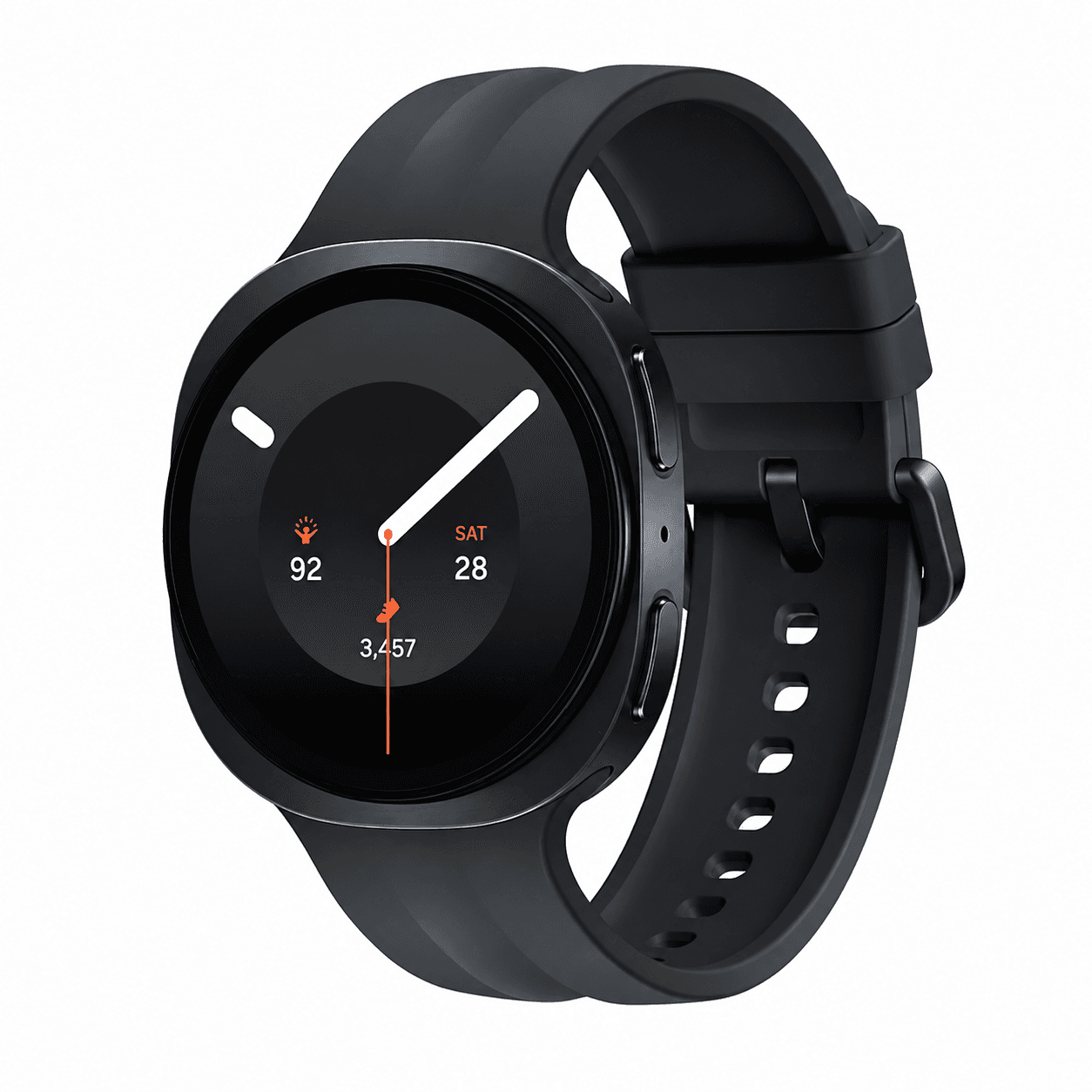
Galaxy Watch 9 May Prioritize Everyday Comfort
The standard Galaxy Watch 9 is widely expected to keep an aluminum chassis and continue targeting everyday wear, fitness tracking, and all-day comfort rather than extreme outdoor durability. Current reporting also suggests the exterior may stay close to the recent Galaxy Watch design language, which would make the generation less about a dramatic redesign and more about what changes underneath.
If the Snapdragon Wear Elite transition arrives as rumored, the most meaningful upgrade on the mainstream model may be responsiveness and efficiency rather than a visibly different shape on the wrist. That would fit a product strategy in which the standard Watch remains the lighter daily option while Ultra absorbs the more aggressive outdoor hardware.
Exact case sizes, battery capacities, colors, sensors, pricing, and availability have not been officially announced and should be treated as unsettled until Samsung presents them.
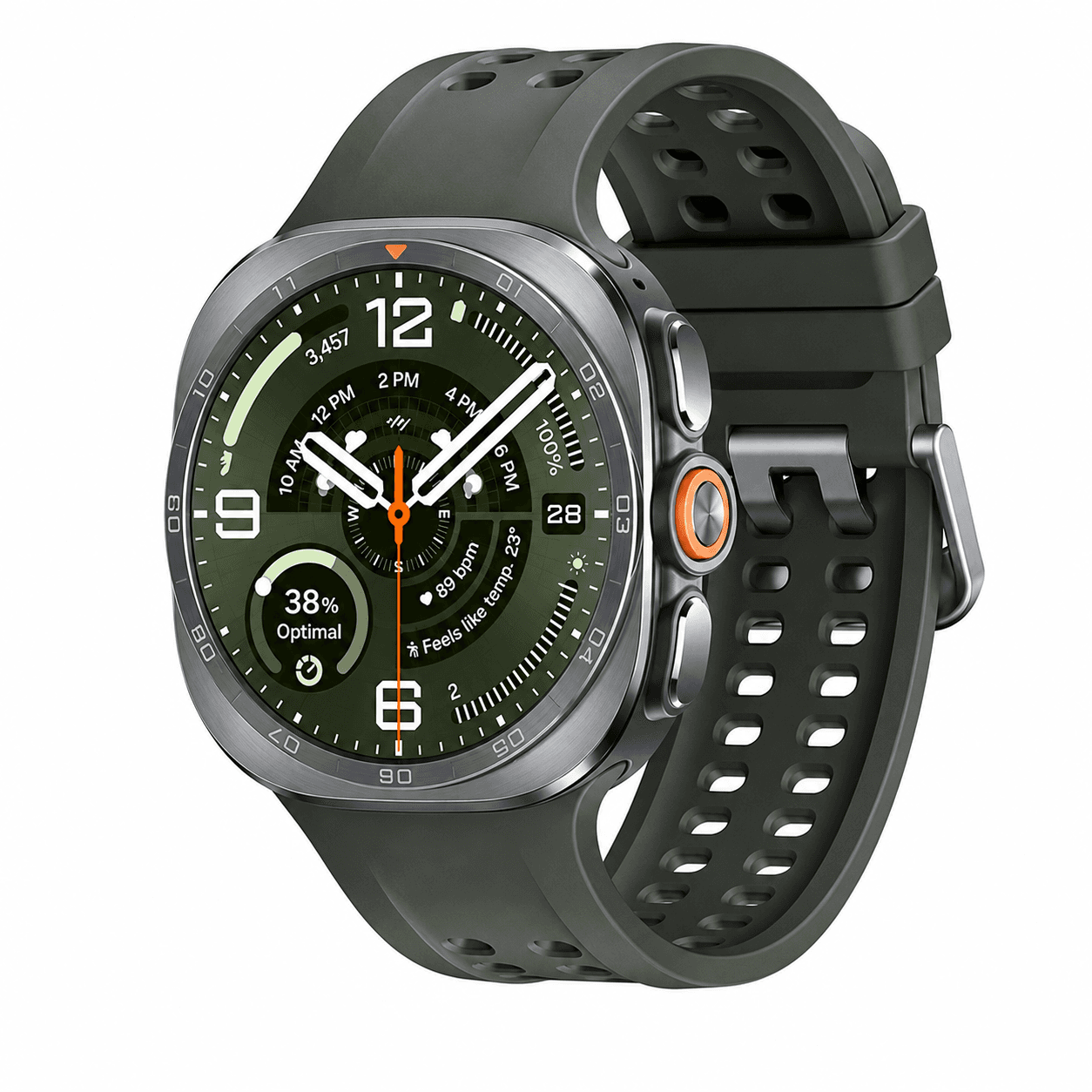
Galaxy Watch Ultra 2 Could Push Further Into Outdoor Use
The rumored Galaxy Watch Ultra 2 appears aimed at users who need stronger outdoor visibility and endurance. Leaked materials describe titanium construction, an approximately 800 mAh battery, and a display that may reach up to 5,000 nits of peak brightness.
Those figures would matter if they hold up. Higher peak brightness can make glanceable information easier to read in direct sunlight. A substantially larger battery could reduce charging pressure during travel, multi-hour GPS workouts, or long outdoor days. Titanium construction would also reinforce the Ultra identity as the tougher, more adventure-oriented sibling.
Peak brightness should not be confused with continuous brightness. Displays typically reach their highest nit ratings only in limited conditions, such as brief outdoor boosts, rather than running at that intensity all day. Likewise, a larger battery capacity does not guarantee a specific multi-day runtime until independent testing measures how GPS, always-on display, cellular connectivity, and health tracking actually drain the watch.
Health and AI Could Become a Larger Part of the Story
Samsung has publicly teased the next Galaxy Watch generation as an AI-powered health companion ahead of the July 22 event, emphasizing personalized wellness insights, continuous background tracking, updated internal components, and closer integration with its broader Galaxy AI ecosystem. Those are official marketing themes, not a full feature list.
Separately, rumor coverage points to richer sleep and recovery guidance, fitness coaching, faster local processing, and tighter Galaxy phone integration. Some leaked materials also highlight health-facing experiences such as energy or sleep scoring and coaching tools. Those details remain unofficial until Samsung demonstrates them.
None of this should be read as a medical claim. A smartwatch can surface trends and prompts that help users pay attention to rest, activity, and recovery, but it should not be described as diagnosing or preventing disease.
Why This Matters
For most people, smartwatch performance is felt in small moments: whether the screen wakes instantly, whether a workout app opens without hesitation, and whether the watch still feels useful at the end of a long day. A processor transition matters more for that kind of everyday responsiveness than for synthetic benchmark scores.
Battery strategy is similar. Increasing capacity can help, especially on a rugged Ultra model with heavier outdoor workloads, but efficiency often determines whether owners stop worrying about midday charging. If Snapdragon Wear Elite improves power use as rumored, the Watch 9 could feel meaningfully better even without a dramatic exterior redesign, while the Ultra 2 could become a more credible alternative for people who currently look outside Samsung’s lineup for bright outdoor displays and longer adventure sessions.
That clearer split would also help shoppers. A mainstream aluminum Watch 9 could remain the sensible daily driver. An Ultra 2 with titanium hardware, a larger battery, and higher peak brightness could justify its premium only if those outdoor advantages are real in use, not just impressive on a spec sheet.
Owners of a Galaxy Watch 8 or the first-generation Galaxy Watch Ultra may still have little reason to upgrade immediately. Generational jumps matter most when responsiveness, endurance, or outdoor readability improve enough to change daily habits. Until independent reviews measure those gains, caution is the more useful posture than anticipation alone.
What to Watch
• Whether both watches actually use Snapdragon Wear Elite • Final case sizes, thickness, and weight • Real-world battery life across normal use, GPS, and always-on display • Whether the Ultra 2 receives an approximately 800 mAh battery • Whether 5,000-nit brightness is available only in limited conditions • Which health and Galaxy AI features ship at launch versus later software updates • Pricing • Preorder timing and regional availability • Whether the processor transition improves long-term software support
Samsung has not officially announced the Galaxy Watch 9, the Galaxy Watch Ultra 2, or their final specifications. Every product name and hardware detail discussed above should be treated as unofficial until the company presents them at Unpacked.
This information has not been confirmed by the manufacturer.