Insights
RUMOR
Rumor
Galaxy Fold 8 vs Galaxy Fold 7: Everything Expected to Change
A detailed look at how Samsung’s expected Galaxy Fold 8 Ultra and Galaxy Fold 8 lineup compares with Galaxy Fold 7 — covering design, displays, cameras, battery, pricing, and who should upgrade.
Samsung’s next book-style foldable generation is shaping up as more than a routine annual refresh. Highly consistent pre-launch reporting points to a split Galaxy Fold 8 lineup: a premium Galaxy Fold 8 Ultra that continues the current tall Fold formula, and a shorter, wider Galaxy Fold 8 aimed at everyday handling. Samsung has not officially announced either device, but the expected differences versus Galaxy Fold 7 are already clear enough for buyers to weigh carefully.
Overview
Samsung appears ready to stop treating the book-style Fold as a single flagship shape. The expected 2026 approach separates the line into two models with different jobs.
• Galaxy Fold 8 Ultra — the direct successor path for Fold 7 owners who want the familiar tall format with incremental hardware gains • Galaxy Fold 8 — a new shorter, wider body with a more phone-like cover display and a lighter carry profile
That split matters because Fold 7 already solved much of the “too thick, too heavy” complaint. The next step is less about one device becoming thinner again and more about giving shoppers two distinct foldable experiences: one for continuity, one for a new form factor.
Design
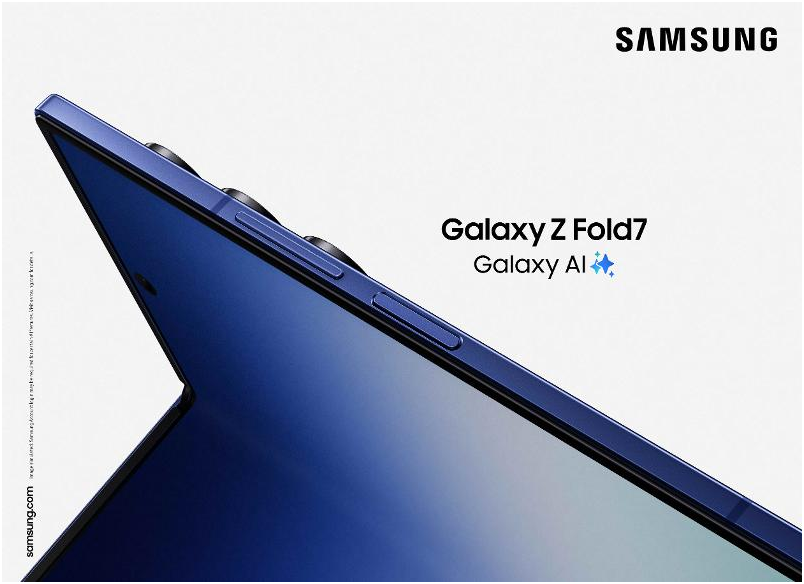
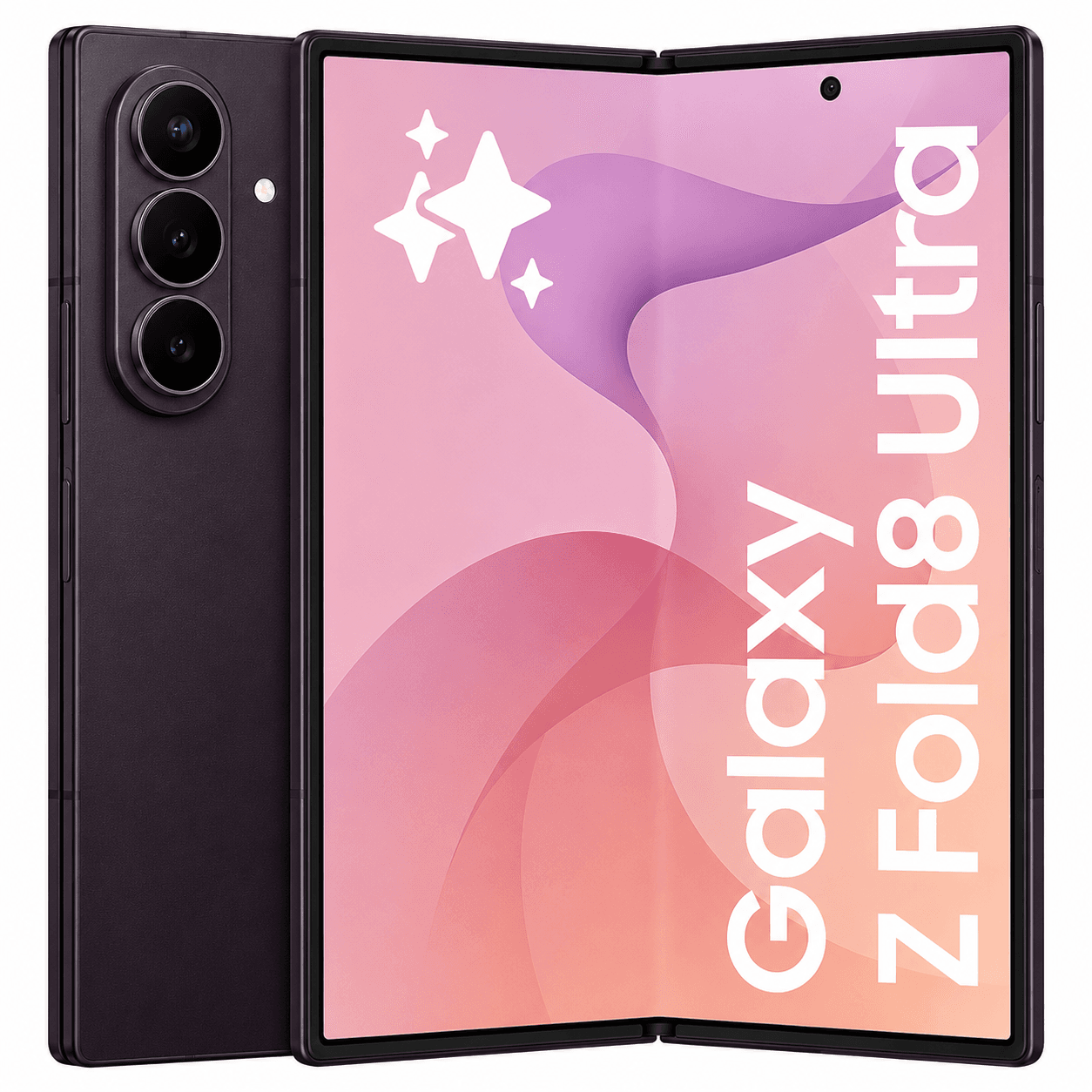
Galaxy Fold 8 Ultra. The Ultra is expected to keep the overall design language of Fold 7. The rear camera island stays in place, so the silhouette should feel immediately familiar to current owners. Reporting points to a slightly thicker body paired with a slightly lighter weight — a trade that favors durability and battery packaging over chasing another dramatic thinness record.
Expected Ultra colors:
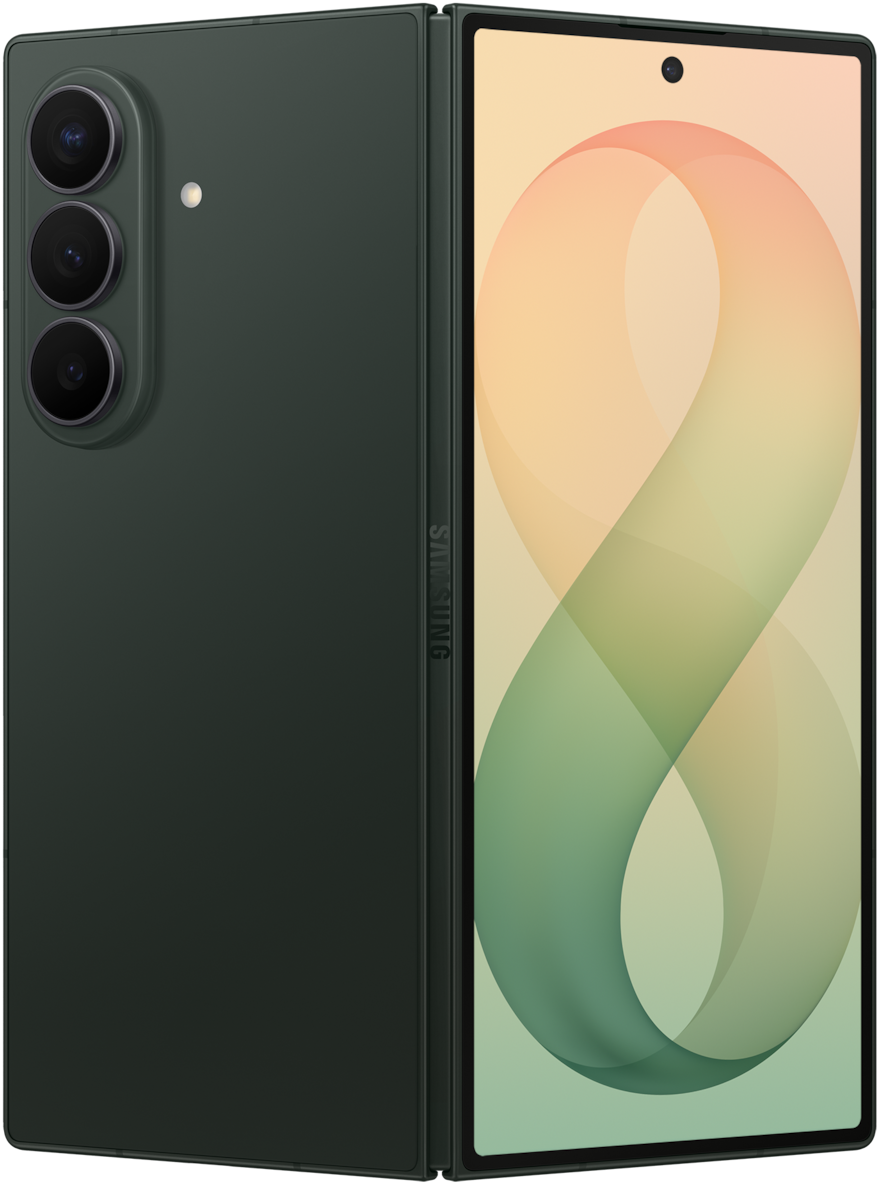
• Cream • Graphite White • Violet Shadow • Samsung.com exclusive Green Shadow
For Fold 7 owners, Ultra reads as evolution. Pocket feel and one-handed cover-screen habits should transfer quickly, with refinements rather than a learning curve.
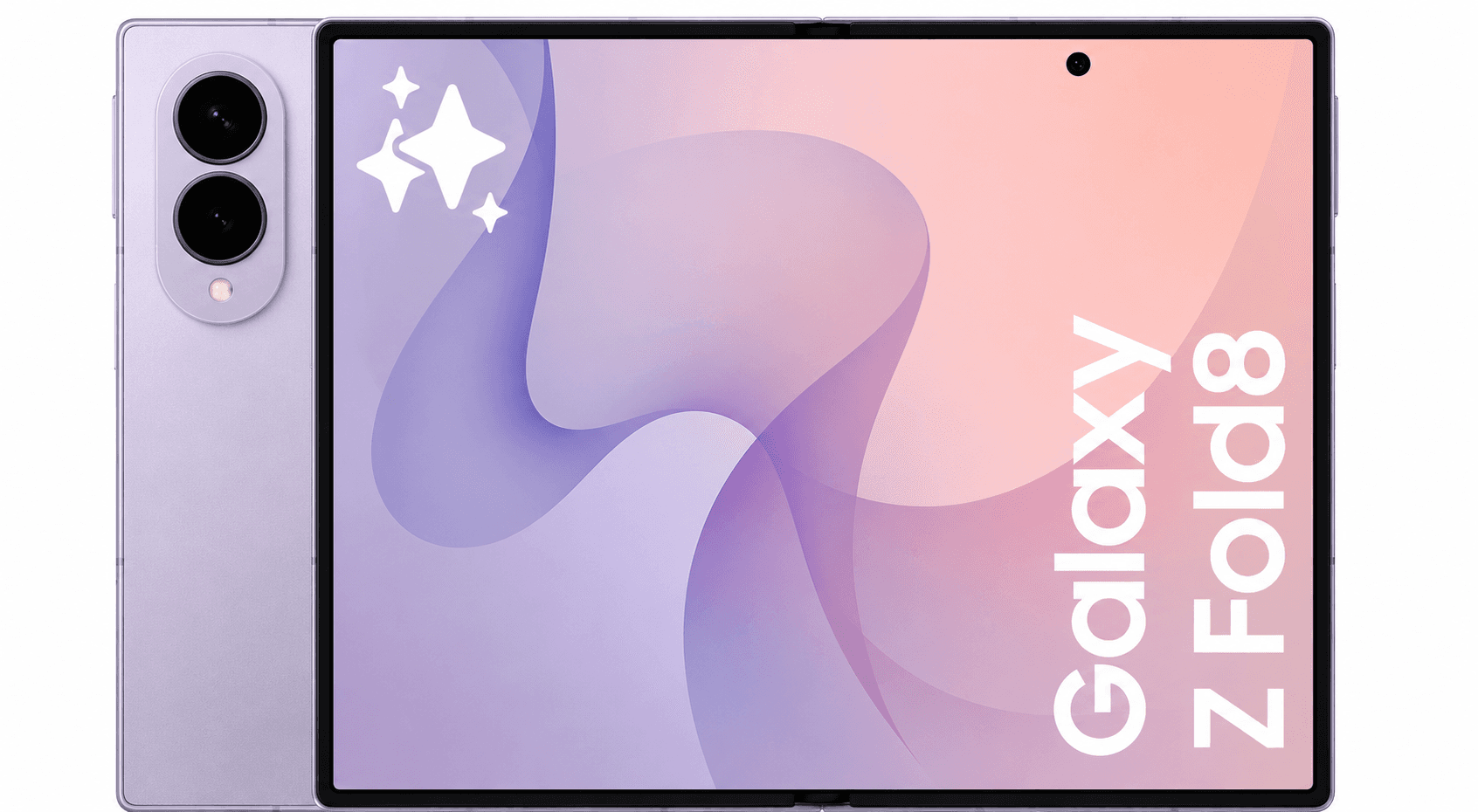
Galaxy Fold 8. The standard Fold 8 is the bigger design departure. Pre-launch details describe a shorter body, a wider cover display, lower weight, and a thicker folded stack than Ultra. In daily terms, that means a cover screen closer to a conventional smartphone aspect ratio and an unfolded canvas that feels more tablet-like side to side.
Expected Fold 8 colors:
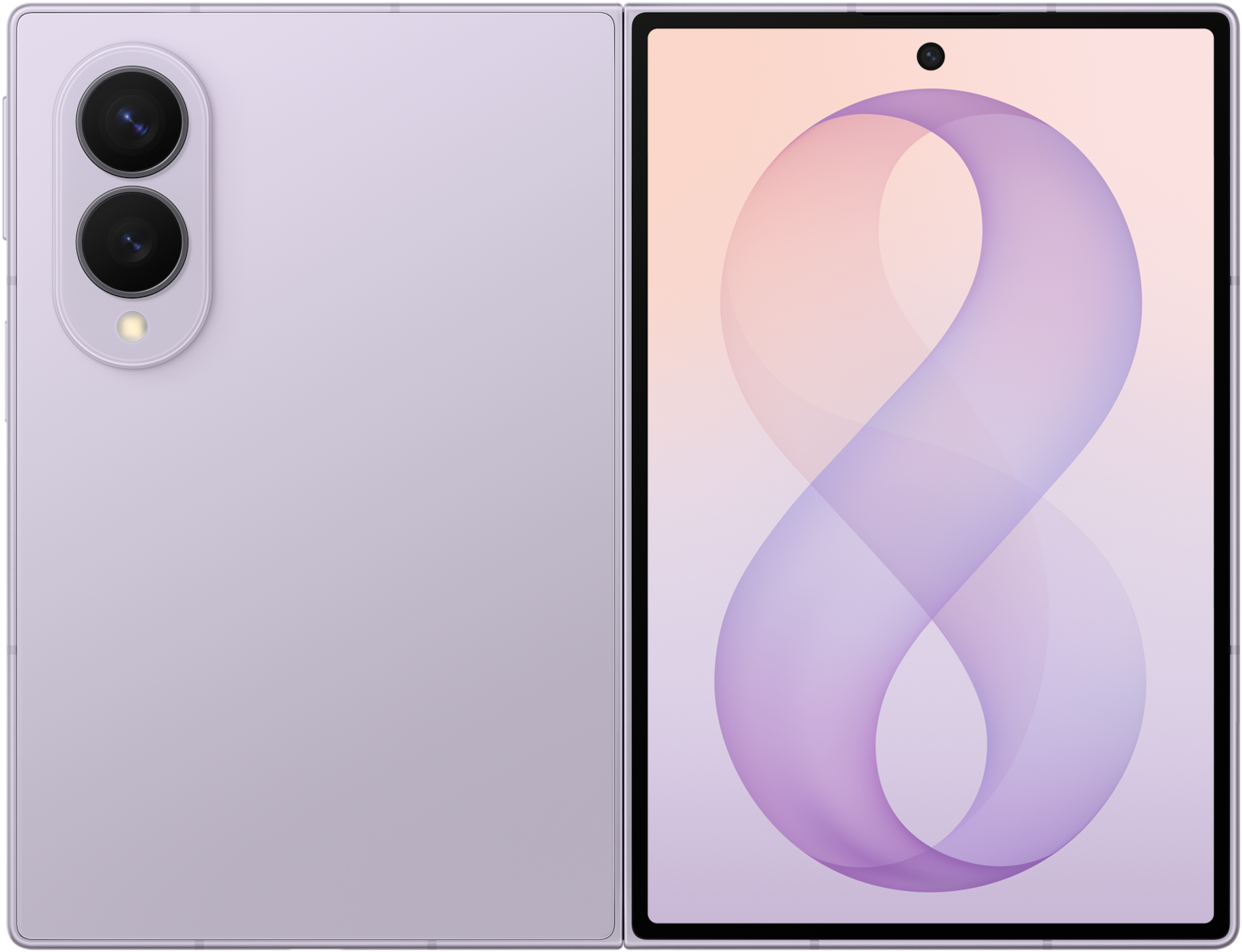
• Cream • Graphite • Lavender • Samsung.com exclusive Pistachio
The wider form factor changes usability more than any camera or chip upgrade. Typing, messaging, and quick glances on the cover display should feel less like using a tall strip of glass. Unfolded, the broader proportions favor media, documents, and split-screen layouts that benefit from horizontal space. The trade-off is a thicker closed body — still a foldable you notice in a pocket, just for different reasons than Fold 7’s tall profile.
Display
Galaxy Fold 8 Ultra. Ultra is expected to keep a display size close to Fold 7 while pushing peak brightness to approximately 3600 nits. That upgrade is most useful outdoors: cover-screen notifications, maps, and unfolded reading in bright light become easier without forcing awkward viewing angles. Buyers who already like Fold 7’s tall inner panel should feel at home.
Galaxy Fold 8. The standard Fold 8 is expected to prioritize a wider outer display with an approximate 16:10 aspect ratio, alongside slightly smaller panels overall. Reduced letterboxing is the practical win for video and apps that still look awkward on tall foldable covers. Media playback, browsing, and social feeds should feel more natural on the outer screen — one of the clearest reasons to choose Fold 8 over Ultra even if Ultra remains the premium nameplate.
S Pen
S Pen support is expected to remain absent, continuing the direction Fold 7 already took. No digitizer means Samsung can keep prioritizing thinner hardware and a simpler display stack. The punch-hole selfie camera is also expected to stay, rather than returning to an under-display solution.
That decision will disappoint note-takers and stylus-first productivity users. For everyone else, it signals that Samsung is still optimizing the Fold around everyday phone and tablet use — pocket comfort, hinge feel, and display quality — instead of restoring accessory-driven thickness.
Crease and Hinge
A redesigned hinge is one of the most important expected changes for both models. Spec sheets rarely capture crease quality well, but owners notice it constantly: reading long articles, watching video, and dragging windows across the fold line.
A less visible crease can become the biggest real-world improvement of the generation. Folding and unfolding should feel more confident, and the inner display should look closer to a continuous tablet surface. For buyers comparing Fold 8 hardware with Fold 7, hinge refinement matters more than a modest camera bump or another year of peak brightness marketing.
Camera
Galaxy Fold 8 Ultra. Ultra is expected to upgrade the ultrawide camera to 50 MP. That change helps landscape shots, group photos, and close-range creative framing — areas where foldables often trail conventional flagships. Combined with the familiar multi-camera layout, Ultra remains the better fit for photography-focused buyers who want zoom flexibility and a fuller rear module.
Galaxy Fold 8. The standard Fold 8 is expected to use a dual rear camera setup with no telephoto. That keeps the rear design simpler and supports the lighter, wider hardware story, but it limits optical zoom. Users who mainly shoot with the main sensor, rely on computational zoom for casual snaps, or prioritize form factor over camera versatility will mind this less. Anyone who regularly uses telephoto for portraits, travel, or detail shots should treat Ultra as the clearer camera choice.
Performance
Both models are expected to use Snapdragon 8 Elite. Versus Fold 7, that platform generation points to faster everyday performance, stronger multitasking headroom on the large inner display, and improved thermal efficiency during long sessions.
Expected memory configurations:
• Galaxy Fold 8 Ultra — up to 16 GB • Galaxy Fold 8 — up to 12 GB
More RAM matters most when owners keep several apps open across cover and inner screens, pin split-screen layouts, or jump between productivity tools all day. Ultra’s higher ceiling fits power users; Fold 8’s 12 GB ceiling should still cover typical foldable multitasking without matching Ultra’s maximum configuration.
Battery
Battery capacity is expected to rise by roughly 14% versus the prior generation. On a foldable, that kind of increase usually shows up as less midday anxiety rather than a dramatic jump to multi-day life: longer cover-screen scrolling, more unfolded video, and better endurance when both displays and radios stay busy.
Real-world gains still depend on efficiency, brightness habits, and software. Even so, a larger cell paired with Snapdragon 8 Elite is one of the more buyer-relevant expected upgrades for people who already stretch Fold 7 to the evening charge window.
Pricing
Current market expectations put Galaxy Fold 8 Ultra roughly KRW 200,000 above Fold 7, with Galaxy Fold 8 landing about KRW 300,000 below Ultra. Those figures are still unofficial and can shift with storage tiers, regional taxes, carrier deals, and launch promotions.
Treat pricing as directional only. The useful takeaway is strategic: Ultra remains the premium continuation of the Fold 7 line, while Fold 8 is positioned as the more approachable entry into Samsung’s new wider foldable shape.
Should Fold 7 Owners Upgrade?
Reasons to upgrade
• You want a meaningfully better crease and hinge feel in daily unfolded use • Battery endurance on Fold 7 already feels tight by late day • You are drawn to the wider Fold 8 cover display and shorter body • You want Ultra’s camera refinements, especially the stronger ultrawide path • You value the next Snapdragon generation for heavy multitasking
Reasons to wait
• Fold 7 already delivered the big thin-and-light leap for your pocket • You still rely on workflows that benefited from S Pen eras and refuse to move on without stylus support • You prefer confirmed pricing, reviews, and hands-on crease comparisons before spending again • Your Fold 7 camera and battery still meet your needs
Galaxy Fold 8 Ultra is the sensible recommendation for Fold 7 owners who like the current tall format and mainly want refinement: hinge quality, battery headroom, performance, and camera polish. It is an evolution purchase, not a lifestyle change.
Galaxy Fold 8 is the stronger recommendation for owners — or first-time foldable buyers — who want a different daily shape. If cover-screen usability and a wider media-friendly canvas matter more than telephoto reach or maximum RAM, the standard model is the more interesting device in the expected lineup.
Early Verdict
Galaxy Fold 8 Ultra looks like evolution: familiar proportions, familiar camera identity, and targeted upgrades that reward Fold 7 owners who want continuity.
Galaxy Fold 8 looks like a new direction: shorter, wider, lighter in the hand, and built around a cover display that behaves more like a conventional phone.
Samsung’s overall strategy may matter more than any single specification. By separating Ultra from a wider Fold 8, the company can chase two audiences at once instead of forcing every Fold buyer into the same tall book-style compromise. Until Samsung officially announces the devices, treat every detail above as highly credible pre-launch reporting rather than final product fact — then judge the real upgrade question by hinge feel, cover-screen comfort, battery life, and which shape you actually want to carry.
This information has not been confirmed by the manufacturer.