Xiaomi Pad Mini User Experience
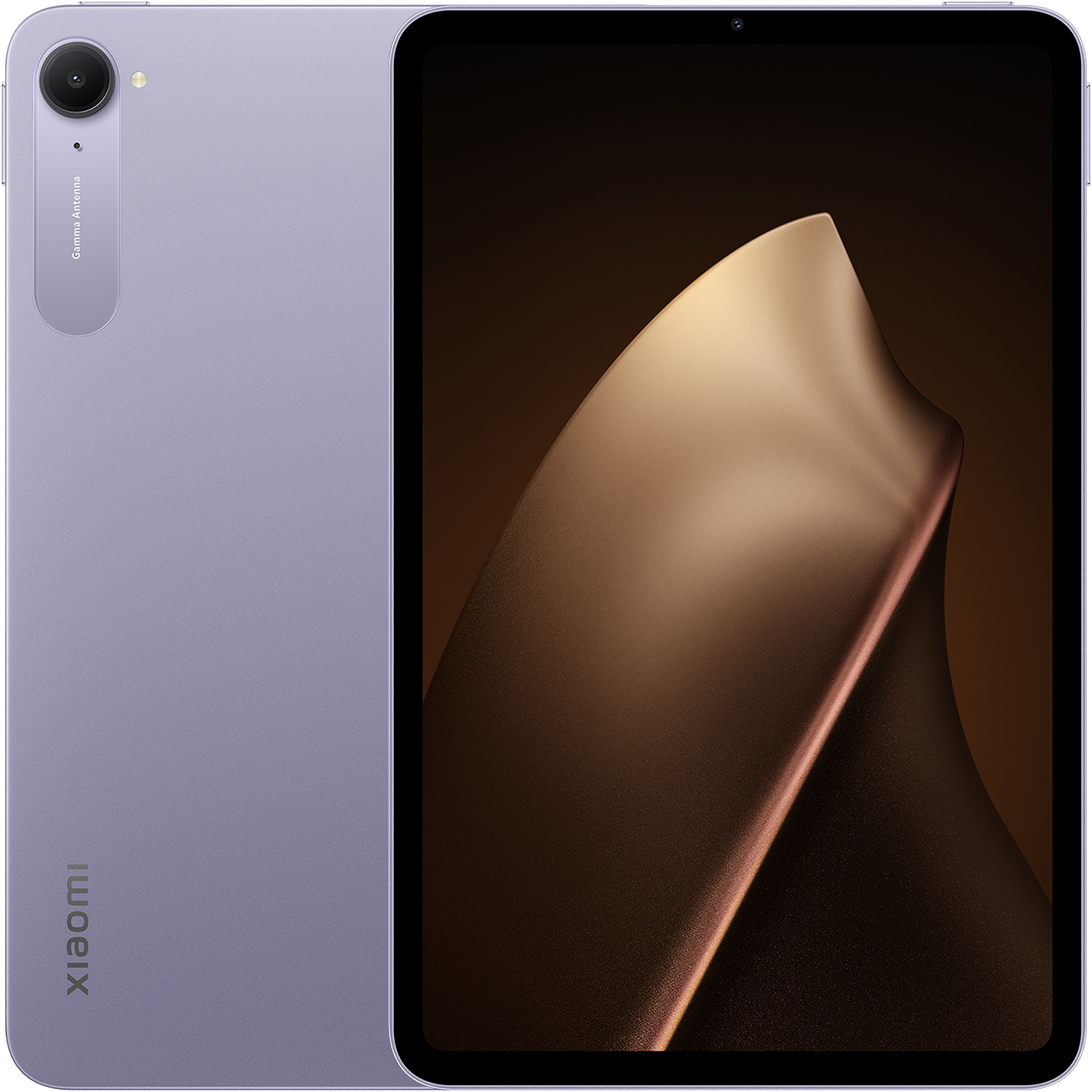
Sizometry Verdict
Editorial scores based on recurring themes across professional reviews, hands-on testing, and expert analysis.
Overall user experience
8.0
out of 10
A superb compact Android reading and gaming companion with Dimensity 9400+ headroom and a rare 165 Hz LCD at 8.8 inches, held back in public sentiment by IPS reflectivity, optional Focus Pen limits, HyperOS friction, and battery stamina that trails larger tablets.
Category scores
Camera
6.5
Adequate for video calls and scanning, with cameras correctly treated as utility features rather than strengths.
Battery and charging
7.5
Respectable daily endurance with excellent 67 W recovery, though standardized tests near twelve hours sit below larger slates.
Performance
8.5
Dimensity 9400+ delivers flagship handheld gaming and multitasking with occasional warmth during long play sessions.
Handling and portability
8.0
Narrow 132 mm width and 16:10 ratio excel for portrait reading, slightly tempered by 326 g versus the lightest compact rivals.
Build quality
7.5
Premium-feeling compact chassis and useful dual USB-C, with LCD glare and button placement as recurring minor frictions.
Value
8.0
A superb compact Android reading and gaming companion with Dimensity 9400+ headroom and a rare 165 Hz LCD at 8.8 inches, held back in public sentiment by IPS reflectivity, optional Focus Pen limits, HyperOS friction, and battery stamina that trails larger tablets.
Strengths
- Unmatched compact Android tablet for reading, gaming, and travel
- Dimensity 9400+ with 165 Hz LCD in an 8.8-inch body
- Fast 67 W charging and USB 3.2 on the long edge
- Handheld-friendly aspect ratio and flagship speed for the size class
Weaknesses
- IPS LCD reflectivity and weaker blacks versus OLED compact rivals
- Focus Pen optional and below Apple Pencil or S Pen tier
- HyperOS bloat and no fingerprint, cellular, or microSD
- Battery hours trail many larger tablets in standardized tests
Best for
- Readers and handheld gamers who want maximum portability on Android
- Secondary-tablet buyers alongside a phone or laptop
- Travelers needing a small bag-friendly high-refresh slate
- Upgraders from budget compact tablets seeking flagship speed
Less suitable for
- Artists needing bundled premium stylus and low-glare panels
- Buyers requiring cellular or expandable storage
- Ecosystem-first iPad mini shoppers
- Users who prioritize all-day stamina over compact size
Upgrade recommendation
Current device: Budget compact Android tablet or aging Xiaomi Pad
Recommendation: Strongly recommendedNotes: Dimensity 9400+, 165 Hz LCD, 67 W charging, and the 8.8-inch chassis address the clearest pain points of older compact hardware.
Current device: iPad mini owner
Recommendation: Depends on prioritiesNotes: Worth considering only if Android flexibility and 165 Hz matter more than Apple Pencil Pro and iPadOS integration.
Current device: Galaxy Tab S10 FE seeking smaller size
Recommendation: Worth consideringNotes: Strong for handheld gaming and reading; trades bundled S Pen and IP68 for a narrower, faster-refresh compact body.
Current device: Large Xiaomi Pad 7 or Pad 8 owner
Recommendation: Depends on prioritiesNotes: Downsizes canvas and absolute battery hours unless large-tablet carry fatigue is the overriding problem.
Bottom line
The Xiaomi Pad Mini earns its strongest praise as the compact Android tablet people actually carry — a 326 g reading and gaming companion between phone and laptop. Dimensity 9400+ power and a 165 Hz panel make it feel flagship inside even as IPS reflectivity, optional Focus Pen limits, and HyperOS tuning remind buyers this is not a miniature OLED pro slate. Companion-device owners report lasting enthusiasm; laptop-replacement hopefuls and stylus-tier comparers frequently hit the 8.8-inch ceiling.
See its real size next to another phone or tablet.
Open size comparisonOverview
Across professional reviews and long-term owner discussions, the Xiaomi Pad Mini is widely regarded as the most convincing compact Android tablet in Xiaomi's lineup — an 8.8-inch handheld canvas built for reading, couch gaming, and travel browsing rather than laptop mimicry.
The most repeated praise centers on size, speed, and refresh rate together. At 132.03 mm wide, 205.13 mm tall, 6.46 mm thick, and 326 g, owners describe slipping it into small bags, reading in bed with one hand, and running demanding games at 165 Hz without the wrist fatigue larger slabs produce.
Daily use
In daily use, the Pad Mini is consistently described as fast and pleasant for routine tablet tasks. Browsers, reading apps, messaging, and streaming benefit from Dimensity 9400+ paired with generous RAM on upper trims. App launches feel immediate, split-screen is usable for light workflows, and transitions between reading, notes, and video are smooth rather than remarkable on this screen size.
The 8.8-inch 3008×1880 IPS LCD at 165 Hz reaches up to 700 nits in high-brightness mode, which owners find strong for couch and desk use and adequate for shaded outdoor reading though not class-leading in direct sun. Color and sharpness receive steady positive mentions for ebooks, comics, and feeds.
Pad Mini
View the full specifications, dimensions, pricing, and related models.
Camera
Camera feedback is secondary for most Pad Mini owners, centered on occasional document scanning, video calls, and quick snapshots rather than creative photography. Front and rear sensors are described as adequate for desk-propped calls and scanning paperwork, with no expectation of phone-level quality.
Face unlock doubles as the primary biometric story; there is no fingerprint reader for quick lens-adjacent authentication. Video calls when the tablet is propped on a stand receive generally positive framing reports in portrait; landscape desk use can feel off-center depending on case angle.
Battery and charging
Typical daily reports align around comfortable endurance for reading, browsing, and moderate gaming, though standardized video tests near twelve hours sit below many larger Xiaomi tablets with bigger cells. Mixed couch and travel days usually end with reserve for light owners; heavy 165 Hz gaming, maximum brightness outdoors, and split-screen research more commonly lead to an evening charge.
Sixty-seven-watt wired charging is among the most repeated positives — brief top-ups recover meaningful range between sessions, and eighteen-watt reverse wired charging occasionally helps accessories in a pinch. Owners adapt quickly to overnight or between-class charging rather than multi-day unplugged dependence.
Performance
App launching, UI animations, and light multitasking are consistently described as fast on Dimensity 9400+. Owners upgrading from budget compact tablets report the largest perceived speed gains, while those comparing with latest iPad mini hardware describe Android refresh advantages versus ecosystem polish.
Gaming feedback is strongly positive for a compact tablet. High refresh titles, emulators, and cloud streaming benefit from flagship silicon unusual at 8.8 inches. Sustained sessions can warm the thin chassis, though lap-supported play reduces discomfort compared with phone gaming grips.
Handling and portability
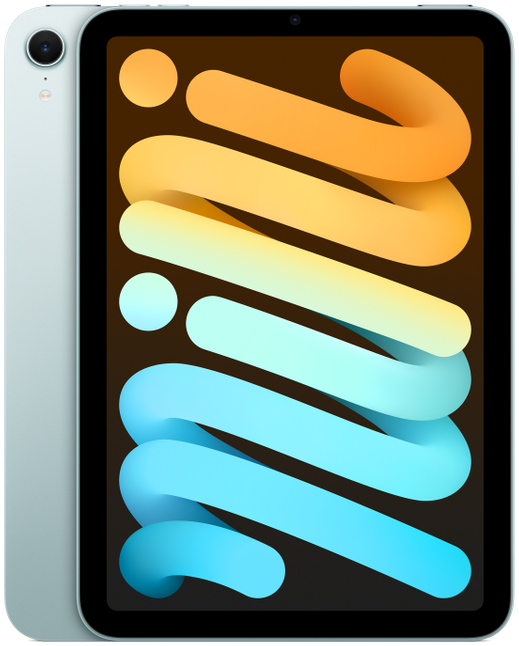
At 132.03 mm wide and 326 g, the Pad Mini is among the most one-hand-friendly current compact tablets in owner discussions — slightly narrower than iPad mini though about 33 g heavier.
Jeans pocket carry is occasionally attempted and rarely sustained in owner reports. The 205.13 mm height and 132.03 mm width exceed practical men's front-pocket dimensions; jacket pockets and large coat pockets accommodate the Pad Mini more often, though still with visible bulk.
For extended reading, manga, and feed scrolling, owners describe comfortable multi-hour sessions in portrait with lap support or a light grip.
Build quality
The metal frame, flat sides, and color finishes produce a device that feels premium and rigid in owner reports for the compact category. Dual USB-C placement — data-capable port on the long edge — receives praise from hub and accessory users.
Button placement generates recurring ergonomic debate. Power and volume keys along the short edge can be awkward in landscape gaming grips or certain case orientations; owners adapt with case cutouts or grip shifts rather than reporting widespread hardware failure.
Similar size devices

This summary is based on recurring reports from public discussions.