vivo X300 Ultra User Experience
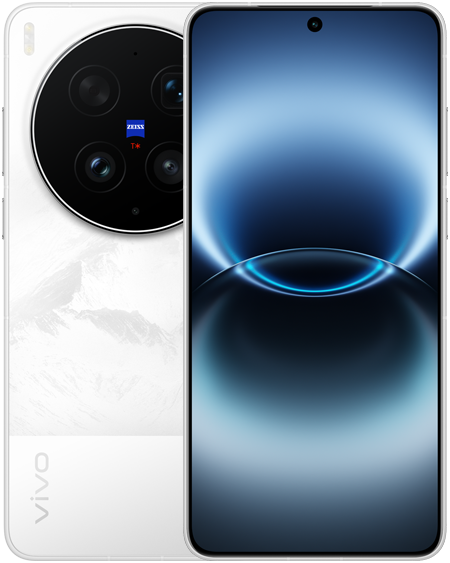
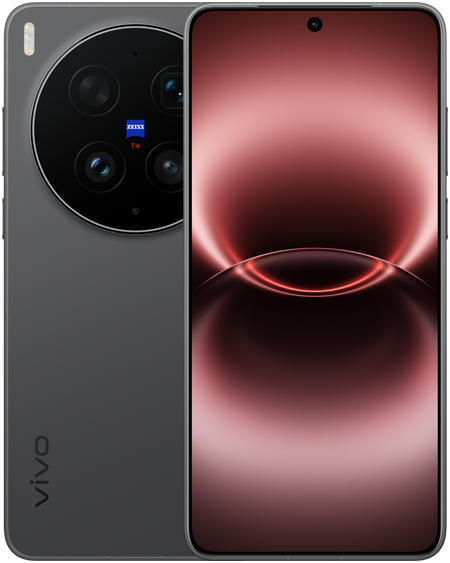
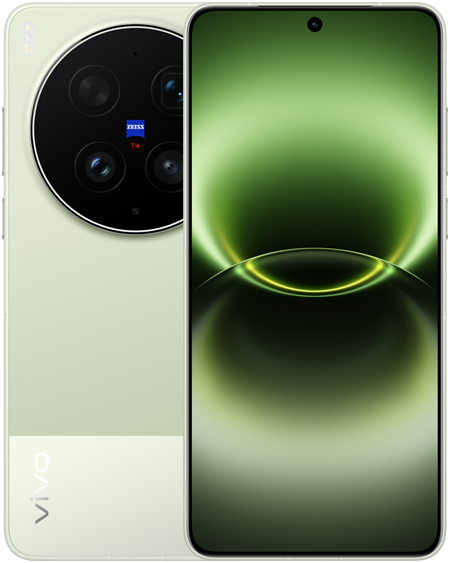
Sizometry Verdict
Editorial scores based on recurring themes across professional reviews, hands-on testing, and expert analysis.
Overall user experience
8.5
out of 10
A Zeiss imaging flagship that leads 2026 Android camera conversations with 200 MP main output, periscope reach, Elite Gen 5 speed, and a sharp QHD+ panel — held back in daily ownership by 76.81 mm width, 232 g weight, OriginOS clutter, and thermal warmth during long video sessions.
Category scores
Camera
9.5
Zeiss quad array with 200 MP main and periscope telephoto ranks among the strongest early 2026 Android imaging packages for zoom, detail, and night portraits.
Battery and charging
8.5
6,600 mAh covers typical days well with 100 W and 40 W wireless recovery, though heavy 200 MP and 4K workflows drain faster than X300 FE accounts.
Performance
9.0
Snapdragon 8 Elite Gen 5 excels in camera and gallery workloads with mild warmth during long 4K recording and gaming.
Handling and portability
6.0
76.81 mm width and 232 g produce consistent one-handed fatigue — the Ultra's clearest ergonomics compromise versus compact siblings. Wide, heavy chassis with a large camera plateau feels awkward in front pockets and tight jeans.
Build quality
8.5
IP68/IP69 sealing, premium materials, and solid assembly impress; large camera module demands case care.
Value
8.5
Competitive feature set and pricing for the target buyer, with clear trade-offs versus premium siblings.
Strengths
- Class-leading Zeiss imaging with 200 MP main and periscope telephoto
- Sharp 6.82-inch QHD+ AMOLED with adaptive 144 Hz
- Elite Gen 5 speed with 100 W wired and 40 W wireless charging
Weaknesses
- Heavy 232 g phablet ergonomics versus X300 FE and standard flagships
- OriginOS 6 promotional surfaces at Ultra pricing
- Thermal warmth during sustained 4K video and gaming
Best for
- Mobile photographers who prioritize zoom reach and Zeiss output
- Travel shooters needing IP69 confidence and versatile lenses
- Creators who review and edit on a large QHD+ canvas
- Upgraders from older vivo Pro or Ultra imaging phones
Less suitable for
- Pocket-first and one-handed commuters
- Casual buyers who rarely use telephoto
- Users wanting neutral color science without Zeiss stylization
- Shoppers sensitive to weight below 200 g
Upgrade recommendation
Current device: X200 Pro, X100 Ultra, or older imaging flagships
Recommendation: Strongly recommendedNotes: Elite Gen 5 speed, improved Zeiss optics, QHD+ panel, and faster charging address clear multi-generation imaging gaps.
Current device: X300 FE owners
Recommendation: Depends on prioritiesNotes: Step up only if periscope reach and 200 MP workflows matter daily — ergonomics regress sharply otherwise.
Current device: Galaxy S26 Ultra owners
Recommendation: Depends on prioritiesNotes: Choose Ultra for Zeiss zoom and stills character; stay Samsung for S Pen, ecosystem, and video pipeline preferences.
Current device: Casual flagship users
Recommendation: Probably unnecessaryNotes: Imaging specialization and weight rarely justify the premium for buyers who do not live in the camera app.
Current device: Shoppers deciding between X300 Ultra and X300 FE
Recommendation: Depends on prioritiesNotes: Choose Ultra for Zeiss imaging reach; choose FE for pocket fit, lighter weight, and endurance density.
Bottom line
The vivo X300 Ultra earns respect as vivo's 2026 imaging flagship through Zeiss quad cameras with 200 MP main detail and periscope telephoto reach, Snapdragon 8 Elite Gen 5 responsiveness, a sharp 6.82-inch QHD+ AMOLED, 6,600 mAh endurance with 100 W and 40 W wireless charging, and IP68/IP69 sealing for travel confidence. Its strongest appeal is camera output that early reviewers place near the top of the Android Ultra class. The dominant trade-offs in the first two months remain 76.81 mm width, 232 g weight, pocket awkwardness, OriginOS 6 promotional clutter, and warmth during long 4K sessions. Shoppers who prioritize one-handed comfort should strongly consider the X300 FE; photographers who accept phablet ergonomics rarely regret the imaging upgrade.
See its real size next to another phone or tablet.
Open size comparisonOverview
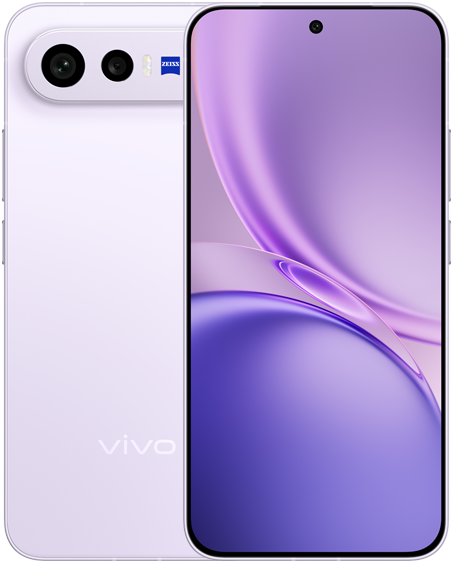
Across professional reviews and early owner discussions since the May 2026 launch, the vivo X300 Ultra is widely regarded as vivo's imaging-first flagship — a phone that prioritizes Zeiss-branded optics, a 200 MP main sensor, periscope telephoto reach, and Snapdragon 8 Elite Gen 5 silicon over pocket comfort. Recurring reports frame it as the model for mobile photographers, travel shooters, and upgraders from X200 Pro or Galaxy S26 Ultra who accept a 76.81 mm wide, 162.98 mm tall, 8.19 mm thick, 232 g chassis in exchange for class-leading stills and video flexibility.
The most repeated praise centers on camera output and display quality together. The 6.82-inch 3168 × 1440 AMOLED with up to 4,500 nits peak, 1–144 Hz adaptive refresh, and 510 ppi density is consistently described as one of the sharpest current phone panels — paired with a rear array that owners call the primary reason to buy. Zeiss tuning, 200 MP main detail, 50 MP ultrawide, and 200 MP periscope telephoto form a toolkit that early reviewers rank near the top of 2026 Android imaging, especially for portraits, zoomed street work, and night cityscapes when processing matches taste.
Daily use
In daily use, the X300 Ultra is consistently described as exceptionally fast. App launches, gallery scrolling through large 200 MP files, and camera mode switching benefit from Snapdragon 8 Elite Gen 5 paired with 16 GB LPDDR5X Ultra Pro RAM. Owners rarely report lag in typical multitasking — the phone feels immediate during photo workflows even when background apps accumulate.
The 6.82-inch QHD+ AMOLED panel is a headline strength. Adaptive 144 Hz scrolling, HDR video, and outdoor peak brightness receive steady praise for editing photos on-device and reviewing zoomed captures in the field. Color accuracy and sharpness suit mixed indoor-outdoor days; fewer owners cite display complaints than weight or OriginOS themes.
OriginOS 6 receives credit for animation smoothness and camera-app integration after initial tuning. Pro and Street Photography modes, Zeiss filter presets, and quick-launch shortcuts integrate smoothly for owners who disable promotional surfaces. Friction includes suggested app installs, duplicate notification handlers, and the learning curve for a deep camera menu that rewards patience.
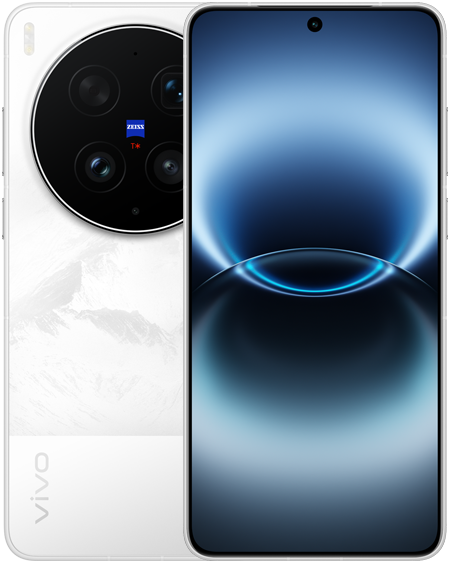
X300 Ultra
View the full specifications, dimensions, pricing, and related models.
Camera
Camera feedback is the Ultra's defining strength. The Zeiss quad rear system — 200 MP main, 50 MP ultrawide, 200 MP periscope telephoto, and 5 MP auxiliary — earns top-tier praise for detail, zoom reach, portrait separation, and night cityscape output in early professional reviews and owner galleries.
Daylight performance earns near-universal praise among imaging-focused buyers: flexible 200 MP cropping, vivid Zeiss color when tuned to taste, and periscope reach that handles concerts, wildlife, and architecture without digital zoom mush. Ultrawide quality trails the main sensor less dramatically than on midrange phones, though edge distortion still appears in architectural shots.
Battery and charging
Typical daily reports align around comfortable all-day endurance for mixed use on the 6,600 mAh cell. Moderate routines often end with meaningful charge remaining; heavy camera days with GPS, 4K video, and high-brightness editing more commonly lead to an evening top-up.
Within vivo's 2026 X300 lineup, the Ultra trades compact endurance density for imaging hardware power draw. Owners shooting hundreds of 200 MP frames or long zoom sessions notice faster drain than X300 FE accounts, though the cell still outlasts many rival Ultra phones in comparison threads.
Performance
App launching, 200 MP processing, and multitasking are consistently described as class-leading. Snapdragon 8 Elite Gen 5 handles OriginOS 6, 144 Hz scrolling, and heavy gallery workloads without meaningful compromise.
Camera pipeline speed impresses: burst capture, HDR stacking, and zoom preview feel immediate in most accounts. Occasional post-update camera lag appears in patch notes but resolves quickly in owner reports.
Handling and portability
At 76.81 mm wide, 162.98 mm tall, and 232 g, the X300 Ultra is consistently described as challenging for one-handed use. Thumb reach across the lower display works for messaging and quick browsing; top corners, camera controls, and notification shade targets require grip shifts or two-handed operation in most accounts.
In standard men's jeans and jacket pockets, owners report a snug to awkward fit. At 76.81 mm width, 8.19 mm thickness, and 232 g, the Ultra is felt immediately compared with X300 FE or standard Galaxy S26 models. Women's pocket compatibility remains a category-wide pain point; the wide Zeiss camera plateau and heavy chassis exacerbate shallow-pocket complaints in early threads.
Holding the X300 Ultra for 30–60 minutes during photo walks is tiring for many users. Weight and width produce wrist fatigue faster than X300 FE or standard flagships — the most repeated long-session comfort complaint outside camera praise. Nighttime reading and streaming are generally comfortable on the large high-refresh panel, though one-handed couch use pushes owners toward two-hand grips.
Build quality
IP68 and IP69 sealing, premium back materials, and tight panel seams feel appropriate for a 2026 imaging flagship. Ultrasonic fingerprint and precise button tactility at 232 g convey solidity without hollow flex in most accounts.
The large Zeiss camera array is both a pride point and a durability concern — lens glass and plateau edges benefit from cases for drop-prone users. Black glass-fiber and Green/White glass backs generate debate over perceived luxury versus weight.
Considering another X300 model?
Similar size devices
This summary is based on recurring reports from public discussions.