vivo V70 User Experience
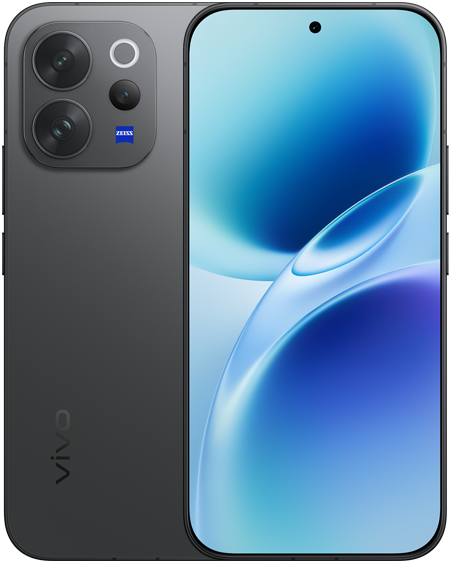
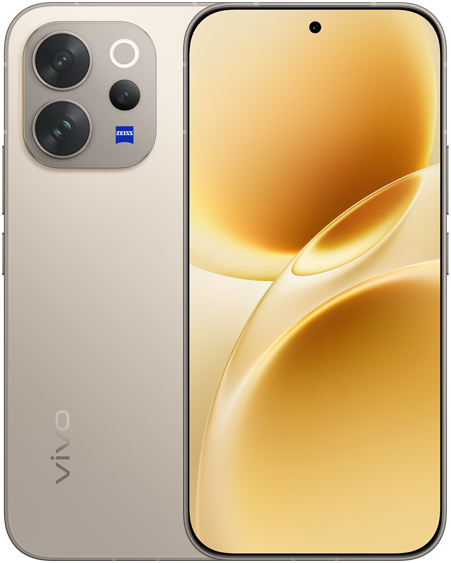
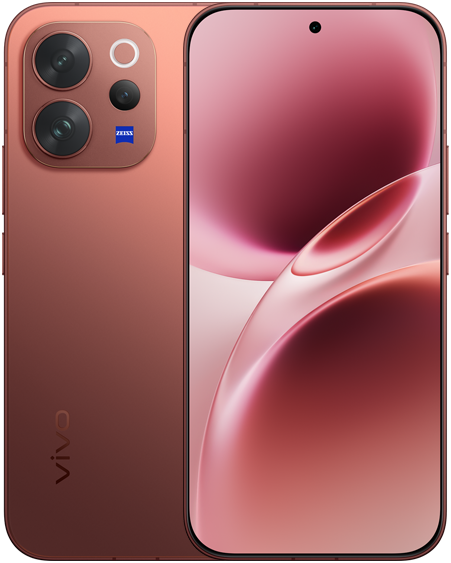
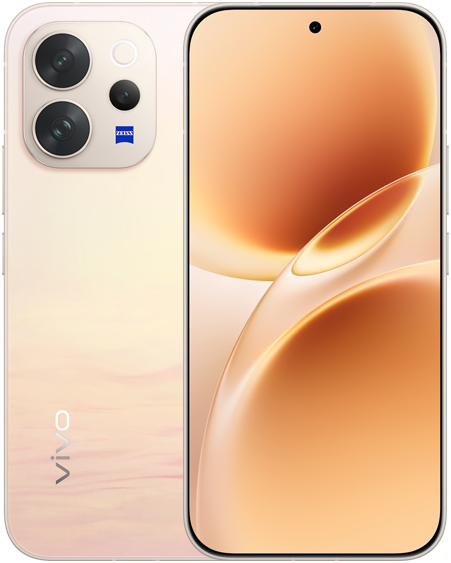
Sizometry Verdict
Editorial scores based on recurring themes across professional reviews, hands-on testing, and expert analysis.
Overall user experience
8.0
out of 10
A compact early-2026 V-series standout with Zeiss portrait credibility, excellent pocket ergonomics at 74.33 mm, 6500 mAh stamina, and 90 W recovery — held back by a weak ultrawide, smaller 6.59-inch canvas for media lovers, and no wireless or microSD safety nets.
Category scores
Camera
8.5
Zeiss main and 50 MP telephoto excel for portraits and social zoom; 8 MP ultrawide is the clear weak lens.
Battery and charging
8.5
6500 mAh delivers strong multi-day moderate use; 90 W wired charging keeps busy-day recovery practical.
Performance
8.0
Snapdragon 7 Gen 4 handles daily and camera workflows well; not a sustained gaming flagship.
Handling and portability
8.5
Sub-75 mm width and 187 g baseline make this the most approachable recent V phone for single-hand reach. Narrow, relatively short chassis fits men's pockets notably better than V50, V60, or V70 FE.
Build quality
8.5
IP68 and IP69, ultrasonic fingerprint, and premium back options impress; no wireless charging tempers polish.
Value
8.0
Competitive feature set and pricing for the target buyer, with clear trade-offs versus premium siblings.
Strengths
- Compact narrow body with flagship-feeling Zeiss portrait system
- 6500 mAh endurance and 90 W charging in a 187 g travel-friendly package
- Excellent outdoor display and IP68/IP69 confidence
Weaknesses
- Weak 8 MP ultrawide versus strong main and telephoto
- Smaller screen than V70 FE and recent wide V phones
- No wireless charging or microSD for legacy buyers
Best for
- Portrait and travel photographers wanting compact Zeiss hardware
- One-handed users escaping wide V50 or V60 footprints
- Buyers prioritizing pocket fit and battery stamina together
Less suitable for
- Shoppers wanting maximum screen and 200 MP main resolution
- Ultrawide-heavy photographers
- Wireless-charging-first desk routine users
Upgrade recommendation
Current device: vivo V40, V50, or wide midrange Android (2–3 years old)
Recommendation: Strongly recommendedNotes: Narrower chassis, larger battery, Zeiss telephoto, and IP69 sealing feel like meaningful generational ergonomics and camera gains.
Current device: vivo V60 owners
Recommendation: Depends on prioritiesNotes: Choose V70 for compact hand fit; stay on V60 or consider V70 FE if screen size matters more than width.
Current device: Shoppers deciding between V70 and V70 FE
Recommendation: Depends on prioritiesNotes: V70 for compact Zeiss telephoto; V70 FE for 6.83-inch canvas, 200 MP main, and 7000 mAh absolute stamina.
Current device: vivo X-series flagship owners
Recommendation: Probably unnecessaryNotes: Stepping down trades display size, chipset headroom, and prestige unless portability is the overriding goal.
Current device: Ultrawide-first photographers
Recommendation: Worth consideringNotes: Preview the 8 MP ultrawide before buying; main and telephoto may satisfy, but wide-angle weakness is real.
Bottom line
Early ownership paints the vivo V70 as a compact camera-first V phone: buy it for Zeiss portrait output, 74.33 mm pocket ergonomics, and 6500 mAh multi-day confidence with 90 W recovery, not for the largest display or megapixel marketing headline. First-month owners consistently praise one-handed reach, telephoto fun, and outdoor screen brightness while accepting a soft ultrawide, no wireless charging, and a smaller canvas than the V70 FE. Long-term verdicts will test battery health and Zeiss tuning durability, but the launch-quarter synthesis is already clear — the most hand-friendly recent V device for buyers who shoot people more than landscapes.
See its real size next to another phone or tablet.
Open size comparisonOverview
This article reflects early ownership patterns for the vivo V70, which launched in Taiwan on March 10, 2026, before rolling into India and broader Asia-Pacific markets. Professional reviews and first-month owner threads are still maturing long-term consensus, but recurring themes already define a clear identity: a deliberately compact V-series phone that trades the wide footprints of the V50 and V60 for easier one-handed reach, while keeping Zeiss-branded portrait hardware and a 6500 mAh-class battery as headline strengths.
The most repeated praise centers on handling and stamina together. At 74.33 mm wide, 157.52 mm tall, 7.4 mm thick, and 187 g in the black finish, the V70 is noticeably narrower than the 76.72 mm V50 and 76.96 mm V60 — owners migrating from those models describe thumb reach across the 6.59-inch panel as meaningfully easier during messaging, transit browsing, and portrait-oriented camera use. Paired with a 6500 mAh cell and 90 W wired charging, the phone is repeatedly called a two-day device for moderate routines and a comfortable single top-up phone for heavier navigation days.
Daily use
In daily use, the V70 is consistently described as smooth for routine tasks on the Snapdragon 7 Gen 4 paired with OriginOS 6. App launches, messaging, social feeds, and camera quick-launch benefit from UFS 4.1 storage and 12 GB RAM on the common retail configuration. Owners rarely report meaningful lag under normal workloads, though a subset notes mild warmth when combining 120 Hz scrolling, navigation, and prolonged 90 W top-ups in warm rooms.
The 6.59-inch AMOLED panel at 2750 × 1260 resolution with up to 120 Hz refresh and aggressive peak brightness is among the most praised hardware details. Outdoor legibility earns repeated mentions — owners who shoot street portraits in harsh light describe the display as a practical viewfinder advantage. The smaller diagonal versus V50 and V60 feels intentional: less thumb stretching, slightly less immersion for horizontal video, but cleaner one-handed operation.
Friction clusters around software polish and lens hierarchy. OriginOS promotional surfaces and duplicate app suggestions appear in early threads, though most owners classify them as configurable annoyances rather than dealbreakers. Ultrawide softness and limited low-light reach relative to the main and telephoto lenses generate the most recurring camera complaints outside portrait mode.
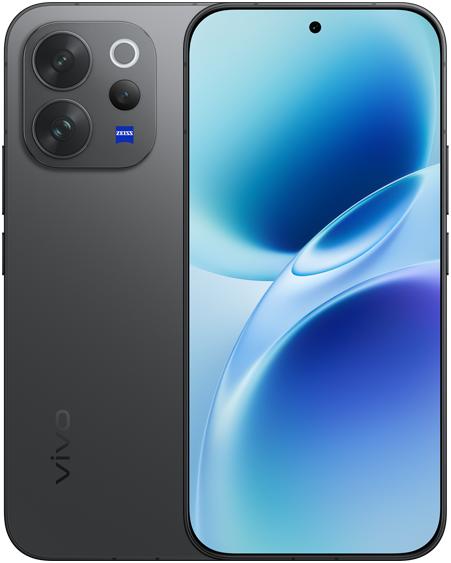
V70
View the full specifications, dimensions, pricing, and related models.
Camera
Camera feedback centers on Zeiss portrait strength and telephoto reach. The 50 MP main OIS sensor earns praise for reliable color, skin tones, and exposure in daylight; portrait modes with Zeiss bokeh rendering are repeatedly called the phone's signature feature. The 50 MP telephoto with OIS handles 2×–5× social zoom better than digital crop on ultrawide-only rivals.
Low-light performance on the main sensor is solid for the class, though not class-leading versus larger flagship sensors. The 8 MP ultrawide is the consistent weak point — soft corners, weaker night behavior, and less owner enthusiasm than the primary and telephoto pair.
Battery and charging
Typical daily reports align around comfortable multi-day endurance for moderate use on the 6500 mAh cell. Lighter routines often end day two with meaningful charge remaining; heavy 120 Hz outdoor use, prolonged camera sessions, and navigation more commonly lead to a single late-evening top-up.
90 W wired charging is among the most praised practical features. Busy-day recovery from low charge to usable range happens quickly enough that overnight-only charging is not mandatory for many owners. Wireless charging omission generates occasional mentions but rarely dominates complaints given the strong wired speed.
Performance
App launching and routine multitasking are consistently described as snappy for a mid-premium V phone on Snapdragon 7 Gen 4. Owners rarely report lag under normal workloads, though heavy gaming at maximum settings is not the primary use case in early threads.
Gaming feedback is positive for mainstream titles at high but not maxed settings. Sustained sessions can warm the chassis mildly; throttling anecdotes are less common than on older V midrangers.
Handling and portability
At 74.33 mm wide, 157.52 mm tall, and 7.4 mm thick in the black finish, the V70 is the narrowest recent V-series body in the catalog — more than 2 mm slimmer in width than the V50 and V60. Thumb reach across the lower and middle display works comfortably for messaging, quick settings, and portrait framing; top corners still require a grip shift, but less often than on 76 mm-plus siblings.
In standard men's jeans and jacket pockets, owners report an excellent fit for a modern camera-focused phone — 74.33 mm width slides in more easily than V50, V60, or the 76.2 mm V70 FE. The shorter 157.52 mm height reduces corner poke in shallow pockets compared with 163 mm-class siblings. Women's pocket compatibility remains a category-wide pain point, but early threads note that the narrower chassis helps versus wider V phones even when pocket depth is still limiting.
Holding the V70 for 30–60 minutes is comfortable for most users regarding weight and display quality. Long vertical scrolling and portrait editing benefit from the lighter chassis versus wider 6500–7000 mAh rivals. Nighttime reading is generally comfortable with smooth 120 Hz scrolling and sensible automatic brightness. Owners who edit Zeiss portrait galleries for extended periods report occasional processing warmth but rarely cramping from chassis weight.
Build quality
IP68 and IP69 ingress protection, glass or glassfiber back options, and a 3D ultrasonic fingerprint sensor combine into a device that feels more premium than plastic-backed FE siblings — one of the V70's most cited material advantages.
Finish choice matters: black glassfiber at 187 g feels distinct from heavier glass color variants at 194 g. Owners praise perceived durability without calling the phone rugged — it remains a lifestyle V device.
Considering another V70 model?
Similar size devices
This summary is based on recurring reports from public discussions.