vivo V50 User Experience
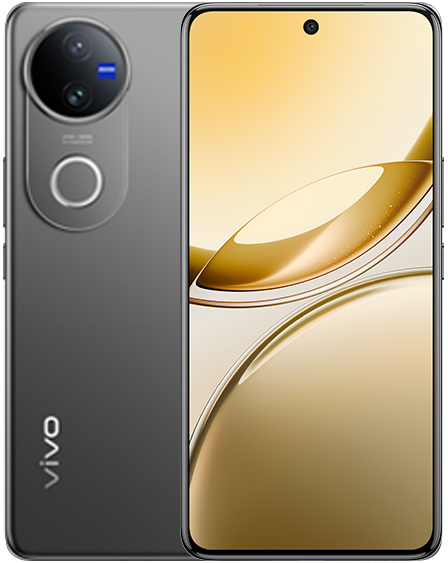

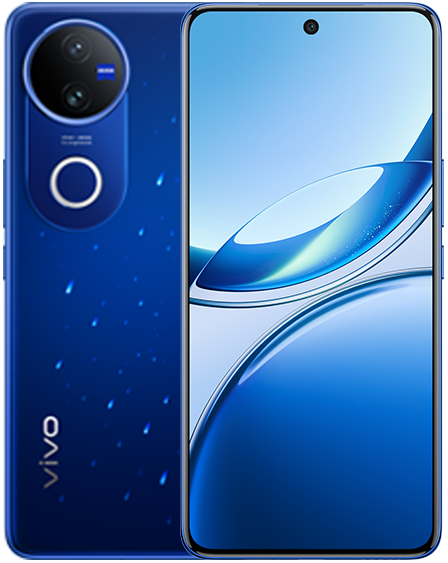
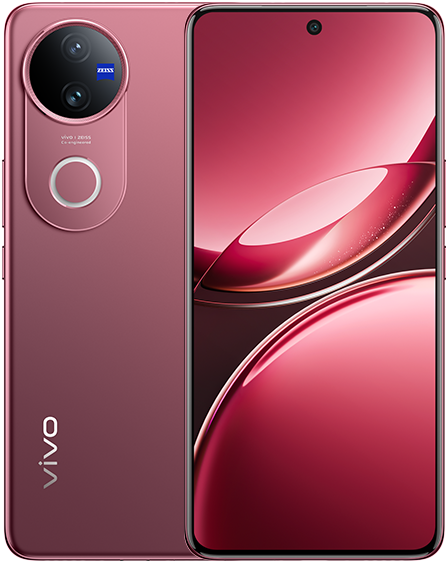
Sizometry Verdict
Editorial scores based on recurring themes across professional reviews, hands-on testing, and expert analysis.
Overall user experience
7.5
out of 10
A camera-first 2025 midranger with Zeiss portrait excellence, 6000mAh endurance, 90W charging, and IP68/69 confidence — held back by no telephoto, modest ultrawide, plastic frame, stagnant Snapdragon 7 Gen 3, and three-year OS updates.
Category scores
Camera
8.5
Zeiss portraits and Wedding Mode shine; main and selfie sensors strong for the class, with ultrawide and missing telephoto as clear limits.
Battery and charging
9.0
6000mAh delivers multi-day moderate use; 90W recovery among the fastest in the midrange tier.
Performance
7.0
Snapdragon 7 Gen 3 handles daily and casual gaming well with mild warmth; trails flagship-chip rivals in benchmarks.
Handling and portability
7.0
Light 189 g and slim 7.39 mm profile help, though 76.72 mm width still demands grip shifts on the 6.77-inch panel. 189 g carry weight is comfortable, but 76.72 mm width and tall 163.29 mm footprint feel large in narrow pockets.
Build quality
7.5
IP68/69 and Diamond Shield glass impress; plastic frame and rear-variant inconsistency temper premium feel.
Value
7.5
Competitive feature set and pricing for the target buyer, with clear trade-offs versus premium siblings.
Strengths
- Zeiss portrait and Wedding Mode — best-in-class midrange processing
- 6000mAh battery with 90W charging — endurance and recovery leaders
- IP68/69 sealing with stereo speakers — durable daily media package
- Slim 189 g chassis despite large silicon-carbon cell
Weaknesses
- No telephoto — optical zoom absent for travel and events
- Snapdragon 7 Gen 3 plateau and UFS 2.2 — behind performance rivals
- Three major OS updates only — shorter than some 2025 promises
- Modest ultrawide and plastic frame — versatility and feel limits
Best for
- Portrait and wedding photographers who prioritize Zeiss color science
- Users upgrading aging phones who need multi-day 6000mAh endurance
- Buyers who value IP69 and 90W over benchmark charts
- Social creators focused on main and selfie cameras over ultrawide
Less suitable for
- Telephoto-dependent travel and concert photographers
- Performance-first shoppers comparing Snapdragon 8 rivals
- Owners who demand five-year major Android updates
- Ultrawide landscape shooters wanting flagship-wide detail
Upgrade recommendation
Current device: vivo V29, V27, or older V-series
Recommendation: Strongly recommendedNotes: 6000mAh, 90W, IP69, and refined Zeiss portraits address battery, sealing, and imaging gaps from prior generations.
Current device: vivo V40 owners
Recommendation: Depends on prioritiesNotes: Battery and charging upgrade versus display resolution downgrade and same chipset — worthwhile mainly for endurance seekers.
Current device: Galaxy A54 or A55 generation
Recommendation: Worth consideringNotes: V50 wins portrait polish and battery; Samsung wins software longevity and ecosystem — choose by camera versus updates.
Current device: OnePlus 13R or Snapdragon 8 rivals
Recommendation: Probably unnecessaryNotes: Stepping sideways trades benchmark leadership for Zeiss portraits — only sensible if imaging matters more than raw speed.
Current device: Shoppers needing telephoto zoom
Recommendation: Depends on prioritiesNotes: Wait for V60 or X-series; V50 digital zoom cannot replace optical reach for travel photography.
Bottom line
The vivo V50 earns respect as a 2025 camera-first midranger through Zeiss portrait processing, Wedding Mode delight, 6000mAh multi-day endurance, 90W recovery, IP68/69 sealing, and a light 189 g slim chassis. Its strongest appeal is looking and shooting like a premium event phone without flagship pricing. Dominant trade-offs remain the absent telephoto, modest ultrawide, plastic frame, Snapdragon 7 Gen 3 plateau with UFS 2.2, 1080p panel downgrade from V40, and only three major Android updates. Portrait and battery loyalists should audition Funtouch and ultrawide samples before committing; telephoto and benchmark shoppers should compare V60 or performance rivals first.
See its real size next to another phone or tablet.
Open size comparisonOverview
Across professional reviews and early owner discussions since the February 2025 launch, the vivo V50 is widely regarded as the V-series formula refined for camera-first midrange buyers — a slim 189 g phone with Zeiss-tuned portrait processing, a 6000mAh silicon-carbon battery, 90W wired charging, and IP68/69 sealing that pushes durability above many Reno and Galaxy A rivals at similar prices. Recurring reports frame it as a wedding-and-portrait specialist rather than a performance flagship.
The most repeated criticisms center on incremental hardware conservatism: the same Snapdragon 7 Gen 3 chipset carried from prior V generations, UFS 2.2 storage, only three promised major Android upgrades on Funtouch OS 15, no dedicated telephoto lens, and a plastic frame that feels honest at the price but less premium than glass-flagship siblings. Ultrawide quality earns polite mentions but rarely matches main-camera praise.
Daily use
In daily use, the vivo V50 is consistently described as smooth and dependable for routine tasks on the Snapdragon 7 Gen 3 with Funtouch OS 15. App launches, messaging, navigation, and social feeds run without the sense of compromise that older V-series phones sometimes developed within a year. Owners rarely report meaningful lag during active multitasking, with friction clustering around preinstalled bloat suggestions and occasional idle-resume stutter after long inactivity.
The 6.77-inch 120Hz AMOLED panel and stereo speakers make the V50 feel substantially more complete for daily media than budget Galaxy A entries. Scrolling remains fluid, outdoor legibility benefits from high peak brightness claims, and punch-hole styling feels current. Wedding Mode and portrait shortcuts earn genuine enthusiasm from event photographers and content creators who prioritize people shots over zoom reach.
Funtouch OS 15 receives mixed credit for customization depth and duplicate-app fatigue. The 189 g weight and 7.39 mm profile feel manageable for prolonged browsing, though the 76.72 mm chassis is noticeably wide during one-handed edge typing compared with narrower flagships.
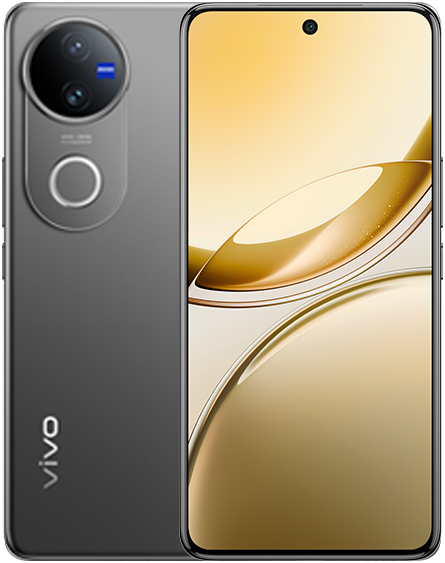
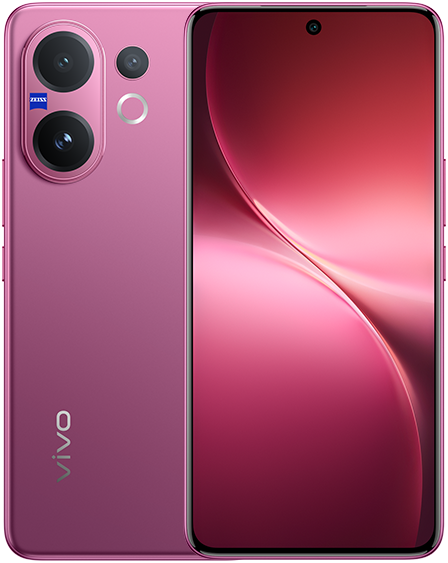
V50
View the full specifications, dimensions, pricing, and related models.
Camera
Camera feedback centers on standout Zeiss portrait processing — skin tones, edge detection, and Wedding Mode filters earn the strongest praise in professional and community threads. The 50MP main sensor with OIS delivers dependable daylight and acceptable low-light results when expectations match midrange hardware.
The 50MP ultrawide is competent for group and landscape shots but consistently described as modest versus the main camera — softer corners, weaker night detail, and less Zeiss magic than portrait modes. No telephoto lens is the most cited zoom limitation for travel and concert owners.
Battery and charging
Typical daily reports align around excellent multi-day endurance for moderate use on the 6000mAh silicon-carbon cell. Lighter routines often end with substantial charge remaining after heavy camera days; gaming, prolonged 120Hz scrolling, or extended GPS use more commonly leads to a single evening top-up rather than midday panic.
90W wired charging is among the V50's headline strengths. Full recovery in roughly 40–45 minutes suits busy-day habits and event photography where overnight charging is not guaranteed. Owners migrating from 25W or 33W Galaxy A phones describe charging pace as a tangible daily upgrade.
Performance
App launching and routine multitasking are consistently described as snappy enough for the price tier on Snapdragon 7 Gen 3. Owners rarely report lag under normal workloads, though synthetic benchmarks trail OnePlus 13R-class Snapdragon 8 phones clearly.
Gaming feedback is positive for mainstream titles at modest settings — Genshin Impact and BGMI playable with thermal efficiency praised over peak frame rates. Sustained high-load sessions can warm the chip; throttling is described as mild rather than catastrophic.
Handling and portability
At 76.72 mm wide, 163.29 mm tall, and 189 g, the vivo V50 sits in the upper-midrange width band without crossing into the bulkiest 78 mm Galaxy A footprints. Thumb reach across the lower and middle display works for messaging and quick browsing; top corners still require a grip shift on the 6.77-inch canvas.
In standard men's jeans and jacket pockets, owners report an acceptable fit for a large 6.77-inch phone, though 76.72 mm width and curved glass are felt more than on narrower 74 mm designs. Women's pocket compatibility remains a category-wide pain point; the 76.72 mm chassis can feel snug in narrow front pockets despite the relatively light 189 g carry weight.
Holding the vivo V50 for 30–60 minutes is comfortable for most users regarding weight and display quality — the 189 g chassis and slim 7.39 mm profile reduce forearm fatigue during wedding-event photography or long portrait sessions. Nighttime reading is generally comfortable with smooth 120Hz scrolling and aggressive auto-brightness outdoors. Stereo speaker output earns very-good marks in lab tests and pleasant mentions for couch video without headphones.
Build quality
IP68/69 dust and high-pressure water resistance plus Diamond Shield glass front protection combine into a device that feels more durable than many plastic-midranger rivals — one of the V50's most praised upgrades over older V phones without sealing.
Plastic frame honesty generates recurring debate: acceptable and lightweight at the price, but less reassuring than metal rails on Oppo Reno Pro siblings. Glass or plastic rear variants shift premium feel — glass backs rate higher, plastic backs lighter.
Considering another V50 model?
Similar size devices
This summary is based on recurring reports from public discussions.