vivo Pad SE User Experience
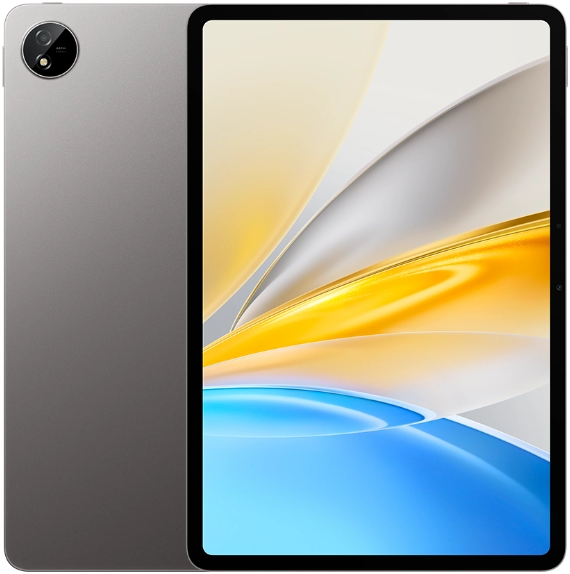
Sizometry Verdict
Editorial scores based on recurring themes across professional reviews, hands-on testing, and expert analysis.
Overall user experience
6.5
out of 10
A budget-forward China-only April 2025 tablet with acceptable 12.3-inch media canvas and Origin OS 5 HD polish at 559 g — held back by 15W charging, Snapdragon 6 Gen 1 ceilings, no GMS, and Wi-Fi-only CN firmware.
Category scores
Camera
5.5
Entry sensors sufficient for video calls and documents.
Battery and charging
8.0
8500 mAh large cell offsets 15W adapter limits.
Performance
7.0
Snapdragon 6 Gen 1 smooth for media; modest for heavy gaming.
Handling and portability
5.5
559 g and 12.3-inch width favor lap reading over wand use. 12.3-inch IPS tablet needs a sleeve or backpack slot.
Build quality
7.0
6.8 mm frame solid for the price with honest IPS panel.
Value
6.5
Competitive feature set and pricing for the target buyer, with clear trade-offs versus premium siblings.
Strengths
- 12.3-inch 60/90 Hz IPS canvas strong for family media
- 8500 mAh with comfortable all-day streaming endurance
- Snapdragon 6 Gen 1 daily smoothness at value pricing
- Settled community pattern confidence by mid-2025
Weaknesses
- 15W adapter slow versus 15Wimum
- 559 g heavy compared with 475 g Pad5
- IPS black levels trail OLED and high-refresh LCD rivals
- Modest gaming headroom versus Pad5
Best for
- Families wanting large IPS screen per dollar
- Couch streamers prioritizing 12.1 inches and battery
- Redmi Pad SE value cross-shoppers
- Buyers upgrading from budget 10-inch hardware
Less suitable for
- Buyers wanting the lightest vivo tablet
- Stylus-first productivity users
- Gaming enthusiasts needing Dimensity or Snapdragon 8 class
- OLED or 144 Hz priority at similar prices
Upgrade recommendation
Current device: Budget 10-inch / Fire tablets
Recommendation: Strongly recommendedNotes: Meaningful screen-size and battery jump with Origin OS 5 HD.
Current device: vivo Pad5
Recommendation: Depends on prioritiesNotes: Pad SE wins 12.3-inch area; Pad5 wins weight, 144 Hz, and gaming.
Current device: vivo Pad5 Pro3
Recommendation: Worth consideringNotes: If flagship silicon and eight speakers matter more than value pricing.
Current device: vivo Pad SE
Recommendation: Probably unnecessaryNotes: Already the value large-screen pick; upgrade for performance or OLED only.
Bottom line
Pad SE is vivo's large-screen value play — buy for 12.1 inches and battery, upgrade the charger to 15W if impatient, and cross-shop Pad5 if handheld weight and 144 Hz matter more.
See its real size next to another phone or tablet.
Open size comparisonOverview
Since the April 2025 CN availability wave, the vivo Pad SE is widely regarded as vivo's value-forward large-screen tablet for domestic China buyers — pairing a 12.3-inch 2464×1600 LCD panel at 60/90 Hz with Snapdragon 6 Gen 1 silicon, a 8500 mAh cell, and a 559 g, 6.8 mm chassis that trades flagship polish for screen area per dollar. Recurring reports frame it as a family-and-student media slab rather than a stylus-first productivity flagship, with domestic app Origin OS 5 HD builds settling into a dependable community pattern by mid-2025.
The most repeated praise centers on large IPS canvas, battery size, and dependable daily smoothness for streaming and browsing. At 185.58 × 277.08 mm, the Pad SE combines quad-speaker output, Origin OS 5 HD on Android 15 without GMS, and 15W charging with a 15Wimum owners unlock with aftermarket bricks. Community pattern confidence reflects a settled mid-2025 install base rather than launch-window volatility.
Daily use
Daily use feels smooth on Snapdragon 6 Gen 1 with Origin OS 5 HD for streaming, browsing, messaging, and light schoolwork — friction clusters around 15W charging on heavy days, Origin OS 5 HD promotional suggestions on first boot, and outdoor IPS brightness limits.
The 12.3-inch 60/90 Hz IPS and quad speakers feel like a meaningful step up from budget 10-inch tablets for family movie nights. Scrolling is fluid though not as snappy as Pad5's 144 Hz; Origin OS 5 HD floating windows work for casual split-screen but tight for dense research layouts.
Origin OS 5 HD gets mixed credit for customization depth versus first-week bloat cleanup. The 559 g chassis feels substantial in portrait for bedside reading; many owners adopt folio cases for grip on glossy backs.
Pad SE
View the full specifications, dimensions, pricing, and related models.
Camera
Camera feedback is minimal and utility-focused — video calls, document snaps, and kid homework photos. Entry rear and front sensors satisfy family workflows without generating enthusiast camera discourse.
Front-camera calls work for kitchen-table Zoom and classroom check-ins where the large screen frames participants adequately. Low-light quality is basic and expected at this tier.
Battery and charging
Typical daily reports align around strong all-day endurance on 8500 mAh for streaming, browsing, and school apps. Lighter family routines often finish with 25–30% remaining; heavy 60/90 Hz gaming or max-brightness days lead to evening top-ups without the panic smaller cells provoke on road trips.
15W wired charging dominates negative threads — full charges in roughly three hours feel archaic next to 44W Pad5 or 66W Pad5 Pro siblings in the same household. Owners accept overnight trickle habits but complain loudly in Zhihu comparisons against Redmi Pad SE at similar street prices.
Performance
Routine app launching and multitasking are described as smooth on Snapdragon 6 Gen 1 for the price. Social browsing, video apps, and cloud homework complete without stutter; heavy gaming and video editing trail Pad5 and Pad5 Pro tiers clearly, which informed buyers accept at launch.
Gaming feedback suits casual and kid titles at medium settings — Roblox, Minecraft, and lighter racers run well. Demanding AAA mobile games at max presets warm the chassis and throttle sooner than Dimensity or Snapdragon 8 class tablets.
Handling and portability
At 185.58 mm wide, 277.08 mm tall, and 559 g, the vivo Pad SE is not a one-handed device — though it is slightly more manageable than Pad5 Pro3 for short portrait carries. Sustained single-hand use remains limited to quick glances and page flips between couch and kitchen.
The Pad SE is a backpack-and-sleeve tablet, not a pocket device. Owners accept 12.3-inch height when choosing screen area over Pad5 mobility; dedicated sleeves or laptop-bag tablet compartments are standard kit. At 559 g bare, the tablet is heavier than Pad5 despite similar battery capacity — a trade many value shoppers accept for the larger IPS canvas. Folio cases add noticeable bulk for library and commute days.
For extended couch streaming and textbook reading, the Pad SE is comfortable when propped on a stand, pillow, or lap angle rather than held aloft continuously. Owners describe 45–60 minute reading sessions as routine with a folio fold; bare-arm sessions shorter than Pad5 accounts. Lap typing without a keyboard is awkward at 12.1 inches; Bluetooth keyboard users treat Pad SE as occasional essay hardware rather than daily laptop replacement. Family buyers rarely buy keyboard covers — streaming dominates.
Build quality
The 6.8 mm frame and finished back combine into a solid value-tier build — honest IPS construction without Pad5 Pro thinness theater. Rigidity is adequate for family use; most households add cases quickly.
559 g communicates substance more than premium slimness; owners describe a practical feel rather than flagship jewelry. Button feedback and port alignment earn few complaints.
Similar size devices


This summary is based on recurring reports from public discussions.