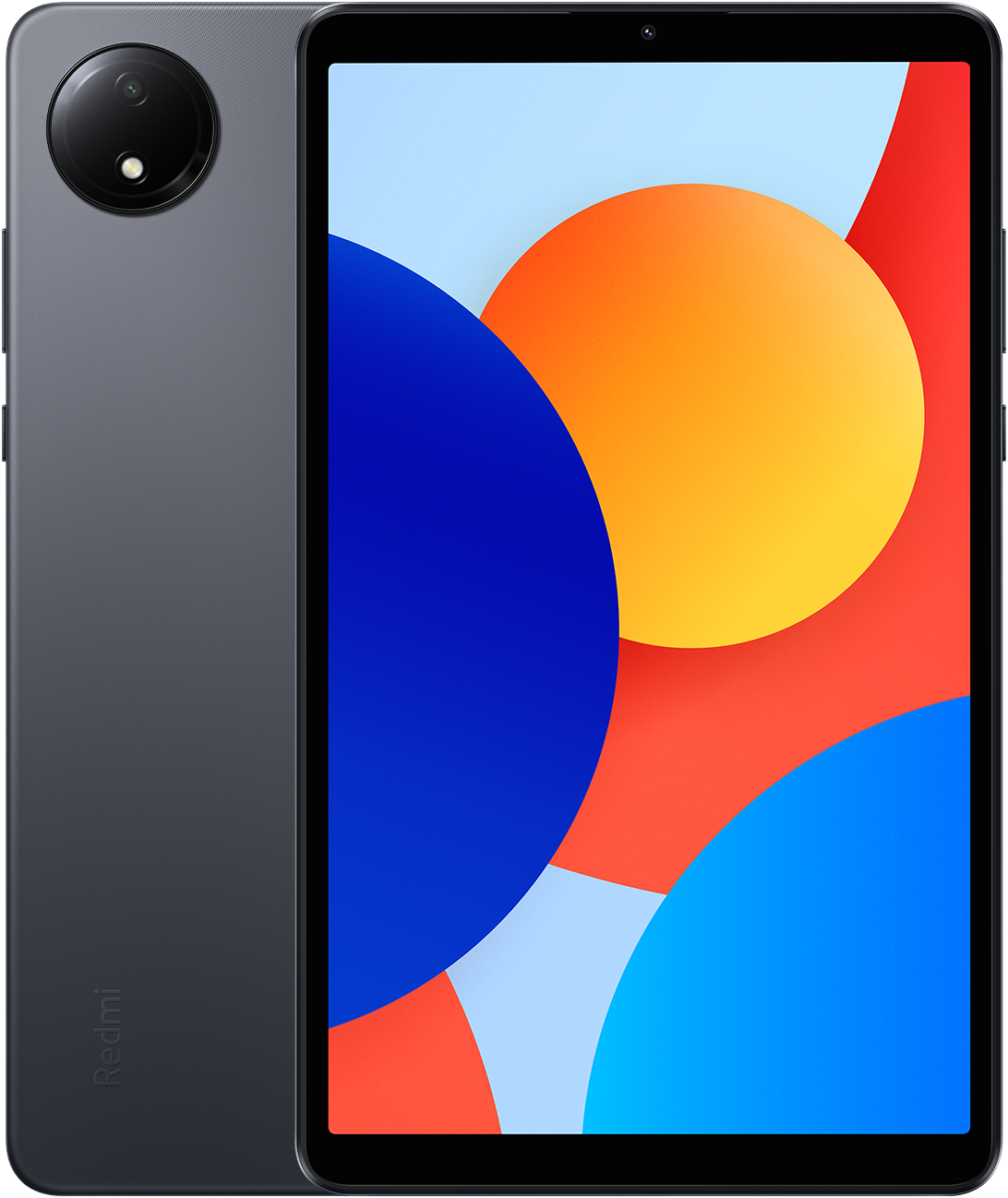
Redmi Pad SE 8.7 User Experience
Sizometry Verdict
Editorial scores based on recurring themes across professional reviews, hands-on testing, and expert analysis.
Overall user experience
6.0
out of 10
A compact, easy-to-hold entry-level tablet with light-use battery stamina, held back by an entry-level Snapdragon 685 chipset and limited available Western coverage to verify long-term ownership patterns.
Category scores
Camera
5.0
Cameras are basic and secondary, adequate only for occasional calls.
Battery and charging
7.0
6650mAh comfortably covers a day of light use on the smaller, efficient display.
Performance
5.5
Snapdragon 685 handles basic tasks but is clearly entry-level for anything demanding.
Handling and portability
8.0
373g and a compact 8.7-inch size make this genuinely comfortable for one-handed use.
Build quality
6.0
A plastic-forward build feels adequate for the price without premium touches.
Value
6.5
A reasonable budget pick for casual use, with limited available coverage to fully verify long-term value.
Strengths
- Compact, genuinely one-hand-friendly 8.7-inch size
- Light 373g weight for extended handheld use
- Comfortable all-day battery for light use
- Accessible entry-level price point
Weaknesses
- Snapdragon 685 is clearly entry-level for demanding tasks
- 90Hz display and build materials feel clearly budget-tier
- Limited Western review coverage available for this device
- Charging speed is modest compared to larger siblings
Best for
- Buyers wanting a compact, easy-to-hold tablet
- Anyone prioritizing one-handed comfort
- Budget-focused shoppers wanting a light secondary device
Less suitable for
- Gamers or demanding-app users
- Buyers wanting a large media-focused screen
- Anyone needing extensively documented long-term reliability data
Upgrade recommendation
Current device: Owners of very old or non-functional small tablets
Recommendation: Worth consideringNotes: An accessible upgrade, though the chipset remains entry-level.
Current device: Buyers wanting a larger media screen
Recommendation: Probably unnecessaryNotes: The Redmi Pad Pro offers a notably bigger screen and stronger performance instead.
Bottom line
The Redmi Pad SE 8.7 offers a genuinely compact, comfortable one-handed tablet experience for casual browsing and streaming at an accessible price, though the entry-level chipset and limited available Western review coverage mean some conclusions here carry more uncertainty than for more widely reviewed devices. It's a reasonable pick for buyers specifically prioritizing a smaller form factor over raw capability.
See its real size next to another phone or tablet.
Open size comparisonOverview
Since its mid-2024 launch, the compact Redmi Pad SE 8.7 has limited dedicated Western reviews compared with its larger Redmi Pad Pro sibling, but the coverage that does exist consistently frames it as an affordable, pocketable-for-a-tablet companion device for browsing, streaming, and light e-reading rather than a primary computing tool.
Available reports agree the appeal centers on its compact 8.7-inch size and light 373g weight, making it easier to hold one-handed than most Android tablets. Coverage is more mixed on the Snapdragon 685 chipset and 90Hz display, which are described as adequate but clearly entry-level.
Available reports frame the Pad SE 8.7 as a natural fit for households wanting a dedicated kids' or secondary tablet, where the smaller size and lower price matter more than raw specifications.
The tablet also fits a niche as a lightweight e-reader alternative for owners who want a bigger screen than a phone but don't want to carry a full-size tablet, according to the limited coverage that exists.
Daily use
Available reports describe daily browsing, messaging, and video streaming as smooth enough on the 90Hz LCD panel, with reviewers noting the smaller screen suits one-handed portrait use better than larger Redmi Pad models.
The Snapdragon 685 chipset is described as sufficient for basic tasks, though limited coverage means heavier multitasking behavior is less well documented than on more widely reviewed tablets.
Available reports mention dual-band Wi-Fi and Bluetooth as the extent of connectivity, a basic but functional package for the price according to what coverage exists.
HyperOS on this smaller tablet is described as functionally identical to the larger Pad Pro's software experience, though the more modest chipset means animations and transitions feel a touch less snappy in available comparisons.
Pad SE 8.7
View the full specifications, dimensions, pricing, and related models.
Camera
Available coverage treats the rear and front cameras as basic and secondary, adequate for occasional video calls but not a feature reviewers spend much time evaluating.
There isn't enough detailed reporting on image quality to establish a firm pattern beyond general descriptions of basic sufficiency for the price.
Video call framing on the front camera is described as serviceable for casual check-ins, matching expectations for a budget tablet in this category.
Battery and charging
The 6650mAh battery is reported to comfortably cover a full day of light use, with the smaller, lower-resolution display helping efficiency compared to larger tablets in the lineup.
Charging speed is more modest than the Pad Pro sibling, and available reports suggest planning for a full charging session rather than a quick top-up.
The Snapdragon 685's overall efficiency paired with the compact screen contributes positively to the battery life described in available reports.
Owners planning longer trips without charger access will find the standby efficiency reassuring, according to the limited hands-on impressions that touch on this aspect.
Performance
The Snapdragon 685 handles browsing, streaming, and light apps adequately according to available coverage, though it is consistently described as an entry-level chipset not suited to demanding games.
Limited storage configurations mean owners relying on downloaded media should budget carefully, though a microSD slot is available for expansion in most reports.
The overall performance feels adequate for the device's intended purpose, though limited coverage leaves some questions about long-term behavior less than fully answered.
RAM configuration details are less consistently reported across available coverage than for more widely reviewed tablets, though what's available suggests the base configuration handles typical single-app use without issue.
Handling and portability
At 125.48mm wide, 211.58mm tall, and 373g, the Redmi Pad SE 8.7 is notably more compact than typical Android tablets, with available reports describing it as genuinely comfortable to hold and use one-handed for extended stretches.
This smaller form factor is repeatedly cited as the device's key differentiator versus larger tablets, making it a more natural fit for reading and casual browsing without needing a stand or two-handed grip.
Available reports suggest owners with average-sized hands can hold the tablet comfortably during hour-long reading sessions without significant fatigue, though long-term ownership reports remain limited.
The narrow 125.48mm width is repeatedly mentioned as fitting comfortably within thumb's reach, a detail available coverage frames as a meaningful advantage over 10-inch-plus tablets for one-handed browsing.
Build quality
A plastic-forward build keeps the weight down and cost low, with available coverage describing the build as adequate for the price without feeling especially premium.
The compact size and light weight are consistently framed as an ergonomic advantage over larger, heavier tablets in daily handling.
Available coverage doesn't dig deeply into long-term material durability, leaving this area with less evidence than more widely reviewed devices.
The available color options are described as pleasant enough for the price without drawing significant reviewer commentary beyond basic acknowledgment.
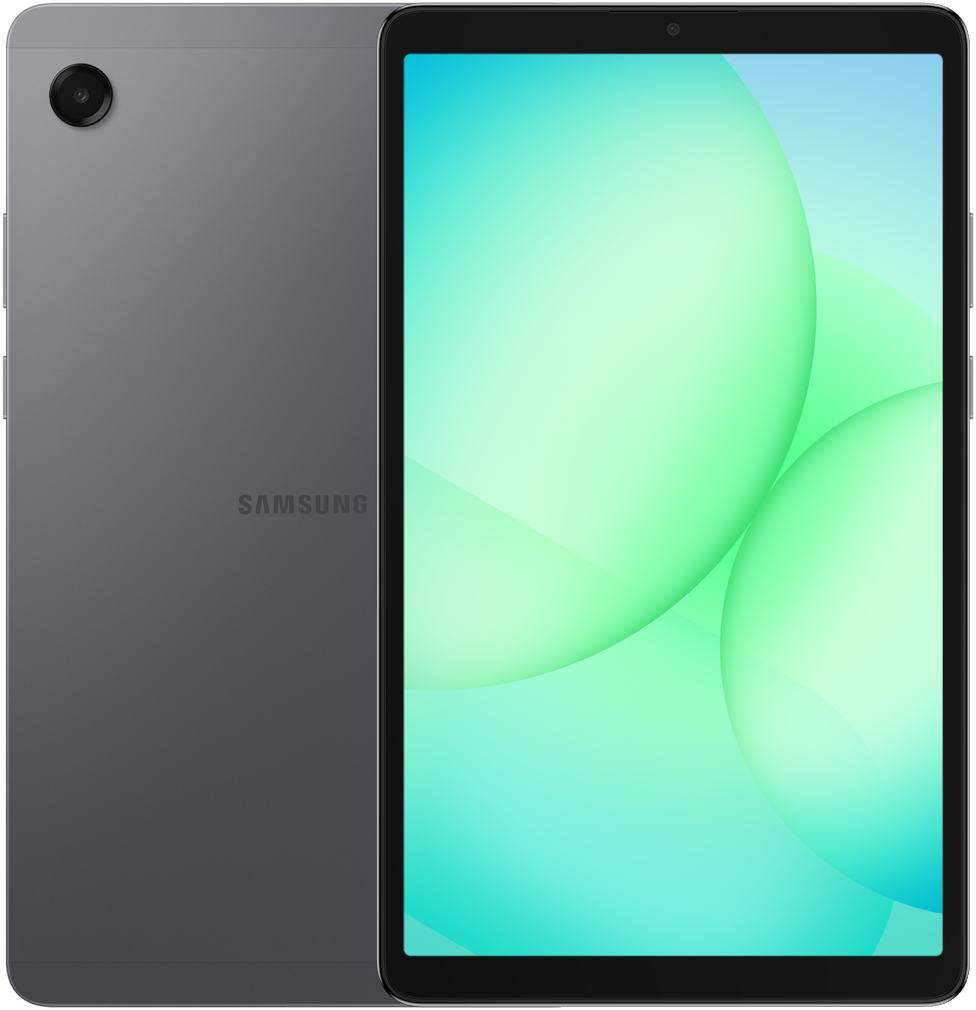
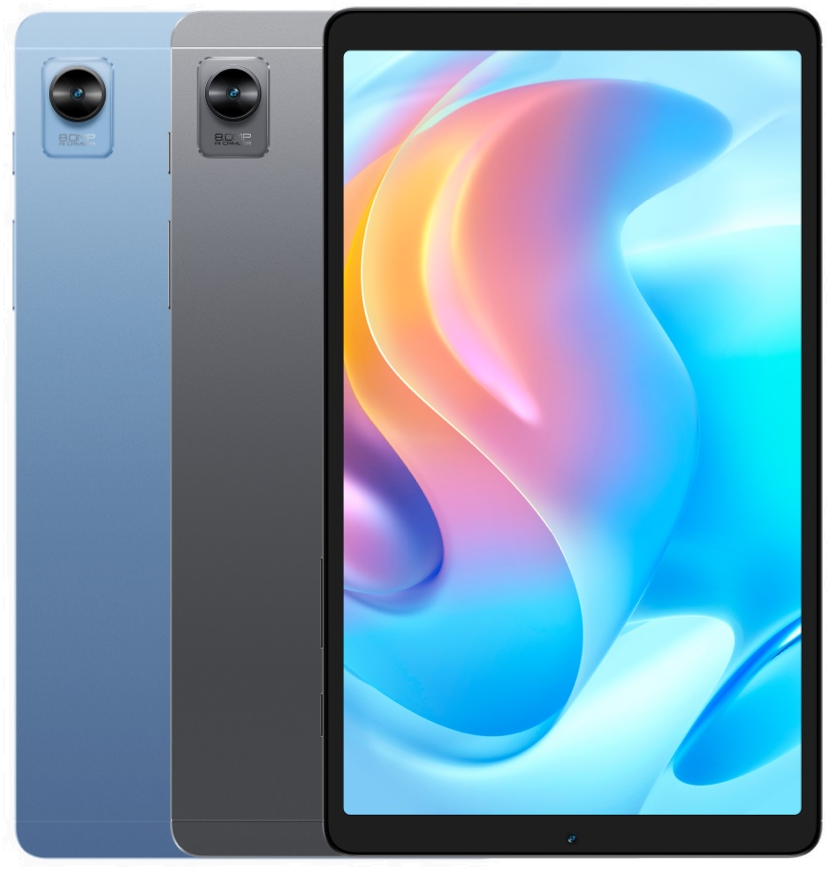
Similar size devices
This summary is based on recurring reports from public discussions.