Redmi Note 13 User Experience
Sizometry Verdict
Editorial scores based on recurring themes across professional reviews, hands-on testing, and expert analysis.
Overall user experience
6.5
out of 10
An affordable entry point into the Note 13 family with a genuinely nice AMOLED display and comfortable ergonomics, held back by a modest Snapdragon 685 chipset and slower 33W charging.
Category scores
Camera
6.5
The 108MP main camera is solid for daylight shots, but low light and the ultrawide clearly show budget-tier limits.
Battery and charging
7.0
5000mAh comfortably covers a full day, though 33W charging is noticeably slower than pricier siblings.
Performance
6.0
Snapdragon 685 handles everyday tasks fine but is a clear limiting factor for gaming.
Handling and portability
7.5
188.5g and a flat display make this a light, comfortable phone to hold.
Build quality
6.5
A plastic frame and IP54 splash resistance are adequate but clearly budget-tier.
Value
7.5
A genuinely nice AMOLED display at a budget price is the clear highlight.
Strengths
- Genuinely nice 120Hz AMOLED display for the price
- Light, comfortable ergonomics at 188.5g
- Solid 108MP main camera for daylight photography
- microSD expansion slot included
Weaknesses
- Snapdragon 685 clearly limits gaming performance
- 33W charging noticeably slower than Pro-tier siblings
- 8MP ultrawide camera shows a clear quality step-down
- MIUI/HyperOS bloatware requires cleanup
Best for
- Budget-focused buyers wanting a nice AMOLED display
- Casual users prioritizing everyday app use
- Anyone wanting a lightweight, comfortable budget phone
Less suitable for
- Gamers or heavy multitaskers
- Buyers prioritizing fast charging
- Anyone wanting strong ultrawide camera performance
Upgrade recommendation
Current device: Aging budget phone owners with LCD displays
Recommendation: Strongly recommendedNotes: A meaningful screen-quality jump at an accessible price.
Current device: Gamers and heavy multitaskers
Recommendation: Probably unnecessaryNotes: The Snapdragon 685 is a clear limiting factor; the Pro or Pro+ variants offer noticeably stronger chipsets.
Current device: Fast-charging-focused buyers
Recommendation: Depends on prioritiesNotes: 33W charging works but is a clear step down from the 67-120W options elsewhere in the lineup.
Bottom line
The Redmi Note 13 delivers a genuinely nice AMOLED display and comfortable, lightweight ergonomics at a budget-friendly price, making it a solid pick for casual, everyday use. Buyers wanting stronger gaming performance or faster charging should look toward the Pro or Pro+ siblings, but for basic daily needs this remains a sensible, affordable choice.
See its real size next to another phone or tablet.
Open size comparisonOverview
Since its January 2024 launch, the base Redmi Note 13 is consistently described as an affordable entry point into the Note 13 family, bringing an AMOLED display down to a genuinely budget price while keeping the Snapdragon 685 chipset modest and unpretentious.
The most repeated praise centers on the AMOLED screen quality and lightweight design at this price. The most consistent criticism is slower 33W charging and a Snapdragon 685 chipset that clearly limits gaming ambitions.
Owners frequently frame the base Note 13 as the sensible entry point for budget-conscious buyers who still want a screen that doesn't look or feel cheap, a positioning that has kept it a steady seller through 2024 and beyond in price-sensitive markets.
Reviewers also note the phone competes in a crowded field of budget AMOLED rivals, but its combination of display quality, dependable battery efficiency, and wide local availability keeps it a recurring recommendation for first-time smartphone buyers and parents shopping for a child's first device.
Daily use
Daily tasks like messaging, browsing, and social media feel smooth thanks to the 120Hz AMOLED panel, though reviewers note the Snapdragon 685 shows its age with occasional stutters in heavier apps.
The AMOLED display at this price point draws consistent praise, with reviewers calling it a standout feature that punches above the phone's budget positioning.
MIUI/HyperOS bloatware is present as expected at this price tier, requiring a cleanup pass after initial setup according to most reviewers.
Connectivity includes NFC in select markets, Bluetooth 5.3, and an infrared emitter for use as a universal remote, a reasonably complete package that reviewers say punches above the phone's price tier.
Xiaomi's update commitment for this segment — typically two major Android version upgrades plus a security-patch window — is described by several reviewers as adequate rather than class-leading, a trade-off buyers are advised to weigh against pricier rivals promising longer support windows.
Note 13
View the full specifications, dimensions, pricing, and related models.
Camera
The 108MP main camera captures solid daylight photos with good detail for the price, though reviewers note dynamic range and low-light performance are clearly budget-tier.
The 8MP ultrawide lens is a noticeable step down in quality, and reviewers generally recommend sticking to the main sensor for the best results.
Night mode helps lift some detail from darker scenes, though it doesn't fully compensate for the lack of OIS on the main sensor, a limitation reviewers say is typical at this price.
Video recording tops out at 1080p, a clear step down from the 4K capability found on pricier Note 13 siblings, though reviewers say it remains adequate for casual social clips.
Battery and charging
The 5000mAh battery comfortably lasts a full day for most owners, with some reviewers reporting stretches into a second day with lighter use.
33W charging is noticeably slower than its Pro siblings, taking around 70 minutes for a full charge — adequate but a clear step down from the faster-charging models in the lineup.
The Snapdragon 685's overall power efficiency contributes positively to the battery life reviewers observe in light daily use, and MIUI's built-in power-saving modes can stretch runtime further for owners willing to trade some background app activity.
Performance
The Snapdragon 685 handles everyday apps fine but shows clear limitations in demanding games or heavy multitasking, a trade-off reviewers say is expected at this price.
128GB or 256GB of storage with a microSD slot for expansion is a welcome inclusion reviewers frequently highlight as good value.
Reviewers note the chipset stays cool under typical daily use without noticeable throttling, though its modest GPU is clearly the limiting factor for anyone hoping to run graphically demanding titles at higher settings.
The overall package feels tuned specifically for its intended audience — messaging, browsing, and social apps — rather than positioned as a performance phone, a distinction reviewers consistently make clear to prospective buyers.
Handling and portability
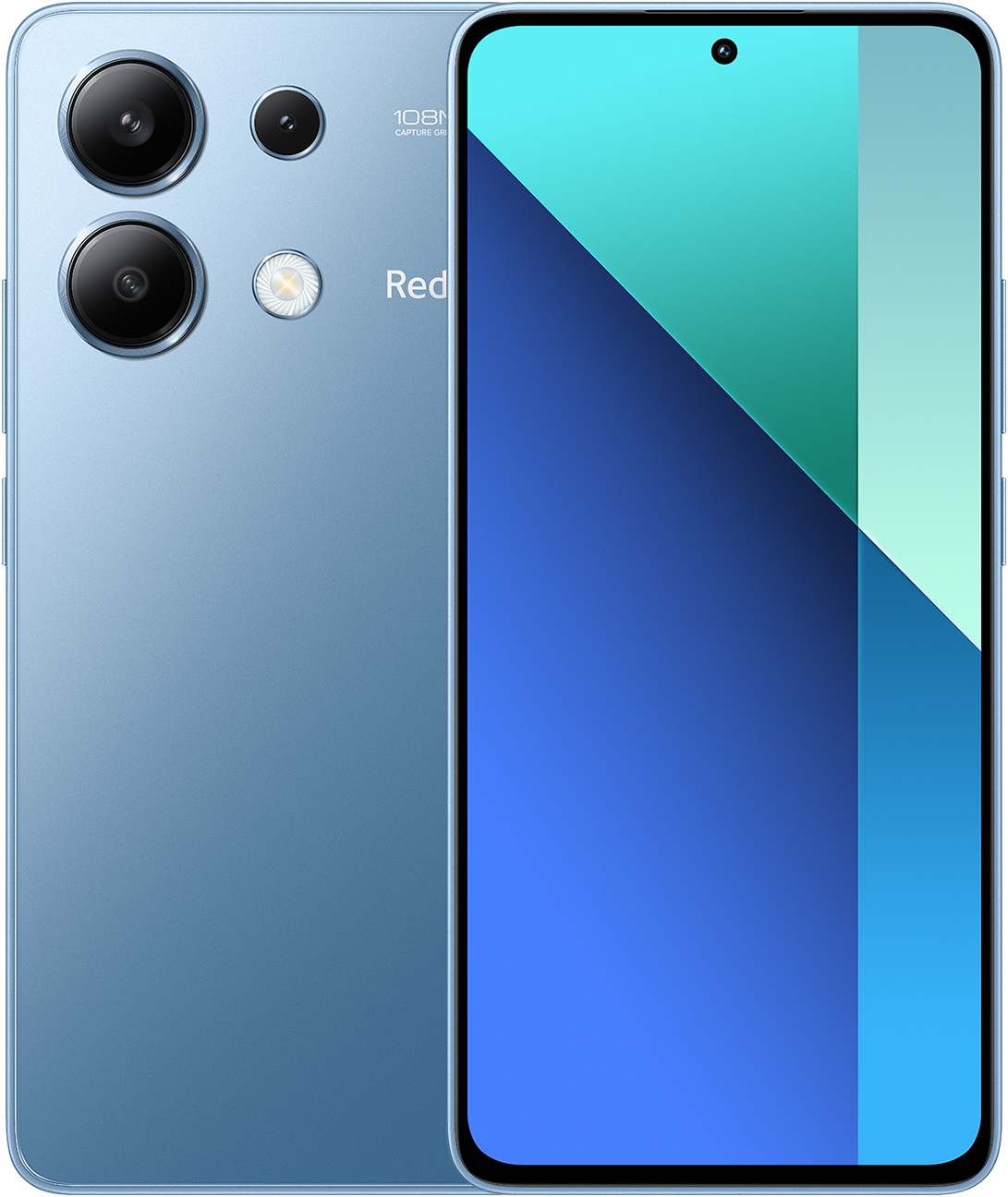
At 75.55mm wide, 162.24mm tall, and 188.5g, the Note 13 is a light and comfortable phone to hold, with reviewers praising its manageable weight for its screen size.
The flat display design (unlike its curved Pro siblings) makes edge-to-edge swipe gestures and screen protector application simpler for owners.
Owners describe the weight balance as comfortable for sustained one-handed sessions, particularly compared with heavier phones in its category, though the 162.24mm height still calls for an occasional grip shift to reach top-corner notifications.
Build quality
A plastic frame paired with Gorilla Glass 5 on the front keeps costs down while still feeling reasonably solid, according to most reviews.
IP54 splash resistance provides basic protection against light rain and spills, adequate reassurance for a budget-focused device.
The phone is available in several attractive color finishes that help it avoid feeling generic despite its budget positioning, and the physical buttons and USB-C port feel solidly assembled according to reviewers.
Considering another Note 13 model?
Similar size devices

This summary is based on recurring reports from public discussions.