POCO Pad M1 User Experience
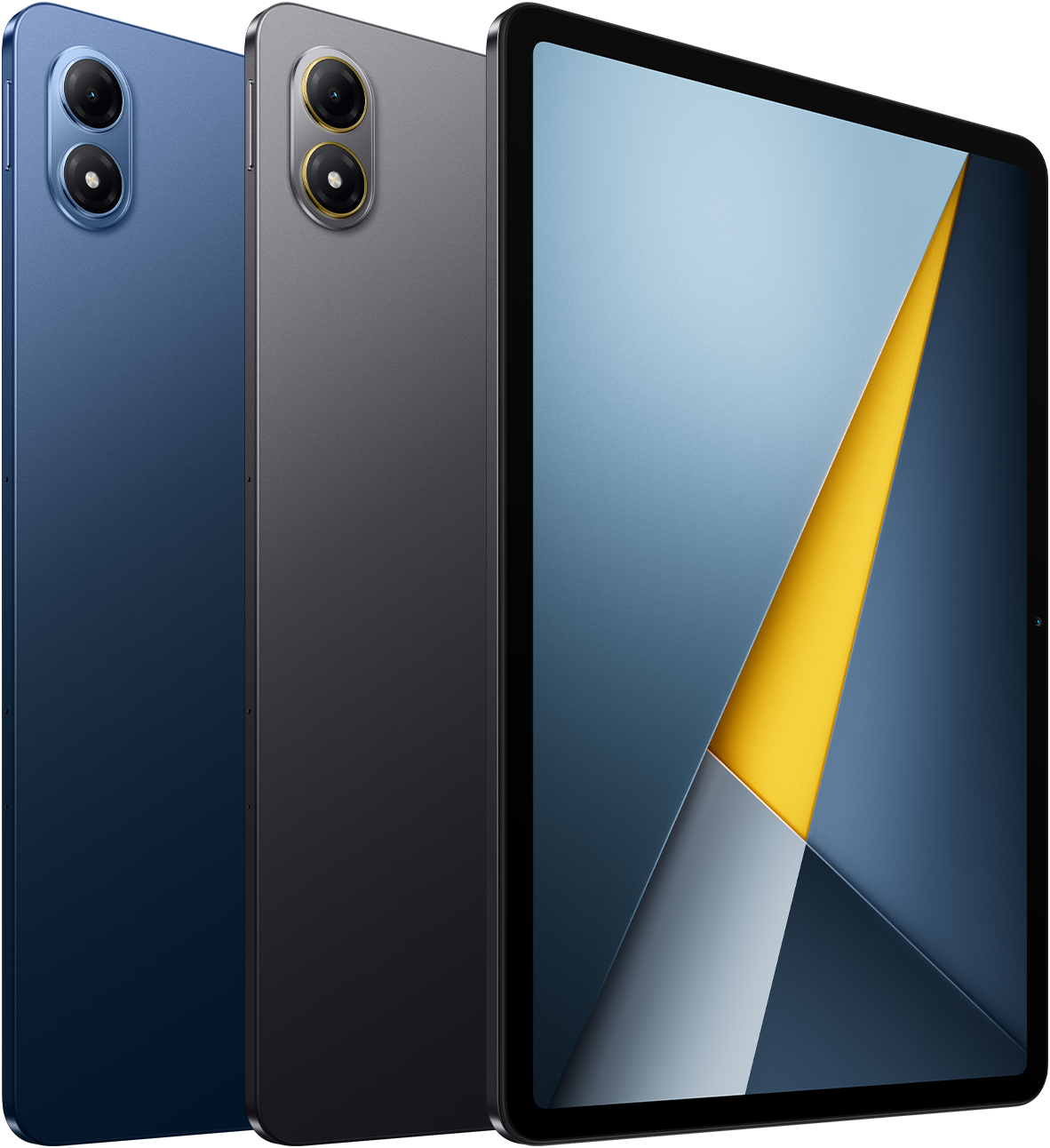
Sizometry Verdict
Editorial scores based on recurring themes across professional reviews, hands-on testing, and expert analysis.
Overall user experience
7.5
out of 10
A strong big-screen value pairing exceptional 12000mAh stamina, a large 12.1-inch 120Hz Dolby Vision display, and aluminum unibody build at aggressive pricing, held back mainly by slow 33W charging, Snapdragon 7s Gen 4 performance limits, no native stylus path, and 610 g heft for handheld reading.
Category scores
Camera
6.0
Dual 8 MP sensors cover basic scanning and calls; imaging is not a purchase driver.
Battery and charging
9.0
12000mAh delivers standout multi-day endurance; 33W recovery is the main compromise.
Performance
6.5
Adequate for media and browsing on Snapdragon 7s Gen 4; warmth and frame dips under gaming.
Handling and portability
5.0
610 g and 12.1-inch height exceed comfortable sustained one-hand use for most owners. Backpack and living-room portable, not pocketable or small-bag friendly.
Build quality
8.0
Aluminum unibody and practical jack/microSD choices elevate tier; no fingerprint or IP rating.
Value
8.0
A strong big-screen value pairing exceptional 12000mAh stamina, a large 12.1-inch 120Hz Dolby Vision display, and aluminum unibody build at aggressive pricing, held back mainly by slow 33W charging, Snapdragon 7s Gen 4 performance limits, no native stylus path, and 610 g heft for handheld reading.
Strengths
- Class-leading battery and screen size value in POCO's tablet lineup
- Aluminum build, microSD, and 3.5mm jack feel thoughtfully practical
- Community pattern confidence from multiple consistent professional reviews
Weaknesses
- Slow 33W charging on a massive cell frustrates quick top-up habits
- Modest chipset and UFS 2.2 limit gaming and install-heavy workflows
- No official stylus support steers creatives toward Pad X1 instead
Best for
- Couch streamers and families who want multi-day battery above all else
- Travelers building offline microSD libraries with wired headphone convenience
- Buyers wanting premium-feel aluminum at budget tablet pricing
Less suitable for
- Productivity and pen-first users who should cross-shop Pad X1
- Mobile gamers expecting sustained flagship-frame performance
- Readers wanting sub-500 g one-hand comfort
Upgrade recommendation
Current device: Redmi Pad or Pad SE
Recommendation: Strongly recommendedNotes: 12.1-inch 120Hz display, 12000mAh, aluminum build, and microSD address big-screen battery gaps.
Current device: Pad M1 (satisfied streamer)
Recommendation: Probably unnecessaryNotes: Incremental jump unless Pad X1 productivity or gaming headroom personally matters.
Current device: Need pen and faster charging
Recommendation: Worth consideringNotes: Pad X1 adds Focus Pen path, Snapdragon 7+ Gen 3, and 45W recovery at smaller battery.
Current device: Redmi Pad 2 Pro shopper
Recommendation: Depends on prioritiesNotes: Shared dimensions but distinct POCO branding and firmware — compare regional pricing separately.
Current device: iPad media household
Recommendation: Depends on prioritiesNotes: Pad M1 wins battery and jack value; iPad wins app polish and long update marketing.
Bottom line
The POCO Pad M1 earns respect as POCO's clearest big-screen battery play — 12000mAh, 12.1-inch 120Hz Dolby Vision, aluminum unibody, microSD, and a headphone jack in a package that undercuts many couch-tablet rivals on stamina alone. Dominant tradeoffs are 33W charging on a huge cell, Snapdragon 7s Gen 4 limits when pushed, no native stylus, and 610 g that reminds you this is a two-hand or stand device. Want productivity silicon and 45W? Cross-shop Pad X1. Want maximum portability? Look elsewhere entirely.
See its real size next to another phone or tablet.
Open size comparisonOverview
Since the November 26, 2025 global debut alongside the POCO F8 Series, the Pad M1 is widely regarded as POCO's stamina-first big-screen tablet — a 12.1-inch couch-and-travel slab that trades flagship silicon for a massive 12000mAh cell, aluminum unibody feel, microSD expansion, and a 3.5mm headphone jack at aggressive pricing.
This summary focuses on real global HyperOS 2 ownership — lap balance at 610 g, backpack fit for 12-inch slabs, headphone-jack commute habits, microSD media libraries, and value versus Pad X1 productivity or Redmi Pad 2 Pro cross-shopping without conflating firmware conclusions.
Daily use
In daily use, the Pad M1 is consistently described as smooth for routine workloads on Snapdragon 7s Gen 4 with HyperOS 2 over Android 15. App launches, messaging, navigation, and social feeds run without drama for media-first households; friction clusters around promotional GetApps suggestions, occasional app reload on memory pressure, and the sheer weight reminder when carrying between rooms without a bag.
The 12.1-inch 16:10 panel makes the Pad M1 feel like a portable TV for daily streaming. Scrolling remains fluid at 120Hz, indoor legibility benefits from 600 nits HBM in review accounts, and split-screen browsing beside chat apps works for casual multitasking on 8GB LPDDR4X. HyperOS interconnect with Xiaomi phones receives credit once battery restrictions on messaging apps relax.
HyperOS 2 receives mixed credit for tablet windowing and reading mode alongside first-week bloat cleanup typical of Xiaomi global builds. The 610 g weight and 7.5 mm aluminum unibody feel premium in hand but encourage stand or table use during long sessions; many owners praise the 3.5mm jack for wired headphones on flights without dongle fuss.
Pad M1
View the full specifications, dimensions, pricing, and related models.
Camera
Camera feedback centers on bare-minimum utility. The 8 MP rear and 8 MP front sensors handle document scanning, recipe capture, and desk-propped video calls — adequate for a big media tablet, not a photography tool.
Buyers rarely choose the Pad M1 for imaging; low light trails any modern phone by a wide margin. Classroom whiteboard snaps work in bright rooms; creative photography redirects to phones without controversy.
Battery and charging
Typical home and travel days end with substantial reserve on the 12000mAh cell: multi-episode streaming, browsing, kids apps, and intermittent video calls without midday panic. Heavy gaming, max brightness outdoor use, or reverse charging phone rescues push evening top-ups but rarely same-day charger hunts — the Pad M1's defining ownership theme.
Thirty-three-watt charging is the most debated stamina companion — full recovery approaches three hours in professional reviews, acceptable for overnight habits but slow versus Pad X1 45W or phone-class 67W bricks owners already own. Partial top-ups during afternoon desk sessions still add meaningful range for evening couch duty.
Performance
App launches, HyperOS 2 animations, and split-screen browsing feel adequate for Pad M1 expectations on Snapdragon 7s Gen 4 and the 120Hz panel — smooth for media and study, not a creative workstation flagship.
Multitasking pairs — browser beside video, chat beside shopping — work for casual stacks on 8GB LPDDR4X; aggressive game plus camera apps reload more often than on Pad X1 LPDDR5X. UFS 2.2 feels sluggish during large installs — a recurring complaint in GadReview and GSMArena threads.
Handling and portability
At 181.65 mm wide, 279.8 mm tall, and 610 g, the POCO Pad M1 is firmly outside comfortable one-handed territory for active use. Brief portrait carries between rooms are possible for short distances, but sustained single-hand reading or typing fatigues wrists faster than 11-inch alternatives.
The POCO Pad M1 does not fit jacket or jeans pockets and strains small sling bags. Portability discussions focus on backpacks, carry-on totes, and dedicated tablet sleeves that accommodate 279.8 mm height — taller than many 11-inch kits and closer to small laptop footprints.
For extended reading, streaming, and light browsing, the Pad M1 shines when supported — couch stand, bed pillow, or kitchen prop — rather than held bare for long periods. Owners describe multi-hour Netflix sessions as comfortable with proper posture, citing large 16:10 area as a meaningful ergonomic win for eyes versus squinting at phones.
Build quality
At 610 g with aluminum unibody construction, the Pad M1 feels more premium than plastic budget Redmi tablets — stiff chassis, clean antenna lines, and a flat back that rests securely on stands. Volume buttons and speaker grilles receive positive mention in Notebookcheck's build section.
Display durability follows familiar large-tablet patterns; tempered glass films and folio cases are common within weeks of purchase. No IP rating dominates discourse; buyers treat it as a living-room and travel device rather than a poolside slab.
Similar size devices

This summary is based on recurring reports from public discussions.