POCO F6 User Experience
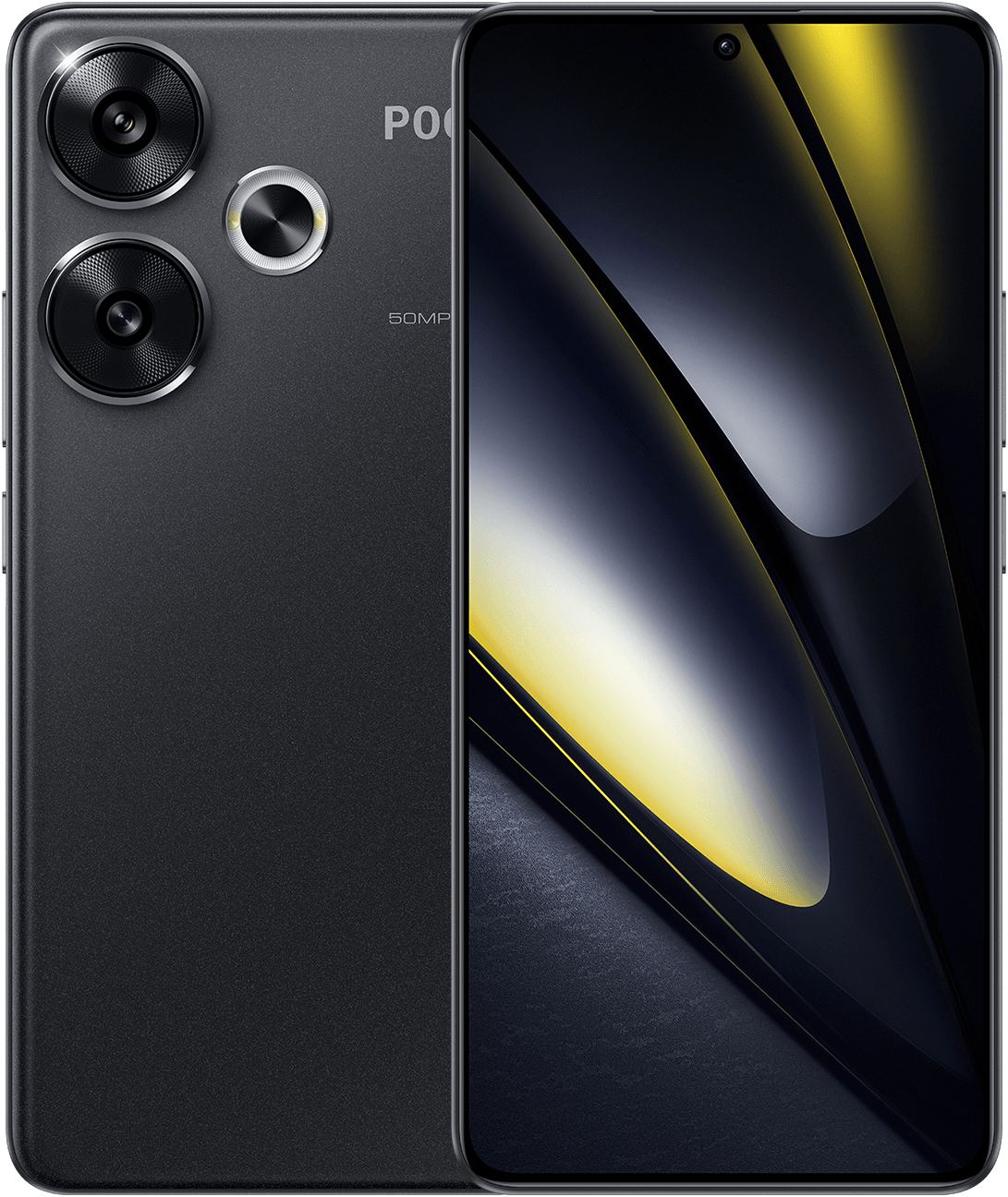
Sizometry Verdict
Editorial scores based on recurring themes across professional reviews, hands-on testing, and expert analysis.
Overall user experience
8.0
out of 10
A lighter, faster, better-cameraed successor that reviewers widely call one of POCO's best devices to date — the Snapdragon 8s Gen 3 delivers genuinely competitive gaming performance, though it runs hot, and the unchanged ultrawide camera remains the clearest weak point.
Category scores
Camera
7.5
A genuinely upgraded 50MP main sensor with OIS is let down by an unchanged, underwhelming ultrawide.
Battery and charging
8.0
5000mAh with fast 90W charging reliably covers a full day even under heavy use.
Performance
8.0
Snapdragon 8s Gen 3 delivers genuinely competitive sustained gaming performance, though it runs notably hot.
Handling and portability
8.5
179g makes this one of the lightest, most comfortable phones in its performance class.
Build quality
7.5
Gorilla Glass Victus front and IP64 resistance feel solid despite the lighter plastic construction.
Value
8.5
Genuine gaming performance, camera upgrade, and fast charging at a compelling mid-range price.
Strengths
- Genuinely competitive Snapdragon 8s Gen 3 gaming performance
- Meaningfully upgraded 50MP main camera with 4K60 video
- Lighter 179g body improves one-handed comfort
- Fast 90W charging with charger included in the box
Weaknesses
- Chipset runs notably hot under sustained gaming load
- 8MP ultrawide camera unchanged and underwhelming
- No expandable storage
- HyperOS carries typical Xiaomi-family bloatware
Best for
- Gamers wanting competitive mid-range performance affordably
- Buyers wanting a meaningfully improved main camera
- Shoppers prioritizing a lighter, comfortable one-handed phone
- Anyone valuing fast included 90W charging
Less suitable for
- Buyers sensitive to phone heat during gaming sessions
- Anyone wanting a genuinely capable ultrawide camera
- Buyers needing expandable storage
- Shoppers wanting a completely bloatware-free experience
Upgrade recommendation
Current device: POCO F5 or similar aging mid-rangers
Recommendation: Strongly recommendedNotes: A meaningful camera and performance leap for owners ready to upgrade.
Current device: Heat-sensitive gamers
Recommendation: Depends on prioritiesNotes: Performance is genuinely strong, but sustained gaming produces noticeable heat.
Current device: Ultrawide-camera-focused photographers
Recommendation: Probably unnecessaryNotes: The unchanged 8MP ultrawide remains a clear weak point versus rivals.
Bottom line
The POCO F6 is widely regarded as one of POCO's best devices to date, combining genuinely competitive Snapdragon 8s Gen 3 gaming performance, a meaningfully upgraded main camera, and a lighter 179g build with fast 90W charging. The chipset running hot under sustained load and an unchanged, underwhelming ultrawide camera are the clearest trade-offs in an otherwise excellent mid-range package.
See its real size next to another phone or tablet.
Open size comparisonOverview
Since its 2024 launch, the POCO F6 is widely praised in reviews as one of POCO's best devices yet — a lighter, brighter, more capable successor built around the gaming-tuned Snapdragon 8s Gen 3 chipset, a meaningfully upgraded camera, and 90W charging in a genuinely lighter chassis than its predecessor.
The most repeated praise centers on strong sustained gaming performance, a much-improved main camera, and a lighter overall build. The most consistent criticism is that the chipset runs notably hot under sustained load, and the ultrawide camera remains unchanged and underwhelming.
Positioning within POCO's own lineup places the F6 as the lighter, more affordable gaming-focused option below the F6 Pro's higher-tier Snapdragon 8 Gen 2 chipset — reviewers frame it as the pick for buyers who prioritize weight and value over the absolute peak performance the Pro offers.
Daily use
Daily use on the Snapdragon 8s Gen 3 feels fast and stable, with reviewers noting it holds up under sustained gaming stress tests better than several recent Qualcomm flagship chips despite running hot.
The 6.67-inch AMOLED display at up to 2400 nits draws consistent praise for brightness and color, and the lighter 179g body is repeatedly cited as a meaningful ergonomic improvement over the outgoing generation.
HyperOS carries some bloatware typical of the Xiaomi family, a minor but recurring criticism that reviewers describe as easily manageable rather than a dealbreaker.
Wi-Fi 6E and Bluetooth 5.4 connectivity are mentioned favorably as welcome upgrades over the previous generation, improving overall connectivity reliability for streaming and gaming.
F6
View the full specifications, dimensions, pricing, and related models.
Camera
The 50MP main camera using the Sony IMX882 sensor with OIS is a genuine step up from the previous generation, with reviewers praising its photos in nearly any situation and the addition of 4K60 video recording.
The 8MP ultrawide remains unchanged from the prior generation and is consistently flagged as the setup's weakest link, though the upgraded 20MP selfie camera earns praise for detail and color.
The 4K60 video recording addition is repeatedly highlighted as a meaningful step up over the previous generation's video capabilities, particularly for reviewers who shoot casual clips or social content.
Battery and charging
The 5000mAh battery paired with 90W wired charging delivers a full day of use even under heavy demands, with reviewers reporting 50% charge in around 11 minutes and a full charge in roughly 35 minutes.
Battery life is consistently described as reliable for a full day of mixed use, with heavier 5G and gaming sessions understandably drawing it down faster.
5G battery saver toggles and other configuration options give owners additional control over the trade-off between performance and battery longevity, a detail reviewers note is useful for extending runtime on lighter days.
Performance
The Snapdragon 8s Gen 3 is praised across reviews for genuinely competitive gaming performance, with one stress test showing it holding frame rates as well as the OnePlus 12R and Galaxy S24 during extended sessions.
The trade-off for that sustained performance is heat — reviewers consistently note the chipset runs notably warm, reaching temperatures some described as uncomfortable during the most demanding gaming stress tests.
Android Authority notes the chipset's Adreno 735 GPU lacks global illumination technology, which could affect visual fidelity in some cutting-edge games compared with pricier flagship rivals.
Everyday multitasking between apps, browsing, and social media feels consistently snappy, with reviewers noting no perceptible lag outside of the most demanding sustained gaming scenarios.
Handling and portability
At 74.5mm wide, 160.5mm tall, and just 179g, the F6 is noticeably lighter than the F6 Pro and most rivals in its class, a trait reviewers consistently praise for comfortable one-handed use.
The plastic frame and back keep weight down without feeling cheap, striking a balance reviewers describe as sensible for a performance-focused mid-ranger.
Owners with smaller hands describe the F6 as one of the more comfortable one-handed performance phones in its category, a direct result of the contained weight.
Build quality
Gorilla Glass Victus on the front with a plastic frame and back gives the F6 IP64 splash and dust resistance, and reviewers describe the overall build as solid despite the lighter plastic construction.
The lighter 179g weight compared with its predecessor is repeatedly framed as a genuine design win rather than a compromise, making the phone more comfortable for extended handling.
The finish across available color options is described as attractive and consistent with the device's performance-focused mid-range positioning.
Considering another F6 model?
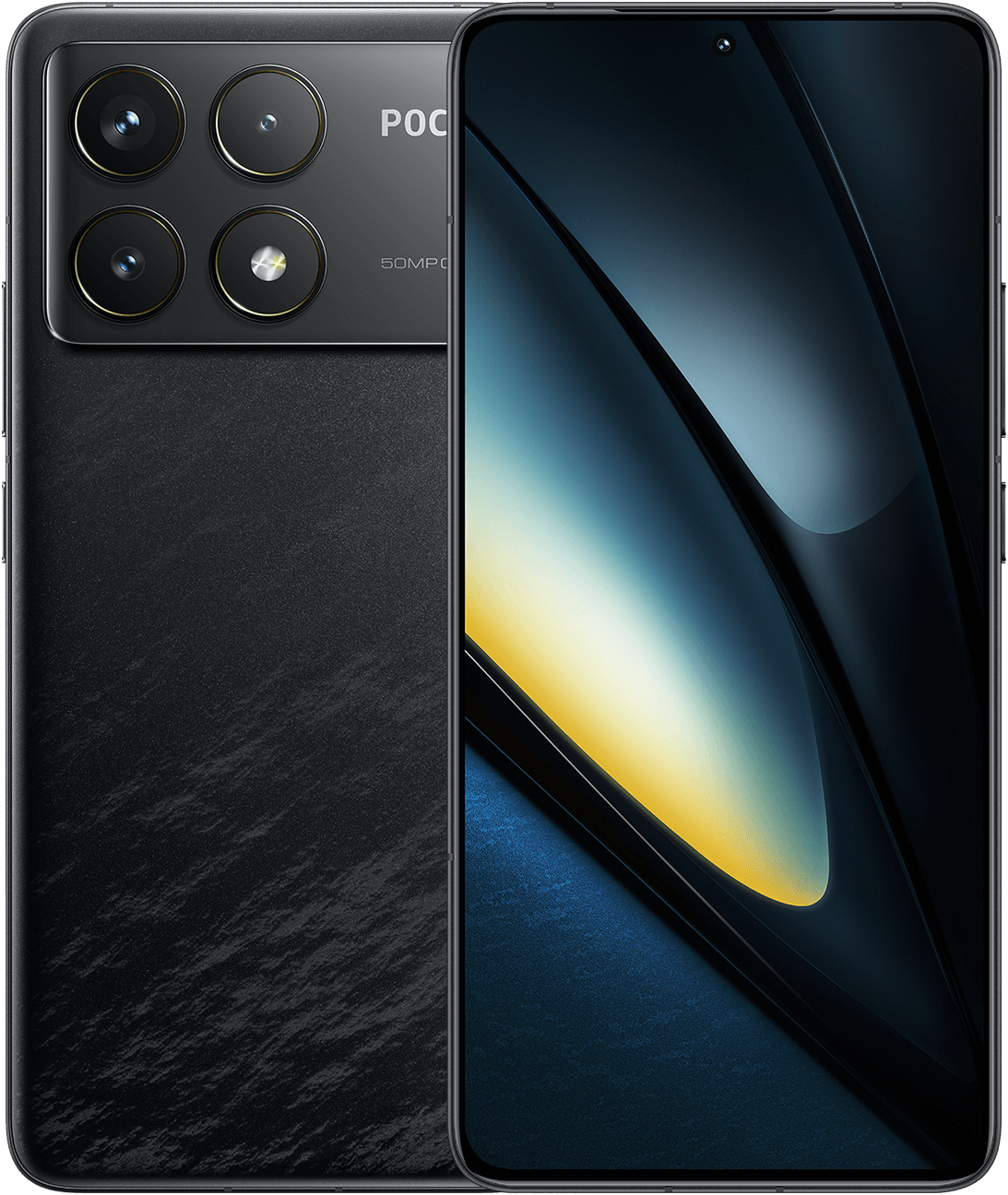
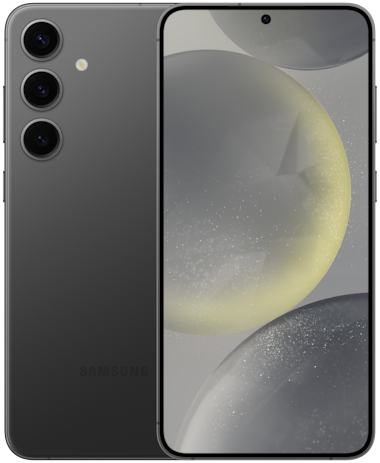
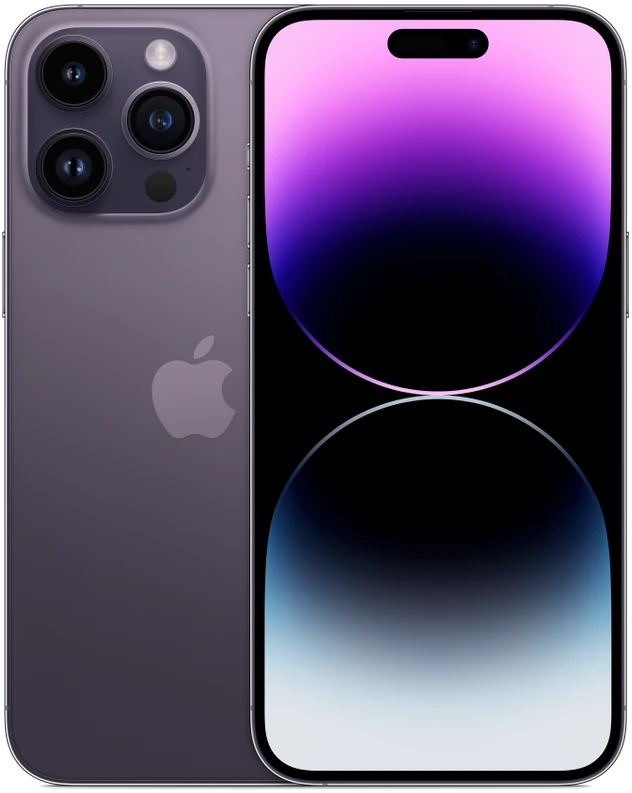
Similar size devices

This summary is based on recurring reports from public discussions.