Pixel 10a User Experience

Sizometry Verdict
Editorial scores based on recurring themes across professional reviews, hands-on testing, and expert analysis.
Overall user experience
7.5
out of 10
A refined standalone $499 A-series phone with Tensor G5 efficiency, flush flat-back ergonomics, retained 5100mAh endurance, dependable computational cameras, satellite SOS, and seven-year updates — held back by iterative hardware versus the 9a, still-slow charging, no wireless pad support,.
Category scores
Camera
8.0
48MP main and 13MP ultrawide with Camera Coach and Night Sight remain class-leading for stills at $499; hardware unchanged and telephoto absent.
Battery and charging
8.0
5100mAh still delivers excellent all-day use with modest G5 efficiency gains; not a dramatic leap over 9a.
Performance
7.5
Tensor G5 cooler and snappier than G4 in sustained loads; 8GB still caps gaming and AI headroom.
Handling and portability
8.0
73.0 mm width and 183 g slightly improve over 9a; 9.0 mm thickness is a minor regression.
Build quality
8.0
IP68, Gorilla Glass 7i, and flush rear impress; iterative materials honest at unchanged $499 MSRP.
Value
7.5
IP68, Gorilla Glass 7i, and flush rear impress; iterative materials honest at unchanged $499 MSRP.
Strengths
- Flat-back pocket ergonomics and Gorilla Glass 7i durability
- 5100mAh endurance with Tensor G5 efficiency and modem gains
- Computational camera trust and seven-year Pixel update promise
- Camera Coach, Auto Best Take, and satellite SOS differentiators
Weaknesses
- Iterative specs versus sale-priced Pixel 9a inventory
- No wireless charging and midpack wired charging speeds
- 8GB RAM ceilings on advanced Gemini versus Pixel 10 flagships
- Standalone A-series limits — not a budget Pixel 10
Best for
- Buyers wanting the safest $500 Pixel in 2026 without flagship pricing
- Owners skipping the 9a generation from Pixel 6a–8a hardware
- Users who value flat-back design and improved modem reliability
- Switchers prioritizing clean Android, Photos, and update length
Less suitable for
- Bargain hunters with discounted Pixel 9a still available
- Wireless-charging and fast-charge shoppers comparing Galaxy FE
- Telephoto enthusiasts needing optical zoom hardware
- Buyers expecting Pixel 10 family flagship features at A-series cost
Upgrade recommendation
Current device: Pixel 6a, 7a, or 8a owners skipping 9a
Recommendation: Strongly recommendedNotes: Flat back, Tensor G5, Gorilla Glass 7i, satellite SOS, and Android 16 address design, modem, and software gaps clearly.
Current device: Pixel 9a owners
Recommendation: Depends on prioritiesNotes: Sidegrade at best — worthwhile for flat back, modem, and charging; unnecessary if 9a already satisfies.
Current device: Galaxy S25 FE generation
Recommendation: Worth consideringNotes: Pixel wins UI, updates, and stills; Samsung wins zoom, display size, and 45W charging.
Current device: Clearance Pixel 9a shoppers
Recommendation: Probably unnecessaryNotes: Save $50–$100 unless G5 modem, SOS, or flat ergonomics matter personally.
Current device: Pixel 10 or 10 Pro owners
Recommendation: Probably unnecessaryNotes: 10a is a separate A-series line — downgrade in camera and performance.
Bottom line
The Pixel 10a earns respect as Google's 2026 standalone A-series refinement through a completely flat back that finally solves pocket-snag complaints, retained 5100mAh endurance with Tensor G5 efficiency, dependable computational cameras at an unchanged $499, seven years of OS and security support, Gorilla Glass 7i confidence, and US satellite SOS that adds genuine safety margin.
See its real size next to another phone or tablet.
Open size comparisonOverview
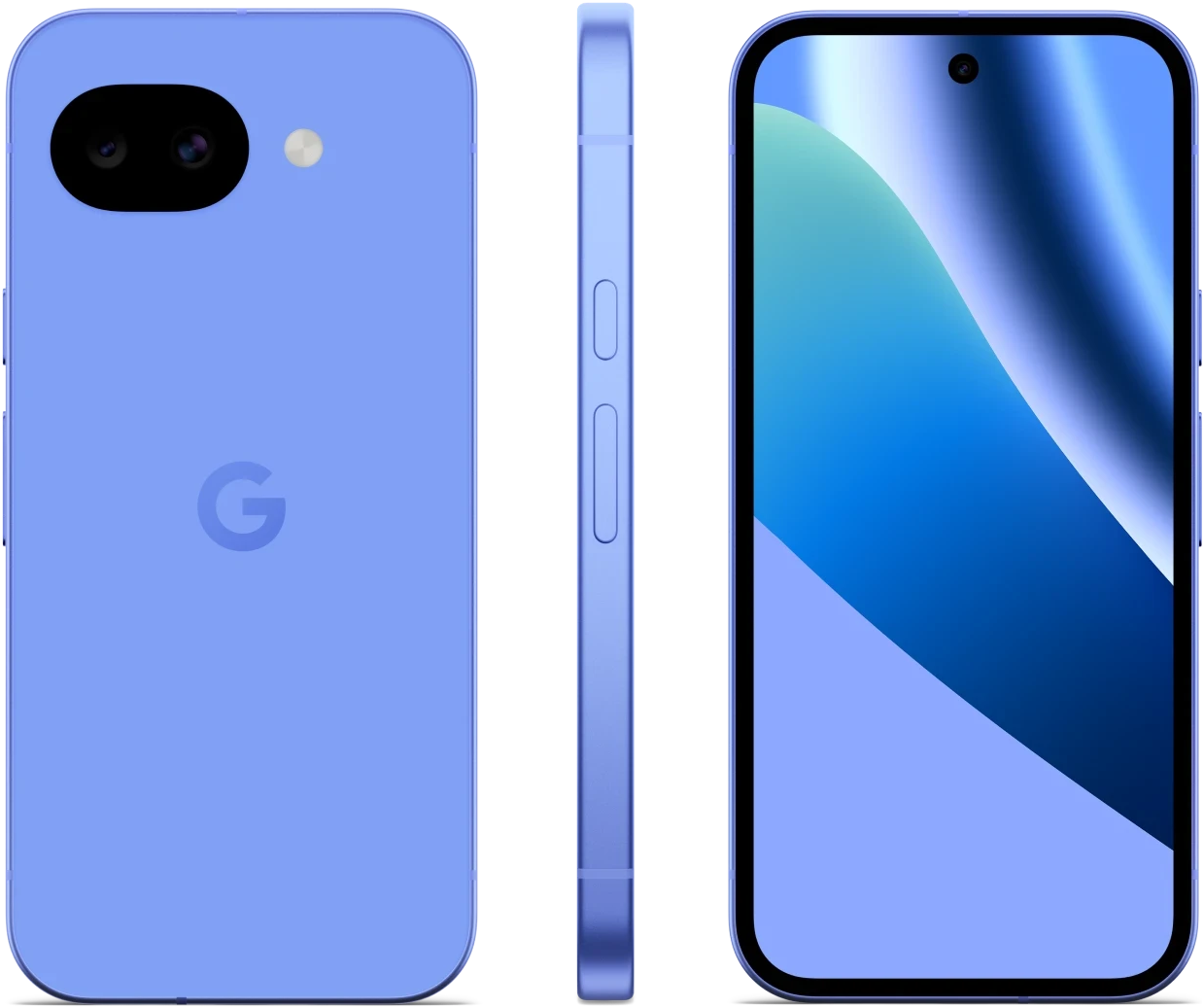
In reviews and owner discussions since the February 2026 launch, the Pixel 10a is often described as Google's iterative but still dominant sub-$500 Android phone — a standalone A-series handset, not a downgraded Pixel 10, with a 183 g chassis measuring 73.0 mm wide, 153.9 mm tall, and 9.0 mm thick, Tensor G5, 8GB RAM, 6.3-inch 120Hz Actua OLED, 5100mAh battery with modestly faster wired charging, IP68 sealing, dual rear cameras, Gorilla Glass 7i, and seven years of OS and security support at a $499 starting price.
Common praise centers on retained battery endurance, dependable computational photography, cleaner flat-back pocket ergonomics, improved display durability, and Google's software update promise at an unchanged MSRP amid 2026 component inflation.
Daily use
In daily use, the Pixel 10a is usually described as fast and fluid for routine tasks on Tensor G5 with 8GB RAM and Pixel UI atop Android 16.
The 6.3-inch 1080p Actua OLED at 120Hz and stereo speakers preserve the 9a's daily media strengths with modest display glass improvements noted in long-session accounts.
Pixel UI on Android 16 receives credit for mature At a Glance widgets, Circle to Search, Call Screen, and tighter Photos integration after another year of feature drops.
Faster wired charging versus the 9a is appreciated but still not class-leading — full recovery in roughly 80–95 minutes in many accounts suits overnight and desk habits while Galaxy A57 and Motorola Edge shoppers continue to recover range faster.
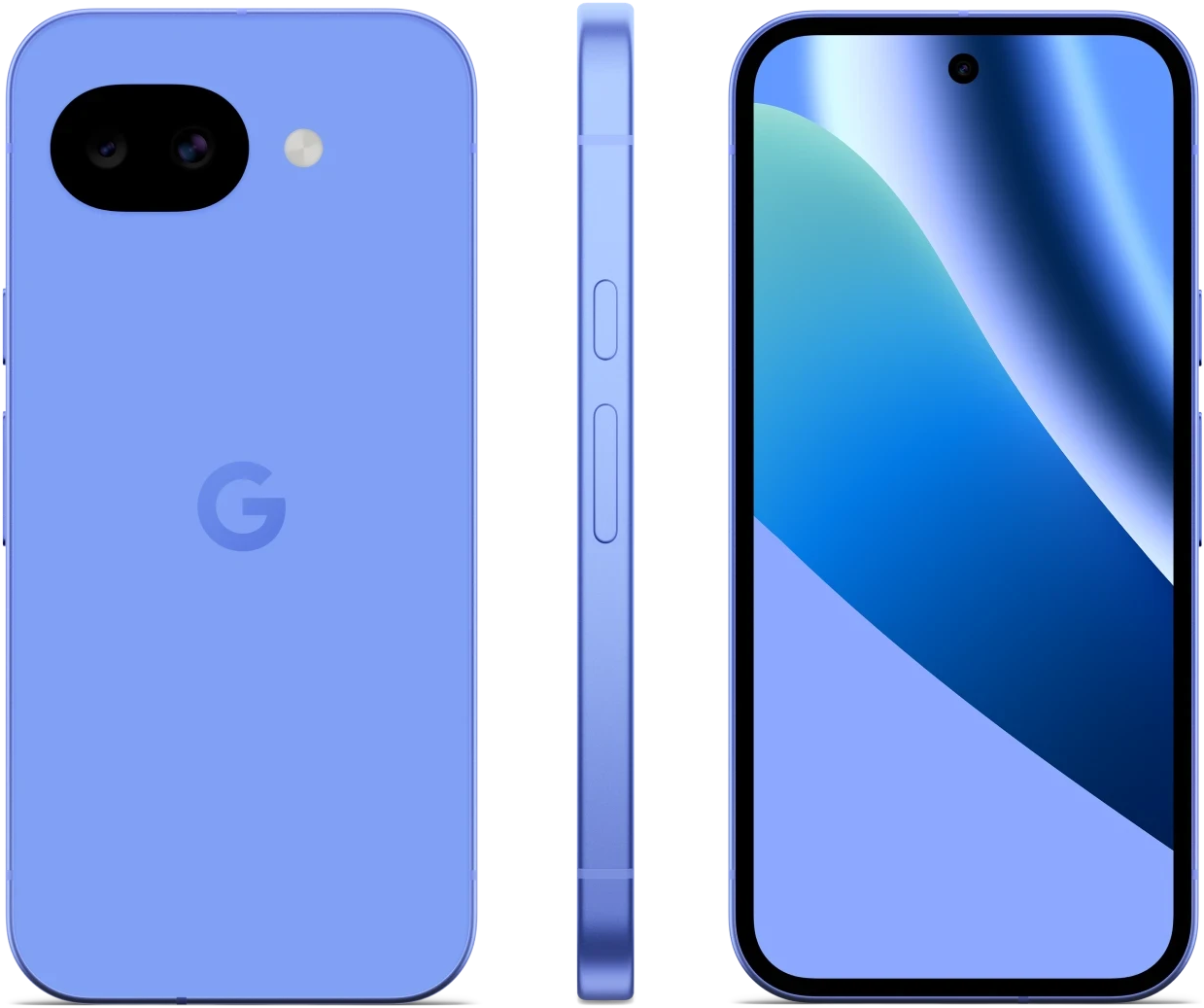
Pixel 10a
View the full specifications, dimensions, pricing, and related models.
Camera
Camera feedback centers on dependable 48MP main and 13MP ultrawide output with Google's latest processing — consistent daylight color, strong Night Sight, and reliable portrait separation without new sensor hardware.
4K30 video remains the practical ceiling with steady stabilization; creators wanting 4K60 or telephoto reach still cross-shop Galaxy S25 FE.
Battery and charging
Typical daily reports align around excellent all-day endurance on the same 5100mAh cell as the 9a — Tensor G5 efficiency and modem tuning produce modest gains in owner accounts, with Google citing extended Extreme Battery Saver runtime versus last year.
Faster wired charging versus 23W 9a is welcome but not transformative — many owners report roughly 15–20 percent quicker full cycles, still behind 45W Galaxy and 30W Motorola rivals.
Performance
App launching and routine multitasking are described as smooth on Tensor G5 with 8GB RAM — incremental CPU and GPU gains over G4 noticeable mainly in side-by-side benchmarks, not dramatic daily epiphanies.
Gaming remains modest — mainstream titles at medium-high settings are playable; competitive players still prefer Snapdragon flagships. The 10a is bought for camera, software, and battery rather than frame-rate leadership.
Handling and portability
At 73.0 mm wide, 153.9 mm tall, and 183 g, the Pixel 10a sits in the same practical one-handed band as the 9a — slightly narrower and lighter with a hair more thickness at 9.0 mm.
The polished frame and matte back with flush rear produce a secure hold praised in Android Authority accounts — no camera plateau digging into the palm during single-hand reading.
Owners with smaller hands note incremental comfort gains from the 0.3 mm width reduction and 3 g weight drop versus 9a, though the difference is subtle rather than transformative.
Build quality
IP68 sealing plus Gorilla Glass 7i front and the completely flat rear plateau combine into Google's most pocket-durable recent A-series design — the 10a's most praised physical change alongside Tensor G5 modem refinement.
Matte composite back and polished aluminum sides feel familiar to 9a owners with improved scratch resistance anecdotes around flat rear glass.
Similar size devices

This summary is based on recurring reports from public discussions.