OPPO K13 5G User Experience
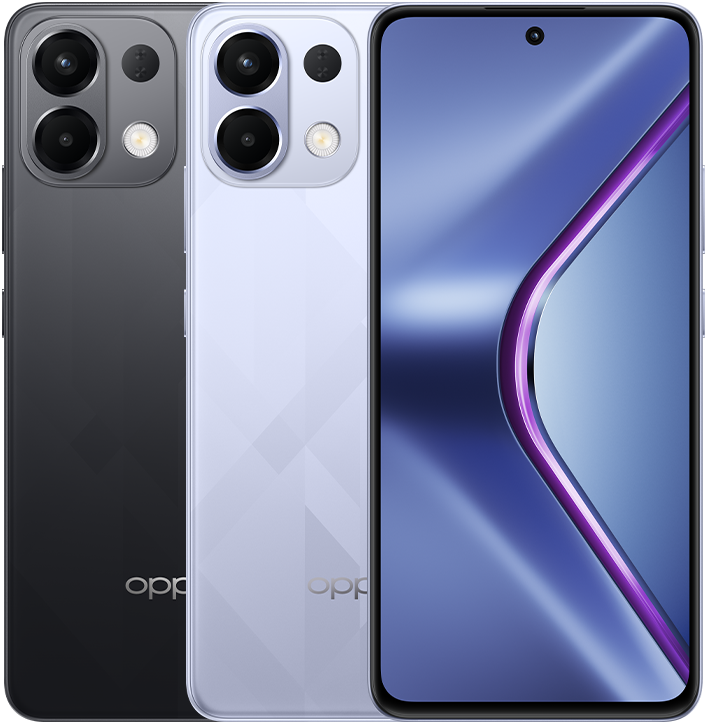
Sizometry Verdict
Editorial scores based on recurring themes across professional reviews, hands-on testing, and expert analysis.
Overall user experience
7.5
out of 10
A convincing India K-series daily driver with standout 7,000 mAh endurance, FHD+ AMOLED advantage over A-series LCD rivals, fast 80W charging, and IP69 confidence, held back in public sentiment by modest cameras, ColorOS clutter, and performance marketing that overshoots maximum gaming expectations.
Category scores
Camera
6.5
Workable main sensor for daylight social sharing, with no ultrawide and softer low-light results than imaging-focused midrange rivals.
Battery and charging
9.5
Exceptional 7,000 mAh endurance with comfortable multi-day light use, paired with class-leading 80W recovery versus 45W K14 and A6s siblings.
Performance
8.0
Dimensity 7300 delivers smooth daily use that largely validates routine overpowered-performance claims, with earlier throttling on maximum game settings.
Handling and portability
7.5
76.1 mm width and 208 g weight help versus wider 2026 OPPO rivals, though tall 6.67-inch footprint still limits true one-handed comfort. Narrower and lighter than K14 and A6s, with typical large-phone pocket compromises remaining in tight women's pockets.
Build quality
8.0
IP69 and MIL-STD-810H inspire strong monsoon confidence at K-series pricing, with practical rather than premium materials.
Value
7.5
A convincing India K-series daily driver with standout 7,000 mAh endurance, FHD+ AMOLED advantage over A-series LCD rivals, fast 80W charging, and IP69 confidence, held back in public sentiment by modest cameras, ColorOS clutter, and performance marketing that overshoots maximum gaming expectations.
Strengths
- 7,000 mAh battery with excellent daily and light multi-day endurance
- FHD+ AMOLED display clearly ahead of HD+ LCD on K14 and A6s
- 80W SUPERVOOC charging faster than 45W endurance siblings
- IP69 and MIL-STD sealing for India weather confidence
Weaknesses
- Modest cameras without ultrawide for flexible photography
- Overpowered-performance marketing exceeds maximum gaming reality
- ColorOS bloatware requires first-week cleanup
- No wireless charging for pad-dependent owners
Best for
- Battery-focused buyers who want AMOLED and 80W without Reno pricing
- Shoppers choosing K13 over A-series LCD for display and Dimensity 7300
- Monsoon-season commuters prioritizing IP69 and multi-day runtime
- Upgraders from older 5,000 mAh midrange phones seeking clear endurance gains
Less suitable for
- Photography enthusiasts needing ultrawide or strong low-light consistency
- Maximum-settings gamers who took overpowered-performance ads literally
- Wireless-charging-dependent users with established pad routines
- Absolute lowest-price shoppers who can accept LCD for K14 savings
Upgrade recommendation
Current device: OPPO A-series LCD or K12
Recommendation: Strongly recommendedNotes: 7,000 mAh endurance, FHD+ AMOLED, Dimensity 7300, 80W charging, and IP69 address clear battery, display, and performance upgrades.
Current device: 5,000 mAh midrange Android
Recommendation: Worth consideringNotes: Runtime, AMOLED, and sealing gains frequently outweigh modest camera trade-offs for commuters and students.
Current device: OPPO K14 or A6s shoppers
Recommendation: Depends on prioritiesNotes: Choose K13 for AMOLED, Dimensity 7300, 80W, and narrower ergonomics; choose K14 for lowest price and newest 7,000 mAh branding.
Current device: OPPO K13 5G (current)
Recommendation: Probably unnecessaryNotes: First-year sentiment highlights sustained battery and display satisfaction; upgrade when camera or compactness needs outgrow the balanced formula.
Current device: Galaxy A-series shopper
Recommendation: Worth consideringNotes: K13 battery, AMOLED, and IP69 appeal to value hunters; Samsung software polish and update reputation remain the counterargument.
Bottom line
The OPPO K13 5G earns respect as the AMOLED heart of India's overpowered-performance K-series — a phone that leads with 7,000 mAh endurance, 80W recovery, FHD+ OLED clarity over A-series LCD rivals, Dimensity 7300 daily speed, and IP69 monsoon confidence at sensible pricing. Its strongest appeal is worry-free runtime with a display and chip stack that still feel modern against 2026 K14 and A6s LCD alternatives. Dominant trade-offs remain modest dual cameras without ultrawide, ColorOS clutter, marketing that overshoots maximum gaming, and no wireless charging. Shoppers upgrading from LCD budget phones or older K-series units gain the clearest benefits; those who only need the cheapest 7,000 mAh shell should compare K14 sale pricing carefully.
See its real size next to another phone or tablet.
Open size comparisonOverview
Across professional reviews and long-term owner discussions since the April 2025 India launch, the OPPO K13 5G is widely regarded as OPPO's most convincing K-series value play — a phone that pairs overpowered-performance marketing with hardware that largely delivers on daily speed, battery headroom, and weather confidence. Recurring reports frame it as the sensible pick for Indian buyers who want AMOLED polish, a 7,000 mAh cell, and 80W recovery without stepping into Reno or Find pricing.
The most repeated praise centers on endurance, display quality, and charging speed together. At 76.1 mm wide, 163.2 mm tall, 8.5 mm thick, and 208 g, the K13 combines a 6.67-inch FHD+ AMOLED panel at 120 Hz with a 7,000 mAh battery and 80W SUPERVOOC. Owners consistently describe multi-day light use, confident outdoor scrolling on an OLED canvas, and faster midday top-ups than 45W K14 or A6s rivals — especially meaningful during monsoon travel when IP69 sealing matters.
Daily use
In daily use, the K13 5G is consistently described as smooth and dependable for routine tasks. App launches, messaging, navigation, and camera readiness benefit from Dimensity 7300 paired with sufficient RAM for India SKUs. Owners rarely report lag during active use — the phone feels quick for social feeds, video calls, and light productivity, with friction clustering in ColorOS suggestions rather than chipset limits for mainstream workloads.
The FHD+ AMOLED panel at 120 Hz is a quiet daily strength and a recurring reason buyers choose K13 over A-series LCD rivals. Outdoor peak brightness and OLED contrast receive steady praise for navigation, campus walks, and bright-window reading where HD+ LCD panels on K14 and A6s struggle. Scrolling feels fluid for feeds and casual gaming; display complaints appear far less often than camera or bloatware themes.
ColorOS receives credit for visual customization and mature quick settings after initial cleanup. Home-screen layout, floating windows, and notification management integrate smoothly for owners who disable promotional shortcuts. Friction includes preinstalled OPPO service prompts, occasional aggressive background limits until battery rules are customized, and learning-curve differences versus Samsung One UI or stock Android.
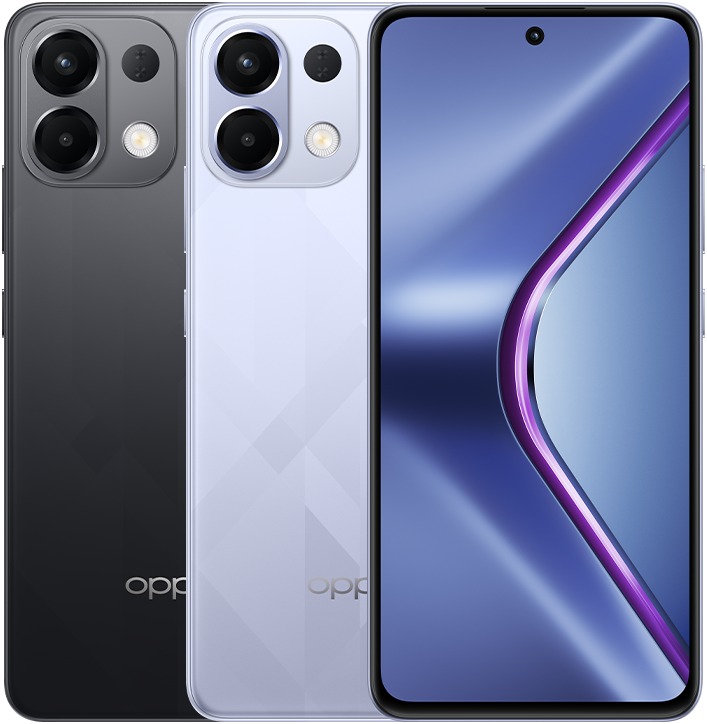
K13
View the full specifications, dimensions, pricing, and related models.
Camera
Camera feedback centers on main-sensor adequacy rather than imaging leadership. The primary rear sensor earns acceptable daylight praise for social sharing and travel snapshots — while any expectation of Reno-style computational polish or ultrawide flexibility consistently disappoints buyers who prioritized battery and display.
Daylight performance on the main sensor earns the steadiest praise: predictable exposure, quick shutter response for casual portraits, and color that suits Instagram-ready sharing. Low-light scenes generate more mixed sentiment — usable with night mode but clearly behind pricier OPPO and Samsung midrange cameras. No dedicated ultrawide lens limits tight interiors and group shots.
Battery and charging
Typical reports align around excellent all-day endurance and strong multi-day light use. Messaging, social apps, navigation, and intermittent media commonly leave 30–45 percent remaining at bedtime; heavy gaming, hotspot, and all-day navigation still finish comfortably for many owners without midday panic.
The 7,000 mAh cell is among the most celebrated hardware traits — a defining reason buyers choose K13 over A-series LCD rivals and a clear match with K14 capacity while pairing faster 80W recovery. Former 5,000 mAh midrange owners describe noticeably improved travel-day confidence with photography and evening streaming included.
Performance
App launching, camera processing, and everyday multitasking are consistently described as smooth. Dimensity 7300 handles ColorOS, 120 Hz scrolling, and split-screen light work without stutter that older K-series and A-series phones developed in later years — a recurring reason overpowered-performance marketing feels partly justified for routine use.
ColorOS animations stay fluid on the high-refresh AMOLED panel; in-display fingerprint unlock feels immediate and app resume behaves reliably after battery rules are tuned. Owners sideloading alternative launchers report generally stable behavior, though OPPO camera and gallery apps remain best optimized.
Handling and portability
At 76.1 mm wide, 163.2 mm tall, and 208 g, the K13 5G occupies mid-large phone ergonomics that many owners find more manageable than 2026 K14 and A6s bodies at 78.5 mm wide. The tall 6.67-inch canvas allows comfortable thumb reach across the lower and middle display for messaging and quick browsing when the other hand is occupied.
In standard men's jeans and jacket pockets, owners report a typical fit for a modern large-display phone. At 163.2 mm tall and 76.1 mm wide, the K13 slides in similarly to other 6.67-inch-class devices — more pocket-friendly than 6.75-inch K14 and A6s shells that add width and height.
Holding the K13 5G for 30–60 minutes is comfortable for most users during reading and video. The 208 g weight and 8.5 mm profile reduce wrist fatigue versus heavier 216 g rivals, while the FHD+ AMOLED display suits extended feed scrolling.
Build quality
IP69 protection and MIL-STD-810H certification deliver meaningful durability confidence for an India K-series phone at aggressive pricing. The composite build feels practical rather than luxurious — acceptable at the price, with buttons maintaining decent tactile feedback at 208 g.
Display and rear materials follow familiar durability patterns with case-dependent drop survival. Bare-phone owners appreciate lighter carry and monsoon-season confidence; forum debates note plastic aesthetics versus functional water and dust resistance that A-series LCD rivals also claim but with weaker display panels.
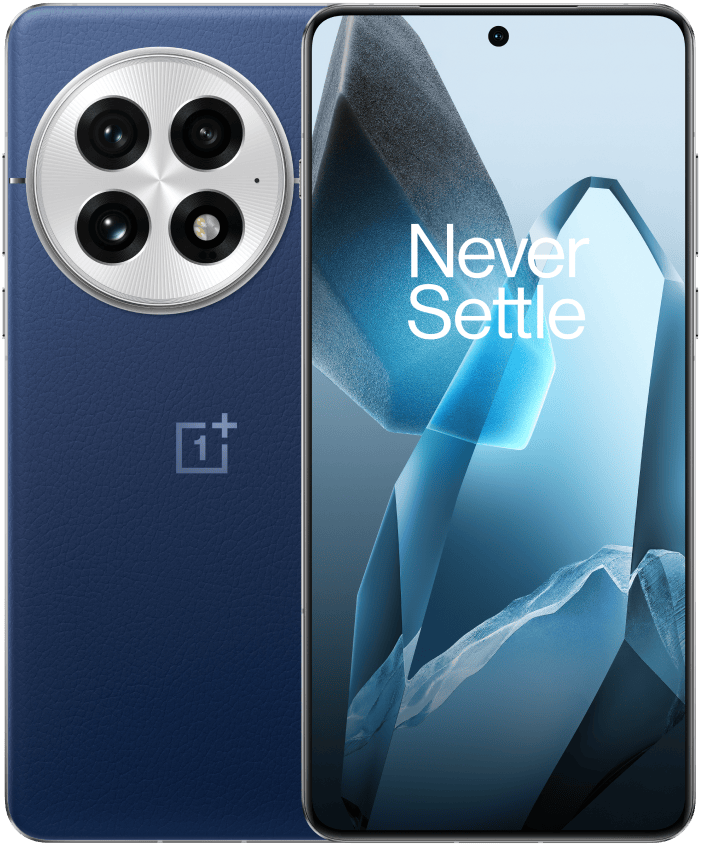
Similar size devices
This summary is based on recurring reports from public discussions.